


Updated 3 months ago
Self-Contained Portable Toilet: Ceramic Hygiene And Steel Durability For 2026
admin
admin
Self-Contained Portable Toilet
What is a Self-Contained Portable Toilet?
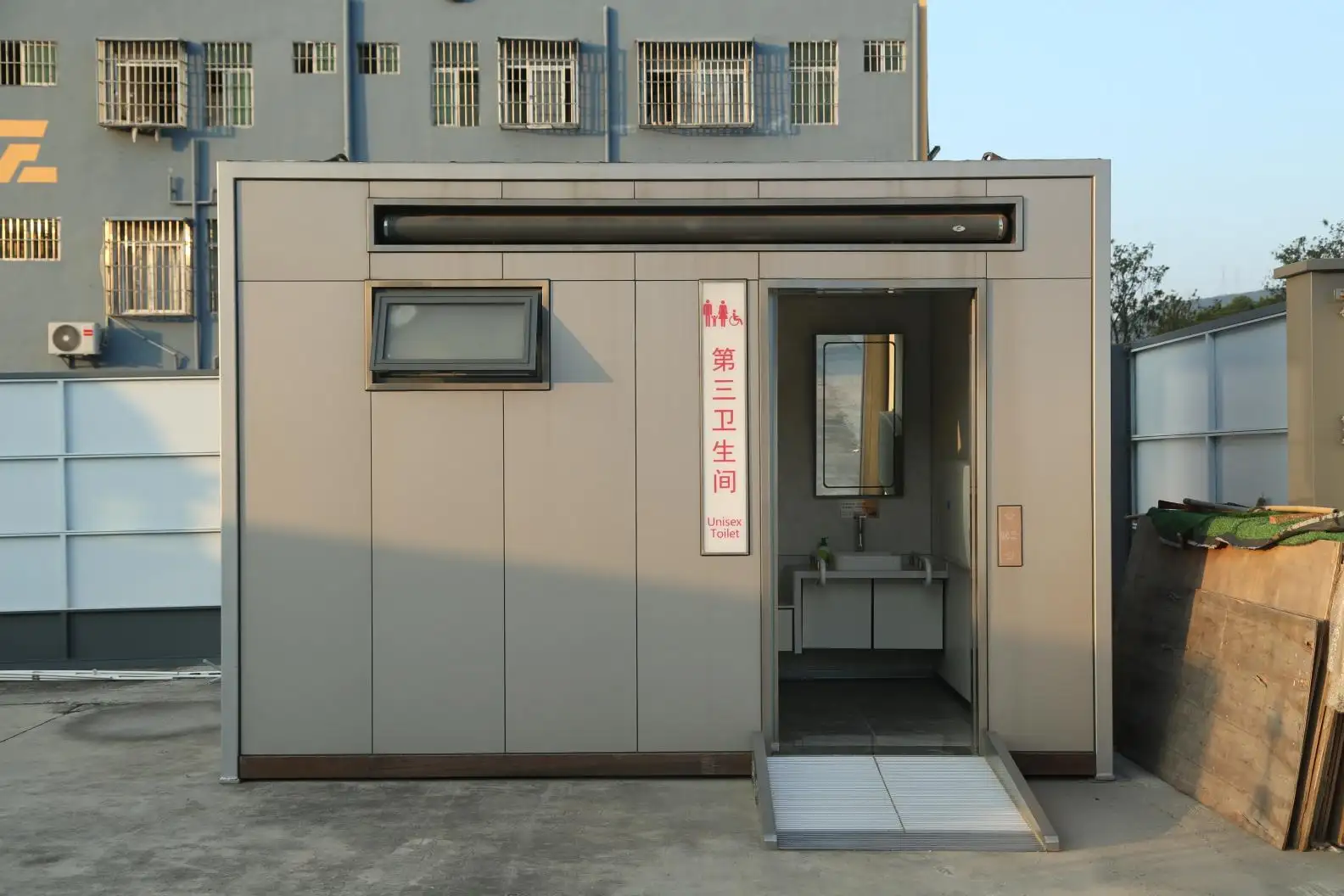
A self-contained portable toilet is designed to operate without a direct connection to city water or sewer lines. It uses an onboard flushing-water tank and a sealed waste holding tank, so it can be placed on sites where permanent plumbing is unavailable, provided that refilling, pump-out, and access for servicing are planned in advance.
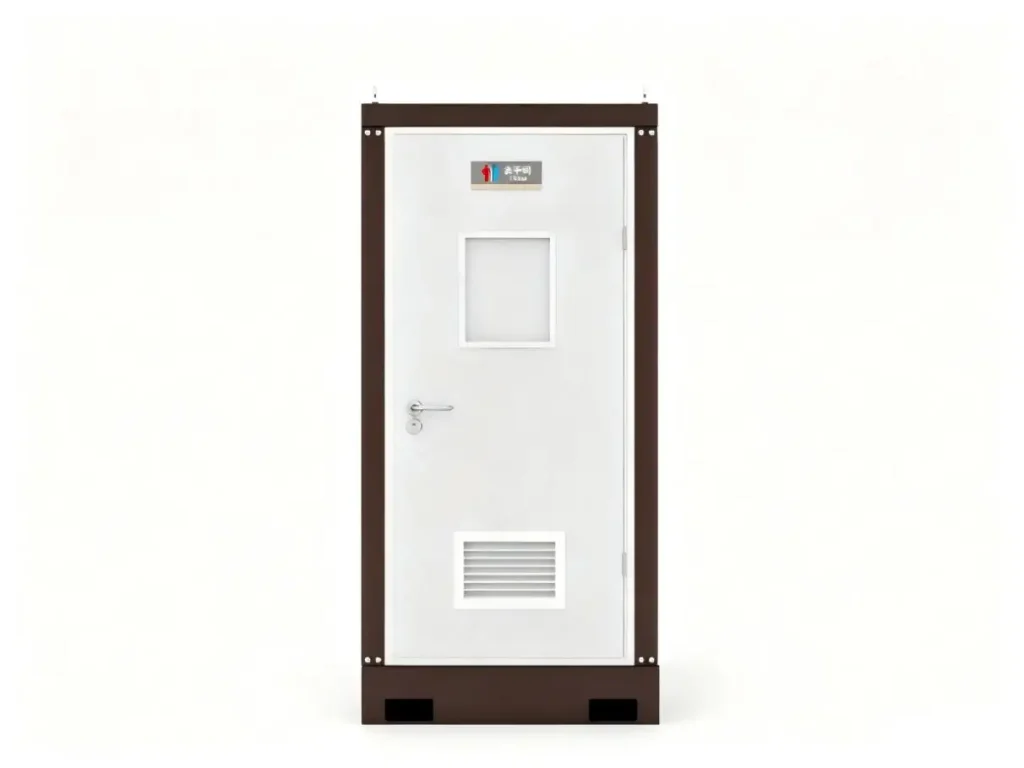
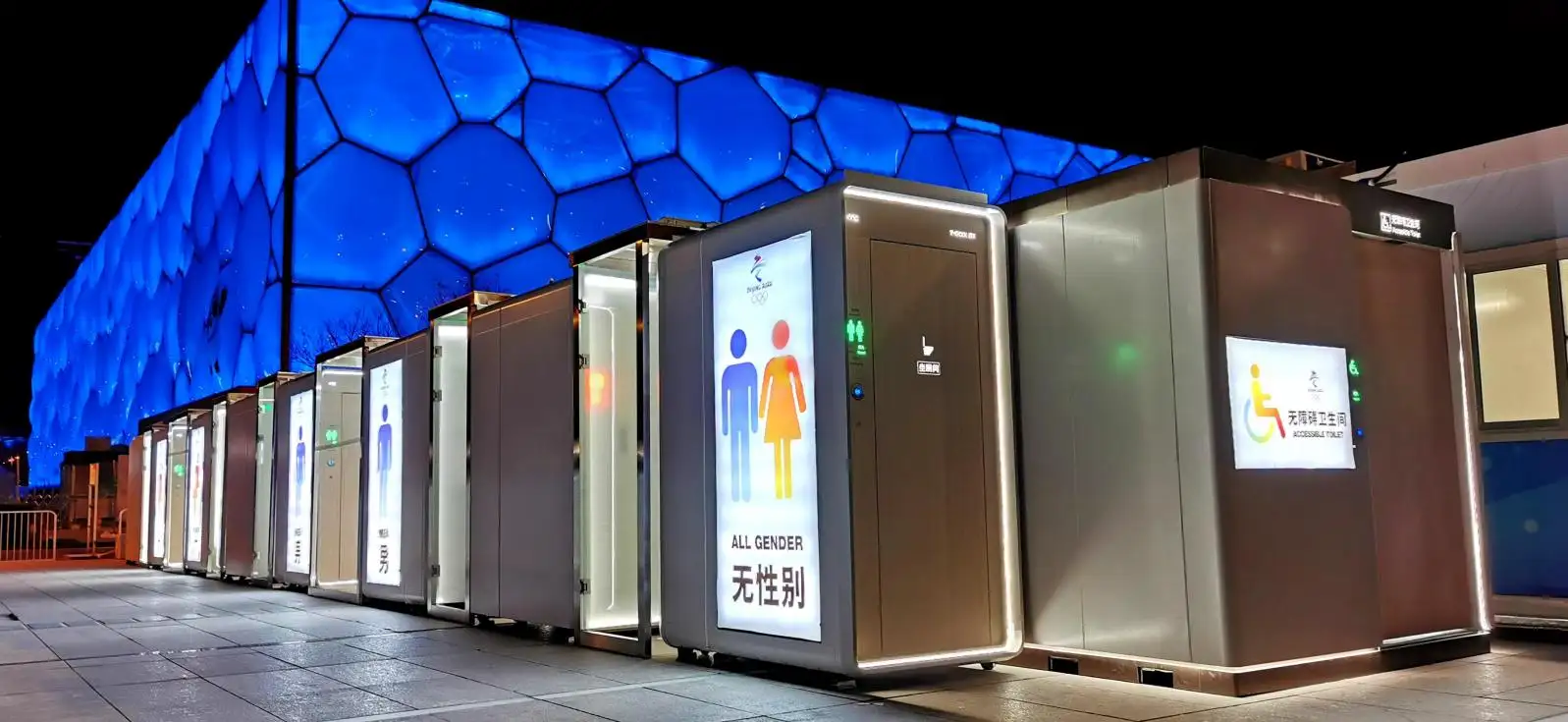
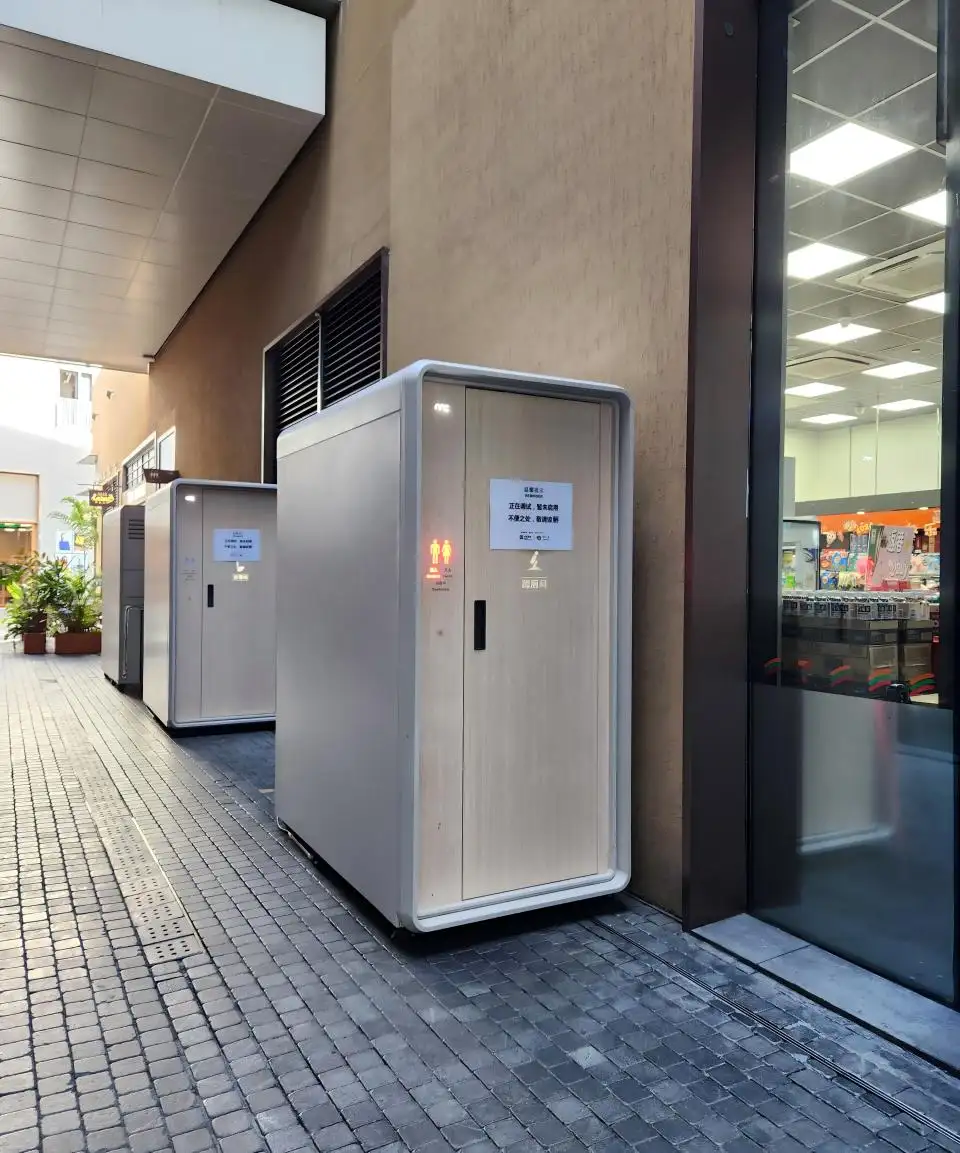
Modern self-contained portable toilets are no longer limited to lightweight plastic cabins. Buyers now look at how the unit feels for users, how well it handles relocation, and how quickly the interior can be cleaned after repeated use. SAUDIND Technology's TBOX KS-S1 combines sanitary ceramic fixtures with a corrosion-resistant steel frame to support flushing, cleaning, and repeated site movement.
A self-contained portable toilet is usually defined by several operating features:
•A sealed waste tank that prevents leakage and helps control odor between service visits.
•It is a flushing water tank designed for multiple uses without the need for frequent refilling.
•A ventilation system to allow air flow.
•A flushing mechanism that offers a cleaner user experience than many non-flushing portable toilet models.
Why Material Science is Important in Portable Sanitation
Material choice matters in a self-contained portable toilet because the unit is moved, serviced, cleaned, and used without permanent plumbing support. Ceramic fixtures and powder-coated steel are useful because they support repeated flushing, easier cleaning, and better protection during transport and outdoor use.
1. 1.Ceramic Fixtures: Smoother, Cleaner, More Hygienic
Ceramic fixtures are common in household toilets because the surface is smooth, dense, and easier to clean. In a self-contained portable toilet, ceramic surfaces are useful where flushing, odor control, and regular wipe-down cleaning matter.
•Less bacterial adhesion because of the smooth surface.
•Easier maintenance: A smooth ceramic surface can often be cleaned with a simple wipe-down during routine service, reducing the need for heavy scrubbing compared with rougher materials.
•Stain Resistant: The surface of the ceramic is resistant to dye and organic staining.
2. 2.Steel Frame: Reinforced for Repeated Relocation
•Self-contained portable toilets are often moved between sites, so a steel frame provides several practical advantages:
•Impact Strength: Steel is strong enough to withstand many shipping cycles.
•Stackable shipping design: The frame can be designed for safer stacking or loading during transport, depending on the project requirements.
3. 3.Marble Flooring: Strong and Easy to Maintain
Some portable toilet models, including the TBOX KS-S1, use marble flooring to improve durability, cleaning, and the finished appearance of the interior.
•Strength: Marble can support a lot of weight unlike many cheaper materials.
•Surface: Sealed surfaces of marble are easy to maintain.
•Appearance: Marble offers a more finished look than rubber mats.
How SAUDIND Technology Produces TBOX KS-S1
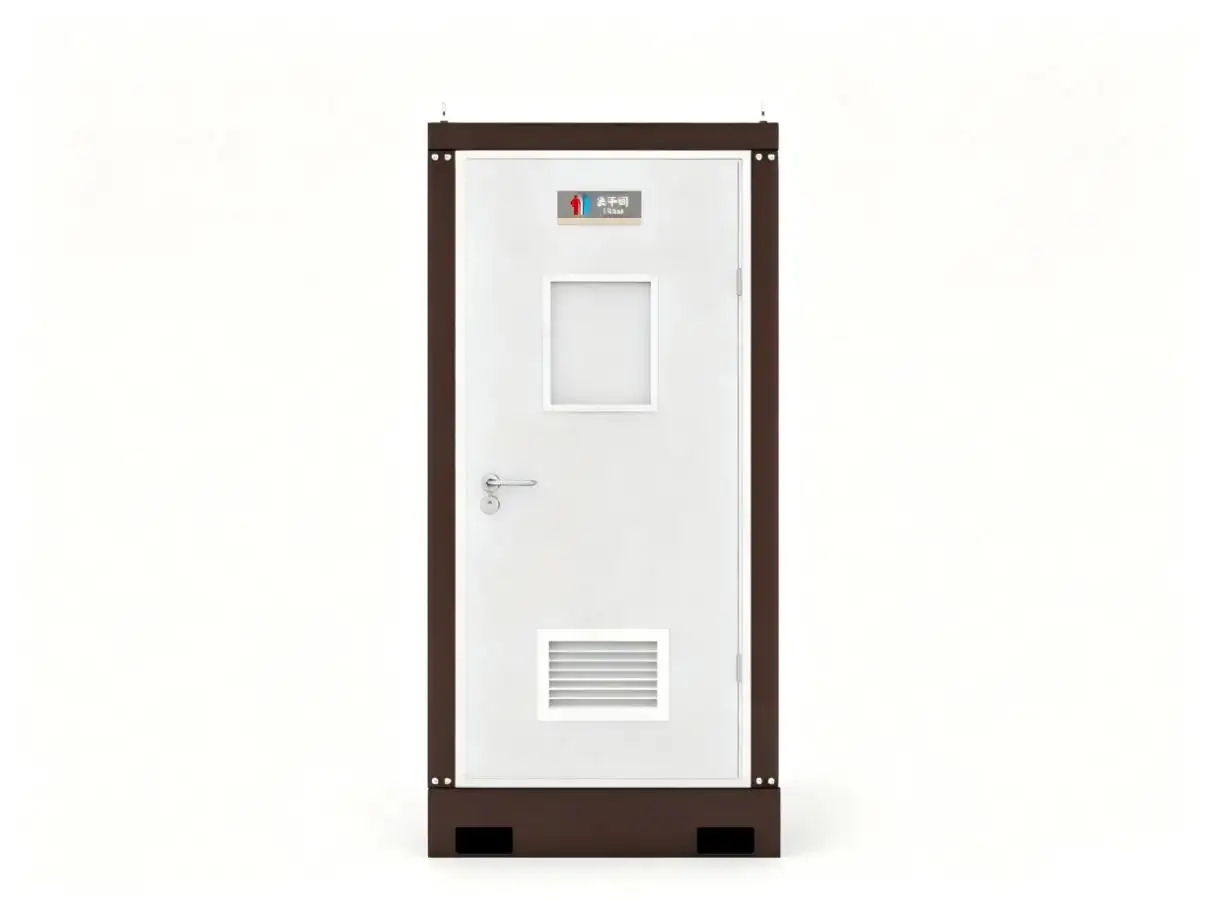
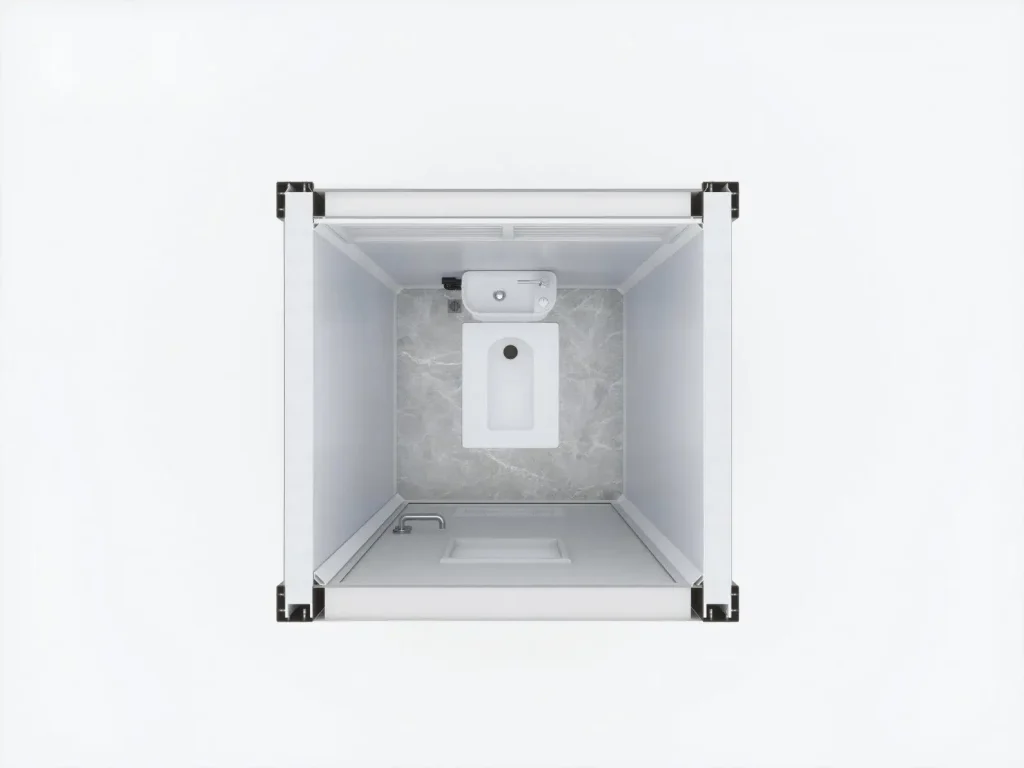
The TBOX KS-S1 is a self-contained portable restroom from SAUDIND Technology. Its design starts with a strong steel frame, adds flushing and washing components, and finishes with interior materials that support routine cleaning and repeated relocation.
The TBOX KS-S1 has the following structural layers:
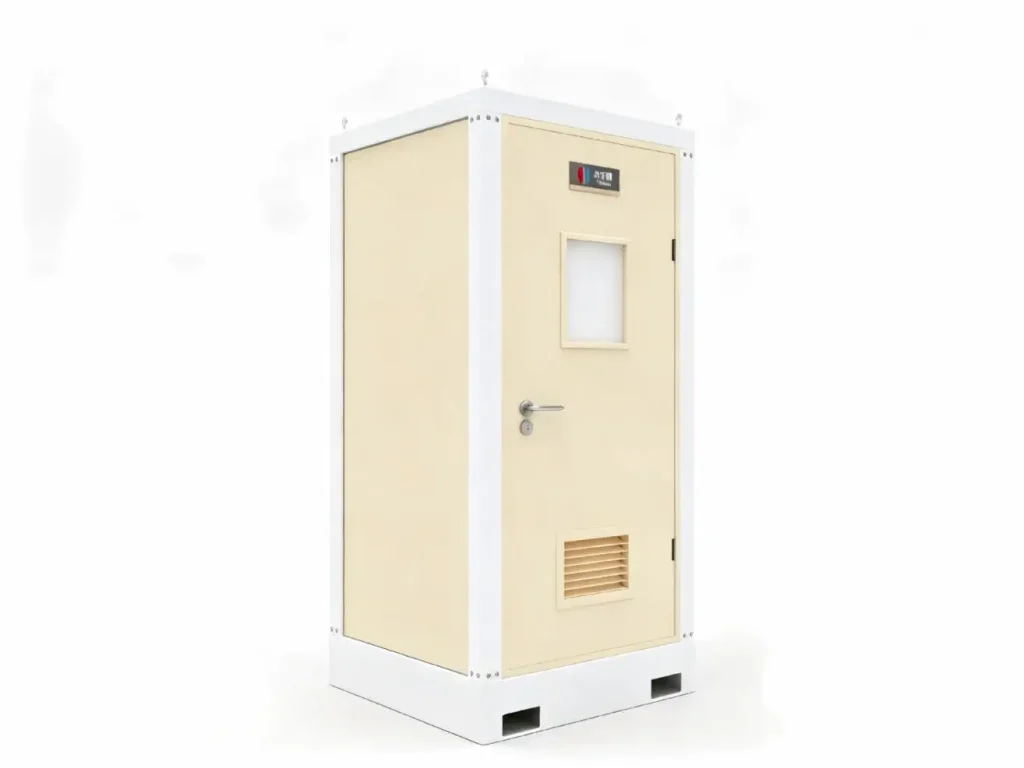
•Frame and exterior walls: The steel frame is finished with electrostatic painting, while color steel foam boards provide wall structure and thermal insulation.
•Floor: The surface of the flooring is made of Marble that resists wear.
•Sanitary fixtures: One ceramic squat toilet plus one ceramic integrated wash basin with a flushing tank. Both fixtures share the same water supply.
•Door and ventilation: Steel door with a louvered panel. A top-hung window allows cross-ventilation.
•Standard accessories: Ceiling-mounted sensor light (energy saving), signage, stainless steel faucet, and stainless steel flush gun.
These structural choices work together in daily use:
•The steel frame protects the ceramic fixtures during transport.
•Spills can easily be wiped up from marble floor tiles.
•The louver and window work with the flushing system to reduce residual odors.
How A Self-Contained Portable Toilet Works Step By Step
Understanding the operating sequence helps buyers plan water refill, waste emptying, cleaning, and user flow. In a flushing self-contained portable toilet such as the TBOX KS-S1, the process works as follows:
1.The user enters and closes the steel door. The louver allows fresh air to enter, while the top-hung window supports passive ventilation and odor release.
2.The motion sensor activates the ceiling light and eliminates the need for a switch.
3.Users can flush via a stainless steel flush gun or a foot pedal. Water from the integrated tank rinses the bowl.
4.Waste enters a sealed holding tank. The tank capacity should be planned together with the flushing-water tank so refill and pump-out service can be scheduled at practical intervals for the expected number of users.
5.Passive ventilation continues through the window and louver. When installed, the deodorizing module supports airflow and odor control while operating at ≤46dB with ≥95% ammonia removal.
This self-contained design can support a full day or more of operation between service visits, depending on tank capacity, water use, user volume, and site conditions.
Integrating Ceramic and Steel: Trends in the Industry
Customer expectations for self-contained portable toilets are shifting toward cleaner interiors, stronger frames, easier servicing, and better user comfort. SAUDIND Technology aligns the TBOX KS-S1 material choices with these practical requirements rather than treating the unit as a basic temporary cabin.
Trend 1: Materials for Long-Term Deployment
Portable toilets may remain on construction sites, event grounds, or remote service areas for months at a time. A steel frame is useful because it offers better resistance to impact, transport stress, and outdoor exposure than many lightweight materials.
Trend 2: Public Health and Hygiene
Smooth, easy-clean surfaces are important in a self-contained portable toilet because service crews need to clean the cabin quickly between uses or service cycles. Ceramic fixtures and marble flooring are easier to wipe down than many textured plastic surfaces
Trend 3: Prep for the Smart Restroom
Although the TBOX KS-S1 is not positioned as a full smart restroom, its sensor light and standardized electrical design create a practical base for future upgrades. For buyers planning larger fleets, this makes it easier to consider options such as occupancy sensing, fill-level monitoring, or remote service alerts in later configurations.
Trend 4: Compliance with ISO/DIS 25502
This standard focuses on comfort, cabin design, ventilation, and ease of cleaning. Ceramic fixtures and stainless steel accessories support these goals because they are suitable for regular cleaning and can better tolerate common restroom maintenance routines
Benefits for Various Stakeholders
Different teams evaluate a self-contained portable toilet from different angles:
For Project Managers:
•Cleaning would be easier as ceramic surfaces can be wiped clean much more easily than plastic
•Relocations would cause less damage as a stainless steel framed structure would not need repairs
•Durable materials can reduce replacement needs and help control long-term operating costs.
For Procurement Teams:
•Standard components such as a sensor light, a stainless steel fixture, and a stainless steel flush gun would eliminate the need for custom orders
•A modular design would improve ease of storage and transportation
•Marble flooring and stainless steel walls would provide an improved value perception for the rental units
For Users:
•A flush toilet cabin would provide a much cleaner and smoother interior
•Lighting and ventilation would be features provided in the portable toilet
A Business Perspective For 2026 And Beyond
The Self-Contained Portable Toilet unit market is expected to grow at a CAGR of 7.9% between 2026 and 2034. Growth is expected to occur in direct relation to infrastructure, temporary healthcare systems, and increased recreational activities. The use of ceramic, steel, and marble would be proven materials and would help manufacturers serve these markets effectively.
The TBOX KS-S1 is not positioned as the most advanced smart restroom. Its value is more practical: a self-contained portable toilet that flushes, cleans more easily, and tolerates repeated movement between sites. For customers focused on total cost of ownership and user satisfaction, ceramic fixtures and a steel frame offer a stronger balance of durability, cleaning performance, and everyday usability.
Contact SAUDIND Technology to request details on the 20W deodorizing module, dimensional drawings, tank configuration, and project-specific layout options.
FAQs
Q1: What does Self-Contained Portable Toilet mean?
A: It refers to a unit completely independent of external plumbing due to its built-in flushing water and waste storage tanks.
Q2: Why are ceramic fixtures over plastic preferred in a portable toilet?
A: Compared to plastic, ceramic has a smoother surface, is more odor/stain resistant, and is easier to clean.
Q3: How sturdy is the steel frame on SAUDIND units?
A: The steel frame is painted using an electrostatic process to prevent corrosion and is impact resistant. It is meant to withstand repeated transport and relocation on different sites.
Q4: Is the TBOX KS-S1 built to withstand cold weather?
A: Yes. Color steel foam panels can provide insulation, and the frame can be configured to support cold-weather use depending on the project requirements.
Q5: After the TBOX KS-S1 is set up, can the unit still be moved?
A: Yes. The unit is designed for relocation, and it can be moved by forklift when site access, lifting points, and transport conditions are suitable. Utility disconnection, tank service, and placement checks should be completed before moving.
Written by
admin