


Updated 3 months ago
How Material Science Makes Modular Ablution Blocks More Durable, Antibacterial, and Easy to Clean
admin
admin
Modular Ablution Block
High-use public restrooms fail quickly when surfaces absorb moisture, stain easily, or break under vandalism and heavy cleaning. A modular ablution block needs materials that can handle wet floors, frequent washing, public traffic, and daily maintenance without looking worn out too soon. This article explains how SAUDIND Technology uses stone slab flooring, compact laminate panels, protective coatings, sensor fixtures, and ventilation design to improve durability, hygiene management, and cleanability.
Why Material Science Matters for Public Sanitation
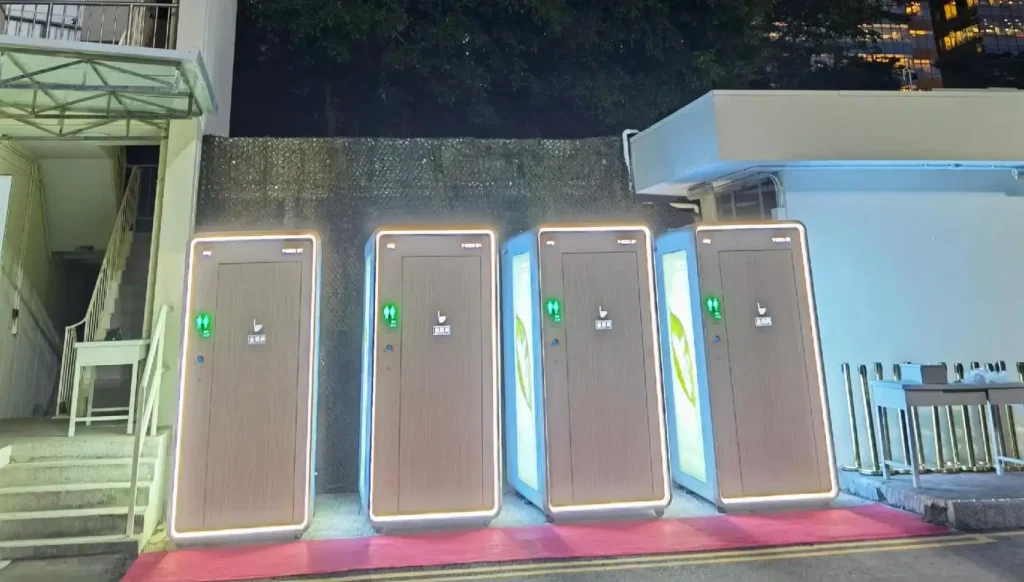
Material selection matters because public sanitation surfaces are exposed to water, cleaning chemicals, foot traffic, and vandalism every day. Low-grade plastics, poorly protected metals, or absorbent surfaces can stain, hold moisture, and become harder to clean over time. SAUDIND Technology selects materials for each modular ablution block based on the site, expected traffic, cleaning method, and exposure conditions, then combines those materials with prebuilt layouts and smart monitoring where needed.
1. The Right Materials for the Job Mean Greater Durability
SAUDIND Technology designs modular ablution blocks around the conditions they will face on site, including impact, weather exposure, cleaning frequency, moisture, and vandalism risk.
•Stone Slab Flooring: Unlike ceramic tiles that crack under impact, stone slabs do not absorb water, eliminating the risk of freeze-thaw damage. In addition, they have a high compressive strength, and are slip resistant.
•Graffiti-resistant surface treatment: These coatings have a low surface energy, allowing graffiti to be easily removed with a solvent that will not damage the coatings.
•Anti-vandal structural design: Heavy-duty aluminum and recessed fasteners make panels harder to loosen, pry open, or remove without proper tools, which is important for unattended public sites.
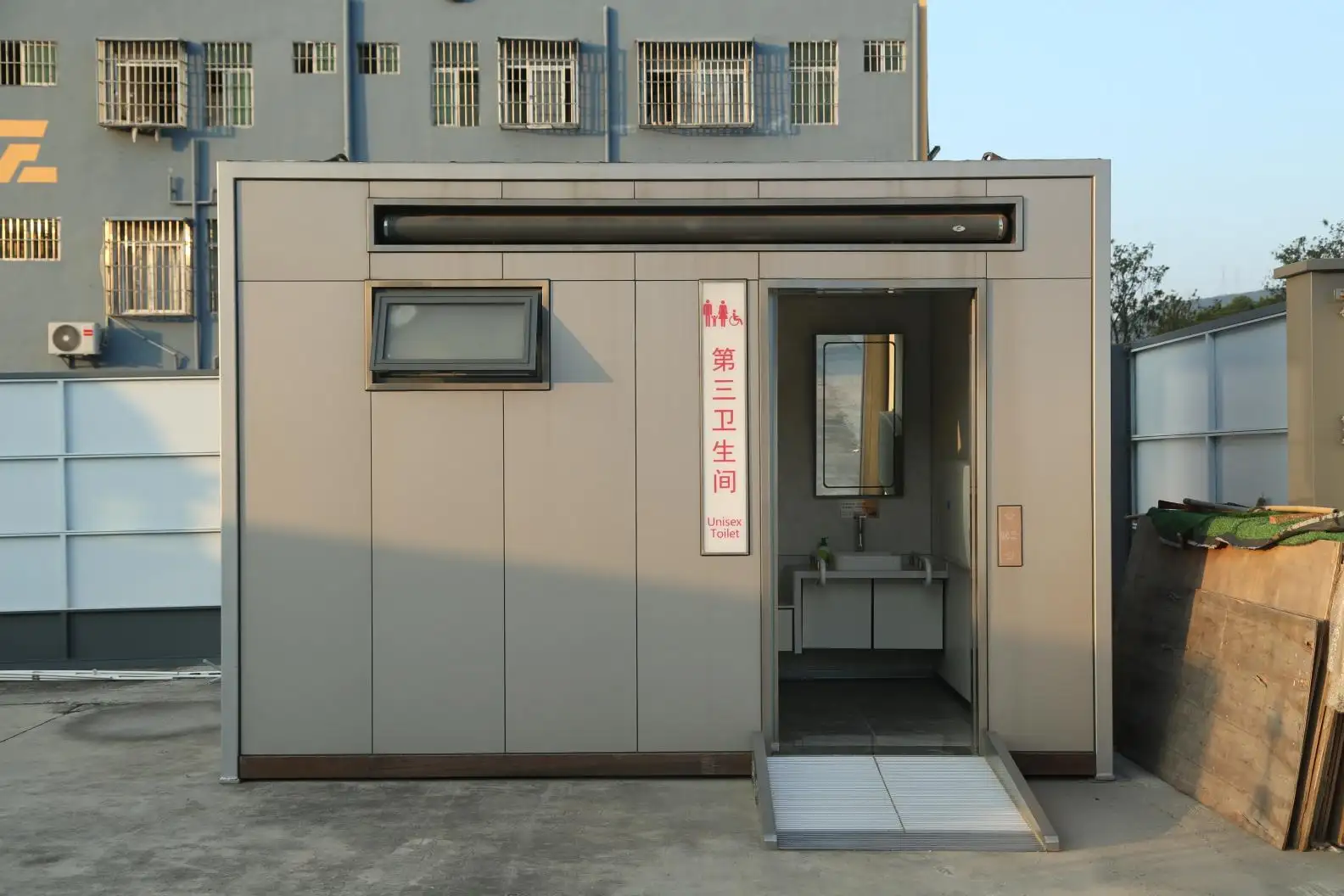
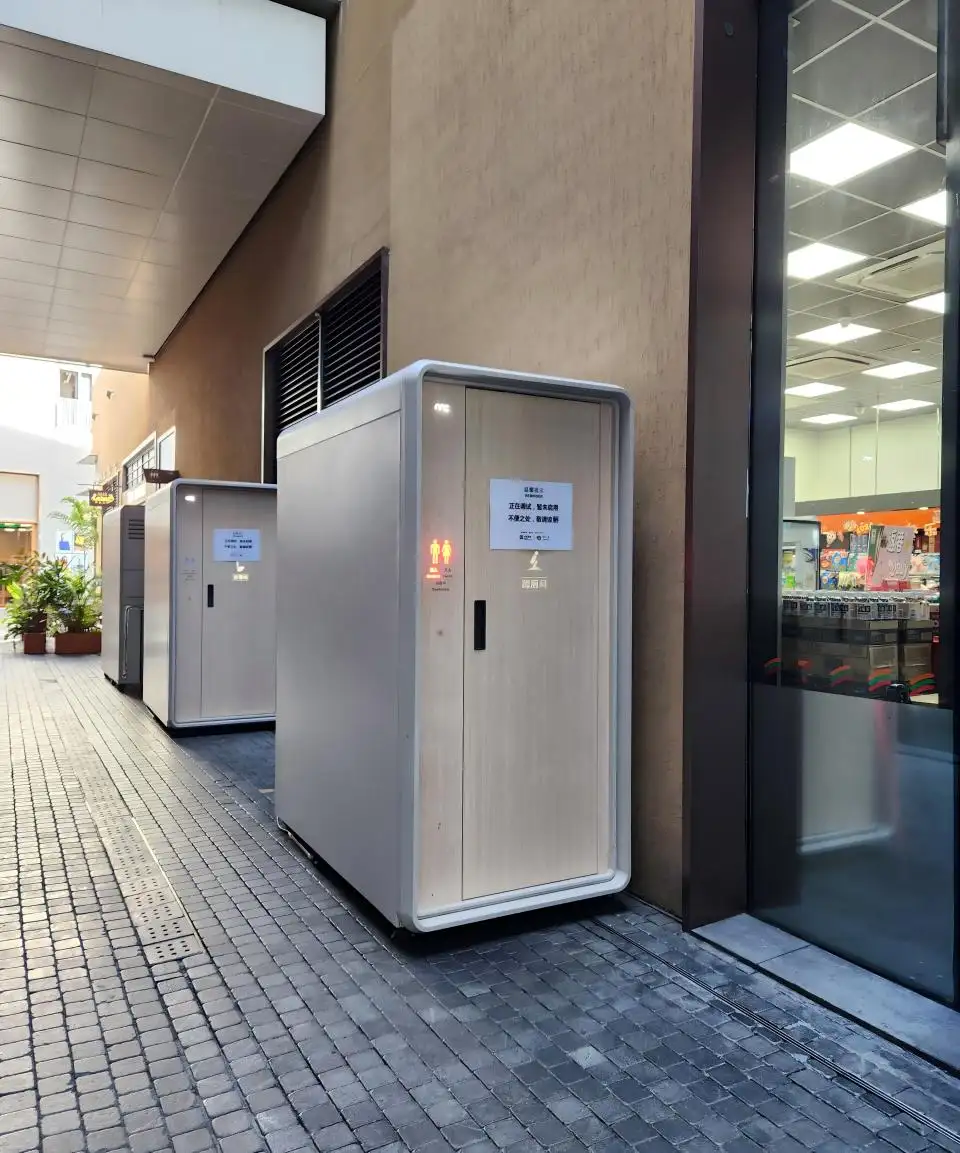
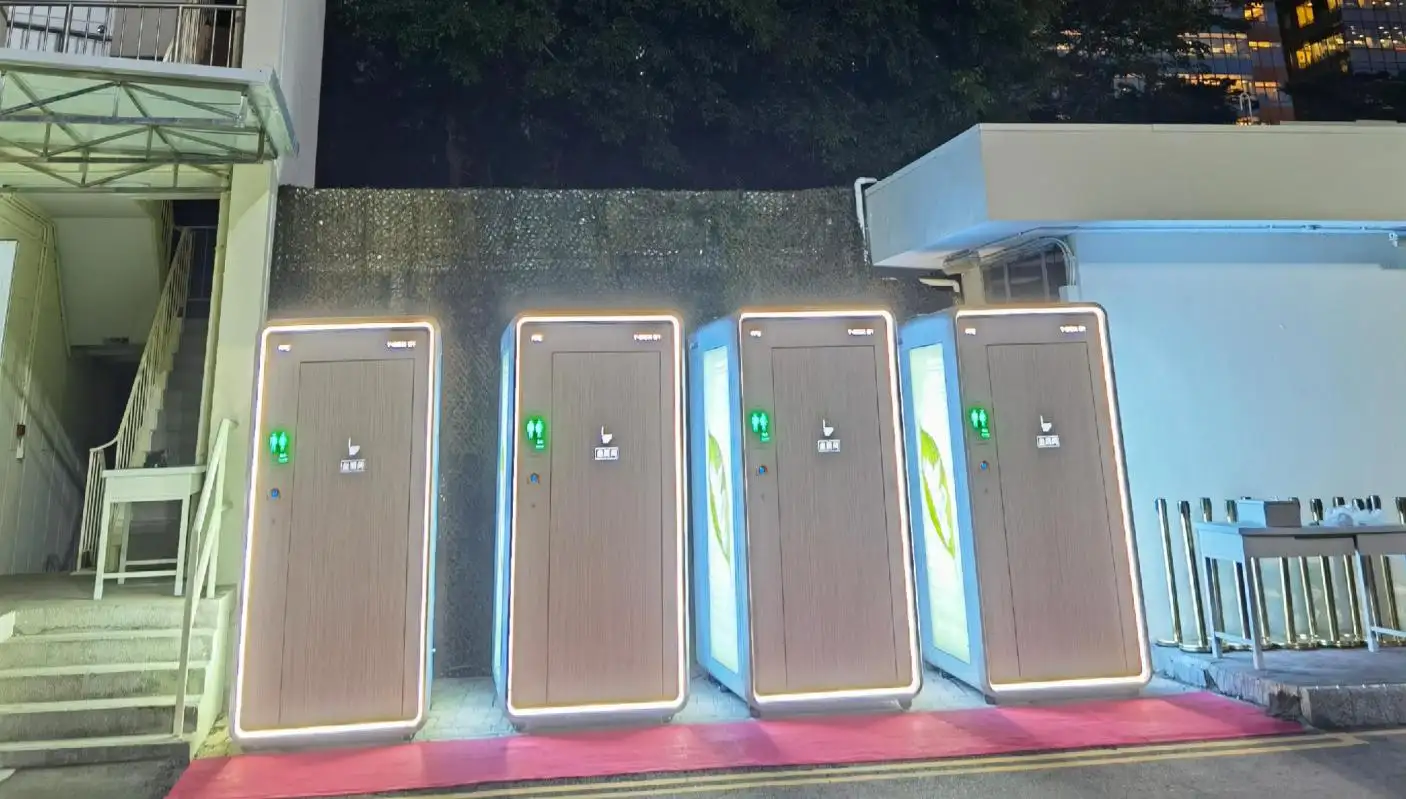
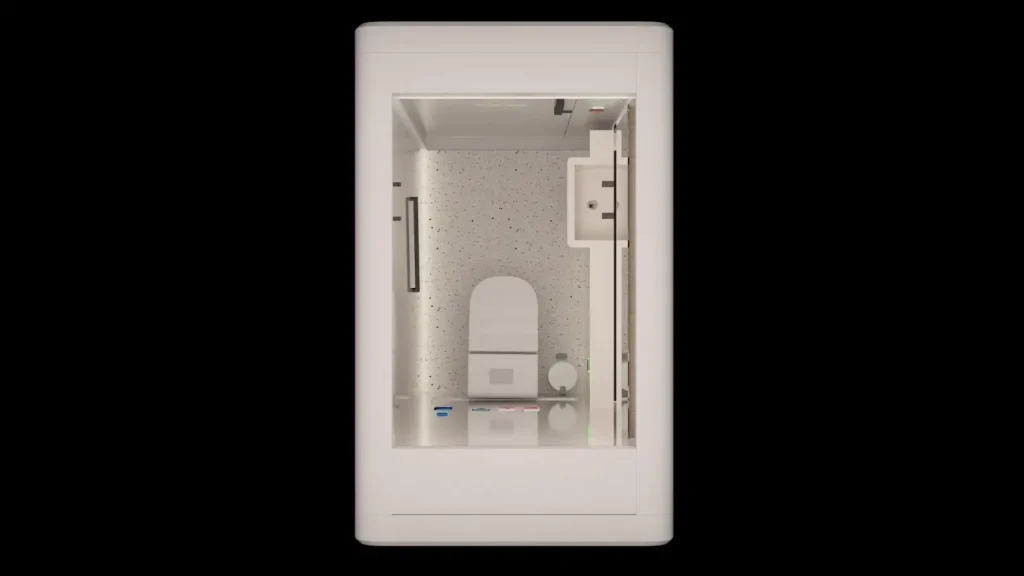
•Real World Application: The TBOX GI-W1 model has the dimensions of 1.64m x 1.11m, and weighs approximately 1000 kg. This design makes the unit portable and stable under the effects of wind and frequent relocation.
2. Antimicrobial Surface Options for High-Use Ablution Blocks
High-use ablution blocks need surfaces that are easy to clean and suitable for frequent public contact. SAUDIND Technology can provide antimicrobial surface treatments for selected panels and fixtures to support hygiene management in parks, transport hubs, construction sites, and other shared-use environments.
•Antimicrobial additives: Compact laminate panels can be enhanced with silver ions and copper oxides to reduce bacterial activity on frequently touched surfaces during normal use and cleaning cycles.
•Easy-clean ceramic wash basins: Touchless faucet systems reduce hand contact, while photocatalytic titanium dioxide (TiO2) surface options can support easier cleaning and help manage organic residue on basin surfaces.
•Antimicrobial silicone seals: These seals inhibit mold and mildew, while also preventing unpleasant odors and irritants. These seals are used in damp areas around doors and fixtures.
•Non-contact sensor integration: Sensor-based flushing, soap dispensing, and door operation reduce shared touch points and work with easy-clean materials to support better hygiene management.
•Low-level fresh air system with deodorizing filter: The system draws air through filtration and activated carbon media to help manage particles, odor, humidity, ammonia, and hydrogen sulfide in enclosed restroom spaces
Scientific verification: SAUDIND Technology's antimicrobial surface options can be tested according to ISO 22196, giving project teams a clearer basis for evaluating material performance in hygiene-sensitive applications.
3. Easy Cleanability: Design for Minimal Effort, Maximum Reward
For many public restroom projects, daily cleaning and long-term maintenance cost more than the initial structure over time. Material selection reduces that burden when walls, floors, fixtures, and drains are designed to resist staining, shed moisture, and clean quickly during routine service.
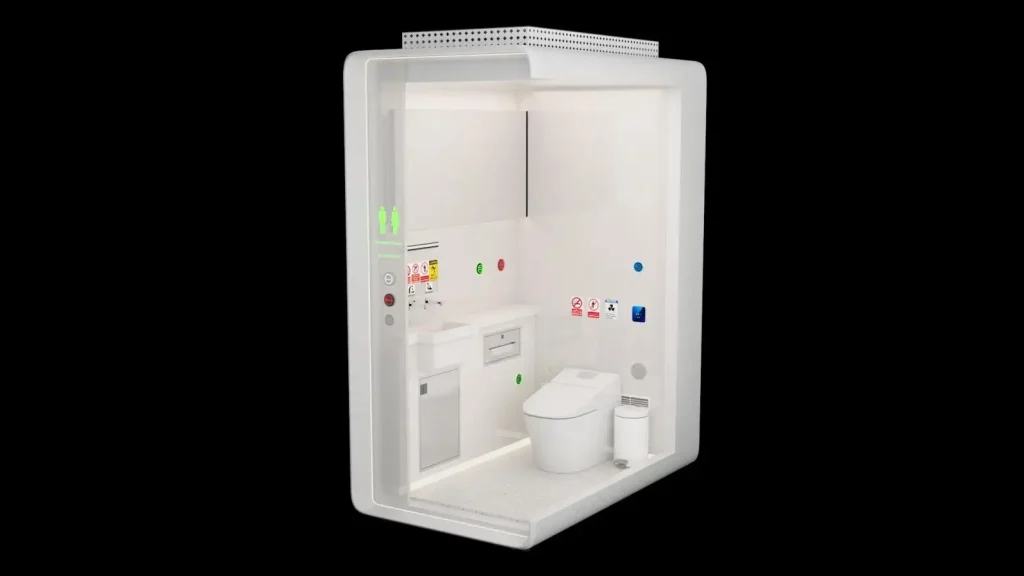
•Non-porous compact laminate walls and ceiling: Closed-surface panels do not absorb dust and dirt easily, so cleaning teams can use a damp mop, cloth, or pressure washer instead of heavy scrubbing during routine maintenance.
•Rounded interior corners: SAUDIND Technology molds wall panels with large-radius curves, eliminating sharp 90-degree angles where grime accumulates; this allows a single pass of a cleaning tool to cover an entire surface.
•Deodorizing trash can with easy-empty lining: The built-in waste bin uses a smooth, non-stick polymer interior; waste residue does not adhere, and the removable liner bag can be replaced in seconds without touching the can's surface.
•Anti-glare soft lighting covers: Diffuser panels are made of static-resistant acrylic that repels dust and insects, reducing the frequency of light fixture cleaning.
•Vacuum or direct discharge sewage system with smooth-bore pipes: Large-diameter, smooth-wall PVC plumbing reduces internal ridges where solids can collect, making scheduled jet-flushing more effective
•Quick-release floor drain covers: Stone slab flooring incorporates stainless steel drains with removable, easy-to-clean grates that trap hair and debris without requiring tools for disassembly.
•Operational benefit: Field data from SAUDIND Technology's leasing services show that cleaning time per module is reduced by up to 60% compared to conventional tiled restrooms, directly lowering labor costs.
SAUDIND Technology: Smart Modular Design Meets Material Science
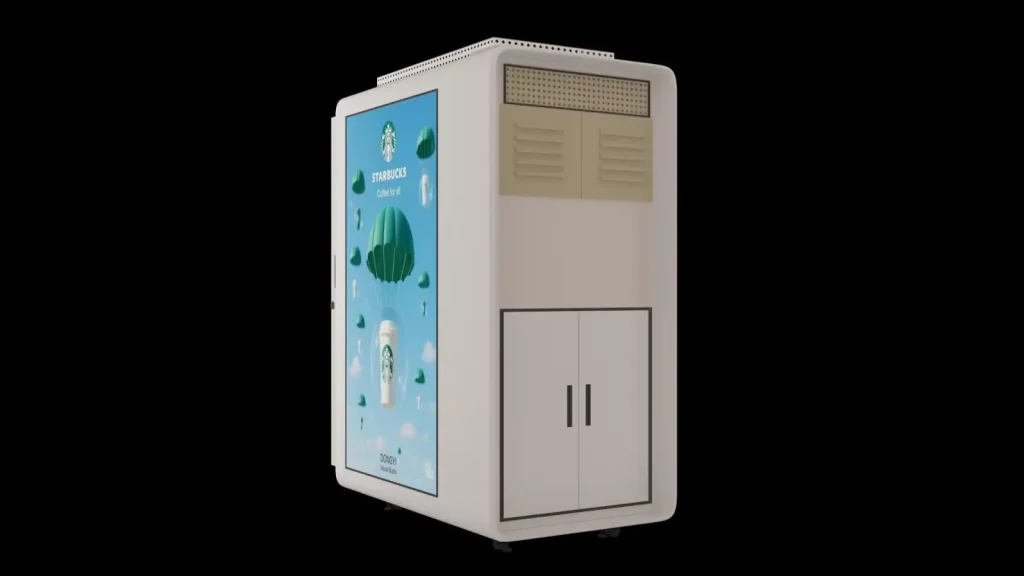
SAUDIND Technology looks beyond individual materials. Its modular ablution blocks combine durable surfaces, prebuilt structure, IoT monitoring, solar-ready options, and configurable layouts so cleaning, inspection, and service planning can be handled more efficiently.
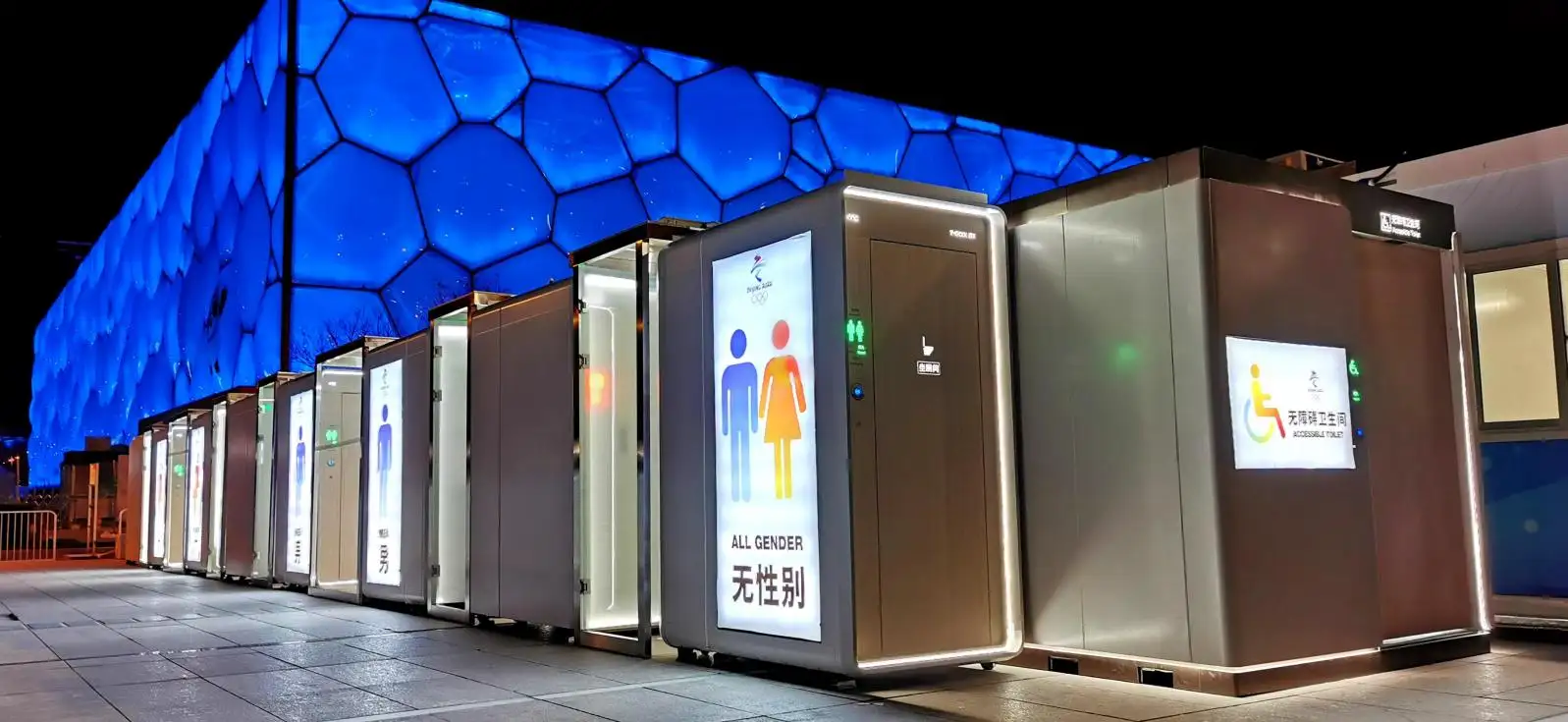
•Modular versatility: The same material platform can be used across single units, multi-unit ablution blocks, or integrated hygiene facilities, helping operators keep cleaning methods and spare-part requirements more consistent across the site.
•Remote maintenance alerts: IoT monitoring can notify operators about low soap levels, full waste tanks, abnormal humidity, or other service needs, helping cleaning teams respond before moisture, odor, or missed maintenance affects the materials.
•Lower-resource operation: Solar roof options, ventilation, and water-saving fixtures can reduce utility demand and help keep the ablution block easier to operate and maintain in remote or high-use locations.
•Customization for local climates: For Middle Eastern or tropical regions, SAUDIND Technology adds UV-reflective exterior coatings and extra corrosion-resistant fasteners; for cold zones, insulated wall cores prevent condensation inside the cabin.
Example: TBOX GI-W1 – A Material Science Showcase
This indoor single-toilet unit exemplifies SAUDIND Technology's material choices:
| Component | Material | Benefit |
| Floor | Stone slab | Non-slip, wear-proof, easy rinse |
| Exterior | Fluorocarbon aluminum | 15+ year weather resistance |
| Glass | Double-layer laminated tempered | Impact-safe, anti-thermal break |
| Interior wall | Compact laminate with antimicrobial | 99.99% bacterial reduction |
| Toilet | Intelligent toilet with smooth glaze | Self-cleaning, low adhesion |
| Ventilation | Fresh air system (low-level circulation) | Removes humidity, prevents mold |
These materials are built into a compact unit with an approximate weight of 1000 kg and a 1.64m × 1.11m footprint. The unit can be installed in hours, moved when needed, and connected with optional sewage treatment systems.
Conclusion: Material Science as the Foundation of Modern Public Sanitation
A modular ablution block performs well when its surfaces are selected for the way the facility will actually be used and cleaned. Anti-graffiti coatings, antimicrobial laminate options, non-porous stone flooring, and laminated glass help operators manage vandalism, moisture, staining, odor, and daily cleaning in high-use locations. For city parks, transport hubs, construction sites, and seasonal events, material choices can determine whether the facility stays serviceable after months of public use.
When choosing a modular sanitation provider, ask not only about size and price, but also about flooring, wall panels, seals, coatings, drains, ventilation, and sensor fixtures. These details determine how the ablution block will handle cleaning, humidity, vandalism, and long-term public use.
FAQs
Q1: What makes SAUDIND Technology's Modular Ablution Block resistant to graffiti?
A: Its exterior uses fluorocarbon aluminum panels with a low-surface-energy coating that allows spray paint to be wiped off without damaging the finish.
Q2: What does a 99.99% antimicrobial surface mean in daily use?
A: It means the compact laminate surface can include antimicrobial additives such as silver ions or copper oxide to support hygiene management on frequently touched areas. It should still be cleaned regularly as part of the normal maintenance schedule.
Q3: How easy is it to clean the stone slab flooring?
A: Very easy. The stone slab flooring is non-porous and slip resistant. This means it can be cleaned with either a damp mop or a pressure washer and doesn't require any special chemicals.
Q4: How vandal-proof is the double-layer laminated glass?
A: The double-layer laminated glass is designed to hold together after cracking, reducing loose fragments and giving operators more time to arrange replacement or repair.
Q5: Does the toilet clean itself?
A: The toilet uses a smooth-glaze surface to reduce waste adhesion, while the vacuum or direct discharge system helps move waste through the pipework and reduce solid buildup during normal operation.
Written by
admin