



Updated 2 months ago
Portable Toilet With No Sewage Discharge: Water Recycling vs. Wastewater Storage Systems
admin
admin
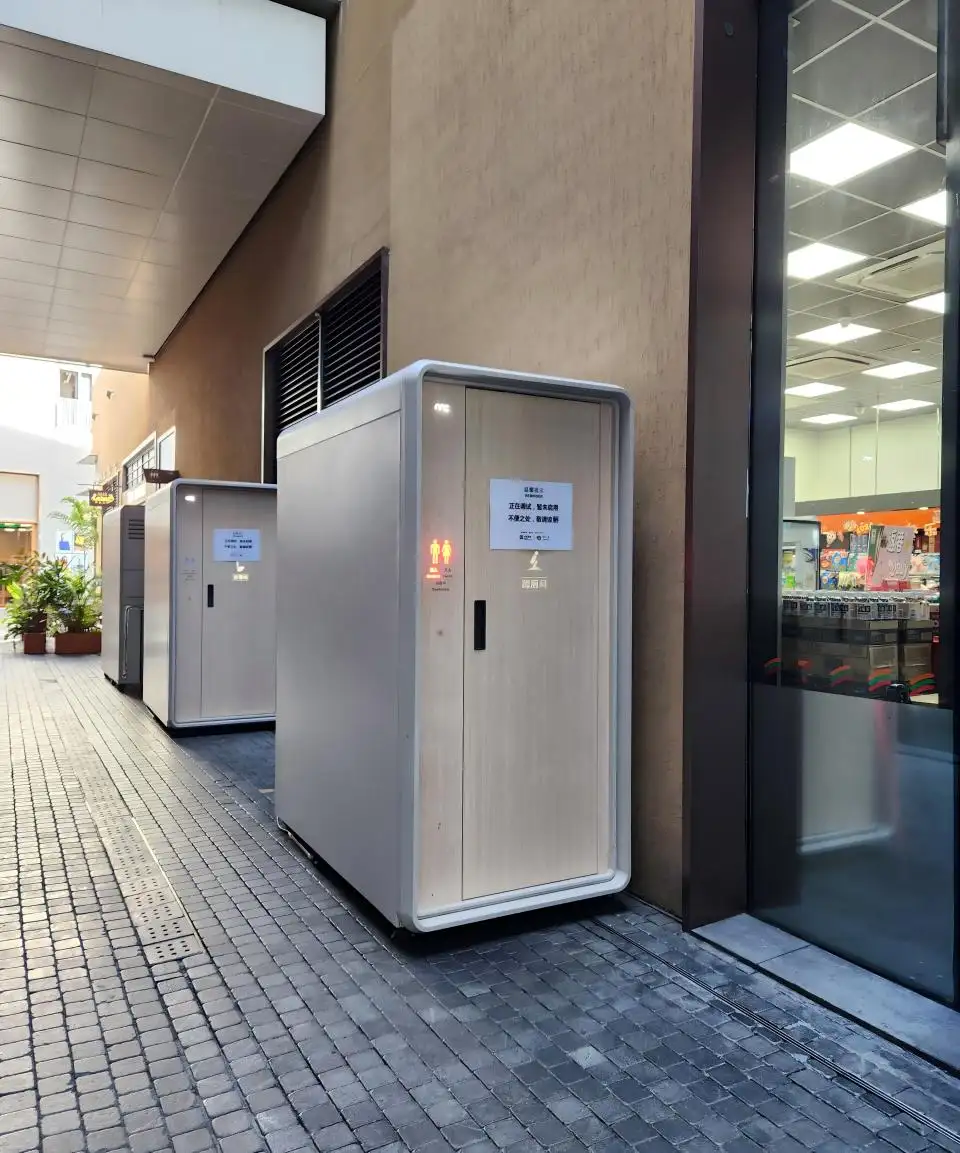
Portable Toilet With No Sewage Discharge
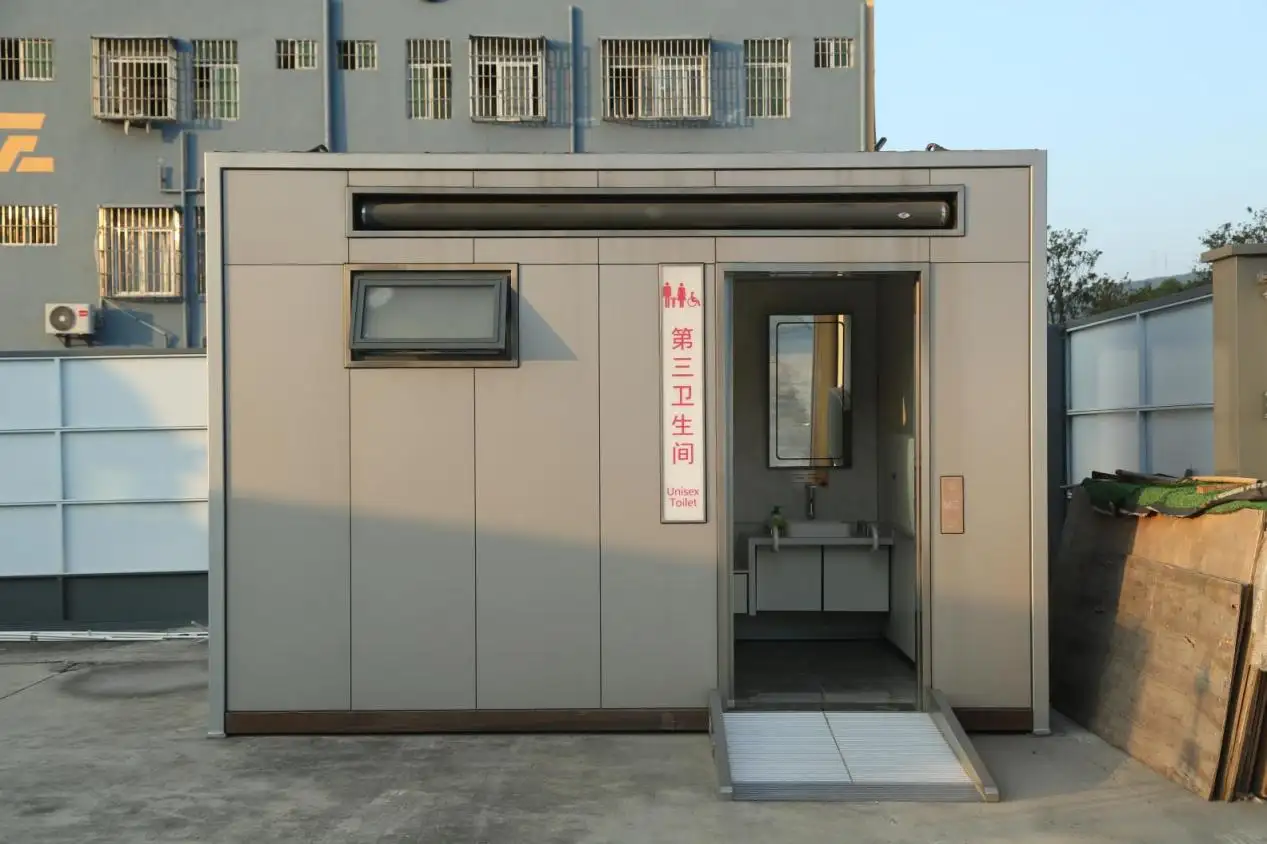
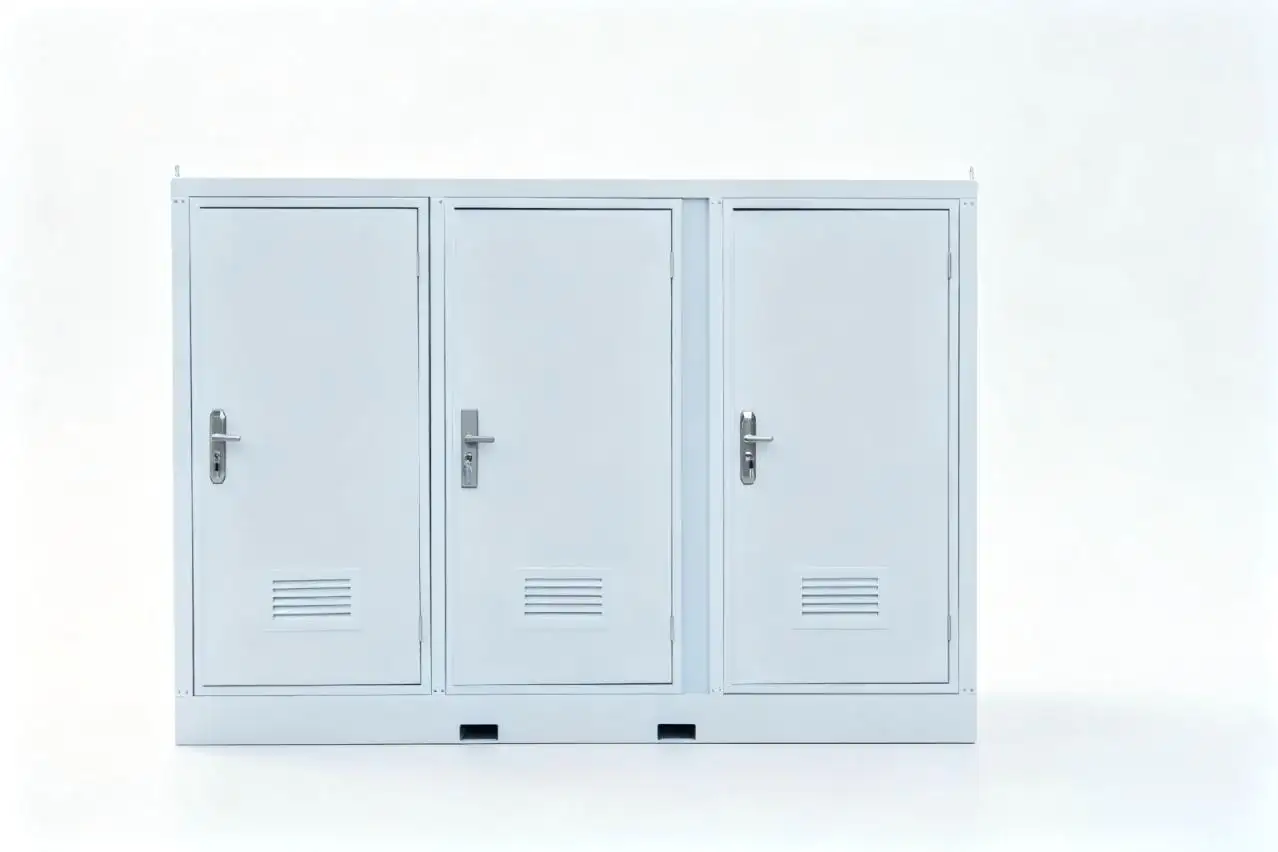
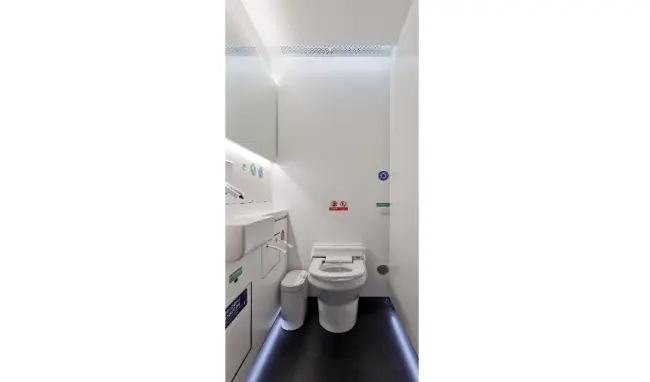
A Portable Toilet With No Sewage Discharge is designed for sites where permanent sewer infrastructure is unavailable or impractical. Construction zones, mining camps, parks, infrastructure projects, temporary events, and remote facilities may all require sanitation without continuous wastewater discharge.
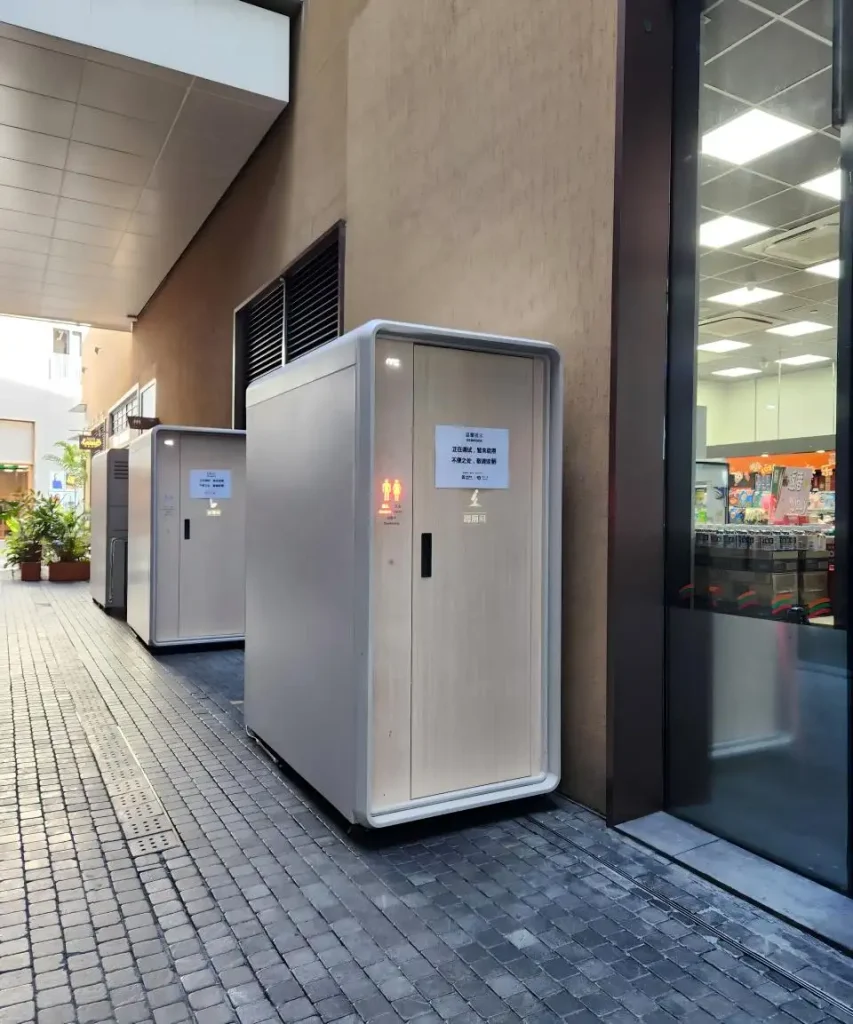
In engineering terms, “no sewage discharge” does not mean zero wastewater generation or zero disposal responsibility. Wastewater may be treated and reused on site, or contained for lawful off-site removal; the applicable method depends on site conditions and local requirements.
Most portable toilets with no sewage discharge projects, therefore, use one of two architectures:
•Water recycling and treatment
•Wastewater storage and scheduled pump-out
The correct choice depends on water availability, user volume, servicing access, energy supply, and project duration.
What Does No Sewage Discharge Actually Mean?
A conventional flushing restroom normally requires:
Fresh Water → Toilet / Basin → Drainage → Sewer or Septic System
A Portable Toilet With No Sewage Discharge replaces the final sewer connection with controlled wastewater management.
Typical configurations include:
•Integrated wastewater holding tanks
•External storage tanks or IBC systems
•Onboard wastewater treatment
•Recycled flushing-water systems
•Scheduled vacuum pump-out
A self-contained portable toilet still produces blackwater and, where wash basins are installed, graywater. These flows must be correctly separated, stored, treated, or transferred.
This distinction is important because a portable toilet without sewer connection is only truly self-contained when its water supply, waste capacity, ventilation, power, and servicing strategy are designed as one system.
How Does a Water Recycling System Work?
A water-recycling toilet treats a portion of its wastewater for controlled, non-potable flushing reuse, which may reduce freshwater demand depending on the system design and operating conditions.
The process generally follows these steps:
Collection → Solids Separation → Equalization → Filtration → Treatment → Disinfection → Reuse Tank → Flushing
In terms of Treatment, the system can include the following:
•Screening: Removes large solids and debris
•Equalization: Accommodates changes in flow and concentration
•Sedimentation or separation: Removes solids that are suspended
•Filtration: Removes smaller solids and protects downstream components of the system
•Biological or membrane treatment: Provides additional organic treatment
•Disinfection: Reduces microbial risk before treated water is considered for non-potable reuse, subject to the system design and applicable requirements
•Storage: Ensures the system maintains flushing-water capacity
Blackwater is more challenging to manage than graywater (generally from handwashing). Thus, our portable toilet system requires more treatment, odor control, maintenance, and other management strategies for blackwater.
Water recycling is most valuable when freshwater delivery is difficult, daily use is high, or the operating period is long.
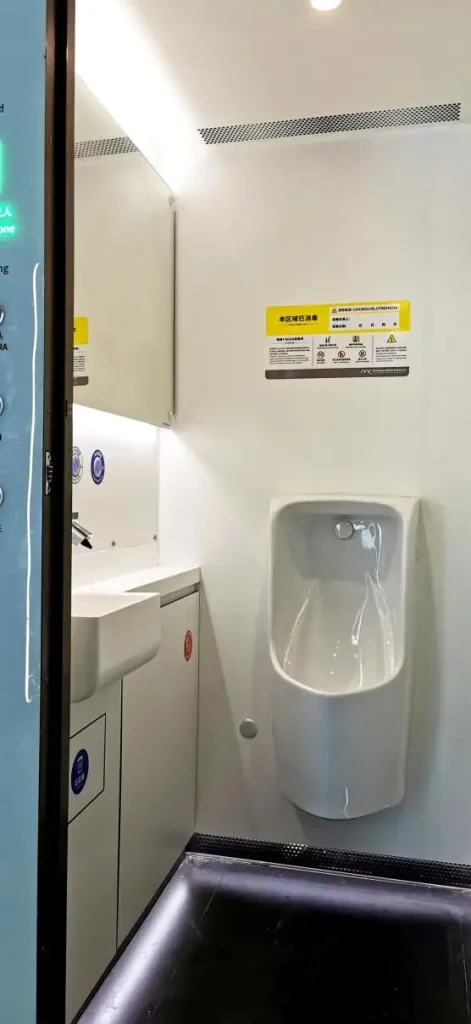
How Does Wastewater Storage Work?
A wastewater storage design is mechanically simpler:
Fresh Water Tank → Fixtures → Waste Collection → Sealed Holding Tank → Pump-Out
Instead of treating wastewater onboard, a mobile toilet with holding tank stores it until a service vehicle removes it for off-site treatment.
Main Advantages
•Fewer treatment components
•Lower control-system complexity
•Easier fault diagnosis
•Lower operator skill requirements
•Predictable maintenance procedure
•Suitable for temporary and relocatable facilities
The limitation is capacity. Every flush, handwashing cycle, and cleaning operation adds liquid to the waste tank.
For a Portable Toilet With No Sewage Discharge, insufficient holding capacity can quickly become the main operational bottleneck.
Water Recycling vs. Wastewater Storage
| Engineering Factor | Water Recycling | Wastewater Storage |
| Freshwater Demand | Lower | Higher |
| Waste Accumulation | Reduced by reuse | Continues until pump-out |
| System Complexity | Higher | Lower |
| Electrical Demand | Depends on treatment, pumping, monitoring, and site utilities | Depends on pumping, monitoring, and site utilities |
| Maintenance Skill | Higher | Lower |
| Pump-Out / Residual-Service Requirement | Depends on treatment performance, residuals, and service plan | Depends mainly on usable tank volume and service access |
| Main Failure Risk | Treatment/process failure | Tank overflow |
| Monitoring Focus | Water quality, pumps, filters | Tank level, service timing |
| Best Fit | Long-term or water-limited sites | Temporary or serviceable sites |
Neither system is automatically better. A Portable Toilet With No Sewage Discharge should be selected according to actual site logistics rather than simply choosing the most advanced treatment technology.
Tank Capacity: The Critical Engineering Calculation
For storage-based systems, tank sizing should begin with daily wastewater generation:
Daily Wastewater Volume ≈ Total Daily Uses × Wastewater Generated per Use
For a more realistic design, engineers should also add:
•Handwashing-water volume
•Cleaning-water consumption
•Peak-day occupancy
•Required pump-out interval
•Unusable tank volume
•Safety reserve
•Possible servicing delays
For example, if every one of 500 flushing cycles uses 1 L less water, the theoretical reduction is 500 L of freshwater use; the corresponding wastewater reduction depends on the complete water balance and any treatment losses.
Project Condition vs. Design Priority
| Site Condition | Priority |
| Frequent pump-out available | Smaller holding capacity may be practical |
| High traffic + limited servicing | Larger waste storage |
| Limited freshwater | Low-water flushing / recycling |
| Remote long-term operation | Treatment + monitoring |
| Temporary event | Simple storage + rapid servicing |
| Variable occupancy | Larger reserve + level monitoring |
Common Failure Points in No-Discharge Systems
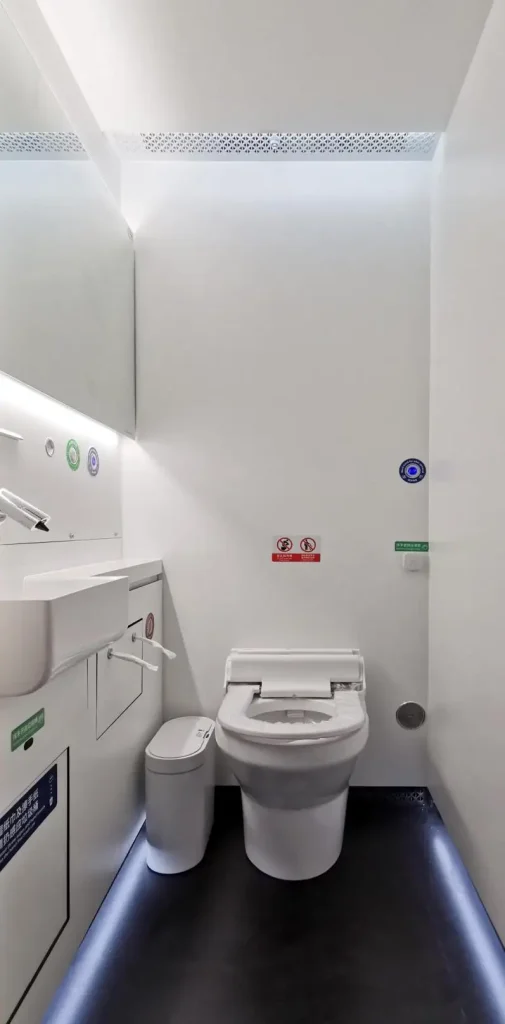
A Portable Toilet With No Sewage Discharge can have a strong structural shell but still perform poorly if its utility system is incorrectly designed.
Storage-System Risks
•Undersized wastewater tank
•Incorrect peak-use calculation
•Blocked or inaccessible pump-out connections
•Failed level sensors
•Poor tank ventilation
•Seal leakage
•Delayed servicing
Recycling-System Risks
•Filter fouling
•Excessive solids loading
•Pump blockage
•Treatment-process instability
•Insufficient disinfection
•Poor sludge-management access
•Inadequate maintenance space
Serviceability should therefore be considered during layout design. Pumps, filters, valves, tanks, and electrical components should be accessible without dismantling the complete restroom interior.
Why Level Monitoring Matters
Traditional servicing operates on a fixed schedule:
Time Interval → Inspection → Pump-Out
For a high-use Portable Toilet With No Sewage Discharge, condition-based servicing can be more practical:
Tank Level → Usage Data → Threshold Alarm → Maintenance Action
Useful monitoring points include:
•Freshwater tank level
•Wastewater tank level
•Daily usage count
•Pump operating status
•Power status
•Fault alarms
•Maintenance intervals
Wastewater level is particularly important because exceeding usable tank capacity can immediately stop restroom operation.
SAUDIND's Design Approach
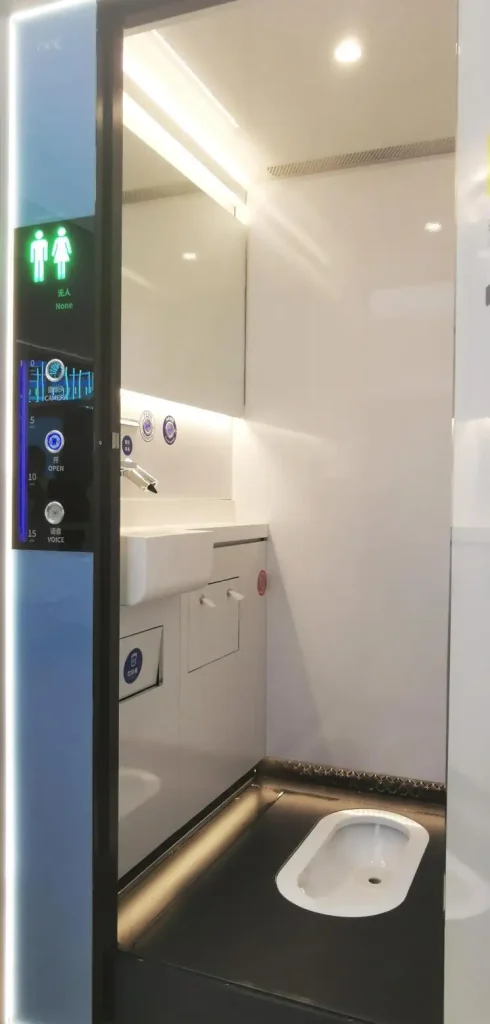
SAUDIND approaches a Portable Toilet With No Sewage Discharge as an integrated sanitation system rather than simply a toilet enclosure.
According to project conditions, the modular configuration can integrate:
•Onboard freshwater storage
•Wastewater holding tanks
•Water-saving flushing
•Optional wastewater treatment
•Tank-level monitoring
•Wash basins and plumbing
•Ventilation and odor management
•Electrical and smart-control systems
This modular approach allows water supply, flushing demand, waste capacity, power, ventilation, and servicing access to be considered together.
For remote or infrastructure projects, the configuration can also be adapted around expected daily users, climate, available utilities, pump-out frequency, and local wastewater-management requirements.
Choosing the Right Portable Toilet With No Sewage Discharge
An optimal Portable Toilet With No Sewage Discharge need not be the system featuring the largest waste tank or the most advanced recycling technology.
An appropriate specification should consider:
User Load + Water Supply + Wastewater Volume + Service Interval + Energy + Maintenance + Local Conditions
In the absence of sewer access, SAUDIND can assess the anticipated occupancy as well as the availability of water, the conditions for wastewater removal, the utilities available at the site, the environment in which it will operate, and can thus design a suitable modular sanitation system. For a more focused technical assessment, project layouts and anticipated daily usage can be provided.
FAQs
Q1. Can SAUDIND modify a Portable Toilet With No Sewage Discharge?
Yes. SAUDIND can design a sanitation system based on expected user volume, water supply, wastewater servicing conditions, site utilities, climate, and project duration.
Q2. Can SAUDIND provide a solution with fresh-water and wastewater tanks?
Yes. Where fixed water and sewer connections are unavailable, a Portable Toilet Without Sewer Discharge can be configured with a freshwater tank and a sealed wastewater holding tank, subject to the project requirements.
Q3. Does SAUDIND provide solutions for water recycling?
Yes. Water treatment and recycling can be planned according to specific project demands. The final treatment technology will depend on the type of wastewater, reuse needs, serviceability, and local jurisdiction.
Q4. How does SAUDIND determine the required wastewater tank volume?
Wastewater tank volume should consider the number of users per day, handwashing, flush volume, cleaning water, servicing frequency, unusable volume, and safety reserve.
Q5. Can SAUDIND provide a solution for a no-discharge toilet that requires less water?
Yes. It is possible to implement a water-saving flushing system to minimize freshwater use and to slow down the filling of the wastewater tank, thereby increasing the time between servicing cycles.
Written by
admin