


Updated 3 weeks ago
Portable Mobile Toilet Modular Design for Rapid Deployment and Relocation
admin
admin
Commercial Portable Toilet Supplier
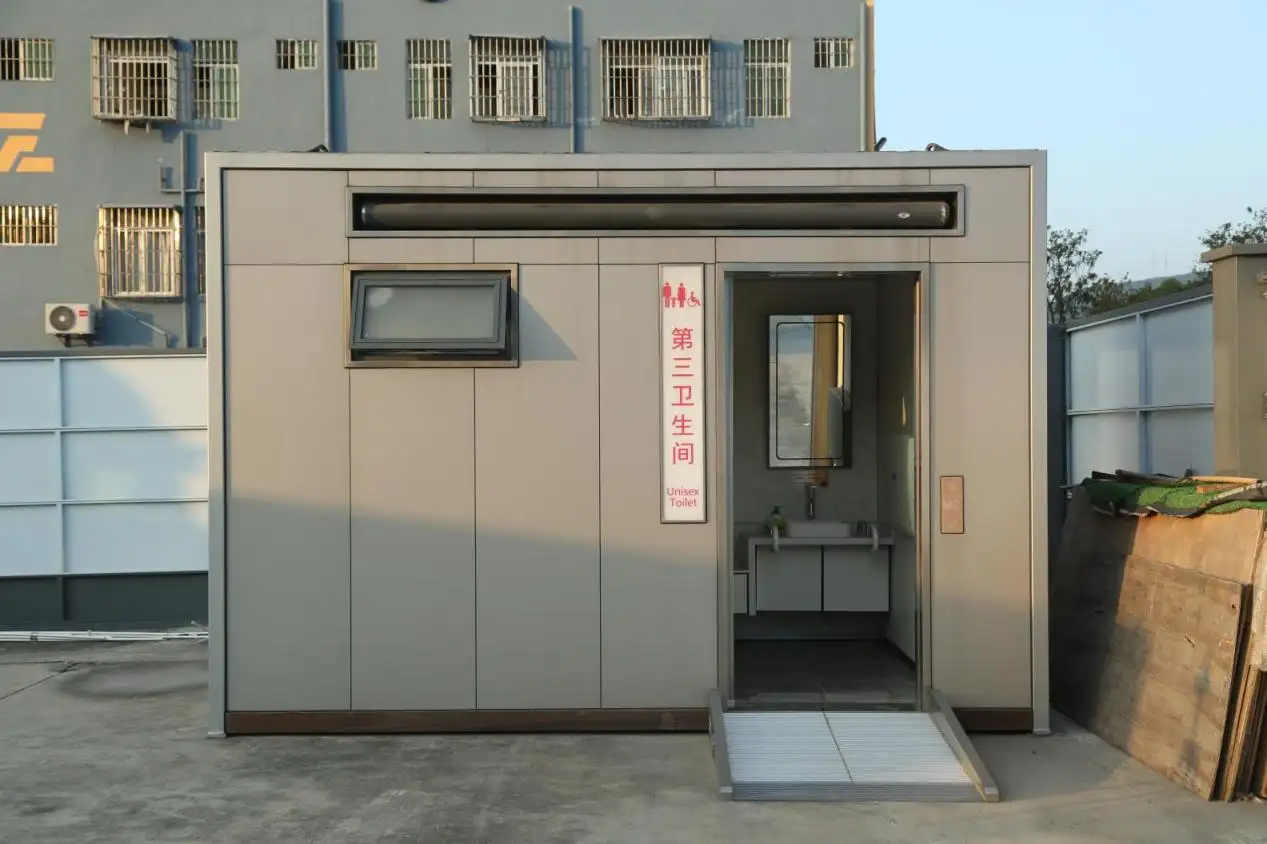
A Portable Mobile Toilet is often selected because a project needs sanitation quickly, but "portable" does not automatically mean easy to relocate. On construction sites, temporary camps, outdoor venues, and infrastructure projects, the real engineering question is whether the unit can be moved again without damaging the frame, plumbing, floor, seals, doors, or service connections.
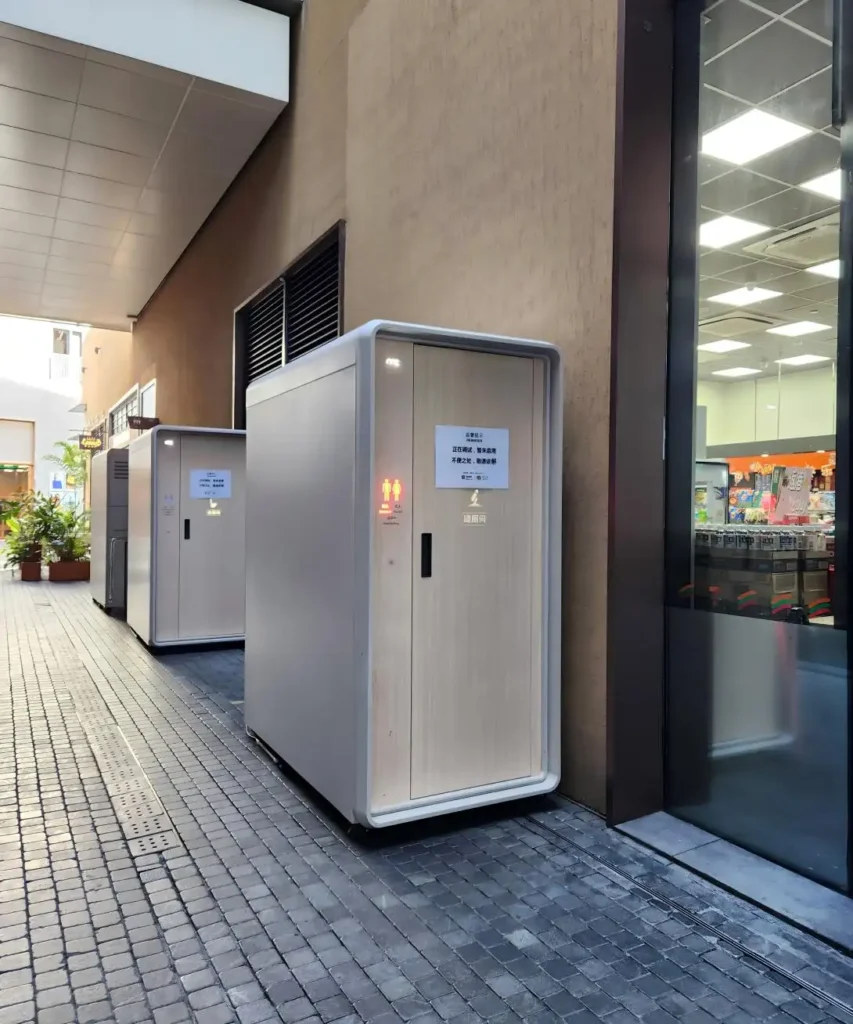
Buyers should evaluate a portable mobile toilet against lifting, transport, utility reconnection and servicing requirements.
Why Rapid Deployment Fails When Site Conditions Are Checked Too Late
Deployment time is influenced by more than assembly. Before delivery, the project team should verify truck and crane access, ground level, water and sewage availability, power supply, drainage position, lifting clearance, and service access.
A fully assembled unit can still remain unusable if the sewage point is on the wrong side or the site cannot support lifting equipment. Total deployment time should therefore include placement, leveling, utility connection, leakage testing, electrical checks, and commissioning.
How Modular Construction Supports Repeated Relocation
A relocatable Portable Mobile Toilet must withstand normal use and transport loads. Relocation introduces lifting forces, vibration, impact, frame twisting, and movement at plumbing joints.
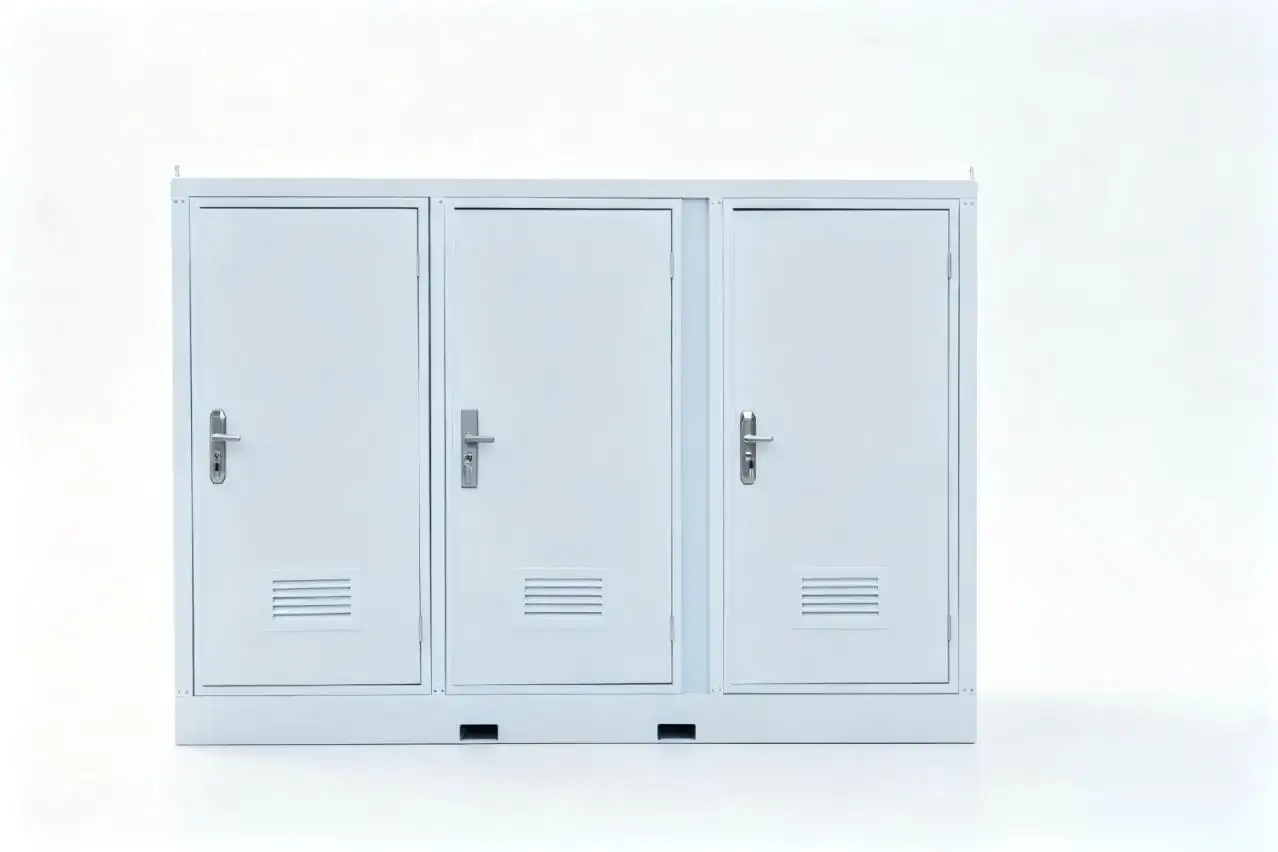
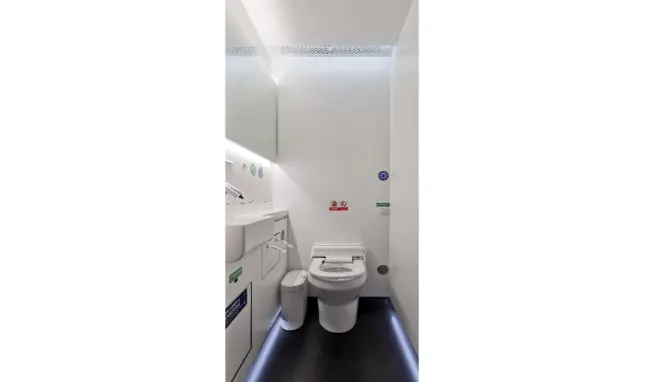
SAUDIND's detachable squat mobile toilet uses an electrostatic-painted steel frame, color-steel foam-board wall panels, and a 304 stainless steel floor. It also integrates a stainless-steel squat toilet, ceramic basin, louvered door, and top-hung window. These features support wet-area durability, ventilation, cleaning, and modular assembly.
The critical interfaces are the frame-to-floor connection, panel joints, door alignment, fixture supports, and plumbing joints. After repeated movement, these points should be inspected rather than assuming the cabin is ready for immediate reuse.
Fully Assembled or Assembled on Site?
The fastest solution depends on how often the project moves.
| Decision Factor | Delivered Fully Assembled | Delivered in Sections |
| First-Site Setup | Usually faster | Requires assembly |
| Transport Volume | Higher | Can be more compact |
| Field Labor | Lower | Higher |
| Joint Inspection | Limited | Required after reassembly |
| Long-Distance Logistics | May cost more | Can improve load efficiency |
A unit delivered fully assembled reduces field assembly. A detachable unit shipped in sections may reduce transport volume when several units are transported. The relocation plan should specify whether the unit will be moved intact or disassembled, because joints, seals, panels and fixtures may require rechecking.
The correct comparison is therefore not simply "which unit installs faster?" but which system requires less work across the entire relocation cycle.
Utility Architecture Determines Real Mobility
The next decision is whether the Portable Mobile Toilet will connect to municipal utilities or operate independently.
SAUDIND's smart public toilet range illustrates this difference. Its A1 configuration requires external water and sewage connections, while A2 can optionally connect to utilities and A3 is designed for plug-and-play deployment without dependence on water and sewage infrastructure.
| System | Deployment Advantage | Main Limitation |
| Municipal-Connected | Less tank servicing | More site plumbing work |
| Self-Contained | Flexible placement | Requires refill and pump-out |
| Hybrid | Adapts to changing sites | More system complexity |
Tank size must also match user demand. Larger tanks extend service intervals but increase operating mass, so tank capacity, lifting capacity, frame design, and relocation method must be considered together.
A representative SAUDIND smart public toilet weighs approximately 350 kg, operates at 220 V/50 Hz, has rated power of about 0.6 kW, and uses water-saving fixtures with flush volume at or below 3.5 L per use. These are model-specific values, but they demonstrate why weight, power, and water consumption belong in the deployment calculation instead of being treated only as specification-sheet data.
Crane or Forklift: Match the Moving Method to the Module
Crane lifting may be appropriate when the unit has engineered lifting points and limited forklift access. Forklift relocation can be faster on accessible sites, but only if the chassis and fork-entry design are suitable.
Buyers should request:
• Dry and operating weight
• Approved lifting points
• Forklift provisions
• Foundation requirements
• Relocation instructions
A lighter portable mobile toilet is not automatically safer. Structural stiffness, stability in wind and protection of internal components also need to be considered.
What Must Be Checked Before and After Every Move
Before moving the unit, take it out of service and isolate the power supply. Disconnect external water and waste lines where applicable, empty the waste tank when necessary, secure accessories, and clean and inspect the lifting points and frame.
• Level the unit before reconnecting services.
• Inspect door and wall-panel alignment.
• Reconnect water, drainage, and power.
• Test drainage and check for plumbing leaks.
• Confirm both ventilation and lights.
• Check sanitary fixtures, seals, and gaskets.
Assembly, installation, testing and relocation should be assessed as parts of the same deployment cycle. A portable mobile toilet that is quick to assemble may still need time for utility reconnection, inspection and commissioning before it can return to service.

Standards Still Matter for Temporary Units
Temporary or movable does not automatically mean exempt from project requirements.
For Saudi projects, buyers should verify the applicable Saudi Building Code requirements. SBC 201-2024 includes accessibility and toilet/bathroom provisions; SBC 701-2024 addresses water supply, plumbing fixtures, and sanitary drainage; and SBC 401-2024 covers electrical installation and verification.
Compliance should be checked against the specific project, location, configuration, and authority requirements rather than assumed from the word "portable."
What to Put in a Portable Mobile Toilet RFQ
A serious RFQ should request more than dimensions and fixture lists. Buyers should specify:
• Module dimensions and weight
• Utility interfaces
• Electrical load
• Lifting and transport method
• Installation requirements
• Tank capacity where applicable
• Relocation procedure
• Commissioning checks
• Project-specific customization
For projects that move units repeatedly, compare cost per deployment using the same project duration, operating requirements and planned number of deployments. Include the toilet-related costs of purchase, transport, lifting, assembly, utility reconnection, testing and servicing before dividing the total by the number of deployments.
SAUDIND manufactures portable and modular restroom systems in Riyadh and supplies standard or project-configured solutions for construction, municipal, and commercial applications. Its portfolio includes detachable, integrated, plug-and-play, and smart restroom configurations, allowing the structure and utility architecture to be matched to actual project conditions.
Project teams should compare relocation time, utility connections, handling requirements and maintenance access when selecting a portable mobile toilet. They can explore SAUDIND's modular restroom solutions and discuss site conditions, utility requirements and deployment plans before finalizing the configuration.
FAQs
Q1. Does SAUDIND manufacture modular Portable Mobile Toilet systems?
Yes. SAUDIND provides modular and portable restroom solutions designed for construction sites, municipal projects, commercial facilities, and temporary applications.
Q2. Can SAUDIND customize a Portable Mobile Toilet for specific project requirements?
Yes. Configuration can be discussed according to site layout, sanitation capacity, utility availability, restroom type, and installation requirements.
Q3. Does SAUDIND offer detachable Portable Mobile Toilet designs?
Yes. SAUDIND offers detachable mobile toilet configurations that can help improve transportation efficiency and support modular project deployment.
Q4. What materials are used in SAUDIND modular toilet structures?
Depending on the configuration, SAUDIND units can incorporate steel frames, insulated wall panels, stainless-steel flooring, ceramic basins, and corrosion-resistant sanitary components.
Q5. Can a SAUDIND Portable Mobile Toilet operate without permanent sewage infrastructure?
Certain configurations can be designed for more independent operation, while other units connect to external water and sewage systems. The correct system depends on site conditions.
Written by
admin