


Updated 3 weeks ago
Mobile Toilet for Outdoor Events: Touchless Fixtures and Hygiene Technology in 2026
admin
admin
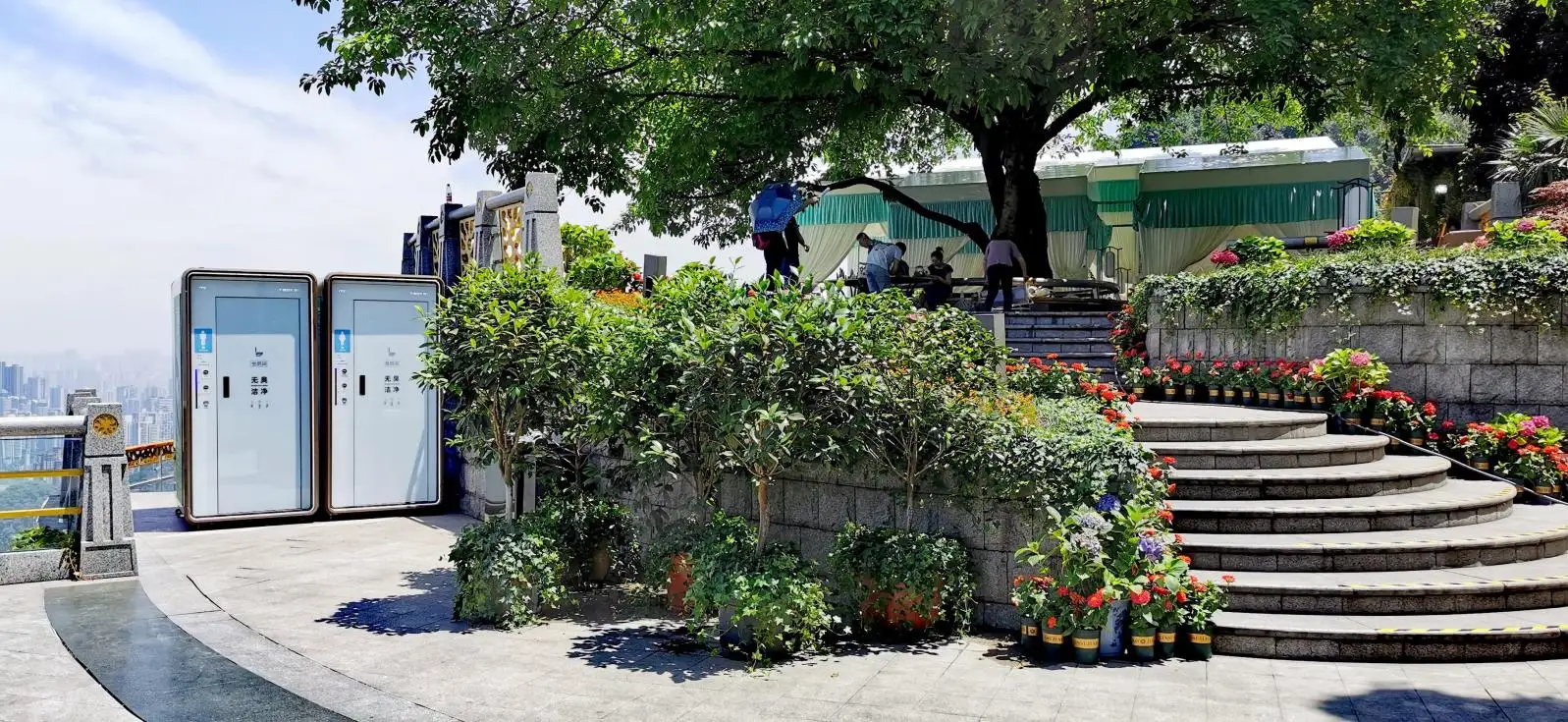
Mobile Toilet for Outdoor Events
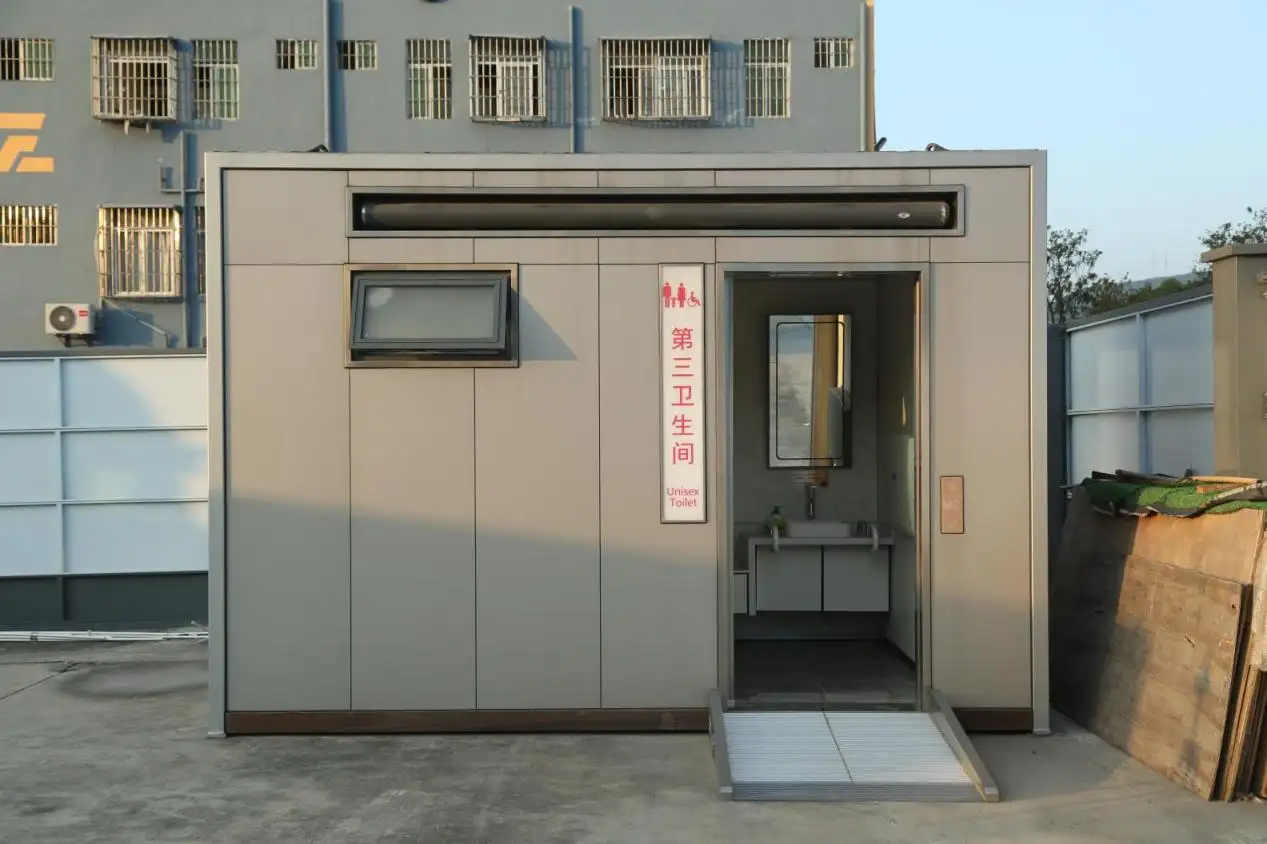
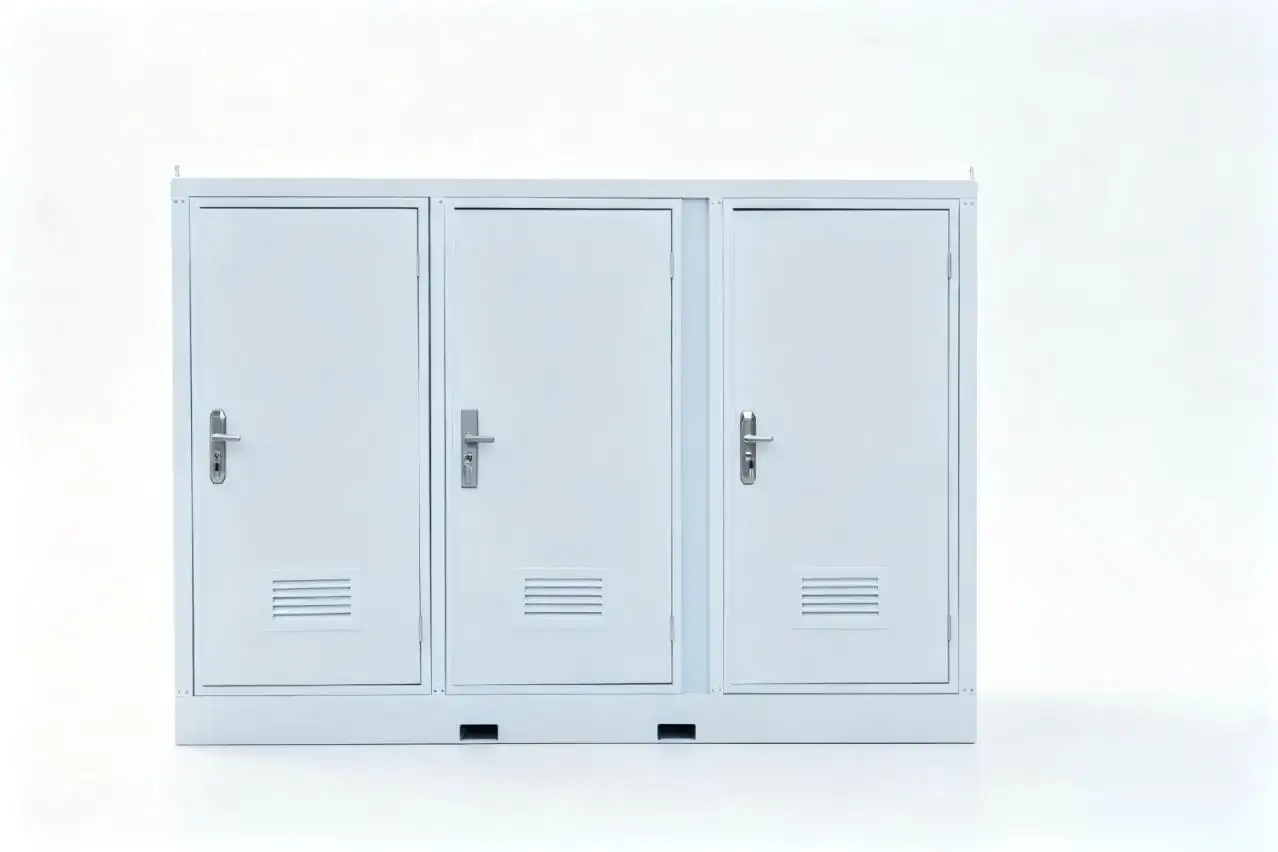
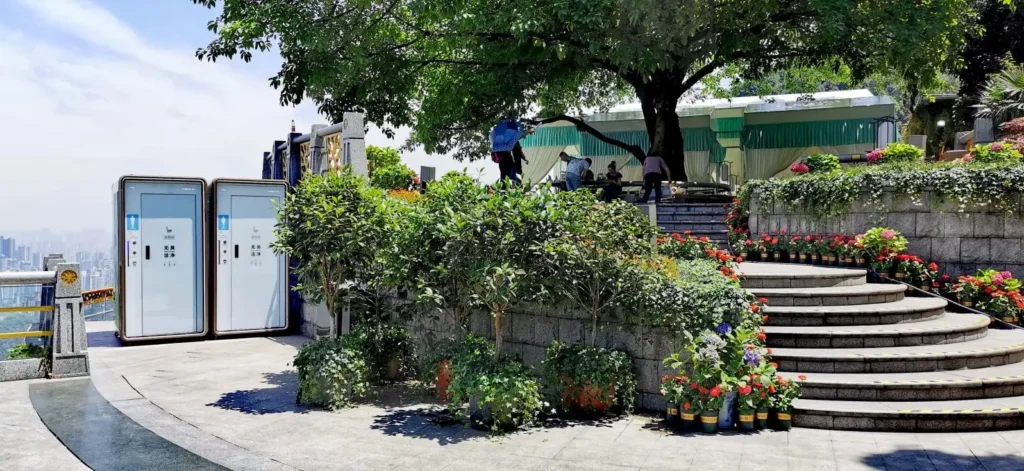
A Mobile Toilet for Outdoor Events operates under conditions that are very different from a permanent commercial restroom. Festivals, sports events, exhibitions, construction ceremonies, and temporary venues can generate intense usage peaks while water, electricity, drainage, and maintenance access remain limited.
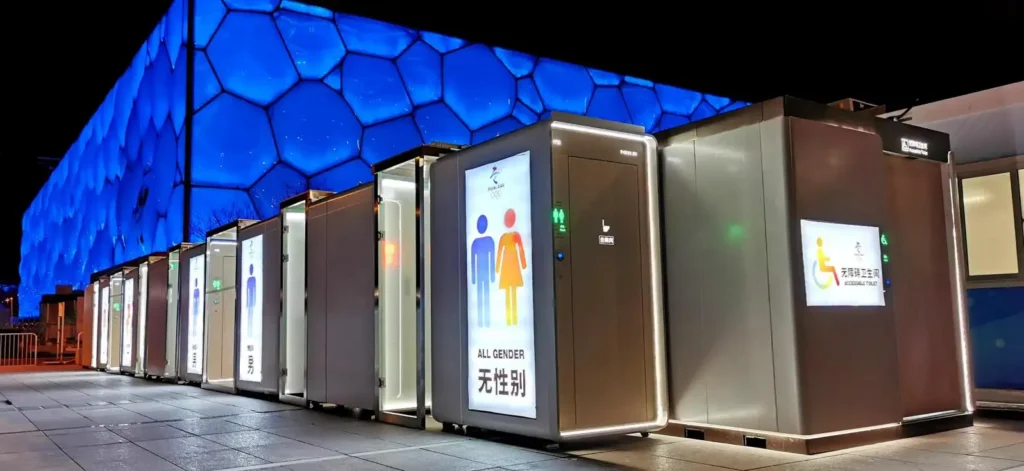
For outdoor events in 2026, touchless flushing, sensor faucets, automatic soap dispensers, IoT monitoring and hybrid power should be planned alongside fresh-water storage, wastewater capacity, ventilation, cleaning and service access. Fixture control and power supply must be coordinated with these operating requirements.
High-Traffic Hygiene Is a System Problem
During a large event, hygiene performance is influenced by more than hand contact.
Typical operational risks include:
• Soap or water running out during peak periods;
• Waste tanks reaching capacity earlier than expected;
• Sensor misactivation increasing water consumption;
• Batteries failing before the event ends;
• Clogged valves or dispensers taking a stall out of service;
• Cleaning intervals being too long for actual traffic;
• Poor ventilation increasing odor inside the cabin.
For this reason, touchless technology should reduce unnecessary contact without replacing routine cleaning, handwashing, consumable control, or waste servicing.
How Touchless Fixtures Perform in Outdoor Conditions
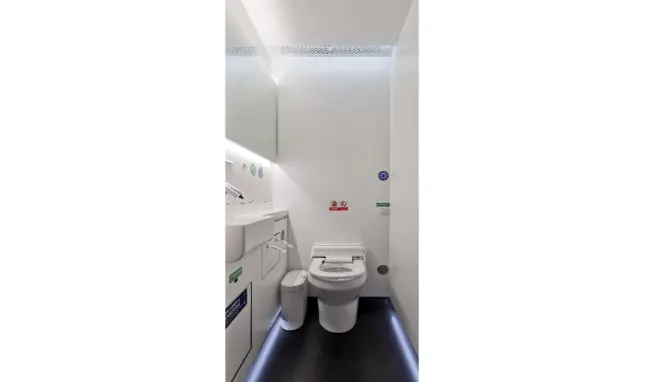
A touchless Mobile Toilet for Outdoor Events may use sensors for flushing, faucets, soap dispensing, lighting, occupancy detection, or tank monitoring.
Several parameters directly affect reliability.
Sensor Detection and Trigger Logic
The sensor must detect the intended user without responding to nearby movement, cleaning activity, reflected light, or changing outdoor conditions.
Buyers should evaluate:
• Detection range;
• Response time;
• Activation duration;
• False-trigger behavior;
• Reset logic;
• Manual override;
• Environmental operating limits.
A poorly configured water-control sensor can cause unnecessary faucet or flush activation, increasing water use and wastewater generation. For battery-powered fixtures, this can also increase energy demand.
Environmental Protection
Outdoor equipment must also tolerate moisture, dust, cleaning chemicals, heat, and repeated servicing. Electrical enclosures should therefore be evaluated according to documented protection ratings rather than generic descriptions such as "waterproof."
For Saudi Arabia and GCC projects, temperature resistance, solar exposure, dust intrusion, insulation, and forced ventilation become especially important.
Sensor, Foot-Pedal, or Manual Control?
Touchless does not always mean electronic.
| Control Method | Sensor | Foot pedal | Manual control | Sensor + IoT |
| Hand Contact | Very low | Very low | Higher | Very low |
| Power Requirement | Usually yes | Usually no | Usually no | Yes |
| Maintenance Complexity | Higher | Low | Lowest | Highest |
| Best Application | High-traffic premium events | Remote or rugged sites | Basic cost-sensitive deployment | Large events requiring remote monitoring |
A sensor system may improve user convenience, but a mechanical foot-pedal system can sometimes offer better field reliability where power is limited.
For procurement teams, the critical question should be:
What happens when the electronic system fails?
When specifying a mobile toilet for outdoor events, buyers should consider manual backup, accessible components, replaceable valves and rapid field servicing.
Water, Waste, and Power Must Be Sized Together
Touchless technology changes utility demand.
Fresh-Water Demand
For flushing:
Daily Flush Demand = Daily Uses × Flushes per Use × Water per Flush
Handwashing demand depends on:
Faucet Flow Rate × Activation Time × Number of Uses
Even a small change in flow or activation time becomes significant when thousands of users pass through a venue.
Wastewater Capacity
More water entering the system means more wastewater leaving it.
This creates a direct chain:
For a waste-holding system with unchanged tank capacity and flush volume: Flush frequency ↑ → Fresh-water demand ↑ → Waste volume ↑ → Pump-out frequency ↑
This is why water efficiency affects not only sustainability but also service logistics and operating cost.
Power Architecture
A smart Mobile Toilet for Outdoor Events may include:
• Sensor faucets;
• Flush valves;
• Lighting;
• Ventilation;
• Occupancy sensors;
• Tank-level sensors;
• IoT gateways;
• Monitoring displays.
These loads should be considered together when selecting battery, grid, or solar-hybrid power.
SAUDIND offers modular restroom configurations that can incorporate solar, grid, or hybrid power together with touch-free fixtures and IoT-enabled monitoring.
Commissioning Before Event Opening
A mobile restroom should not be considered ready simply because it has been delivered to site.
Before gates open, the operator should verify:
Fixture Function
• Flushing response;
• Faucet activation;
• Soap dispensing;
• Lighting;
• Ventilation;
• Occupancy sensing;
• Manual override.
Utility Status
• Fresh-water level;
• Waste-tank capacity;
• Battery state;
• Charging function;
• Water pressure;
• Drain and service connections.
Site Conditions
Sensor systems should be tested under actual daylight, temperature, dust, and cleaning conditions. A sensor calibrated inside a factory may behave differently outdoors.
For high-capacity deployments, monitoring water level, waste level, usage, or maintenance status can help service teams respond before a unit becomes unavailable.
Maintenance Should Focus on Serviceability
A Mobile Toilet for Outdoor Events may require frequent attention during multi-day festivals.
Good system design should allow technicians to reach:
• Solenoid valves;
• Batteries;
• Controllers;
• Dispensers;
• Pumps;
• Filters;
• Service panels
• Technicians should be able to access these components without dismantling the entire interior.
Maintenance planning should also distinguish between:
• Preventive servicing: Refill soap, check the water supply, empty waste tanks and clean fixtures.
• Corrective servicing: Replace sensors, valves, batteries, pumps, or control components.
A sophisticated sensor system has limited value if a failed component takes several hours to access or replace.
Verify Performance Claims with Technical Evidence
Procurement teams should separate marketing terminology from measurable specifications.
For a Mobile Toilet for Outdoor Events, useful verification may include:
| Claim | Evidence to Request |
| Water resistant electronics | Applicable IP test or rating |
| Antimicrobial surface | Test method and laboratory report |
| High-temperature operation | Operating-temperature specification |
| Water-saving flush | Actual L/flush data |
| Long battery life | Battery capacity and load calculation |
| Smart monitoring | List of monitored parameters and communication method |
| Accessible design | Applicable layout and accessibility documentation |
For U.S. public-event sanitation, ANSI/PSAI Z4.4-2025 is relevant to nonsewered sanitation systems used by the general public. Accessibility requirements should also be reviewed against applicable ADA provisions and local codes.
SAUDIND Engineering for Outdoor Event Projects
SAUDIND Portable Toilets configures outdoor-event sanitation systems to match fixture, utility and servicing requirements.
Its Riyadh manufacturing base supports modular restroom projects with options that can include:
• Touch-free fixtures;
• IoT monitoring;
• Solar, grid, or hybrid power;
• Insulated structures;
• Forced ventilation;
• Accessible layouts;
• Project-based installation and servicing.
SAUDIND's Riyadh facility covers approximately 15,000 m² with production capacity of around 1,000 units per month, while standard units are designed for ambient conditions up to 55°C. These capabilities are particularly relevant for temporary sanitation projects in Saudi Arabia and other hot-climate markets.
A Better RFQ for a Mobile Toilet for Outdoor Events
Before requesting a quotation, buyers should define the event first.
Provide the supplier with:
• Expected attendance;
• Peak users per hour;
• Event duration;
• Available water and power;
• Pump-out access;
• Climate conditions;
• Accessibility requirements;
• Desired cleaning interval;
• Monitoring requirements;
• Installation and removal schedule.
With this information, the supplier can determine the appropriate fixture configuration, tank sizing, power architecture, ventilation, touchless controls and service plan.
For outdoor events, hygiene technology should be selected for reliable operation throughout the event, with sensor provision matched to the actual fixture and monitoring requirements.
SAUDIND provides modular mobile restroom solutions designed around traffic, climate, utilities, layout, and service requirements. For outdoor-event sanitation projects, visit https://www.restroomtech.com/ to explore suitable touchless, smart, and modular configurations.
FAQs
Q1. Does SAUDIND provide a Mobile Toilet for Outdoor Events with touchless fixtures?
Yes. SAUDIND can configure mobile and modular restroom solutions with touch-free fixtures such as sensor-operated flush valves and faucets, depending on project requirements.
Q2. Can SAUDIND customize a Mobile Toilet for Outdoor Events for festivals and sports events?
Yes. SAUDIND supports project-based configurations for different attendance levels, event durations, layouts, utility conditions and service requirements.
Q3. Can SAUDIND integrate IoT monitoring into mobile toilets?
SAUDIND offers smart restroom configurations that can incorporate IoT monitoring of usage status to support maintenance management, depending on the selected system.
Q4. What power options are available for SAUDIND mobile toilets?
SAUDIND mobile restroom projects can be configured around grid power, solar power or hybrid power, depending on site conditions and the electrical load of the installed systems.
Q5. Are SAUDIND mobile toilets suitable for hot outdoor environments?
SAUDIND designs mobile sanitation systems for demanding outdoor environments. Its standard units are stated to support ambient conditions up to 55°C, with insulation and forced ventilation available for hot-climate projects.
Written by
admin