


Updated 4 weeks ago
Portable Toilet with a Hand-Wash Basin: Ceramic vs. Stainless Steel for Long-Term Use
admin
admin

Prefabricated Toilets
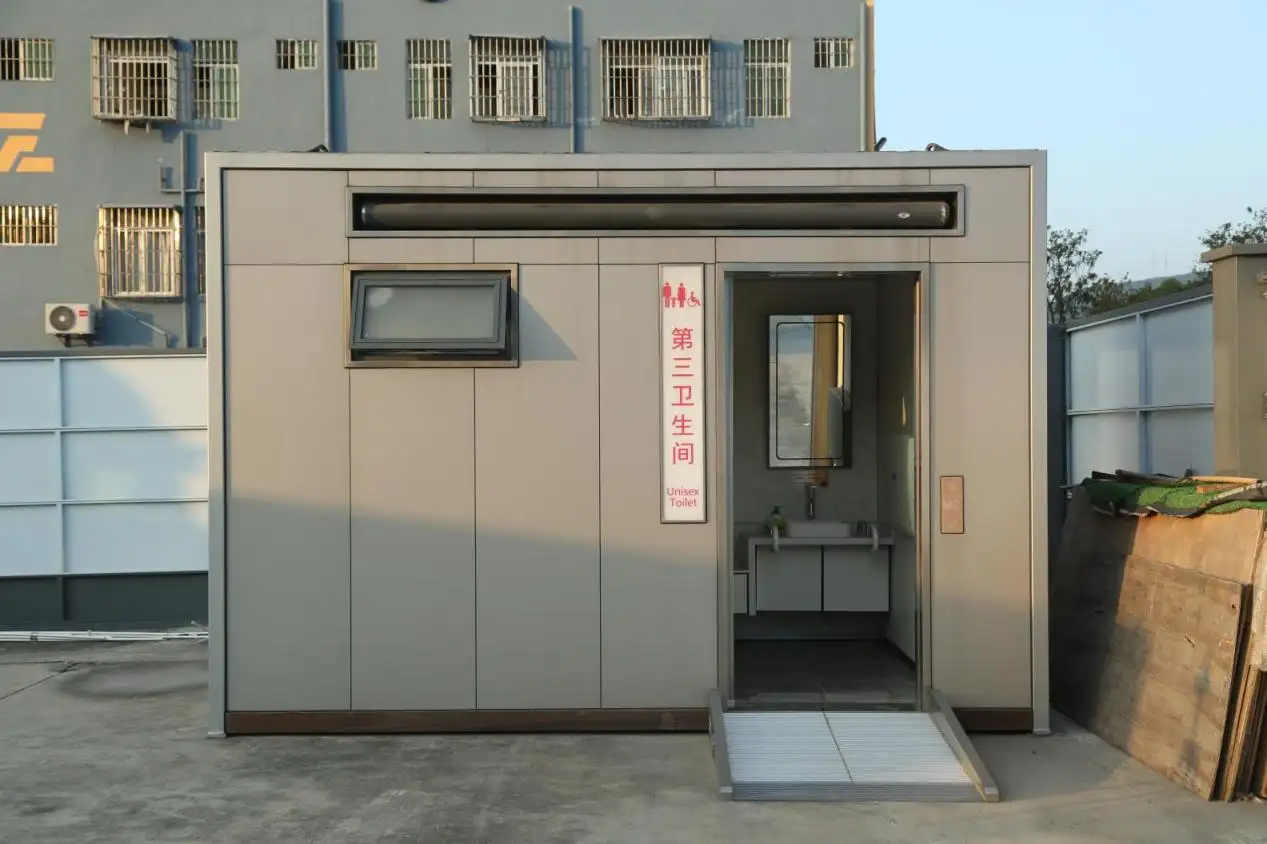
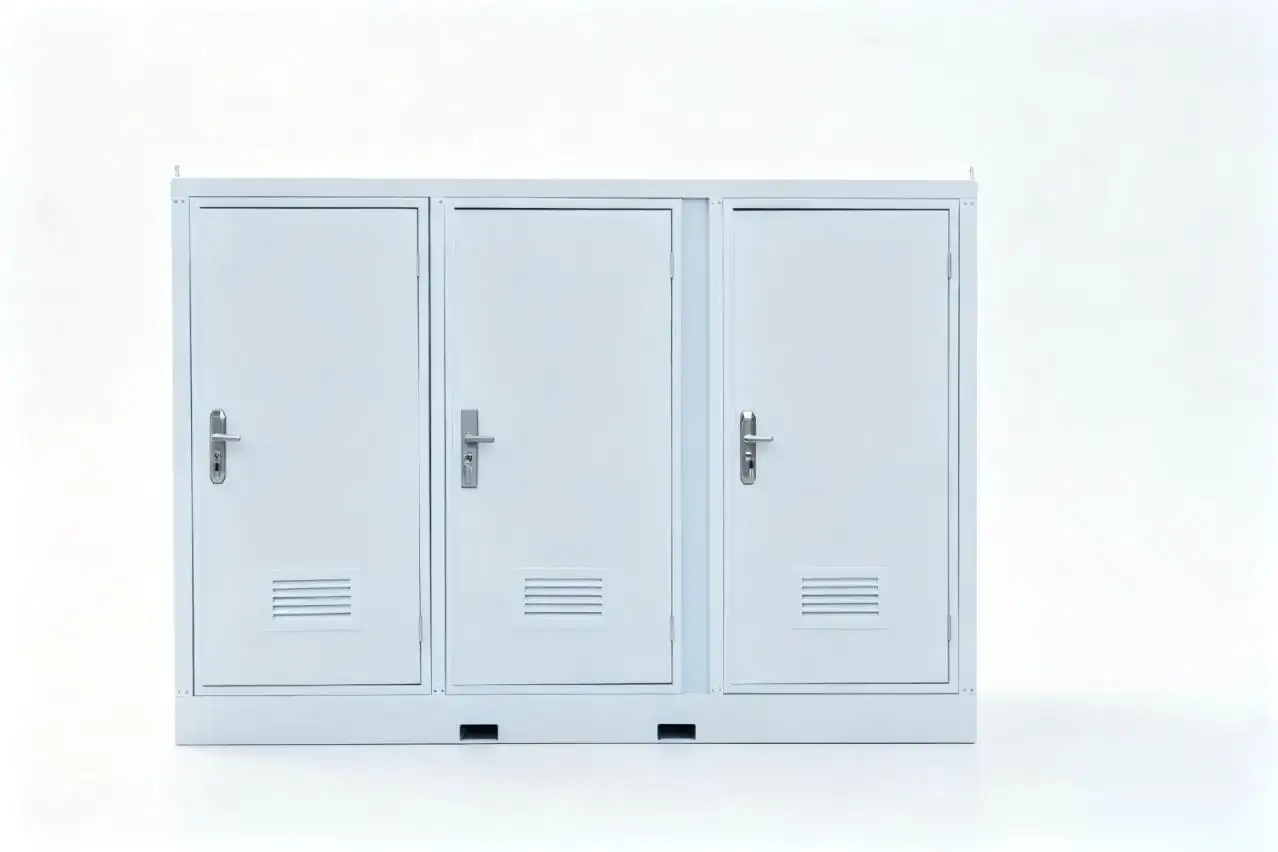
For a portable toilet with a hand-wash basin, the basin material affects transport durability, cleaning methods, corrosion risk, plumbing access, replacement time and long-term operating cost.
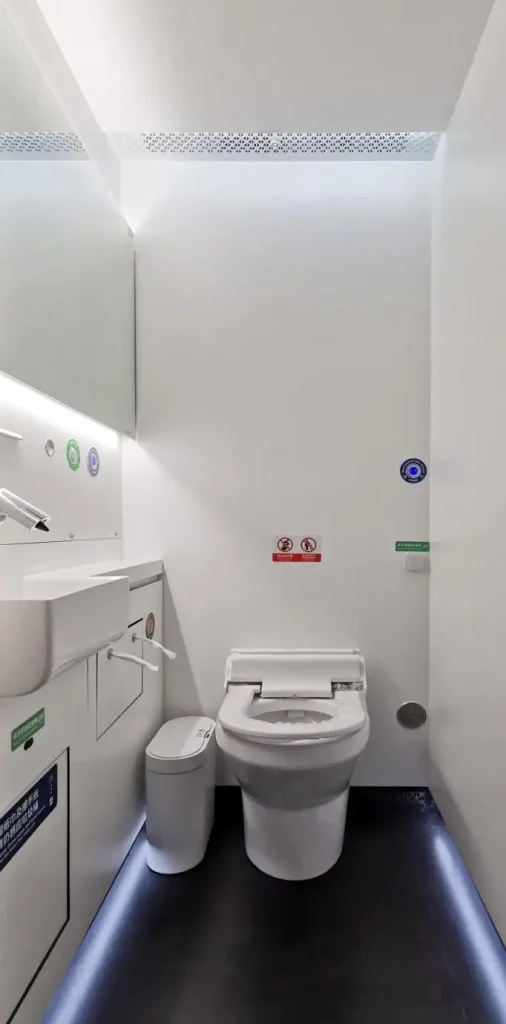
This matters because a portable restroom experiences conditions that a fixed building restroom normally does not: lifting, road vibration, repeated relocation, uneven site foundations, intensive cleaning, and changing water-supply arrangements.
SAUDIND Portable Toilets evaluates basin materials, mounting and plumbing together when configuring the sanitation module.
Why Portable Use Changes Basin Requirements
A basin installed in a permanent restroom is largely protected from movement. A portable toilet with a hand-wash basin may be moved between construction sites, infrastructure projects, event locations or temporary accommodation areas.
Before choosing ceramic or stainless steel, project engineers should define:
•Expected users per day
•Frequency of relocation
•Transport distance and route conditions
•Cleaning frequency
•Cleaning chemical type
•Coastal, humid, or chloride exposure
•Risk of accidental impact or vandalism
•Freshwater source
•Wastewater discharge method
•Required field-service access
These variables determine which failure mode is more important.
For ceramic, the concern is usually cracking or chipping caused by impact or structural movement. For stainless steel, the concerns shift toward denting, scratching, fabrication quality, and corrosion under unsuitable environmental or cleaning conditions.
Ceramic and Stainless Steel Fail Differently
Ceramic wash basins use a hard glazed surface that is smooth, familiar, and relatively resistant to staining. Their weakness is not normal washing—it is concentrated mechanical stress.
In a portable restroom, ceramic basin reliability depends heavily on:
•Frame stiffness
•Correct support points
•Basin mounting geometry
•Fastener loading
•Transport vibration
•Plumbing alignment
If the restroom frame twists or the basin is over-constrained during installation, stress can be transferred into the ceramic body.
Stainless steel behaves differently. It does not normally fail through brittle fracture, making it attractive for high-impact or frequently relocated units. However, steel grade, sheet thickness, welding, surface finish, and chemical exposure still matter.
This is why "stainless steel basin" is not a complete technical specification.
Ceramic vs. Stainless Steel for Long-Term Use
| Evaluation Point | Ceramic Basin | Stainless Steel Basin |
| Impact response | Hard but brittle | More tolerant of impact; can dent |
| Suitability for Transport and Relocation | Better with rigid, stable mounting | Often suited to frequent relocation |
| Surface character | Smooth glazed finish | Brushed or polished metal |
| Cleaning | Good with compatible cleaners | Good, but cleaner chemistry matters |
| Corrosion concern | No metallic pitting | Depends on grade and environment |
| Vandal resistance | Moderate | Generally stronger |
| Weight | Typically higher | Can be lighter depending on construction |
| Field repair | Usually replacement after cracking | Dented basins may remain usable, depending on severity |
| Main design risk | Mounting stress and fracture | Corrosion, deformation, fabrication quality |
| Typical fit | Long-term, lower-impact installation | Rental, public, high-impact use |
The important point is that neither option is automatically superior.
A relatively stationary portable toilet with a hand-wash basin may benefit from ceramic when a conventional restroom appearance and smooth glazed surface are priorities. A frequently relocated rental fleet may place greater value on impact tolerance and easier fixture replacement.
Select the Stainless Steel Grade for Site Conditions
If stainless steel is selected, the grade must still be matched to the site.
304 stainless steel is commonly used in sanitary and architectural applications. Corrosion risk can increase with chloride exposure, such as coastal salt exposure or aggressive cleaning with chloride-containing products.
For more demanding projects, procurement specifications should consider:
•Sheet thickness
•Weld finishing
•Surface treatment
•Chloride exposure
•Cleaning chemicals
•Material certification
Specifying a higher-grade alloy without evaluating the actual environment can increase cost unnecessarily. At the same time, specifying only "stainless steel" provides too little information for meaningful quality control.
The Basin Must Match the Water System
The basin material is only one part of a portable toilet with an integrated hand-wash basin.
The complete hand-washing system includes:
Faucet → Basin → Waste Outlet → Trap/Pipe → Wastewater System
At the same time, water demand follows:
Daily freshwater demand depends on the number of handwashes per day and the water used per wash. Water per wash depends on faucet flow and running time.
For self-contained portable units, the relationship directly affects refill and wastewater-service intervals.
For example, increasing faucet flow may improve user comfort, but it can also:
•Increase freshwater consumption
•Shorten refill intervals
•Increase wastewater volume
•Increase servicing frequency
•Raise operating cost
This is why SAUDIND evaluates wash-basin configuration together with the complete restroom layout, utility connection, tank arrangement, and intended site use.

Basin Geometry Controls Splash and Floor Wetness
Two basins made from the same material can perform very differently.
Important dimensions include:
•Basin depth
•Internal width
•Faucet height
•Faucet reach
•Outlet position
•Internal corner radius
A high faucet combined with a shallow basin can create excessive splash. In a compact portable restroom, this may lead to persistent floor wetness, additional cleaning, slip risk and moisture accumulation around joints.
Therefore, good wash-area engineering requires the faucet and basin geometry to be checked as one assembly.
Mounting Can Matter More Than Basin Material
For portable restroom engineering, the fixture-to-frame interface is critical.
A reliable installation should control basin movement without creating unnecessary stress.
Key details include:
Structural Support
Basins mounted on stud walls must be supported by framing securely connected to the wall structure.
Drain Alignment
The waste outlet must remain aligned after transport and temporary installation on site.
Plumbing Protection
Connections should be accessible while protected against pulling, vibration, and accidental impact.
Replacement Access
The fixture should be removable without dismantling a large portion of the interior.
SAUDIND portable restroom configurations can combine ceramic sanitary fixtures with structural steel framing and stainless-steel wet-area components. This mixed-material approach is useful because each material is selected for a different function rather than applying one material everywhere.
Cleaning Chemistry Is Part of the Specification
"Easy to clean" is too general for long-term procurement.
For ceramic, aggressive abrasive cleaning can gradually affect the glazed surface. For stainless steel, inappropriate chloride-based chemicals or contaminated abrasive tools can increase discoloration and localized corrosion risk.
A maintenance specification for a portable toilet with a hand-wash basin should define:
•Approved cleaner type
•Dilution ratio
•Contact time
•Cleaning frequency
•Rinse procedure
•Tools or brushes permitted
•Joint and drain cleaning method
The basin should also be evaluated together with the faucet, sealant, drain, splash zone, and surrounding floor.
Standards Should Be Verified at Project Level
Material selection should also be checked against the plumbing requirements applicable to the project location.
Depending on the destination market, verification may include:
•Plumbing fixture material requirements
•Wash-basin dimensional requirements
•Water-supply connection rules
•Drainage requirements
•Faucet performance
•Installation method
•Ceramic or stainless sanitary-fixture standards
•Material certificates
Compliance should be supported by drawings, specifications, certificates, or test documentation where required—not inferred simply from the words "ceramic" or "stainless steel."
Choose by Deployment Profile, Not Purchase Price
For a portable toilet with a hand-wash basin, select the basin material to suit the operating environment.
Ceramic deserves stronger consideration when:
•The unit remains relatively stationary
•Appearance is important
•Structural support is rigid
•Impact risk is controlled
Stainless steel deserves stronger consideration when:
•Units are relocated frequently
•Vandalism or impact risk is higher
•Fast field servicing is important
•An industrial finish is acceptable
The final decision should consider purchase cost together with transport damage, cleaning labor, replacement parts, downtime, corrosion exposure, and service access.
SAUDIND coordinates the wash basin with the restroom frame, plumbing layout, wet-area materials, utilities and project conditions. Buyers planning construction sites, camps, public facilities or temporary infrastructure can review SAUDIND's portable restroom solutions at restroomtech.com and discuss basin, plumbing and installation requirements before finalizing the project specification.
FAQs
Q1. Does SAUDIND manufacture portable toilets with hand-wash basins?
Yes. SAUDIND provides portable and modular restroom solutions that can integrate wash basins, sanitary fixtures, plumbing, and wet-area components according to project requirements.
Q2. What basin material does SAUDIND use in its portable restroom solutions?
SAUDIND publicly shows ceramic wash basins in selected portable restroom configurations. Basin specifications should be confirmed according to the selected unit and project requirements.
Q3. Can SAUDIND customize a portable toilet with a hand-wash basin?
Yes. Portable restroom configurations can be adapted according to project drawings, utility conditions, internal layout requirements, and intended applications.
Q4. Can SAUDIND provide stainless steel components in portable toilets?
Selected SAUDIND configurations use stainless steel components such as faucets and 304 stainless steel flooring. Exact materials should be confirmed for each project.
Q5. How does SAUDIND select a basin for frequently relocated portable toilets?
The selection should consider transport frequency, structural support, impact risk, maintenance access, cleaning requirements, and the expected operating environment.
Written by
admin