


Updated 4 weeks ago
Portable Toilets for Building Sites: Handwashing and Hygiene Station Requirements
admin
admin
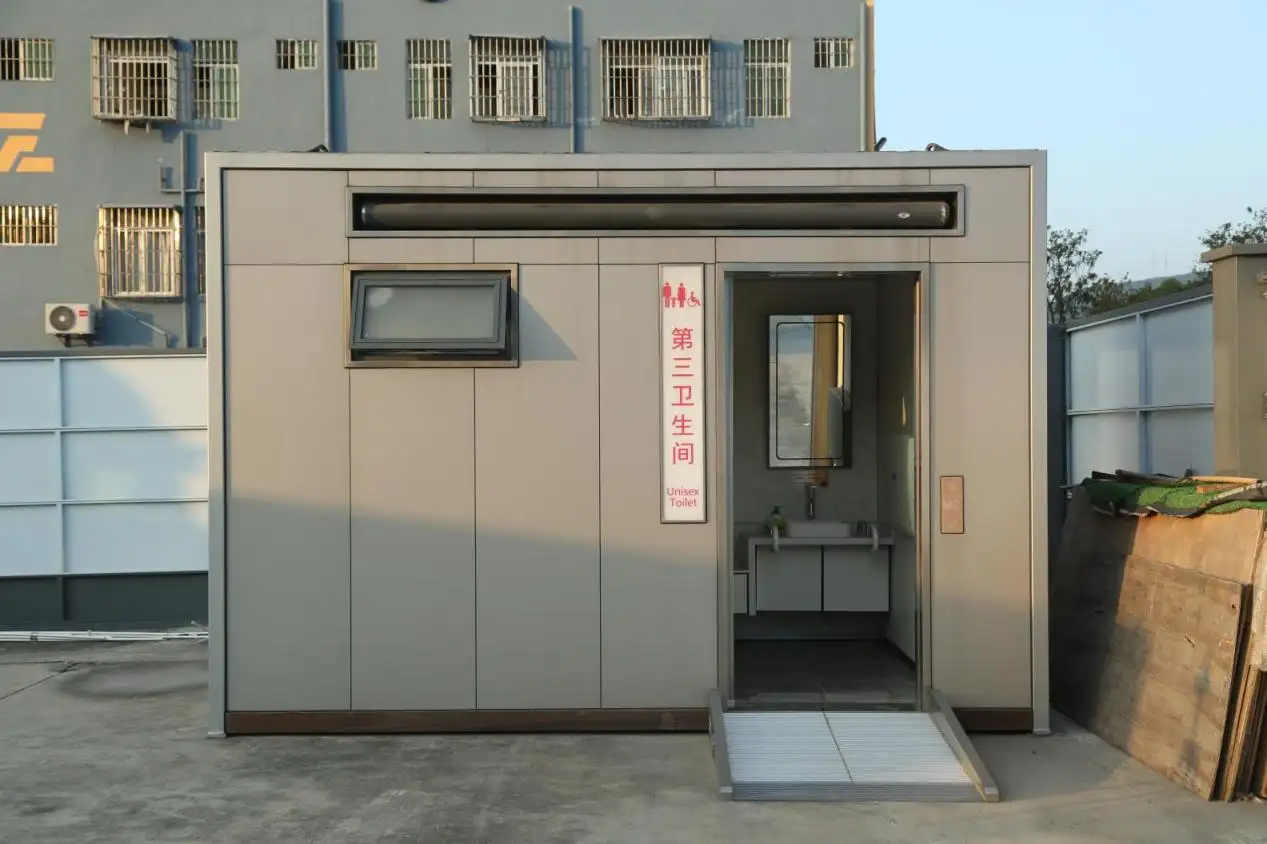
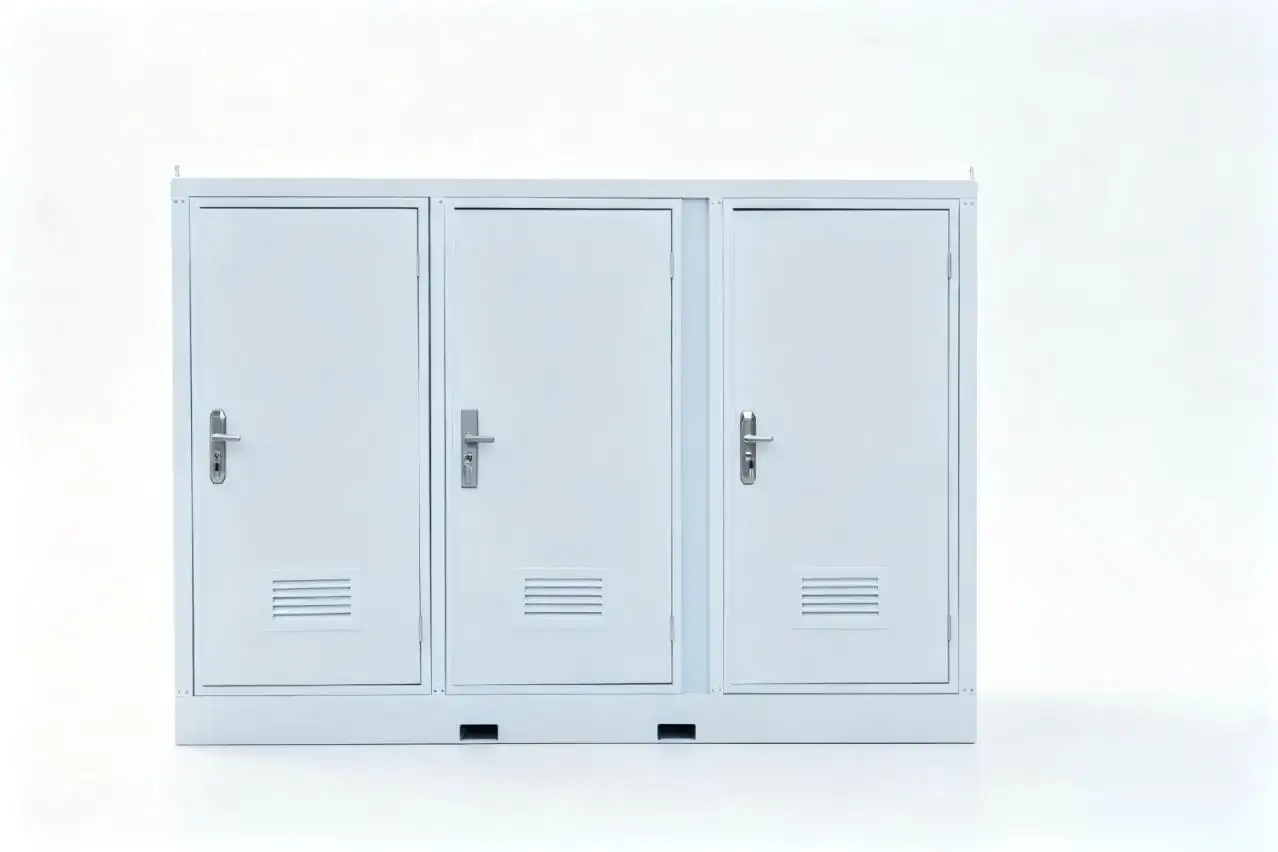
Portable Toilet for Building Site
A portable toilet for a building site needs more than a toilet cubicle to provide adequate sanitation. On an active construction project, handwashing capacity, freshwater storage, wastewater handling, ventilation, cleaning access and service frequency all determine whether the unit works reliably throughout the shift.
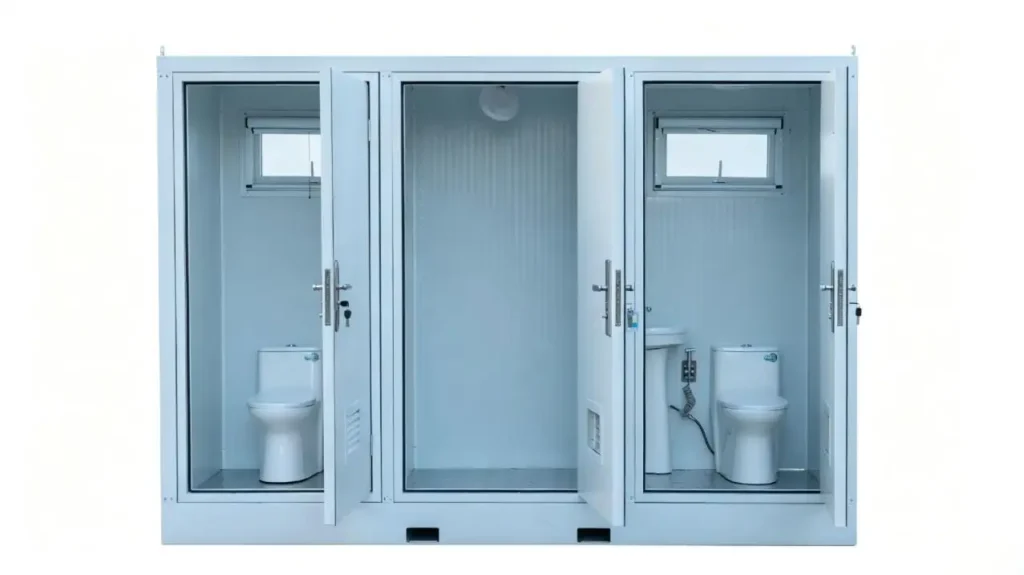
SAUDIND Portable Toilets designs building-site units as sanitation systems, with toilet and handwashing facilities matched to worker numbers, site utilities, climate and servicing conditions.
Start With Worker Demand, Not Cabin Quantity
The first engineering question is not "How many toilets are required?" It is:
How many workers must use the toilet and handwashing system during each operating period?
A site may have enough toilets but insufficient handwashing capacity for the workers using them.
Key inputs include:
•Workers per shift
•Number of shifts per day
•Expected toilet visits per worker
•Expected handwashes per worker
•Peak usage during breaks and shift changes
•Distance between work zones and sanitation units
•Freshwater and sewer availability
For larger building sites, average daily demand alone is not enough. Peak traffic determines whether washbasins become a bottleneck.
Calculate Handwashing Water as Part of the Total Water Balance
For a portable toilet on a building site, handwashing water should be calculated together with flushing and cleaning demand.
A practical relationship is:
Daily Handwashing Demand = Sum of (Workers per Shift × Washes per Worker per Shift × Water per Wash) across All Shifts in the Day. Use the worker count and expected washes for each shift; do not multiply an already aggregated daily total by the number of shifts again.
Water per wash is influenced by faucet flow rate and washing duration.
The complete freshwater calculation should include:
•Handwashing water
•Toilet flushing water
•Basin and floor cleaning
•Maintenance allowance
•Safety reserve for delayed refilling
This is important on remote construction sites because a water tank that appears adequate for flushing may become undersized after handwashing is added.
Why Faucet Selection Matters
Faucet flow rate and washing duration affect water consumption and the time between refills.
A higher flow rate can improve rinsing but increases:
•Freshwater consumption
•Wastewater production
•Required tank capacity
The target should therefore be controlled water consumption without reducing practical handwashing performance.
Freshwater Capacity and Wastewater Capacity Must Be Designed Together
One of the most common specification mistakes is sizing the freshwater tank independently from the waste system.
Most basin water eventually becomes wastewater.
The operating relationship is therefore:
With tank capacities unchanged: More Workers → More Handwashing → More Freshwater Demand → More Wastewater → Shorter Refill or Pump-Out Interval
| Design Parameter | Engineering Effect |
| Worker count | Daily water and waste volume |
| Faucet consumption | Handwashing water demand |
| Flush volume | Freshwater and holding-tank demand |
| Cleaning frequency | Additional daily water load |
| Freshwater capacity | Refill interval |
| Waste tank capacity | Pump-out interval |
| Service access | Practical operating continuity |
For a self-contained portable toilet, tank capacity should be assessed against this operating question:
How many operating days can the system support before refill or pump-out is required?
Integrated Washbasin vs. Standalone Hygiene Station
SAUDIND recommends selecting the handwashing layout based on worker flow and the distribution of work areas across the site.
| Factor | Integrated Basin | Standalone Station |
| Footprint | Compact | Requires separate area |
| Plumbing | Integrated with toilet | Independent system |
| Worker distribution | Good for dispersed sites | Good for centralized crews |
| Peak capacity | One user per unit | Multiple users possible |
| Relocation | Easier | More equipment to move |
| Typical use | Distributed construction zones | Main toilet banks and site camps |
An integrated basin is useful when a portable toilet is positioned close to individual work zones.
A standalone multi-user handwashing station is more suitable where many workers leave a centralized toilet area at the same time.
Large sites may use both.
Select Faucet Technology for Reliable Operation on Site
Construction sites normally require equipment that can tolerate repetitive use, dust and frequent cleaning.
Manual Faucet
Simple construction and straightforward maintenance, especially where utility water is available.
Foot-Operated System
Reduces hand contact and can operate without sophisticated electronics.
Sensor Faucet
Can control water use and reduce touchpoints, but requires reliable power, suitable sensor protection and stronger maintenance support.
For temporary or dusty projects, SAUDIND generally recommends prioritizing serviceability, water control and component durability when selecting faucet technology.
Match the Portable Toilet System to Site Utilities
The utility condition determines the plumbing architecture.
| Site Utilities | Recommended System Concept |
| Water + sewer | Direct-connected toilet |
| Water + no sewer | Waste holding tank |
| No water + sewer | Onboard freshwater tank |
| No water + no sewer | Fully self-contained system |
A fully self-contained portable toilet is particularly useful during early construction phases when permanent plumbing has not yet been commissioned.
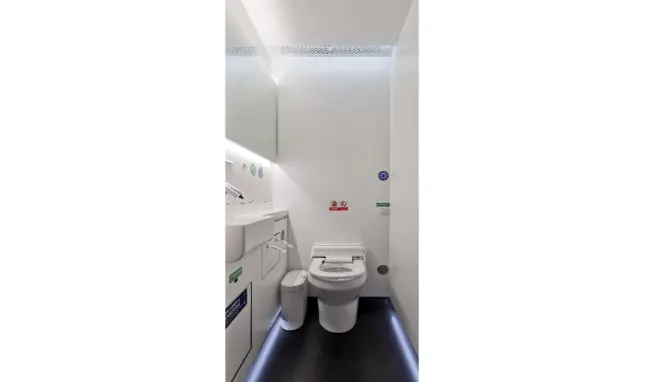
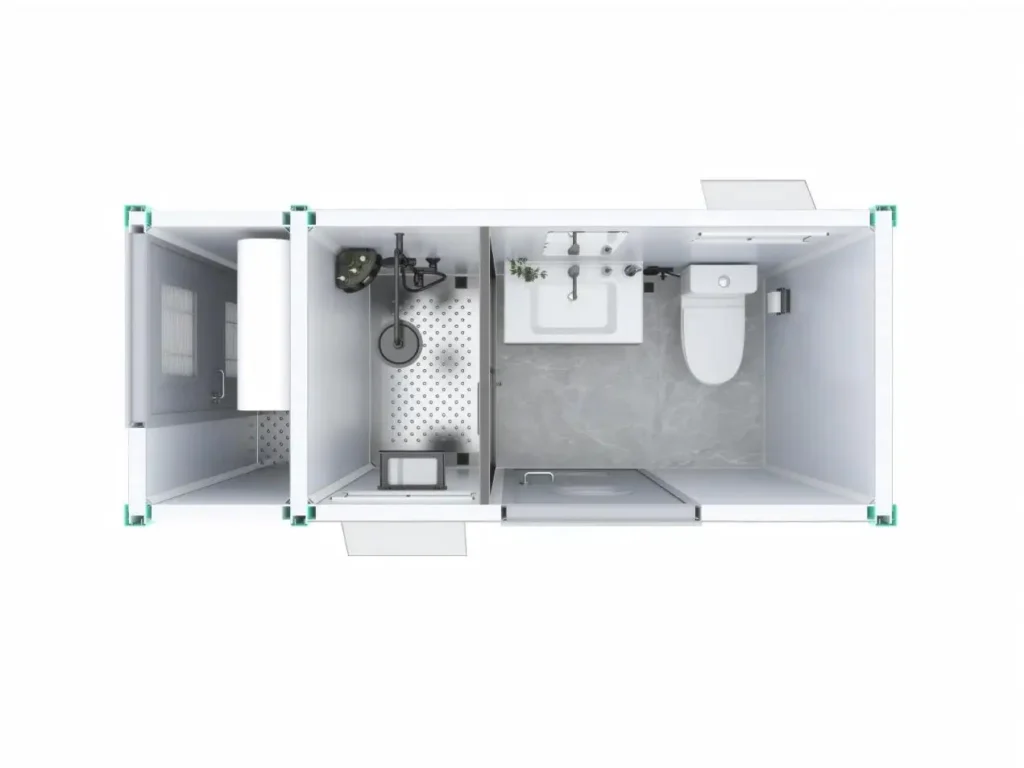
Selected SAUDIND self-contained configurations integrate features such as:
•Insulated wall panels
•Ceramic toilet fixtures
•Integrated ceramic washbasin
•Stainless-steel faucet components
•Natural ventilation openings
•Interior lighting
•Internal plumbing routed for compact installation
For wet-use configurations, SAUDIND also applies materials such as 304 stainless steel flooring in selected toilet and shower systems to improve cleanability and resistance to repeated moisture exposure.
Installation Quality Directly Affects Hygiene Performance
Even a correctly specified unit can perform poorly if the site layout is wrong.
For each portable toilet unit, contractors should confirm:
•Stable and level foundation
•Clear approach for users
•Washbasin access near toilet exit
•Freshwater refill access
•Vacuum-truck or waste-service access
•Safe separation of potable and non-potable lines
•Adequate ventilation
•Drain and spill-control planning
•Clearance for cleaning and component replacement
On Saudi and GCC projects, heat, solar exposure and airborne sand should also be considered when selecting enclosure materials, ventilation arrangements and exposed hardware.
Service Frequency Should Follow Actual Use
Maintenance intervals should not be selected only by calendar.
Operators should routinely check:
•Freshwater level
•Wastewater level
•Soap supply
•Hand-drying materials
•Basin drainage
•Faucet condition
•Odor control
•Interior cleanliness
•Ventilation openings
If workforce size increases, the service interval should be recalculated rather than allowing the same maintenance schedule to continue.
Verify Site Requirements Before Approving the System
Construction sanitation requirements vary by jurisdiction.
For U.S. projects, buyers should verify applicable OSHA requirements covering toilets, washing facilities and water systems.
For non-sewered workplace sanitation, relevant ANSI/PSAI requirements should also be reviewed.
For Saudi projects, contractors should verify applicable:
•Labour and occupational health requirements
•Saudi Building Code provisions
•Plumbing requirements
•Project consultant specifications
•Local authority requirements
A product specification alone should never be treated as proof that the entire construction-site sanitation arrangement is compliant.
Build the RFQ Around Real Site Conditions
Before SAUDIND recommends a portable toilet for the site, the buyer should provide:
•Number of workers
•Shifts per day
•Project duration
•Available water supply
•Sewer availability
•Required handwashing layout
•Desired service interval
•Electrical supply
•Climate conditions
•Installation location
•Quantity and delivery schedule
This information allows the toilet structure, basin arrangement, water system and waste handling method to be matched to actual operating conditions.
For construction projects requiring integrated handwashing, self-contained operation or customized utility connections, SAUDIND can develop a portable toilet configuration based on workforce requirements, the service interval and site infrastructure.
FAQs
Q1. Does SAUDIND offer a construction-site portable toilet with an integrated washbasin?
Yes. Selected SAUDIND portable toilet configurations can include an integrated washbasin, toilet fixture, faucet, ventilation and internal plumbing for construction-site use.
Q2. Can SAUDIND provide self-contained portable toilets for sites without sewer connections?
Yes. SAUDIND offers self-contained sanitation configurations designed for projects where permanent water or sewer infrastructure is unavailable.
Q3. How does SAUDIND determine the right portable toilet configuration for a building site?
The configuration should be based on worker numbers, shifts, water availability, sewer access, project duration, climate, required hygiene facilities and expected service interval.
Q4. Can SAUDIND customize the handwashing system for a construction project?
SAUDIND can configure restroom layouts and utility arrangements according to project requirements, including integrated washbasins and other sanitation-system options.
Q5. Does SAUDIND recommend integrated or standalone handwashing stations?
It depends on worker flow. Integrated basins are practical for distributed toilet locations, while standalone multi-user stations can better serve centralized high-traffic areas.
Written by
admin