


Updated 4 weeks ago
Portable Toilet for Infrastructure Projects: Road, Rail & Metro Guide
admin
admin
Portable Toilet for Infrastructure Projects
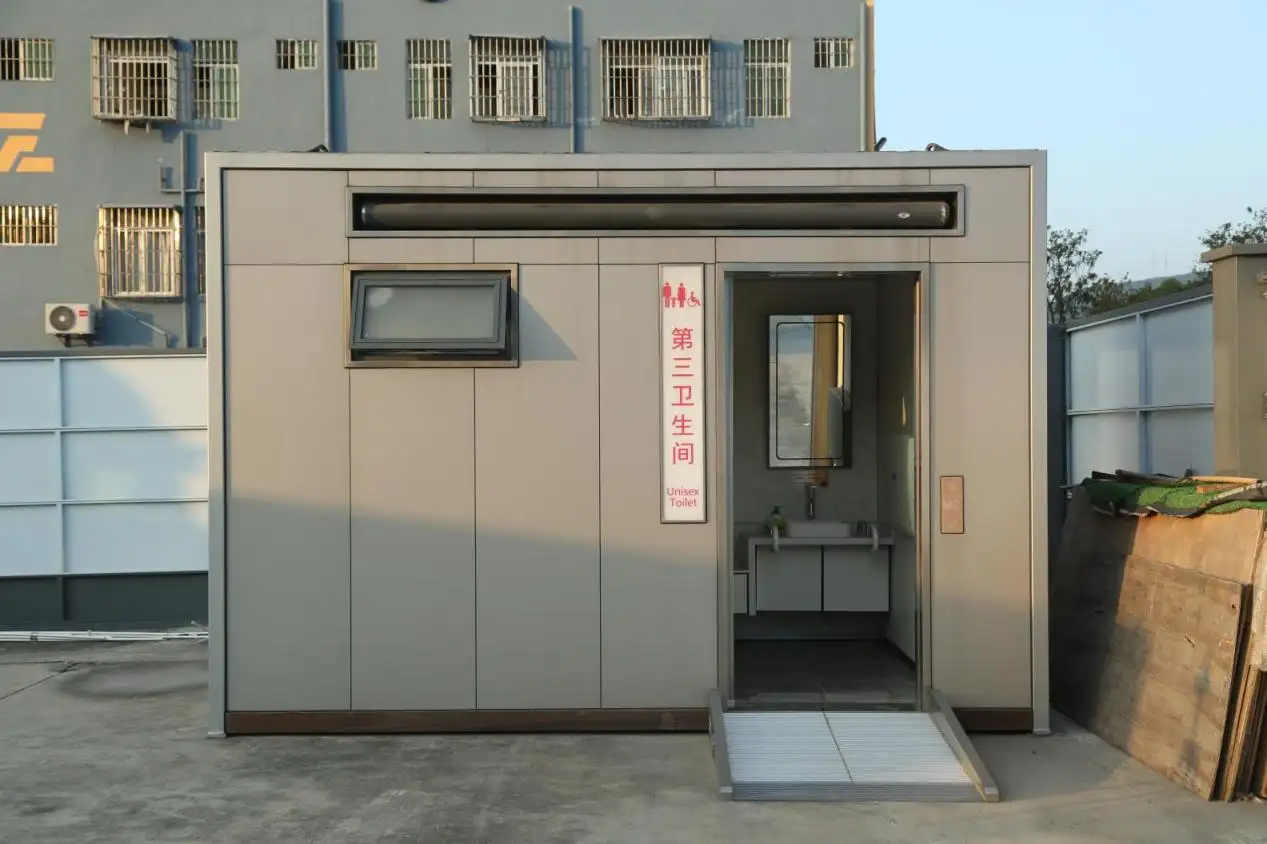
Portable toilets for road, railway and metro projects must serve changing work fronts and dispersed crews, often with limited utilities. Their placement and servicing plans must also account for service-vehicle access.
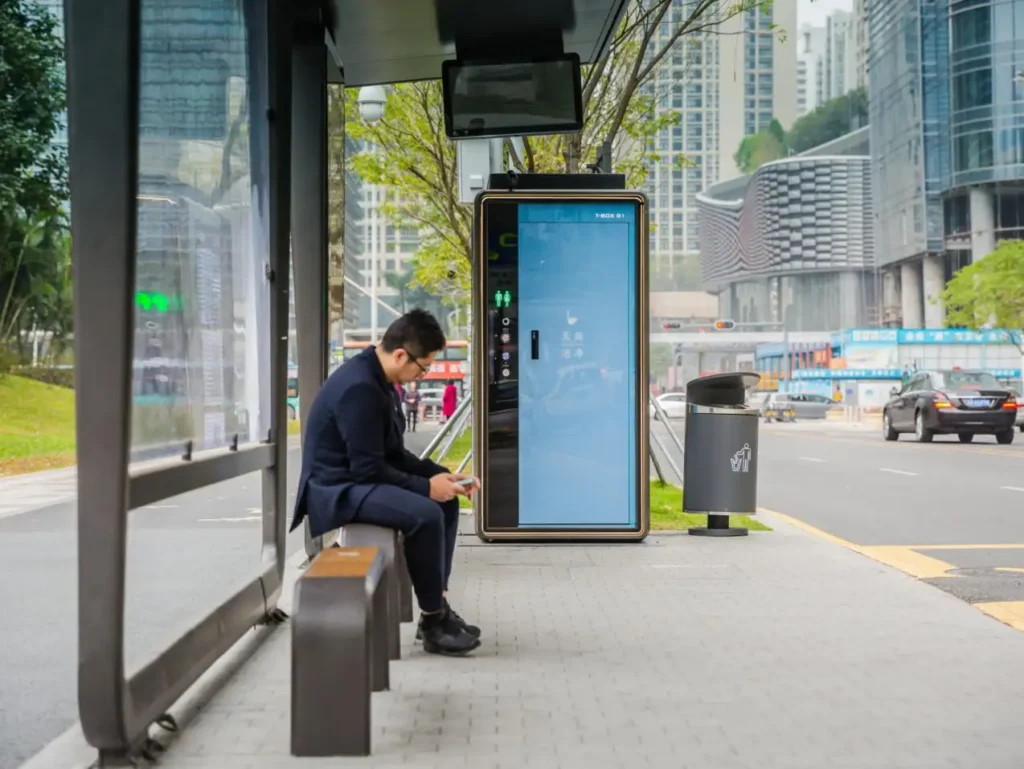
SAUDIND Portable Toilets plans sanitation provision around site conditions as well as toilet quantity. The plan should connect:
Workforce distribution → Toilet capacity → Water and waste storage → Servicing → Relocation → Compliance
For EPC contractors and infrastructure owners, this approach reduces under-capacity, unnecessary pump-outs and costly mid-project relocation changes.
Why Infrastructure Projects Need Zone-Based Sanitation Planning
Road, rail and metro construction rarely operates from one fixed point.
A project may simultaneously include:
• Track or roadway work fronts
• Tunnel portals and shafts
• Material yards
• Station compounds
• Worker camps
• Maintenance and logistics areas
This creates an important planning rule:
Total toilet quantity is not the same as effective sanitation coverage.
A Portable Toilet for Infrastructure Projects should therefore be sized by peak workforce per active zone, not only by total project headcount.
Key inputs include:
• Peak workers per shift
• Number of active work fronts
• Distance between crews
• Expected toilet uses per shift
• Water and sewer availability
• Cleaning and pump-out interval
• Relocation frequency
• Service-truck access
Capacity, Water and Waste Storage Must Be Calculated Together
A common procurement error is selecting tank capacity before estimating actual use.
The correct sequence is:
Peak users → Daily uses → Water demand → Wastewater generation → Service interval
For flushing systems:
Daily water demand ≈ Toilet uses per day × Water per flush + Handwashing water per day
The waste tank must then provide enough storage between scheduled pump-outs, with an operating margin appropriate to site conditions and service reliability.
This matters because a larger tank is not automatically better.
Larger tanks can reduce:
• Pump-out frequency
• Service interruptions
• Risk of premature filling
But they can also increase:
• Unit weight
• Transport requirements
• Relocation difficulty
• Site footprint
For remote work fronts without direct municipal water or sewer connections, a self-contained portable toilet can use onboard flushing-water storage and a sealed waste tank instead of permanent utility connections.
Centralized or Distributed Sanitation?
Infrastructure projects should compare layout strategies before choosing individual units.
| Planning Factor | Centralized Restroom Block | Distributed Portable Units |
| Worker concentration | High | Low to medium |
| Work-front movement | Low | High |
| Utility connection | Easier | Often unavailable |
| Relocation | Less frequent | Frequent |
| Service route | One main point | Multiple stops |
| Typical application | Depot, camp, station | Road, rail, bridge work fronts |
A metro depot may justify a larger modular restroom block. A highway project extending over many kilometres normally needs smaller sanitation clusters located near active crews.
For many infrastructure projects, the practical solution is a hybrid layout:
• Modular restroom blocks at semi-permanent compounds
• Self-contained units at remote or moving work fronts
• Utility-connected units where long-term sewer and water access already exists
Match the Portable Toilet to the Construction Type
Road Construction
Road projects often have the highest relocation frequency.
A Portable Toilet for Infrastructure Projects used on road works should be assessed for:
• Rapid placement and removal
• Off-grid operation
• Access by service trucks
• Practical lifting and transport
• Waste storage between servicing cycles
A unit positioned correctly during earthworks may become poorly located when paving or bridge crews move several kilometres forward.
Railway Construction
Railway sanitation should be planned by work package rather than route length alone.
Typical zones include:
• Track works
• Station construction
• Bridge sections
• Tunnel portals
• Maintenance yards
This often requires a combination of portable and modular sanitation rather than a single standard unit across the entire project.
Metro Construction
Metro projects usually concentrate workers around:
• Station boxes
• Shafts
• Tunnel access points
• Depots
• Casting or logistics yards
For these projects, capacity should follow worker concentration and project phase, not simply distance along the metro line.
Self-Contained, Modular or Utility-Connected?
| System | Main Engineering Benefit | Best Fit |
| Self-contained | Independent of direct sewer connection | Remote and moving zones |
| Modular restroom | Higher concentrated capacity | Stations, camps, depots |
| Utility-connected | Lower dependence on tank servicing | Long-term fixed areas |
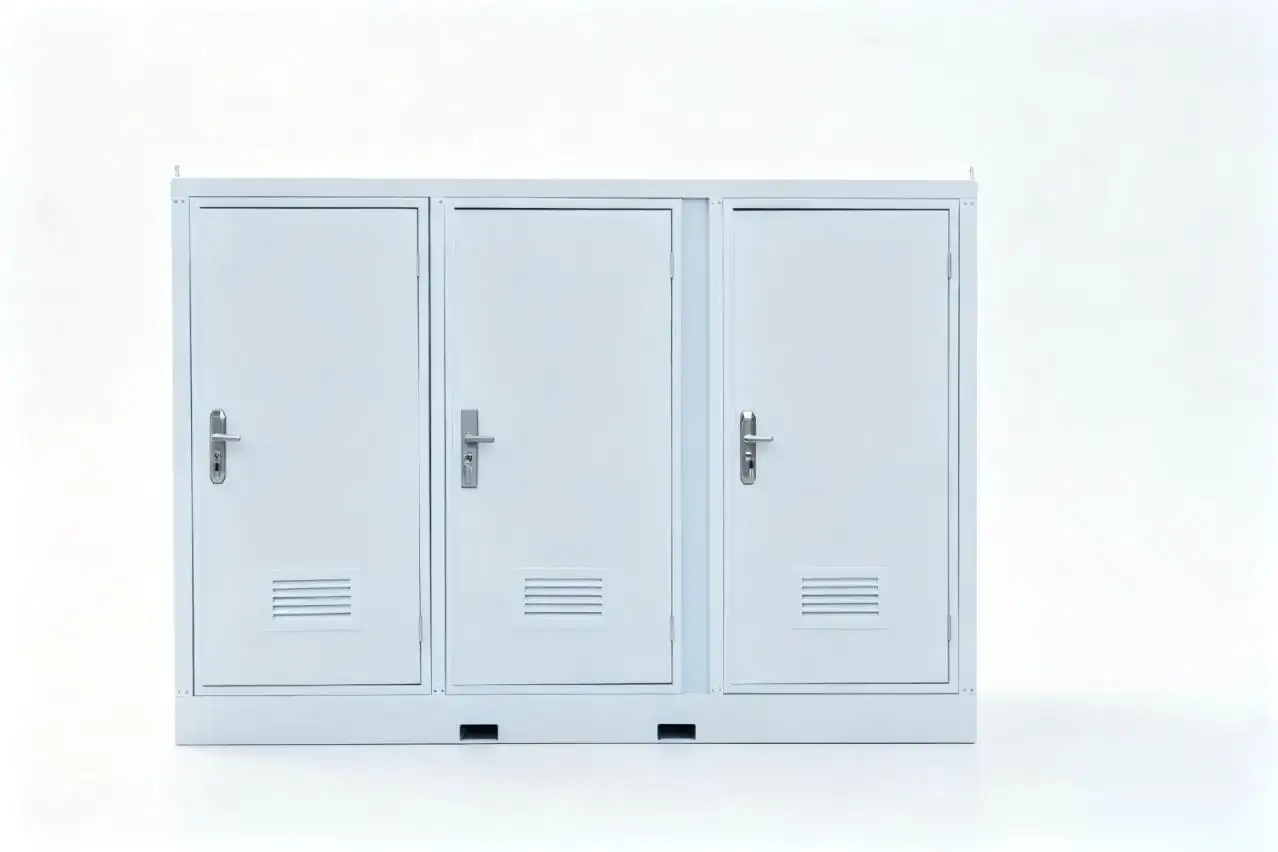
A modular restroom may be self-contained or utility-connected, depending on the design. SAUDIND can configure portable and modular restroom systems based on project drawings, utility conditions and deployment requirements.
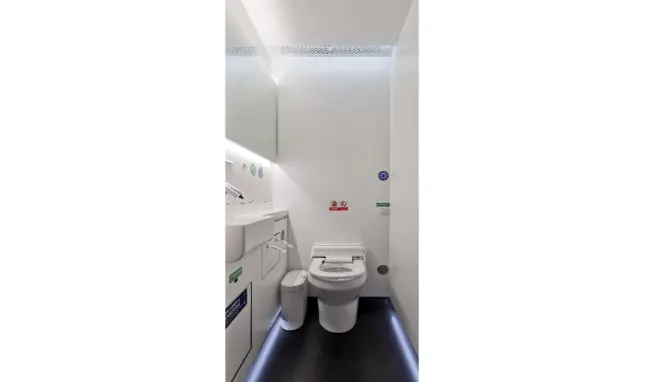
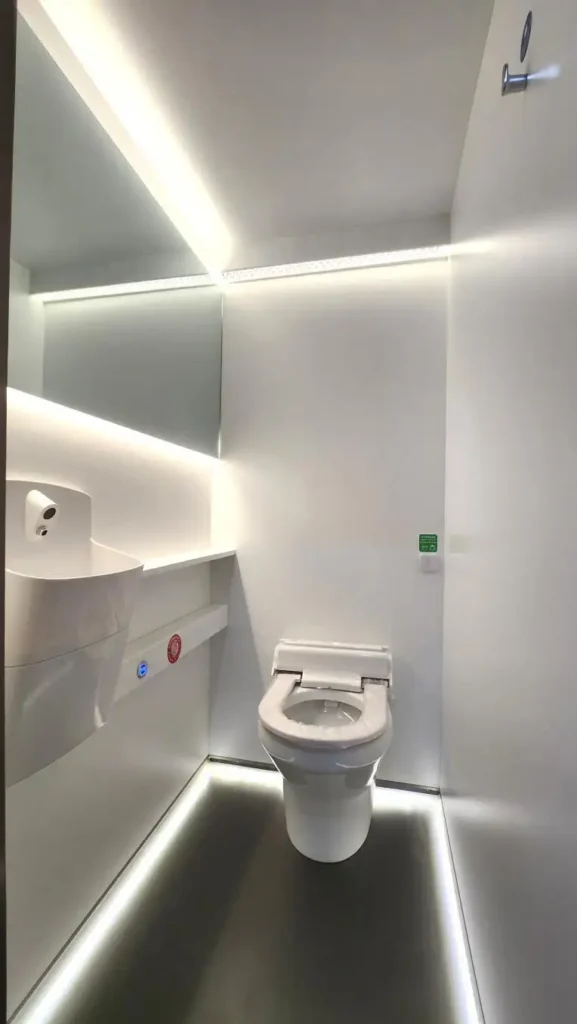
Relevant self-contained configurations can incorporate:
• Reinforced steel framing
• Electrostatic-painted structural surfaces
• Insulated wall and roof panels
• Ceramic sanitary fixtures
• Easy-clean flooring
• Integrated water and waste storage
The specification should always match the intended project configuration rather than assuming every unit uses the same build.
Service Access Is a Design Parameter
A Portable Toilet for Infrastructure Projects can have sufficient tank capacity and still perform poorly if the service vehicle cannot reach it.
Before installation, confirm:
• Pump-out truck turning and approach space
• Safe lifting and unloading area
• Level and stable ground
• Surface drainage
• Relocation route
• Utility connection and disconnection method
This is particularly important on rail corridors, tunnel approaches and road projects where temporary access roads change frequently.
Relocation and Maintenance Affect Available Capacity
Relocation should be planned before units arrive on site.
Procurement teams should define:
• How often each work front moves
• Who empties tanks before transport
• Who disconnects utilities
• What lifting equipment is required
• How long a unit may be unavailable during relocation
Maintenance downtime also reduces effective capacity.
For example, in a system of ten toilets, if two are unavailable because they need cleaning or maintenance, eight remain operational.
For a deployment of ten toilets, IoT-equipped units can support tank-level and real-time occupancy monitoring. Maintenance automation should be specified separately for the selected system. SAUDIND also offers customized IoT and solar solutions that may support remote operation and monitoring.
Design Requirements for Projects in High-Temperature Environments
Projects in Saudi Arabia and other GCC countries must also account for extreme temperatures in their design.
For such projects, we specify the following:
• Operation at an ambient temperature of 55°C.
• Insulated Roof panels
• Forced ventilation
• Materials selected for outdoor project environments
SAUDIND reports that its approximately 15,000 m² Riyadh manufacturing facility has a production capacity of 1,000 units per month, supporting phased or large-scale infrastructure requirements.
Verify Standards Before Procurement
A Portable Toilet for Infrastructure Projects must be checked against the rules applying to the actual site.
Procurement teams should verify:
• Minimum toilet requirements
• Handwashing requirements
• Accessibility provisions
• Wastewater collection and disposal
• Electrical requirements
• Client-specific HSE standards
• Government or infrastructure-owner specifications
International references such as OSHA construction sanitation requirements may support technical benchmarking, but they should not be presented as Saudi legal requirements unless specifically applicable.
What to Include in the RFQ
Before requesting a quotation, provide the manufacturer with:
• Project type and location
• Peak workers per zone
• Number of shifts
• Construction duration
• Water, sewer and power availability
• Expected relocation frequency
• Desired service interval
• Climate conditions
• Site-access restrictions
• Required installation scope
• Documentation and after-sales requirements
When specifying portable toilets for an infrastructure project, compare purchase price alongside sanitation capacity, mobility, servicing and site conditions. These factors should match the actual construction plan.
SAUDIND supports portable and modular restroom projects for road, rail, metro and other infrastructure applications, including project-based configuration, production, delivery and installation support. Contractors can visit restroomtech.com to discuss workforce distribution, utility conditions and deployment requirements before finalizing the sanitation specification.
FAQs
Q1. Does SAUDIND supply portable toilets for infrastructure projects?
Yes. SAUDIND provides portable and modular sanitation solutions suitable for road, railway, metro, construction and other infrastructure projects.
Q2. Can SAUDIND configure portable toilets for different infrastructure work zones?
Yes. Configurations can be planned around workforce distribution, site utilities, available space, mobility requirements and project drawings.
Q3. Does SAUDIND offer self-contained portable toilet systems?
Yes. Self-contained configurations are available for sites without direct sewer connections, using integrated water and waste-storage systems depending on the selected design.
Q4. Are SAUDIND portable toilets suitable for remote road and railway construction sites?
They can be configured for remote and off-grid applications where permanent water, sewer or power infrastructure is limited.
Q5. Can SAUDIND provide modular restroom blocks for large projects?
Yes. Modular restroom solutions can be used at higher-density locations such as worker camps, stations, depots, project compounds and logistics yards.
Written by
admin