


Updated 4 weeks ago
Portable Restroom Unit for High-Traffic Public Areas: Durability and Anti-Vandal Design
admin
admin
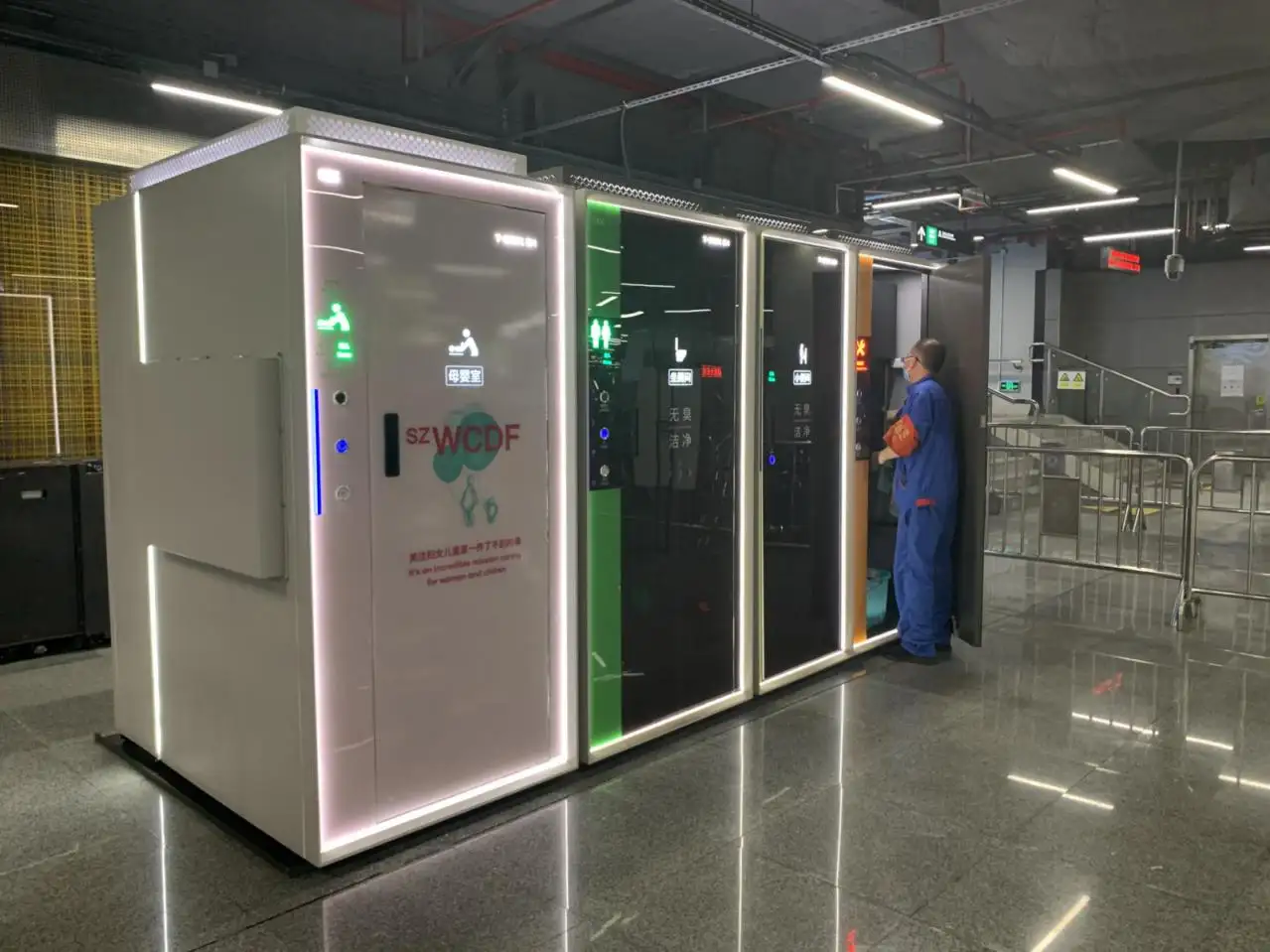
Portable Restroom Unit
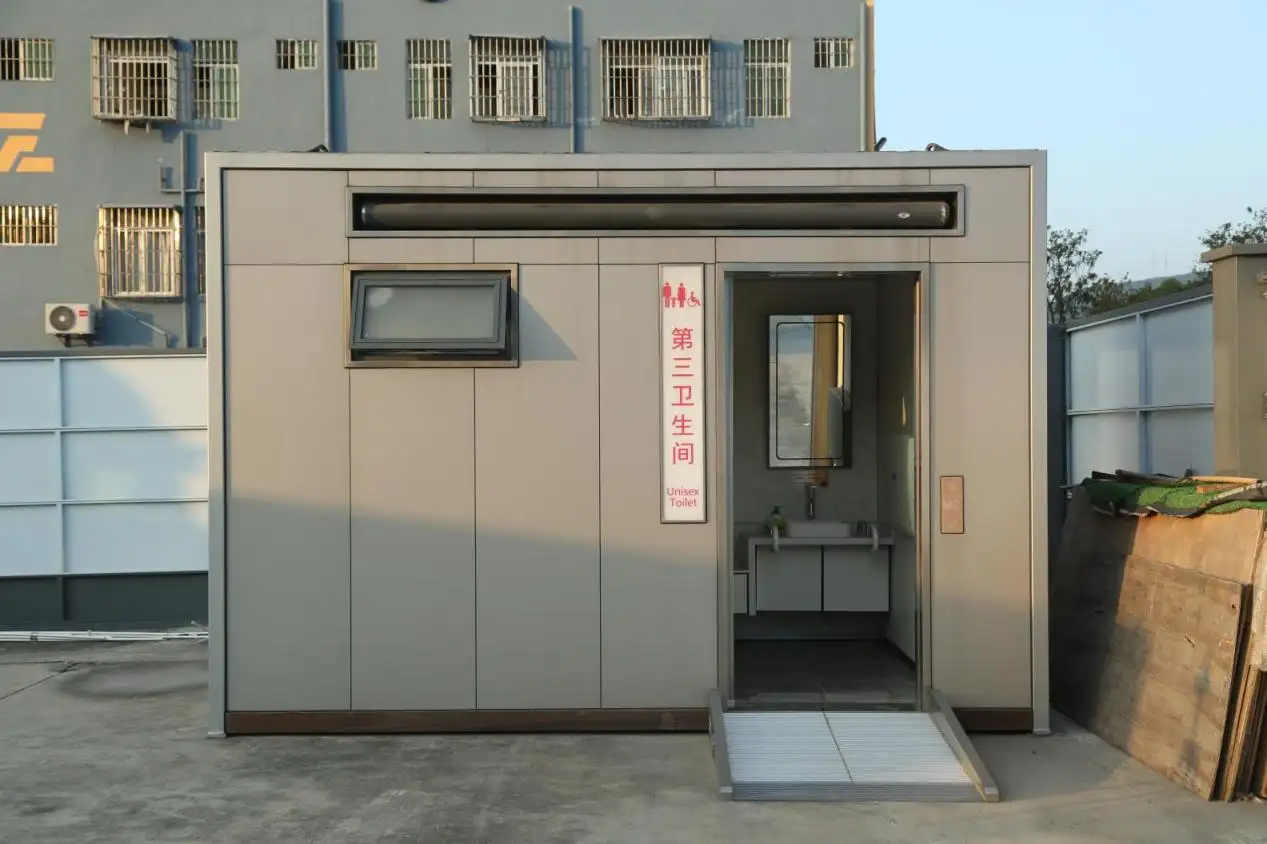
A Portable Restroom Unit used in a public park, transit hub, tourist zone or municipal service area should not be evaluated in the same way as a temporary toilet for a short construction project.
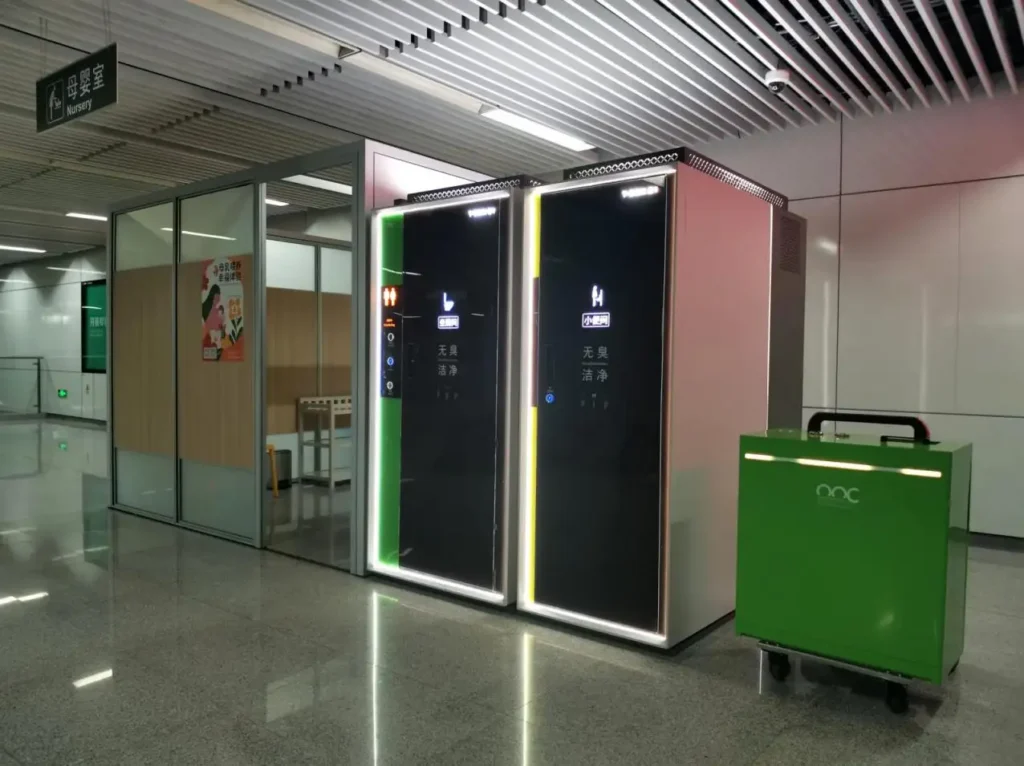
In high-traffic public environments, the unit must tolerate repeated door cycles, frequent flushing, wet cleaning, chemical exposure, impact, graffiti and unauthorized tampering while remaining easy for maintenance teams to service.
For high-traffic sites, SAUDIND Portable Toilets considers the following question:
Which structural, fixture and service-access decisions reduce failure and downtime under the actual operating conditions?
High Traffic Creates Multiple Failure Modes
High traffic increases wear across the entire restroom system, not just the toilet fixture.
Typical high-use failure points include:
• Door hinges, locks and handles;
• Exposed screws and removable covers;
• Flush valves and faucets;
• Toilet seats, basins and dispensers;
• Ventilation grilles and electrical controls;
• Floor joints and drainage areas;
• Wall surfaces exposed to scratches and graffiti.
Traffic also creates a direct operating chain:
More users → More door cycles → More flushing → Higher water demand → More wastewater → More cleaning → Higher maintenance load
For this reason, a Portable Restroom Unit should be specified using both daily traffic and peak users per hour.
A unit serving 300 users evenly across 12 hours faces a different duty cycle from one receiving 300 users during a two-hour event peak.
Anti-Vandal Design Must Protect the Whole System
"Anti-vandal" should not be treated as a single material specification.
A public Portable Restroom Unit normally needs protection in several different areas:
| Risk | Typical Failure | Design Response |
| Impact | dented door or wall | reinforced frame and panel construction |
| Tampering | removed screws or covers | security fasteners and protected access panels |
| Graffiti | paint or marker contamination | cleanable surface treatment |
| Moisture | corrosion at joints or floor | corrosion-resistant materials and sealed detailing |
| Chemical cleaning | coating degradation | compatible coating and cleaning procedure |
| Forced operation | damaged locks or hinges | reinforced hardware and mounting points |
This distinction matters because anti-graffiti does not mean impact-resistant, and stainless steel alone does not make a complete Portable Restroom Unit vandal-proof.
Frame, Floor and Door Should Be Evaluated Together
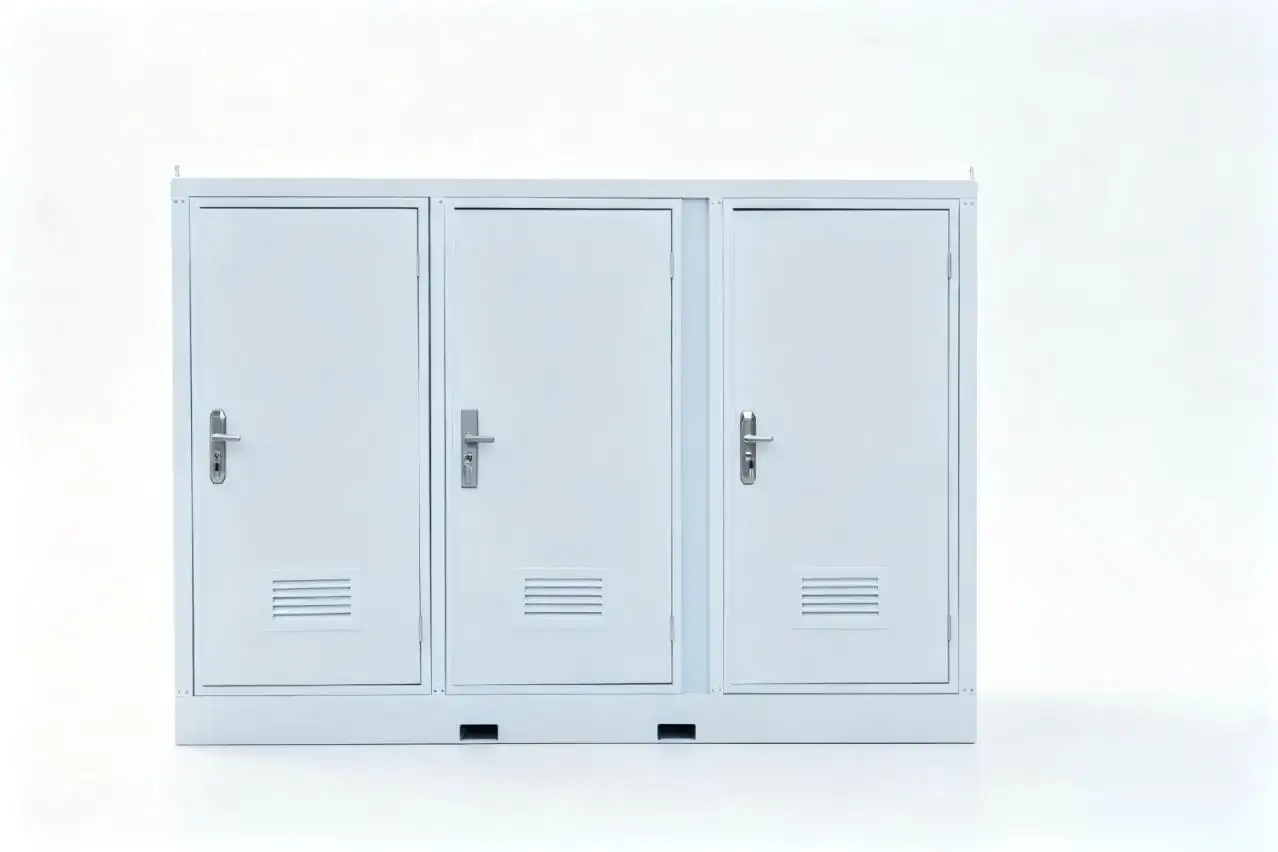
SAUDIND's modular restroom systems can combine an electrostatic-painted steel frame, color-steel foam-board wall panels, 304 stainless steel flooring, steel doors and ceramic sanitary fixtures.
These components address different engineering tasks.
Steel Frame
The frame provides the main load path and supports:
• Wall panels;
• Door openings;
• Roof structure;
• Plumbing and fixture loads;
• Lifting and transportation loads.
Buyers should still confirm the actual section size, steel grade and connection method for the selected Portable Restroom Unit.
304 Stainless Steel Floor
A stainless steel floor is particularly useful where repeated washing creates frequent moisture exposure.
Evaluate the floor for:
• Cleanability;
• Drainage slope;
• Slip performance;
• Joint sealing;
• Long-term deformation.
The material specification alone is not enough if water remains trapped at seams or around sanitary fixtures.
Steel Modular Unit vs. HDPE Cabin
The correct solution depends on deployment strategy.
| Selection Factor | Steel-Framed Portable Restroom Unit | HDPE Cabin |
| Deployment suitability | Potentially suitable for fixed public use | Better suited to light temporary use |
| Relocation | Often requires lifting equipment | Easier to move |
| Repair strategy | Individual panels and hardware can be replaced | Often depends on molded body |
| Vandal-risk locations | Stronger option when properly reinforced | More suitable to controlled sites |
| Installation life | Suitable for medium- to long-term placement | Often temporary |
| Initial cost | Usually higher | Usually lower |
SAUDIND does not treat one construction type as suitable for every project. A festival operator may value mobility, while a municipality may place greater value on repairability and long-term stability.
Ceramic and Stainless Steel Fixtures Serve Different Risk Levels
Choose sanitary fixtures according to cleaning requirements and the site's vandalism risk.
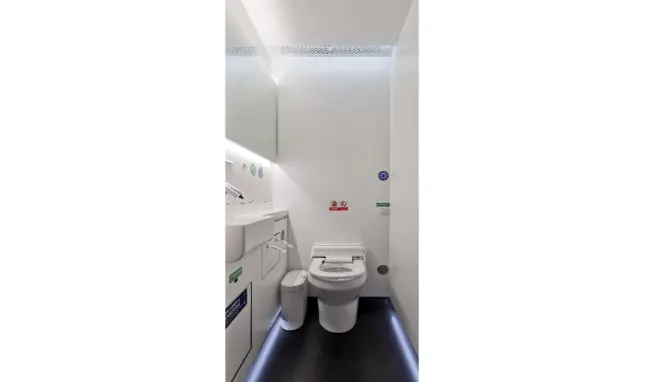
Ceramic fixtures offer:
• Familiar appearance;
• Smooth cleaning surfaces;
• Good stain resistance.
However, they may chip or crack under deliberate impact.
Stainless steel fixtures generally provide:
• Stronger impact resistance;
• Better suitability for severe vandal-risk locations;
• High resistance to repeated cleaning.
Their higher cost may be justified in unattended transport stations, nightlife areas or remote public facilities where damage risk is higher.
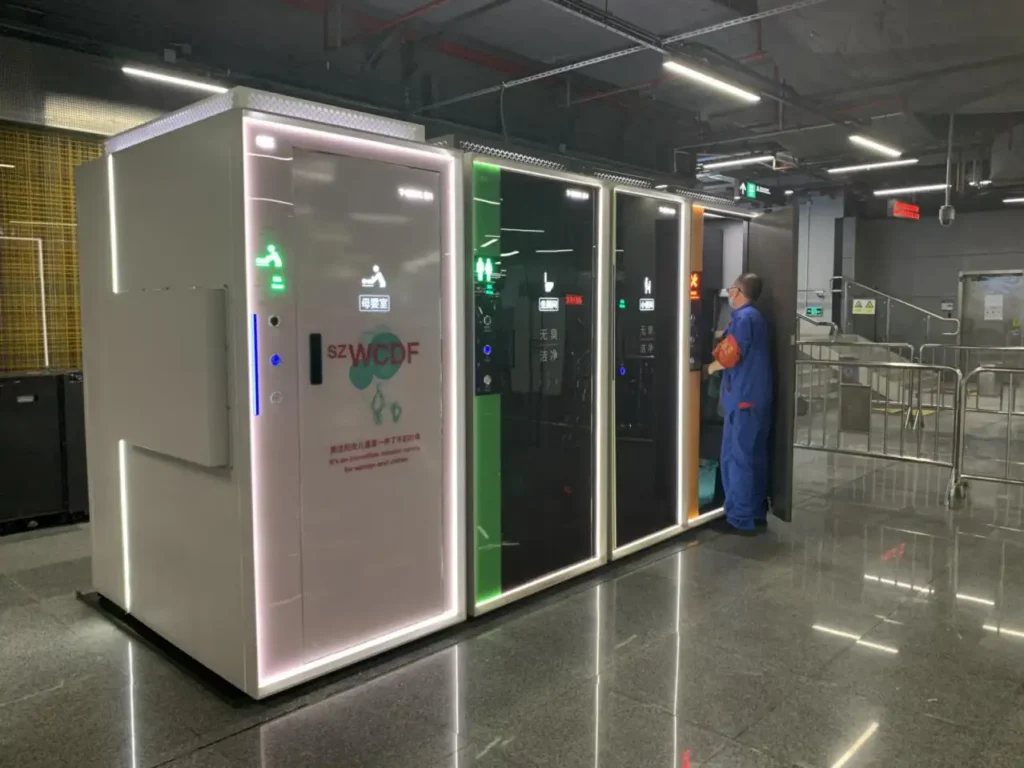
Public-Side Security Must Not Block Maintenance Access
Protecting a restroom against tampering should not make routine repairs difficult for technicians.
A more practical engineering principle is:
Tamper-resistant from the user side, serviceable from the technician side.
Typical measures include:
• Recessed or security fasteners;
• Protected hinges;
• Lockable service panels;
• Rear-access plumbing compartments;
• Removable valves and sensors;
• Replaceable locks, fans and dispensers.
This reduces the time required to return a damaged Portable Restroom Unit to operation.
Match the Utility System to Actual Traffic
Durability alone does not determine whether a high-traffic restroom will perform well.
A Portable Restroom Unit must also be matched to available water, drainage and power.
Sewer-Connected System
Best suited when:
• Traffic is continuous;
• Municipal water is available;
• Permanent drainage is accessible;
• Frequent pump-out service is undesirable.
Self-Contained System
Better suited when:
• The installation location may change;
• Sewer access is limited;
• Temporary deployment is required;
• Independent water and waste storage is needed.
For self-contained operation, calculate total daily water demand, including uses other than flushing.
Daily water demand includes:
• Flushing water;
• Handwashing;
• Cleaning;
• Service losses.
SAUDIND smart restroom configurations include water-saving toilets with flushing volumes of up to approximately 3.5 L per cycle on certain models. That specification can reduce water demand, but the actual tank size must still be calculated around the project's traffic pattern.
Ventilation Becomes More Important as Occupancy Rises
For high-traffic sites, assess ventilation requirements separately from structural durability.
Passive ventilation offers:
• Low energy use;
• Simple maintenance;
• Fewer electrical components.
Mechanical ventilation provides:
• More controlled airflow;
• Stronger odor removal;
• Better performance during sustained high occupancy.
However, fans also introduce electrical load, service requirements and additional tamper-sensitive components.
SAUDIND modular systems can use louvers, upper windows and powered ventilation depending on project requirements.
Installation Quality Affects Long-Term Durability
A strong Portable Restroom Unit can still fail early if installation is poor.
Project teams should verify:
• Level foundation;
• Anchoring method;
• Surrounding drainage;
• Sewer pipe slope;
• Electrical protection;
• Maintenance clearance;
• Crane or forklift access where required.
Unit weight should not be used as a substitute for engineered anchoring.
For high-traffic public projects, SAUDIND recommends matching the Portable Restroom Unit to actual traffic, vandalism exposure, utility availability and maintenance strategy before production.
SAUDIND manufactures modular and smart public restroom systems for municipal, commercial and infrastructure applications. Buyers planning parks, transport facilities, tourism areas or public service sites can review available configurations on the SAUDIND Portable Toilets website and discuss the configuration needed for their site. Consider site conditions alongside cabin size and price when selecting a unit.
FAQs
Q1. What type of Portable Restroom Unit does SAUDIND offer?
SAUDIND offers modular and smart portable restroom systems for public, municipal, commercial, construction and infrastructure applications, with configurations adapted to different site conditions.
Q2. Can SAUDIND provide a Portable Restroom Unit for high-traffic public areas?
Yes. SAUDIND can configure public restroom units for parks, transport facilities, tourist areas, public venues and other locations where frequent use places higher demands on structures, fixtures and maintenance access.
Q3. What materials can SAUDIND use for a durable Portable Restroom Unit?
Depending on the configuration, SAUDIND restroom systems can incorporate electrostatic-painted steel frames, color-steel wall panels, 304 stainless steel flooring, steel doors and suitable sanitary fixtures.
Q4. Does SAUDIND offer anti-vandal features for Portable Restroom Unit projects?
Anti-vandal requirements can be addressed through reinforced structures, protected hardware, controlled service access and suitable surface treatments. The exact configuration should be selected according to the vandalism risk of the site.
Q5. Can SAUDIND provide anti-graffiti surfaces?
Graffiti-resistant surface treatments are available for certain public restroom configurations. Buyers should distinguish anti-graffiti performance from structural impact or tamper resistance when specifying a project.
Written by
admin