


Updated 4 weeks ago
Flushable Portable Toilet for Sites Without Sewer Connections
admin
admin
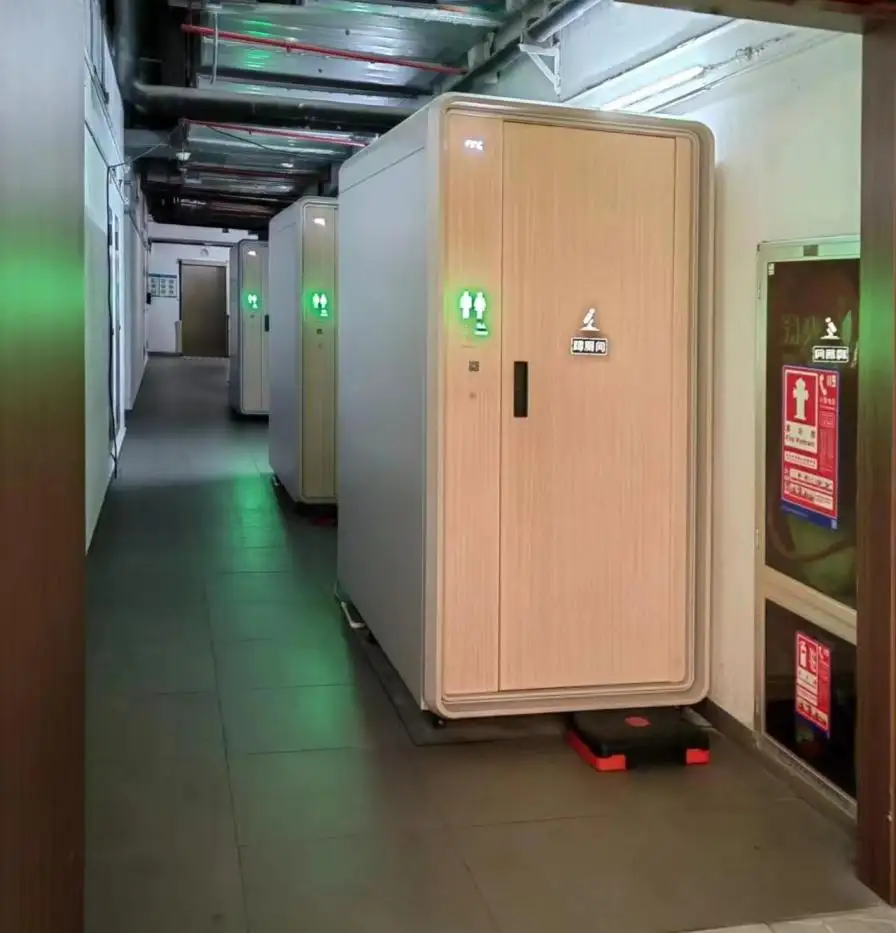
Flushable Portable Toilet
A Flushable Portable Toilet can operate without a permanent sewer connection, but only when water supply, wastewater storage, flushing, ventilation and servicing are designed as one system.
For construction camps, infrastructure projects, temporary public facilities and remote sites, SAUDIND Portable Toilets considers how the unit will flush, obtain enough freshwater, contain wastewater safely and remain accessible for servicing at the expected daily user load.
How a Flushable Portable Toilet Works Without a Sewer
In a conventional restroom, wastewater flows directly into a drainage network:
Water Supply → Toilet → Drain → Sewer
A self-contained Flushable Portable Toilet replaces the sewer connection with controlled storage:
Freshwater Storage → Flush System → Toilet/Basin → Waste Holding Tank → Pump-Out
SAUDIND self-contained configurations use onboard flushing water and sealed waste storage so units can operate where permanent plumbing is unavailable. Refilling, waste removal and service access still need to be planned.
Before selecting a system, define the actual site condition:
•Freshwater available, no sewer: Wastewater storage is the primary design issue.
•No freshwater and no sewer: Both freshwater and waste tanks are required.
•No water, no sewer and difficult service access: Low-water flushing, larger storage or recycling may be necessary.
•Limited electricity: Pump selection and gravity-fed alternatives become important.
A self-contained toilet can operate without a permanent sewer connection, but still requires the water supply, any necessary power and regular servicing specified for its configuration.
Size Tanks From Water Balance, Not Cabin Size
Size the tanks according to expected water use and the planned refill and pump-out intervals.
Start with:
Daily Flush Demand = Daily Flushes × Water per Flush
But total freshwater demand should include more than the toilet:
Freshwater Demand = Flushing + Handwashing + Cleaning + Other Fixtures
Wastewater storage should then account for all liquid entering the holding system.
| Design Input | Why It Matters |
| Users per day | Defines base system load |
| Uses per user | Converts occupancy into actual cycles |
| Flush volume | Drives water use and tank filling |
| Basin consumption | Can materially increase wastewater |
| Cleaning water | Often omitted during early sizing |
| Usable tank capacity | Determines real operating time |
| Peak factor | Covers shift changes or event peaks |
| Service interval | Determines refill and pump-out logistics |
The practical relationship is:
Service Interval ≈ Usable Waste Capacity ÷ Daily Wastewater Generation
This is why buyers should ask for usable capacity, not just nominal tank volume. Space reserved to prevent overfilling, pipe locations, solids and operating margins can reduce the volume available before servicing is required.
Compare System Architectures Before Selecting Equipment
Compare holding-tank and recycling systems, onboard and external tanks, and gravity-fed and pump-assisted flushing before specifying the equipment.
Waste Holding Tank vs. Water Recycling
| Factor | Sealed Storage | Water Recycling |
| Complexity | Lower | Higher |
| Freshwater demand | Higher | Lower |
| Power demand | Lower | Higher |
| Maintenance | Simpler | Filters, pumps and treatment require attention |
| Main risk | Tank reaching capacity | Treatment or circulation failure |
| Best fit | Serviceable temporary sites | Water-limited, longer deployments |
Recycling can save water, but it introduces additional equipment and maintenance. For many temporary construction sites, a correctly sized sealed holding tank remains the simpler solution.
Onboard Tank vs. External Tank
Onboard tanks are incorporated into the unit and can simplify relocation. External tanks can provide additional capacity for larger, multi-unit systems, but require more site space, piping and connections.
Gravity vs. Pump-Assisted Flushing
A gravity-fed arrangement can reduce electrical dependence. Pump-assisted flushing can provide more consistent delivery where pressure or layout requires it.
Selection should consider:
•Required flushing pressure;
•Vertical height difference;
•Water-use target;
•Available electricity;
•Pump accessibility;
•Failure recovery.
"More powerful" is not automatically better; the correct system is the one matched to the hydraulic requirement.
Prevent Overflow Before It Becomes a Service Failure
Waste storage is not simply a tank-size issue. A Flushable Portable Toilet also needs an operating strategy.
Traditional servicing follows a fixed schedule:
Time Interval → Inspection → Pump-Out
A monitored system can instead use:
Tank Level → Alarm Threshold → Service Dispatch → Pump-Out
For larger fleets, freshwater level, waste level, usage count and pump status can support more efficient service planning. SAUDIND also develops modular toilet configurations with IoT-enabled management for project applications.
However, a level sensor does not prevent overflow by itself. The operator still needs a defined alarm threshold, service response time and accessible pump-out route.
Installation and Maintenance Determine Real Reliability
A properly specified Flushable Portable Toilet can still fail operationally if servicing was ignored during site planning.
Before installation, verify:
•Stable, level and load-bearing ground;
•Freshwater refill access;
•Vacuum-truck or pump-out hose access;
•Protected piping and tank connections;
•Ventilation path and outlet location;
•Access to valves, pumps and sensors;
•Protected electrical supply where required.
Odor should also be controlled through sealed storage + ventilation + cleaning + correct pump-out frequency, rather than relying only on deodorizing chemicals.
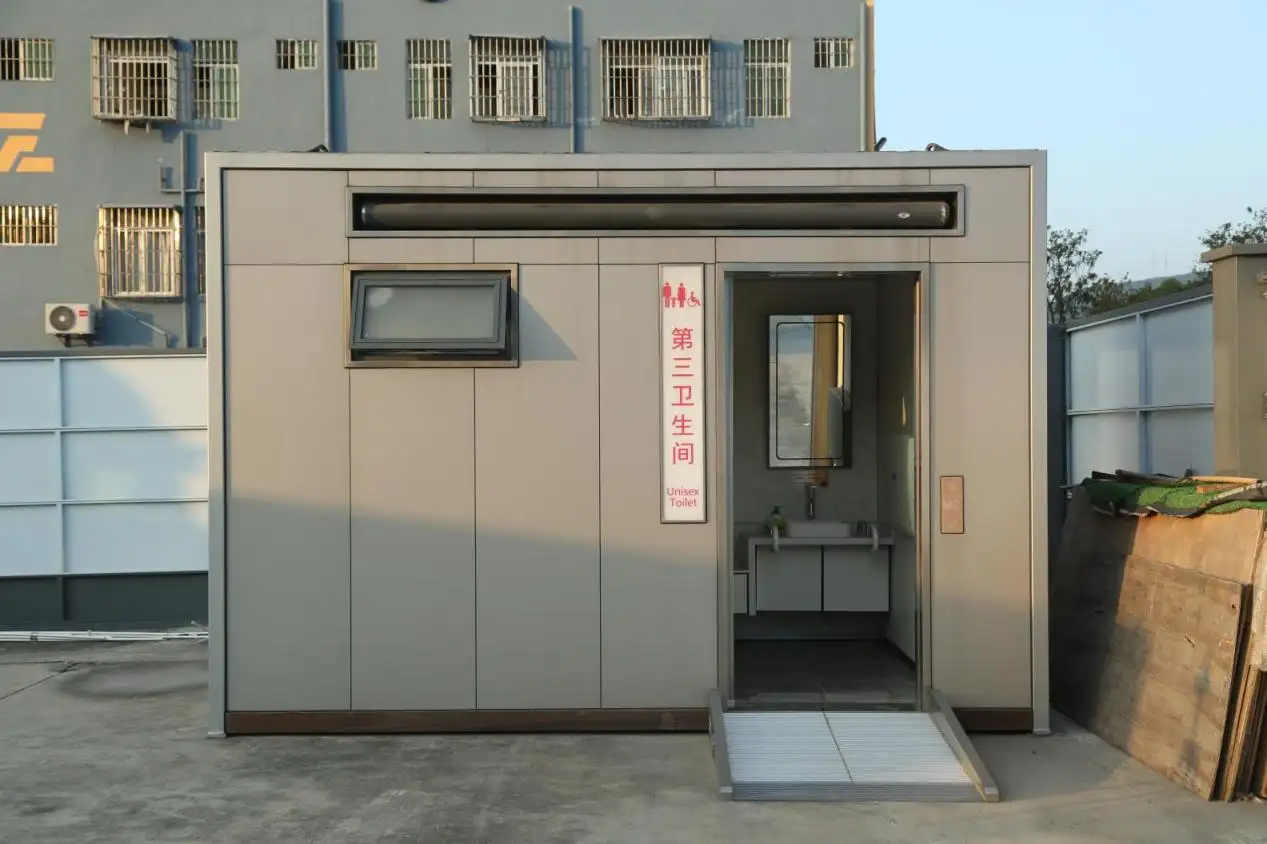
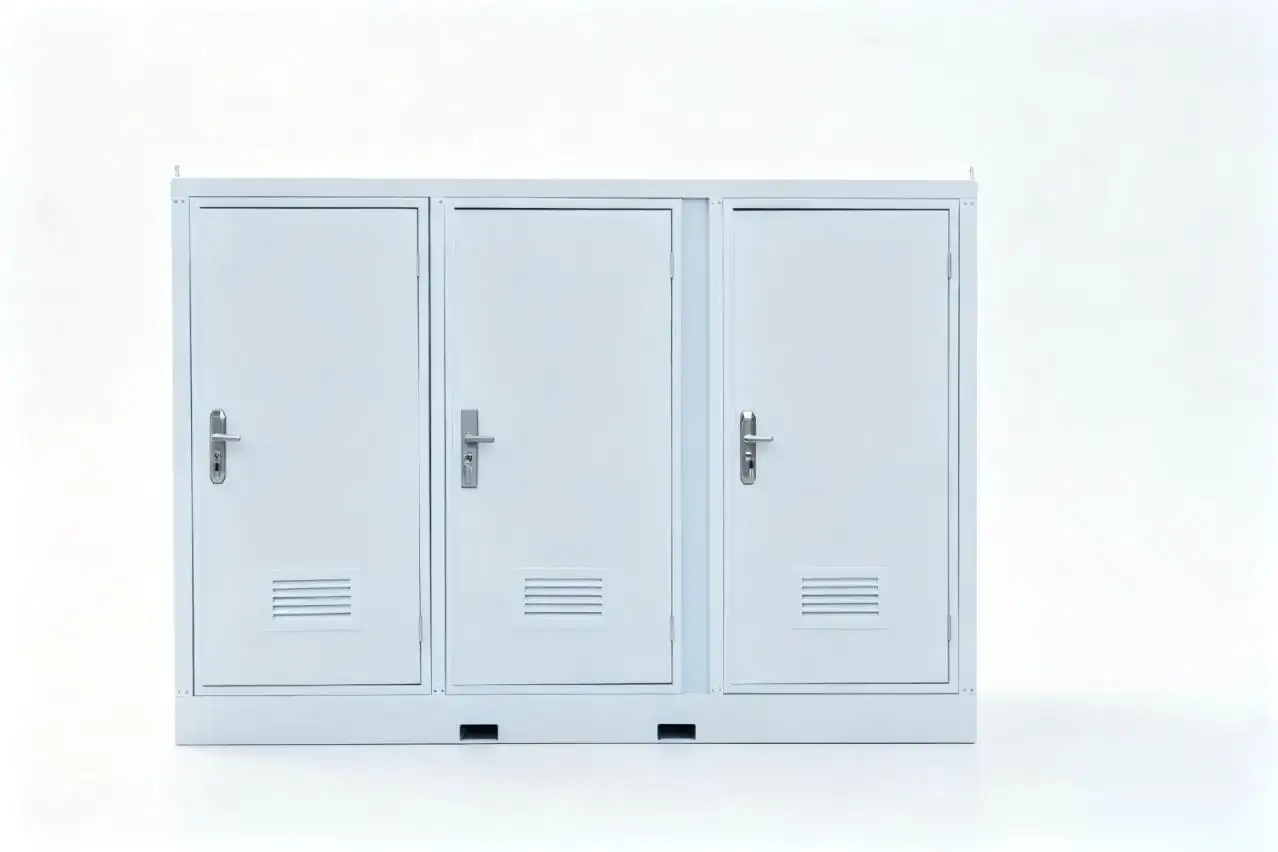
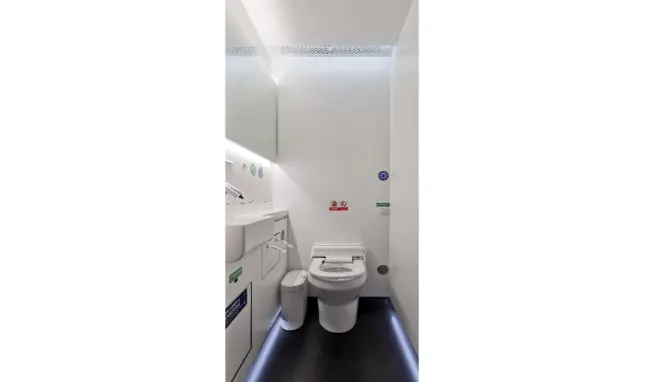
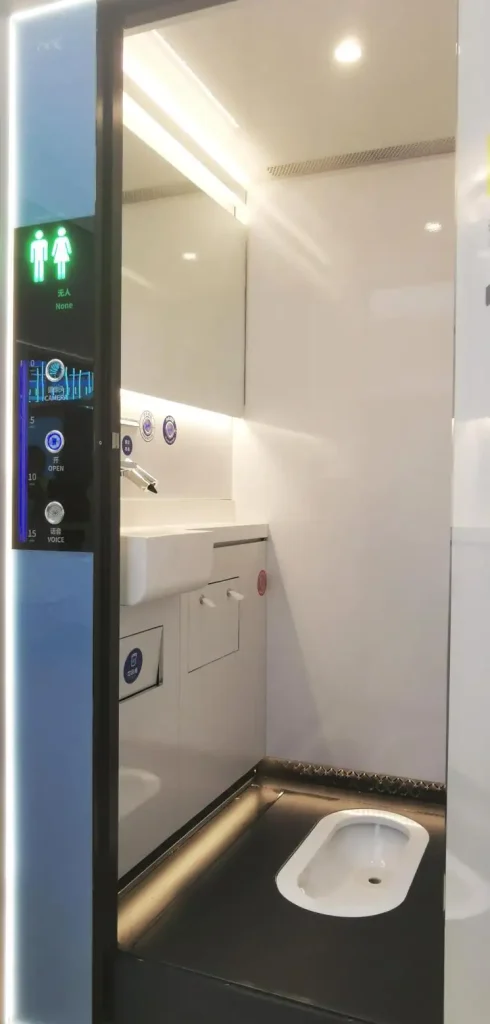
SAUDIND's TBOX KS-S1 (Stainless) combines a corrosion-resistant steel structure, an electrostatic-painted frame, color-steel foam-board walls, a stainless-steel squat toilet, a ceramic wash basin, ventilation openings and integrated flushing components for repeated relocation and cleaning.
Match the Flushable Portable Toilet to Climate and Site Conditions
Project conditions should be confirmed before production rather than after delivery.
At SAUDIND's manufacturing facility, units can be produced to project drawings with quantity, utility connections and site conditions reviewed before manufacturing. The company states a 15,000 m² facility, monthly production capacity of 1,000 units and units rated for 55°C ambient operation, with insulated roof panels and forced ventilation used for hot-climate projects.
This becomes especially relevant for Saudi and GCC applications where prolonged heat, dust and outdoor exposure can affect:
•Interior temperature;
•Water temperature;
•Seals and piping;
•Odor development;
•Electrical equipment;
•Ventilation demand.
Verify Standards Before Final Procurement
ANSI/PSAI Z4.3-2025 applies to portable waste-disposal systems at places of employment where the systems are not connected to a sewer, septic tank or on-site treatment facility. Its scope excludes non-workplace use.
ISO/DIS 25502 is a draft standard for mobile non-sewer-connected toilet cabins, covering hygiene, cleaning and disinfection, service intervals and waste disposal. As of September 2026, it remains in development and should not be presented as a published ISO standard or proof that a product is ISO-certified.
Local wastewater disposal, accessibility, electrical and municipal requirements must also be verified for each project.
Specify Operating Conditions Before Requesting a Quote
When sourcing a Flushable Portable Toilet, do not begin with tank size alone. Provide the supplier with:
•Users per day and expected usage frequency;
•Required operating days between servicing;
•Freshwater availability;
•Power availability;
•Handwashing or shower requirements;
•Pump-out vehicle access;
•Climate and installation conditions;
•Monitoring requirements;
•Required utility connections.
The better procurement question is:
"At our expected user load, how long will the Flushable Portable Toilet operate before freshwater refill and wastewater pump-out are required?"
SAUDIND can configure portable and modular restrooms to match site layout, water supply, wastewater storage and servicing requirements. For construction, remote-site or temporary sanitation projects without permanent sewer infrastructure, visit the SAUDIND Portable Toilets website to review the available configurations and discuss your site's requirements.
FAQs
Q1. Can SAUDIND provide a Flushable Portable Toilet for sites without sewer connections?
Yes. SAUDIND can configure self-contained portable restroom systems using freshwater storage, flushing components and wastewater holding solutions for sites without permanent sewer infrastructure.
Q2. Does a SAUDIND Flushable Portable Toilet require a permanent water connection?
Not necessarily. Depending on the project configuration, an onboard or external freshwater tank can supply flushing and handwashing water where permanent water connections are unavailable.
Q3. How does SAUDIND determine freshwater and wastewater tank capacity?
Tank sizing should be based on expected users, uses per person, flush volume, handwashing demand, cleaning water and the required interval between refill and pump-out servicing.
Q4. Can SAUDIND customize a Flushable Portable Toilet for construction sites?
Yes. SAUDIND can adapt portable restroom configurations according to site layout, expected user load, utility availability, climate conditions and servicing requirements.
Q5. Can SAUDIND provide wastewater level monitoring?
Project configurations can incorporate tank-level monitoring and other management functions to help operators identify when freshwater refill or wastewater pump-out is required.
Written by
admin