


Updated 4 weeks ago
Mobile Toilet Cabin Supplier for Off-Grid Solar Restroom Design
admin
admin
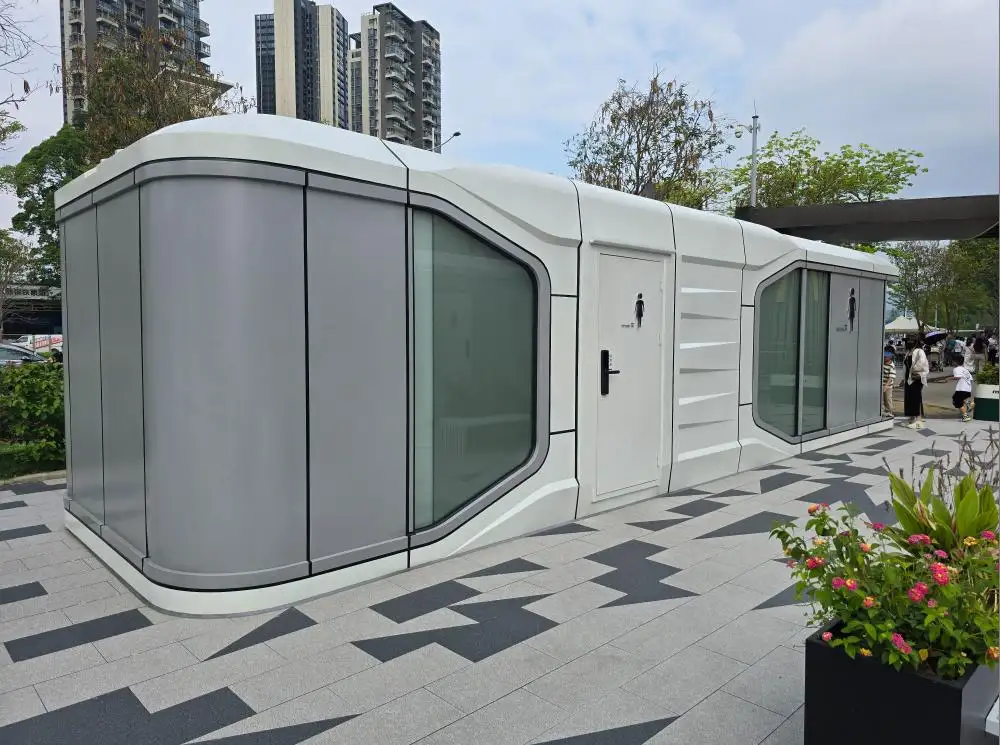
Mobile Toilet Cabin Supplier
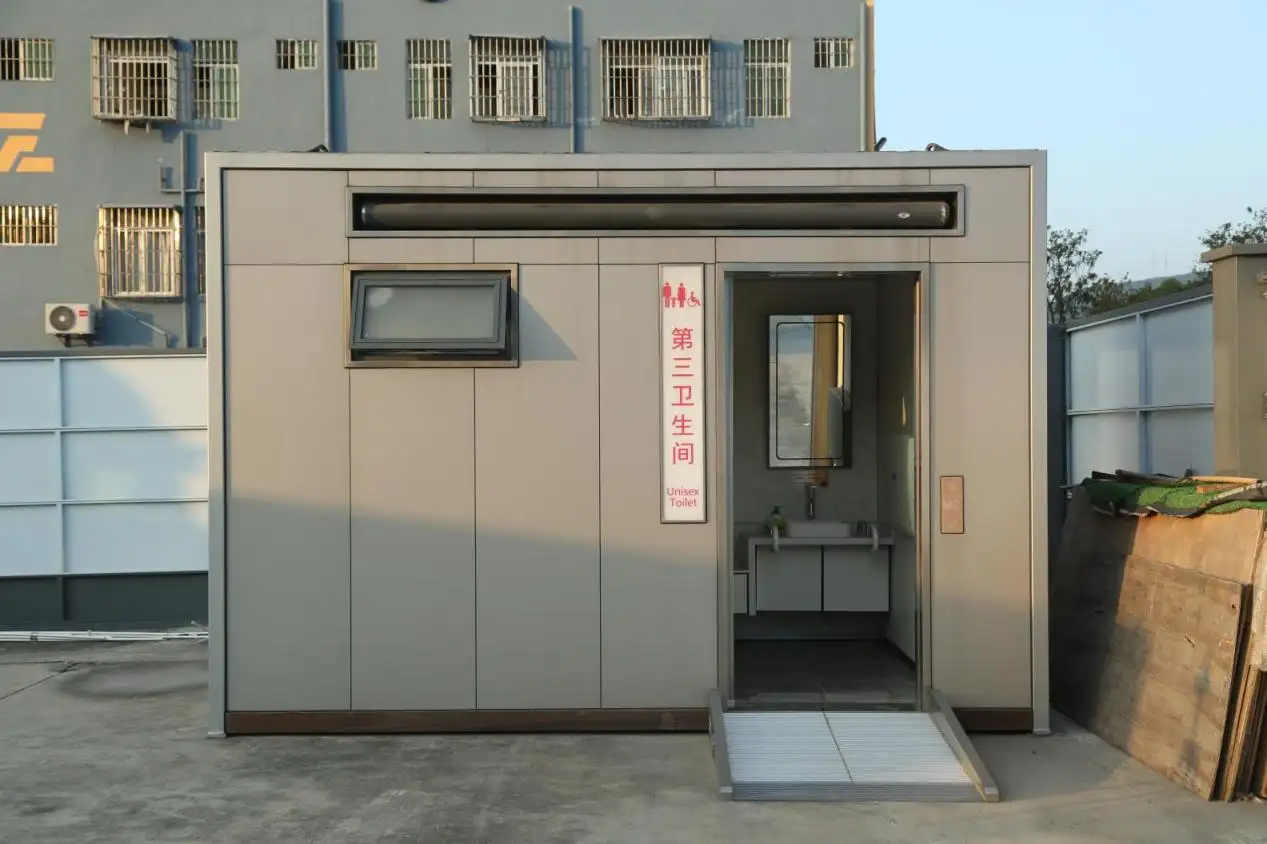
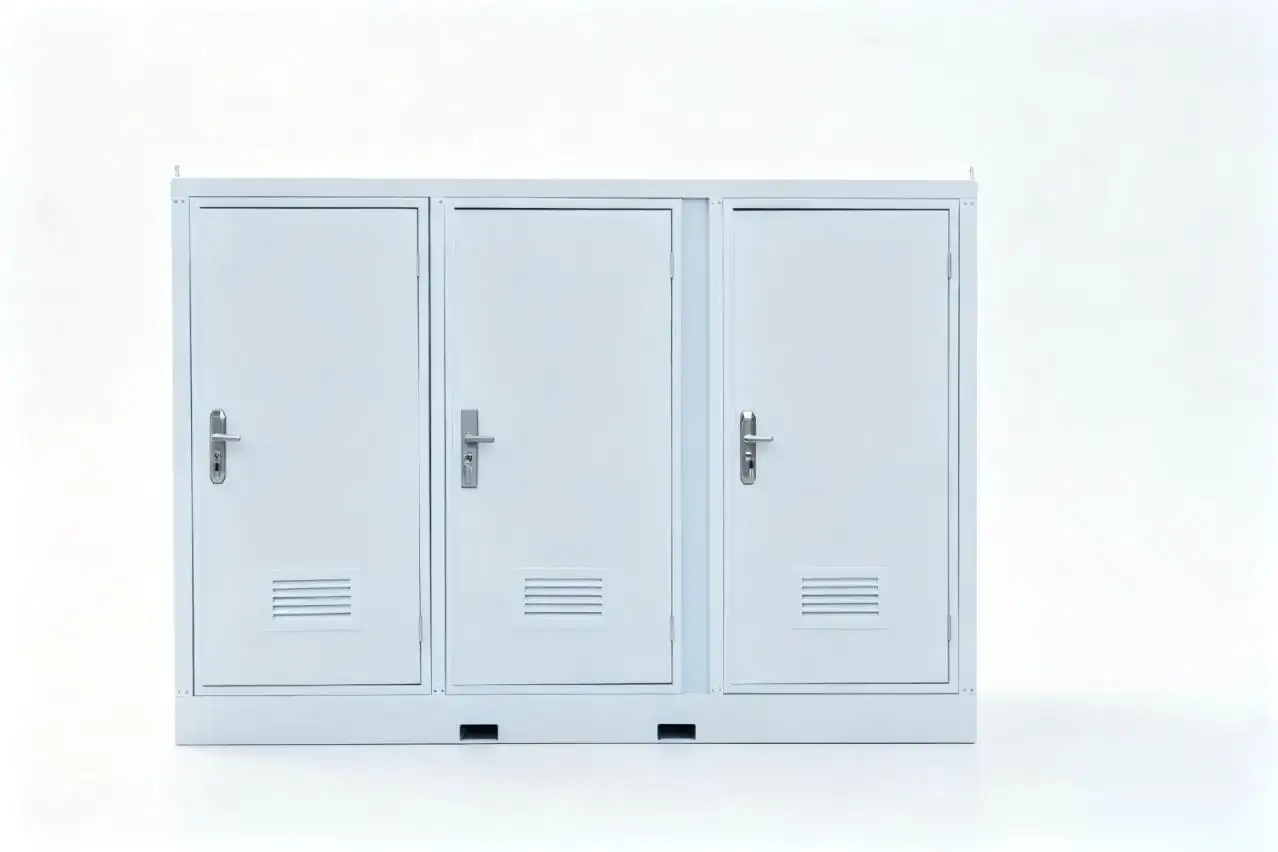
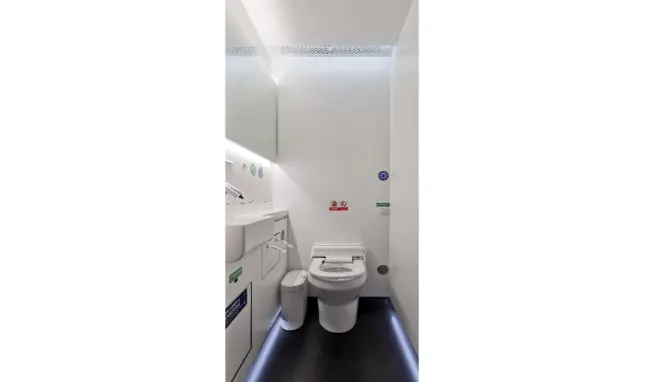
Selecting a Mobile Toilet Cabin Supplier for an off-grid project is not simply a matter of choosing a portable toilet with a solar panel. For construction camps, parks, remote tourism facilities, temporary sites and desert projects, the real engineering challenge is maintaining sanitation when grid electricity, freshwater and sewer connections are unavailable or unreliable.
For an off-grid mobile restroom, SAUDIND Portable Toilets evaluates the following as one utility system:
• Power generation and energy storage
• Freshwater supply
• Wastewater storage or treatment
• Ventilation and odor control
• Monitoring and maintenance access
The weakest of these systems determines the actual autonomy of the cabin.
Off-Grid Autonomy Is More Than Battery Runtime
A common purchasing mistake is to ask the supplier only about battery runtime.
In practice, usable autonomy is limited by the shortest service interval:
Battery autonomy → Freshwater autonomy → Waste-tank autonomy → Consumables → Maintenance
A cabin with three days of battery capacity still requires daily servicing if its holding tank fills within 24 hours.
Before configuration, SAUDIND recommends defining several project inputs:
• Expected uses per day
• Peak-hour usage
• Required unattended operating days
• Flush and handwashing demand
• Ambient temperature range
• Solar availability and shading
• Water refill access
• Waste pump-out access
This information should drive system sizing rather than starting with a fixed "solar toilet package."
Calculate Daily Energy in Wh Before Sizing Solar Panels
Ask the supplier to calculate the complete daily electrical load before specifying PV capacity.
The basic relationship is:
Daily Energy = Equipment Power × Operating Hours × Duty Cycle
Typical loads include:
| Equipment | Load Type | Design Impact |
| LED lighting | Intermittent | Low overall energy demand |
| Exhaust fan | Continuous or demand-controlled | Can become a major base load |
| Water pump | Short-duration peak | Affects peak current |
| Deodorization | Continuous/intermittent | Adds standby consumption |
| IoT/controller | 24-hour | Small but constant |
| Air conditioning | Extended operation | Can dominate system sizing |
Rated wattage alone is therefore insufficient.
A 20 W fan operating continuously can consume more daily energy than a higher-power pump operating only several minutes per day; compare both loads using their actual power and daily operating time.
System design should also include losses from:
• MPPT/controller efficiency
• DC/DC or inverter conversion
• Cable voltage drop
• Dust accumulation on PV modules
• Elevated module temperature
• Battery temperature and aging
For Gulf projects, this last point matters significantly. Strong solar radiation does not eliminate derating. High module temperature can reduce PV output while simultaneously increasing ventilation or cooling demand.
Reduce the Load Before Increasing PV and Battery Capacity
Reduce unnecessary daily loads before selecting PV and battery capacity. Increasing the solar array is not a substitute for controlling avoidable energy use
Start by reducing energy demand through:
Occupancy-Based Lighting
Motion or door sensors prevent lights from operating continuously.
Passive-First Ventilation
Louvers, high-level openings and cross ventilation can reduce the number of hours a powered exhaust fan must operate.
Duty-Cycle Control
Pumps, deodorization devices and treatment equipment should operate according to demand instead of remaining permanently energized.
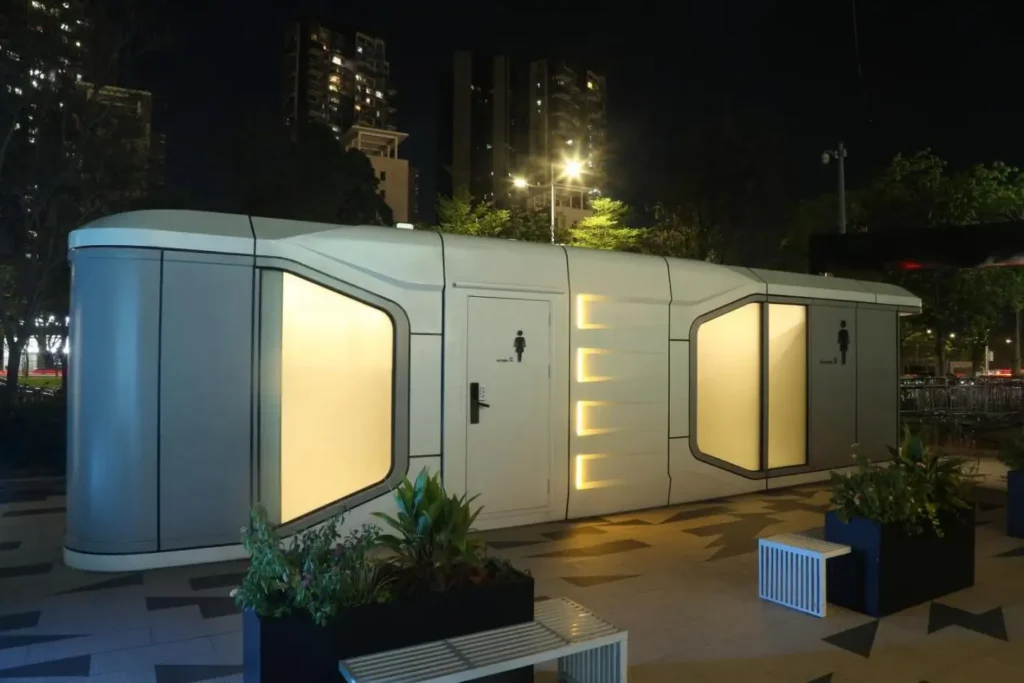
Selected SAUDIND self-contained restroom designs use sensor lighting, passive ventilation openings and project-specific electrical configurations.
Solar-Only, Battery and Hybrid Systems Should Be Compared
Not every remote site requires the same architecture.
| Power System | Strength | Main Limitation | Best Fit |
| Solar Direct | Lowest system complexity | Limited after sunset | Very low-load cabins |
| Solar + Battery | Day/night operation | Battery cost and thermal management | Remote off-grid sites |
| Solar/Grid Hybrid | High redundancy | Requires grid access | Parks and municipal sites |
| Solar + Generator Backup | Long emergency autonomy | Fuel, noise and maintenance | Remote camps |
SAUDIND can configure the power supply to suit site conditions.
Solar plus battery storage can support day-and-night operation, with capacity selected for the site's electrical load and required autonomy.
Battery Capacity Must Be Evaluated in Usable Wh
Battery size should not be judged only by amp-hours.
Nominal Energy (Wh) = Voltage × Ah
However, usable capacity is lower because engineers must consider:
• Depth of discharge
• Battery chemistry
• Temperature derating
• Conversion losses
• Aging reserve
• Required cloudy-day autonomy
For example, a battery nominally rated at 5 kWh should not automatically be treated as 5 kWh of usable site energy.
Ask the supplier for both nominal and usable storage figures and the autonomy period assumed for the design.
Freshwater and Wastewater Should Be Sized Together
Electrical autonomy is only half of the system.
Daily freshwater demand typically includes:
• Toilet flushing
• Handwashing
• Cleaning
• Bidet or spray use
• Optional shower demand
A practical calculation begins with:
Daily Water Demand = Uses per Day × Water per Use + Auxiliary Water Consumption
Wastewater capacity should then be matched to the same service interval.
A larger freshwater tank alone does not extend autonomy if the waste tank becomes full first.
This is why SAUDIND evaluates freshwater storage, wastewater storage and service access as one operating system rather than separate product features.
Water Recycling Is Not Automatically the Best Solution
Water recycling can reduce refill frequency, but it introduces additional engineering requirements:
• Pumps
• Filters
• Treatment stages
• Sensors
• Cleaning cycles
• Electrical consumption
For sites with easy pump-out access, a simple holding-tank system may offer lower lifecycle complexity.
For remote sites where water supply is difficult, recycling may justify the additional energy and maintenance.
The decision should therefore be based on the complete operating cost rather than water savings alone.
High-Temperature Sites Need Thermal and Dust Planning
For Saudi Arabia and other Gulf markets, system design must account for heat and dust as well as solar availability.
Extreme heat and dust can affect:
• PV generation
• Battery lifetime
• Electronic controls
• Ventilation demand
• Pump reliability
• Odor generation
• Cabin interior temperature
Important design measures can include:
• Insulated wall and roof panels
• Protected electrical enclosures
• Shaded battery compartments
• Dust-resistant ventilation paths
• Accessible PV cleaning points
• Forced ventilation where passive airflow is insufficient
SAUDIND develops modular and mobile restroom systems for regional operating conditions, including high-temperature and sand-exposed environments.
Installation Layout Directly Affects Performance
Even a correctly sized system can underperform if site installation is poor.
The installation plan should ensure:
• Minimal PV shading
• Correct solar orientation
• Ventilation around battery and electrical equipment
• Drainage away from electrical enclosures
• Clear waste pump-out access
• Maintenance access to pumps and filters
For modular projects, SAUDIND also considers lifting, transport, foundation and utility-interface requirements during configuration.
What Buyers Should Ask a Mobile Toilet Cabin Supplier
Before placing an order, buyers should request more than a brochure.
Ask the supplier to provide:
• Design uses per day
• Daily electrical demand in Wh
• PV rated capacity
• Battery nominal and usable capacity
• Required autonomy days
• Freshwater tank capacity
• Wastewater tank capacity
• Flush volume
• Ventilation strategy
• Operating temperature range
• Maintenance interval
• PV and battery compliance documents
• Electrical enclosure protection
• Installation and service requirements
The most useful comparison is therefore not simply unit price.
It is:
Purchase Cost + Energy Demand + Refill Frequency + Pump-Out Frequency + Maintenance + Expected Service Life
For projects where grid power, water or sewer infrastructure is limited, SAUDIND can configure mobile and modular restroom systems around site-specific power, water, sanitation and maintenance requirements. Working with an experienced Mobile Toilet Cabin Supplier at the design stage helps reduce oversizing, service interruptions and long-term operating cost.
FAQs
Q1. Can SAUDIND provide mobile toilet cabins for off-grid sites?
Yes. SAUDIND can configure mobile and modular restroom solutions for locations where grid electricity, freshwater, or sewer infrastructure is limited. Power, water storage, wastewater handling, and ventilation can be planned according to project requirements.
Q2. Can SAUDIND mobile toilet cabins use solar power?
Yes. SAUDIND supports project-specific solar, grid, and hybrid power configurations. The appropriate system depends on daily electrical load, solar conditions, required autonomy, and site layout.
Q3. How does SAUDIND determine the solar system size for a mobile toilet cabin?
Solar sizing should begin with the cabin's total daily energy demand in Wh. Lighting, ventilation, pumps, controllers, sensors, deodorization systems, and other electrical equipment should all be included before PV and battery capacities are selected.
Q4. Can SAUDIND design mobile toilets for Saudi Arabia and other hot climates?
SAUDIND develops mobile and modular restroom systems for Gulf operating conditions. Project design can consider high ambient temperatures, dust exposure, ventilation requirements, insulated structures, and protection of electrical components.
Q5. Does SAUDIND offer battery storage for off-grid mobile toilets?
Battery storage can be integrated into suitable off-grid configurations. Battery capacity should be selected according to nighttime load, usable battery capacity, required autonomy, temperature conditions, and expected low-solar periods.
Written by
admin