



Updated 2 months ago
Event Portable Loo Hire: What Is Included in a Standard Hire Package?
admin
admin
Event Portable Loo Hire
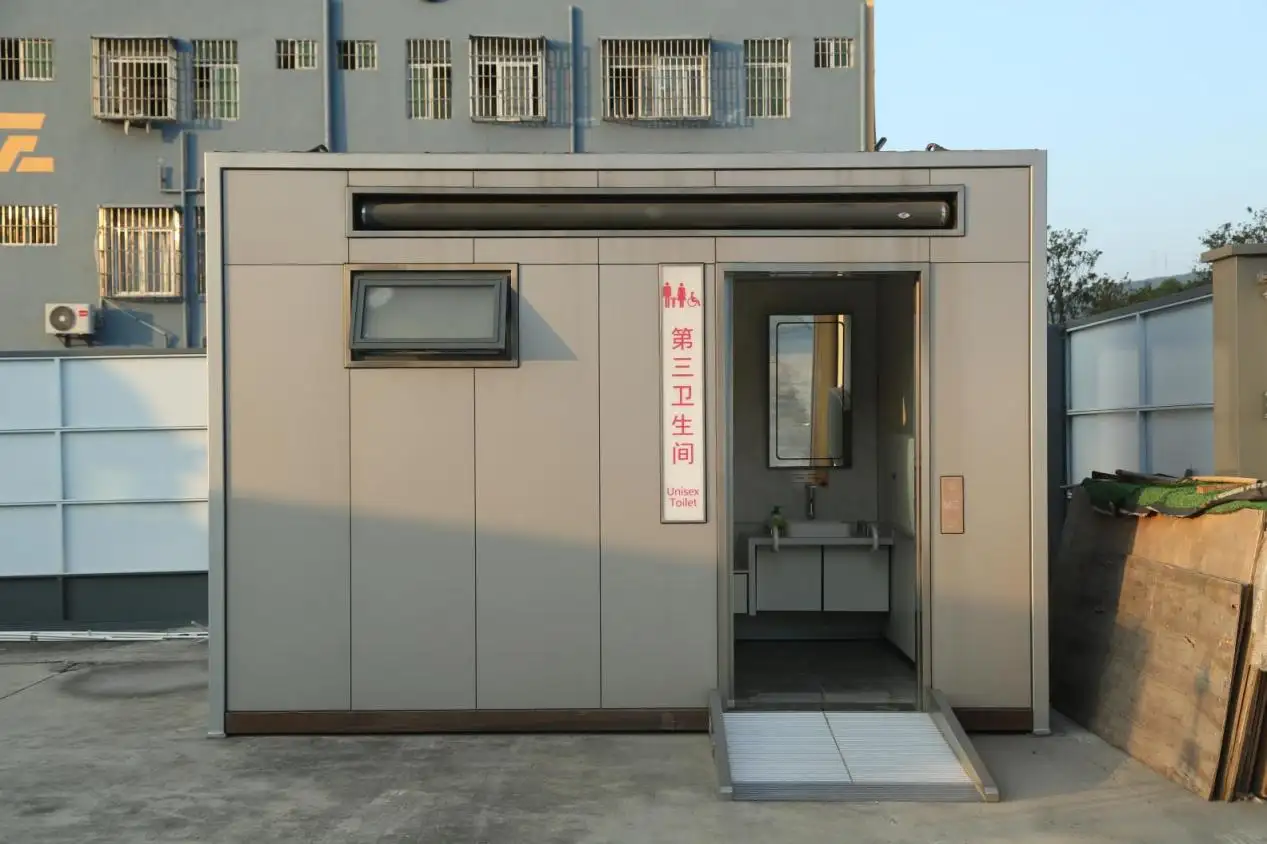
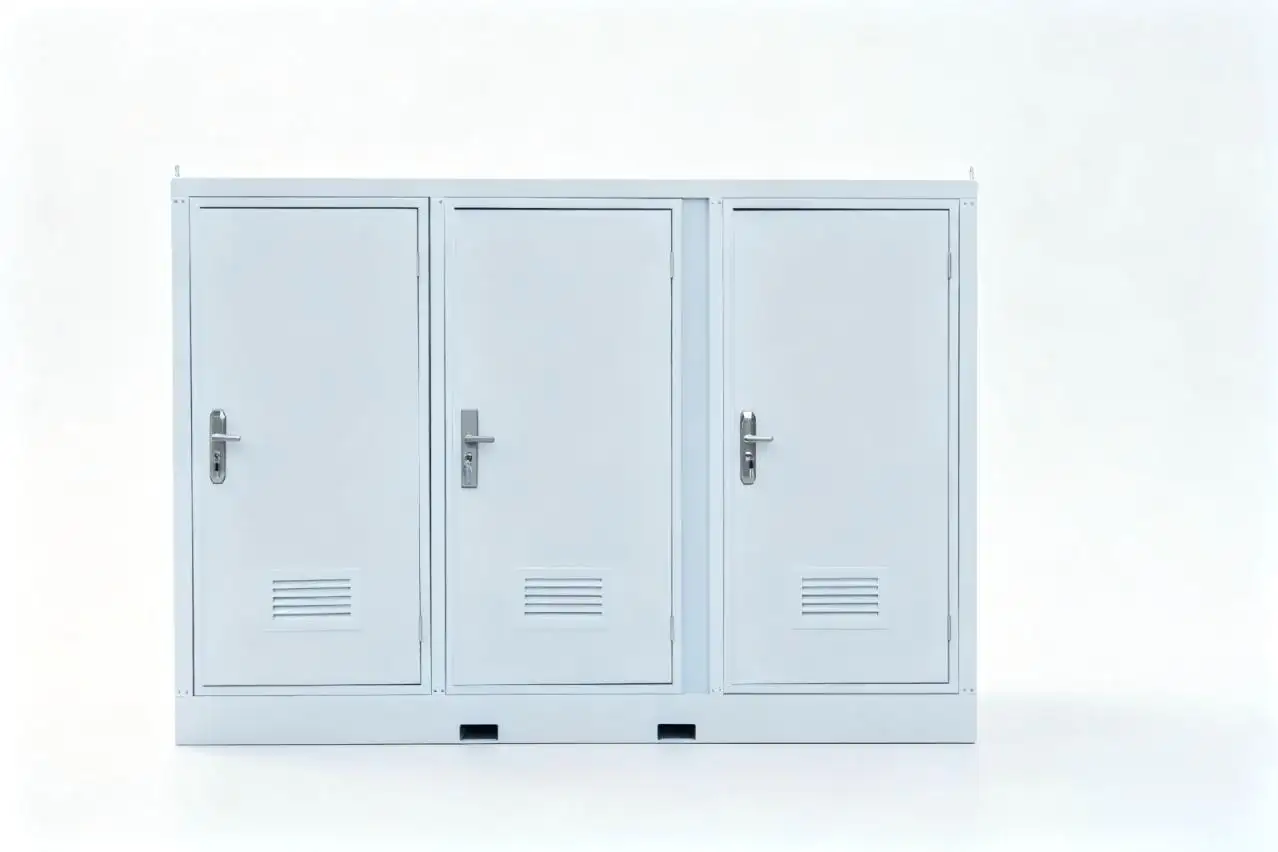
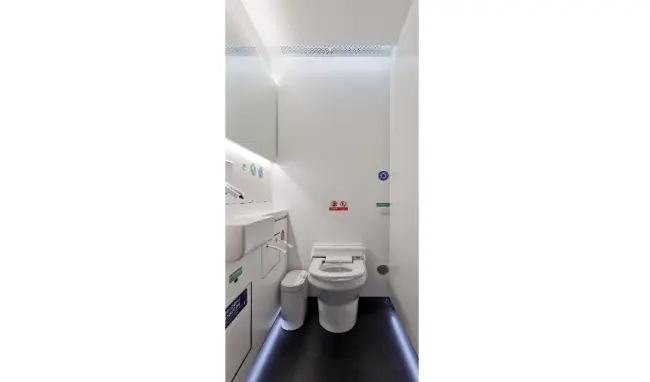
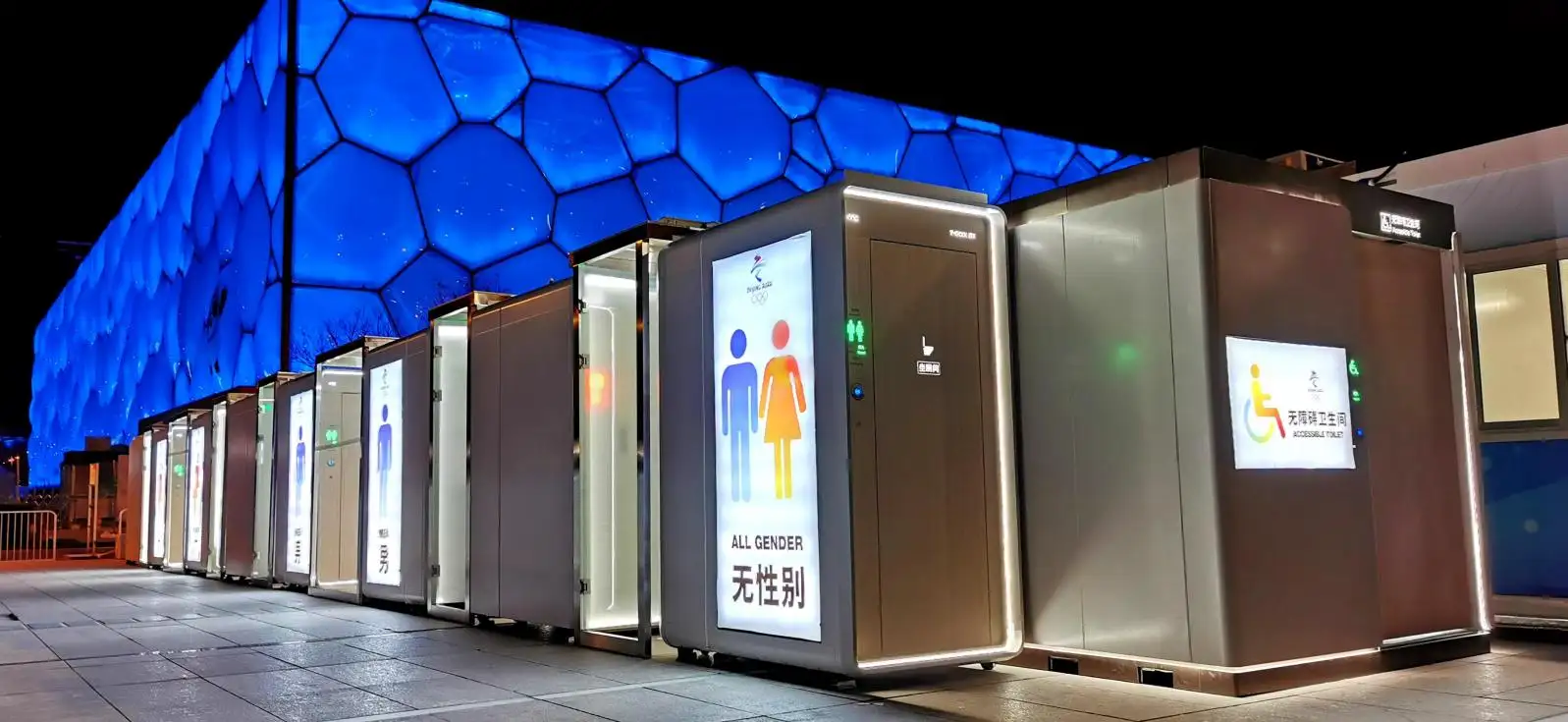
An Event Portable Loo Hire package offers more than the rental of toilet cabins for a well-managed event. Depending on the quotation, it may include restroom units, transport, placement, wastewater management, cleaning, consumables, technical support, and collection after the event.
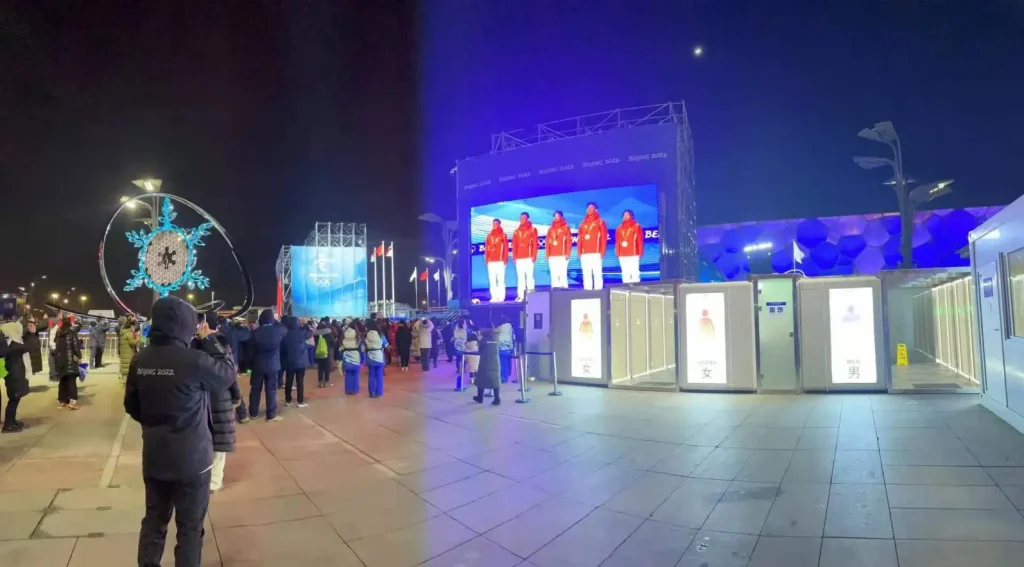
The precise definitions of the package vary with the expected number of visitors, the duration of the event, the type of toilets, and the access and availability of water, drainage and power at the site. For a one-day event, the supplier may only provide deployment of the toilets before and collection after the event. For a three-day festival, the supplier may need to provide several scheduled cleanings, onsite replenishment of fresh water, removal of wastewater by pump, and inspections of the toilets.
For this reason, buyers should compare service scope and operating capacity, not simply the lowest daily hire price.
What Is Included in Event Portable Loo Hire?
A standard Event Portable Loo Hire contract includes several operational elements.
| Hire Component | Formal Definition | Confirm |
| Toilet Units | Usable Units | Description, Quantity, Capacity |
| Delivery | Transport Arrangements | Distance, Accessibility, Unloading |
| Positioning | Placement Arrangements | Ground, Flow, Accessibility |
| Collection | Removal Arrangements | Time, Responsibility for Clearance |
| Waste Servicing | Removal of Waste | Holding Tanks Capacity of Waste Tank and Pump-Out Service Frequency |
| Cleaning | Sanitization of the Unit | Number of Visits |
| Consumables | Supply of Paper, Soap, etc. | Supply and Service of Refill |
| Technical Support | Service for Faults | Response and Support |
Depending on the quotation, servicing may cover cleaning, waste removal, consumable replenishment, and fresh-water refilling for a defined hire period.
What Type of Portable Loo Are You Hiring?
The type of Event Portable Loo Hire equipment hired affects the type and level of service required.
The equipment type includes:
• Portable Loo with no Flushing
• Portable Toilets with Flushing
• Self-contained Restroom Units
• Wheelchair-accessible Portable Restroom Units
• Portable Restroom Units that contain several Cabins
• Restroom Units with Enhanced Services
The type of service that will be required flows from the following sequence:
Expected Attendance → Length of Event → Peak Use Period → Service Level → Storage Capacity → Service Frequency
For a short local event, basic portable cabins may suffice. However, for a multi-day festival, portable cabins with a service for flushing, handwashing, increased storage, closure, and access may be required.
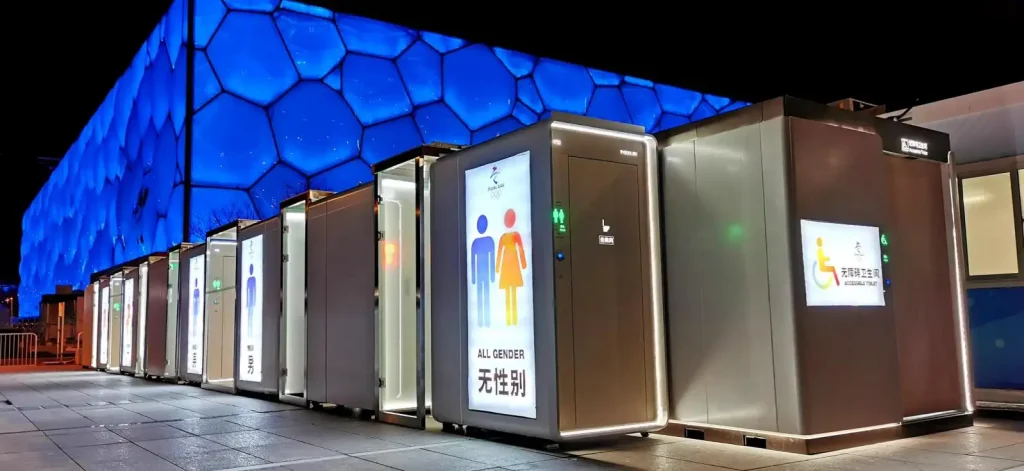
Capacity Matters More Than Unit Count Alone
Simply specifying "XX portable toilets" gives an incomplete picture.
For Event Portable Loo Hire, operators should also evaluate:
• Estimated uses per toilet per day
• Peak-hour demand
• Fresh-water consumption
• Wastewater generation
• Holding-tank usable volume
• Cleaning intervals
• Pump-out access
• Consumable storage
A simple operational check is:
Required daily wastewater capacity ≈ expected uses × average wastewater generated per use
The actual value depends heavily on whether the toilet uses conventional flushing, low-water flushing, handwashing, or other water-consuming fixtures.
A low-flush design can therefore extend the time between water refilling and wastewater pump-out, particularly where event sites lack permanent infrastructure.
Delivery and Setup Are Part of the Hire Engineering
Logistics can determine whether an Event Portable Loo Hire plan works in practice.
Before Delivery
Confirm:
• Vehicle width and turning access
• Surface load-bearing condition
• Gates, height limits, and barriers
• Delivery time restrictions
• Crane or forklift requirements where applicable
During Positioning
Restroom zones should allow:
• Safe pedestrian circulation
• Separation from food-service areas where appropriate
• Service-vehicle access
• Emergency-route clearance
• Stable and level installation
• Water and electrical connection where required
Service access is especially important. A toilet positioned conveniently for guests but inaccessible to a waste-service vehicle can create major operational problems during a multi-day event.
Cleaning and Waste Servicing During the Hire Period
For multi-day Event Portable Loo Hire, service frequency can be as important as the number of toilets provided.
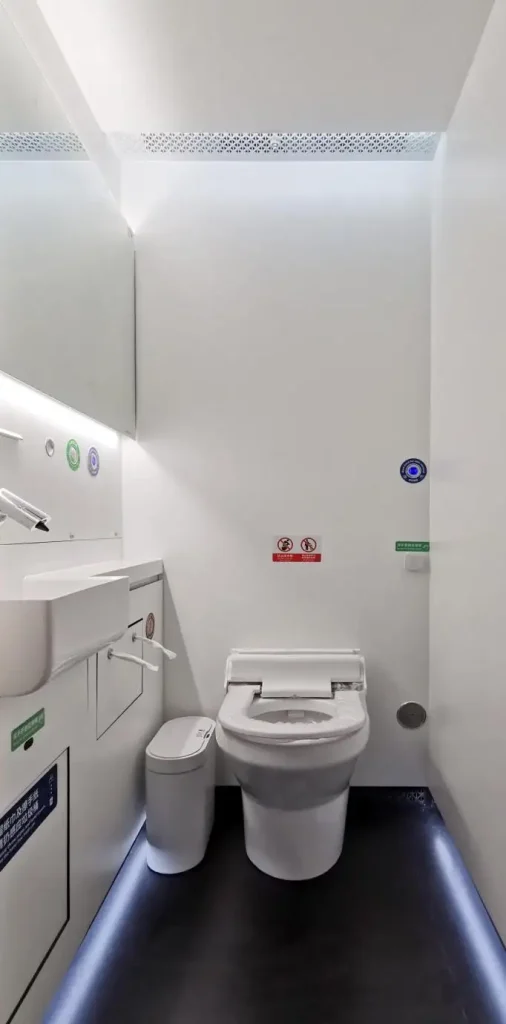
A servicing cycle may include:
Inspect → Clean → Refill Consumables → Check Water → Check Wastewater → Correct Faults
Service planning should consider peak attendance, event duration, expected usage, access for service vehicles, and the agreed cleaning and pump-out schedule.
| Variable | Operational Impact |
| Higher visitor volume | Faster consumable and tank usage |
| Longer opening hours | More cleaning cycles |
| Food/alcohol events | Potentially higher toilet usage |
| Small wastewater tanks | More frequent pump-out |
| Limited water supply | Greater need for low-water systems |
| Multiple toilet zones | More complex service logistics |
Peak periods should also be considered separately from average daily usage. Concert intermissions, race finishes, meal breaks, and event closing periods can create short but intense demand.
What May Cost Extra?
Basic Event Portable Loo Hire pricing does not always include every operating requirement.
Depending on the supplier and contract, additional charges may apply for:
• Extra cleaning visits
• Additional wastewater pump-outs
• Fresh-water refilling
• Long-distance transport
• Difficult-access delivery
• Temporary electrical supply
• Additional consumables
• Emergency service calls
• Damage repair
• Extended hire periods
• Weekend or out-of-hours servicing
These items should be defined before booking so the quoted hire price can be compared on a like-for-like basis.
How Event Duration Changes the Hire Package
For a single-day event, the quotation may focus on delivery, positioning, and collection. For a multi-day event, confirm the planned cleaning, consumable replenishment, fresh-water, and wastewater-service schedule with the supplier.
| Event Type | Typical Hire Scope | Main Planning Issue |
| One-day event | Delivery, setup, collection | Initial capacity |
| Weekend event | Units + scheduled cleaning | Waste and consumables |
| Multi-day festival | Repeated servicing | Tank and cleaning intervals |
| Seasonal venue | Long-term rental | Maintenance reliability |
| Large public event | Multiple restroom zones | Fleet monitoring and logistics |
As duration increases, Event Portable Loo Hire becomes less about unit delivery and more about continuous sanitation operations.
Why Self-Contained Design Matters
A well-designed mobile restroom can reduce dependency on permanent site utilities.
Useful technical features include:
• Integrated fresh-water storage
• Sealed wastewater tanks
• Low-water flushing
• Mechanical ventilation
• Washable wet-area surfaces
• Accessible service compartments
• Modular plumbing and electrical systems
• Tank-level monitoring
For remote outdoor events, integrated tanks can allow toilets to operate where direct municipal water or sewer connections are unavailable.
Maintenance-oriented construction is equally important. Accessible pumps, valves, tanks, filters, and electrical components can reduce service time compared with systems where maintenance points are difficult to reach.
Smart Monitoring for Event Portable Loo Hire Fleets
Large event sites may distribute dozens of restroom units across separate zones. Fixed service schedules do not always reflect actual usage.
Smart systems can provide data such as:
• User counts
• Occupancy status
• Fresh-water levels
• Wastewater levels
• Equipment status
• Maintenance notifications
• Remote operating information
Smart monitoring does not replace inspection, cleaning, or planned maintenance. Its practical value is helping operators identify which restroom zone requires attention first.
This can make Event Portable Loo Hire servicing more demand-based rather than relying entirely on fixed inspection intervals.
SAUDIND's Design Approach for Event Hire Operations
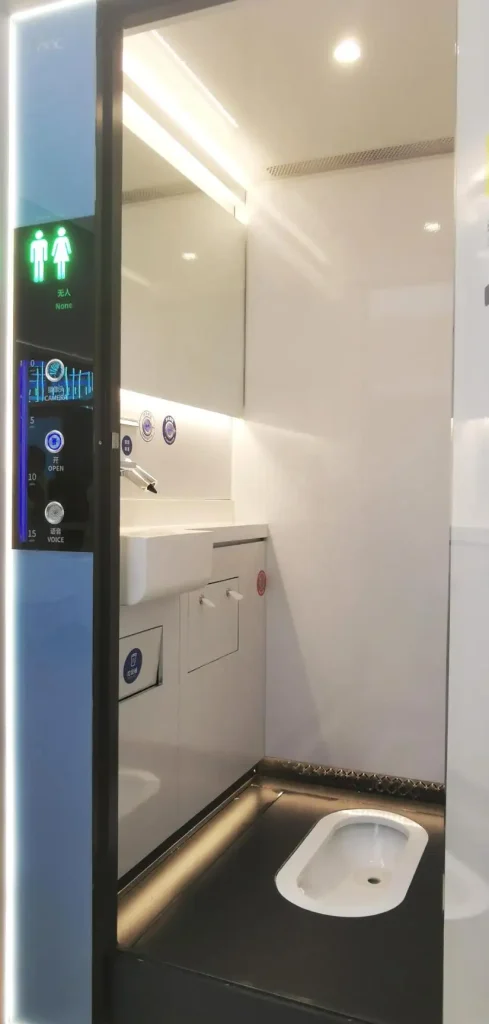
SAUDIND approaches mobile sanitation from the equipment and operating-system side. Instead of treating the restroom as only a cabin, configurations can combine modular structure, water supply, wastewater handling, ventilation, electrical systems, and optional smart monitoring.
For event and rental applications, the design philosophy can include:
Modular Deployment
Prefabricated structures support transportation, installation, relocation, and temporary use.
Adaptable Water and Waste Arrangement
Based on the project's planned infrastructure, the systems can utilize municipal connections, onboard freshwater storage, sealed wastewater storage, or other custom wastewater solutions developed for the project.
Design Facilitative of Maintenance
The design is supportive of inspection and maintenance due to the presence of cleanable surfaces, service areas that are easy to access, and pieces of equipment that are easy to replace.
IoT Monitoring
Optional tank-level, usage, occupancy, fault, and maintenance data can support larger Event Portable Loo Hire fleets.
Look Beyond the Daily Hire Price
A reliable Event Portable Loo Hire package should be evaluated as a complete operating service. Toilet quantity matters, but so do tank capacity, cleaning frequency, waste servicing, water supply, logistics, maintenance access, consumables, and collection.
Improved design of equipment used in the events industry can simplify the planning and management tasks for both events organizers and equipment renters.
Are you currently tasked with the sanitation engineering for a particular event? SAUDIND can help you evaluate modular restrooms, freshwater and wastewater systems, service access and site-specific configurations, among other things. The best Event Portable Loo Hire solution can be developed by correlating the restroom systems with the number of event attendees, the duration of the event, the utilities available on site, and the level of maintenance required.
FAQs
Q1. What does SAUDIND offer for Event Portable Loo Hire projects?
SAUDIND offers customized modular systems for temporary restrooms. Our systems consist of multiple modules that can be configured for various outdoor events and temporary locations. Based on the project specifications, the systems can connect to external utilities or use self-contained systems for water and wastewater.
Q2. Can SAUDIND's portable toilets function without a sewer connection?
Yes. Some of our designs use sealed wastewater and clean-water tanks, allowing temporary restroom facilities where permanent sewer connections are unavailable. Whether a mains-water connection is needed depends on the selected configuration.
Q3. What wastewater options does SAUDIND offer?
Based on the circumstances at the location, SAUDIND can offer solutions for the disposal of wastewater via a municipal connection, storage on the unit, or a vacuum collection system. The final option should be based on the expected usage, the frequency of service, and the available infrastructure.
Q4. Can SAUDIND offer low-water flushing solutions?
Yes. SAUDIND can assess low-water flushing configurations. Water demand depends on the sanitary ware, pipework, operating settings, and system configuration.
Q5. Is SAUDIND able to offer smart monitoring systems for Event Portable Loo Hire fleets?
Yes. SAUDIND can offer systems that provide occupancy status, tank-level indicators, alerts for supplies, fault indicators, and status of services. These systems can help service providers manage and prioritize services for large restroom fleets.
Written by
admin