



Updated 2 months ago
Outdoor Toilet With Built-In Fresh Water Tank: How Integrated Water Systems Work
admin
admin
Outdoor Toilet With Built-In Fresh Water Tank
An outdoor toilet with a built-in fresh-water tank can support flushing, handwashing, and routine cleaning at locations without a permanent water connection. It still requires planned water refilling, wastewater removal, and maintenance, so its suitability should be compared with chemical-toilet options for the specific site.
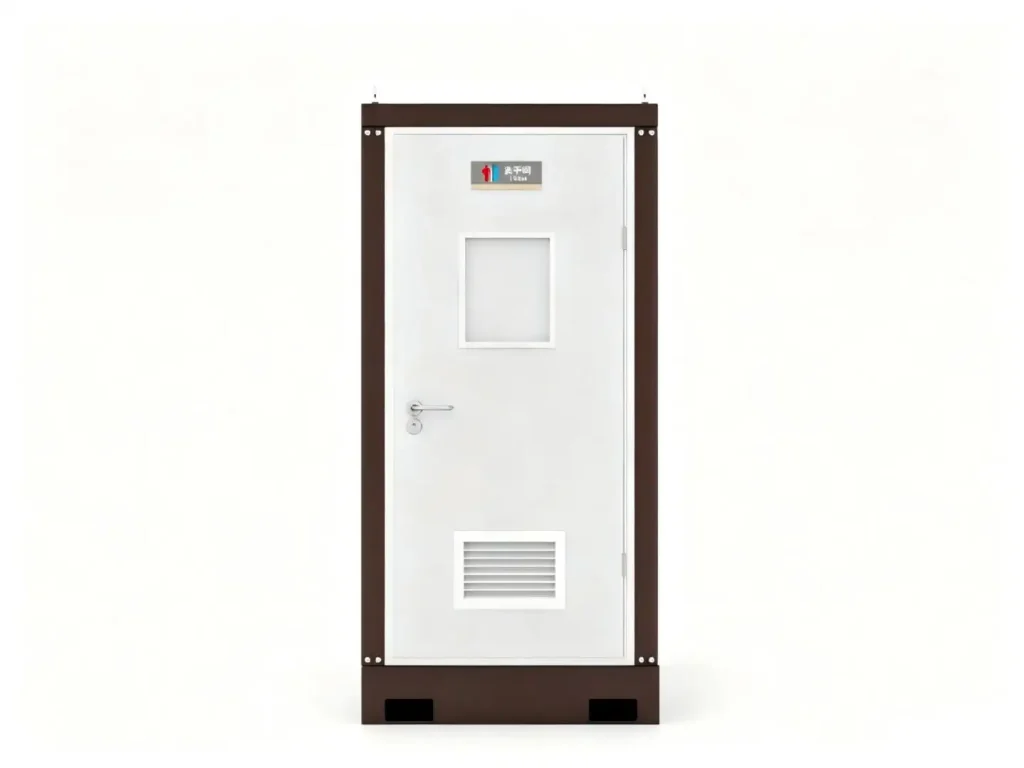
A built-in tank does not eliminate servicing. Depending on the configuration, the unit may require fresh-water refilling, wastewater removal, pump or pressure-system checks, cleaning, and routine maintenance.
What Is an Outdoor Toilet With Built-In Fresh Water Tank?
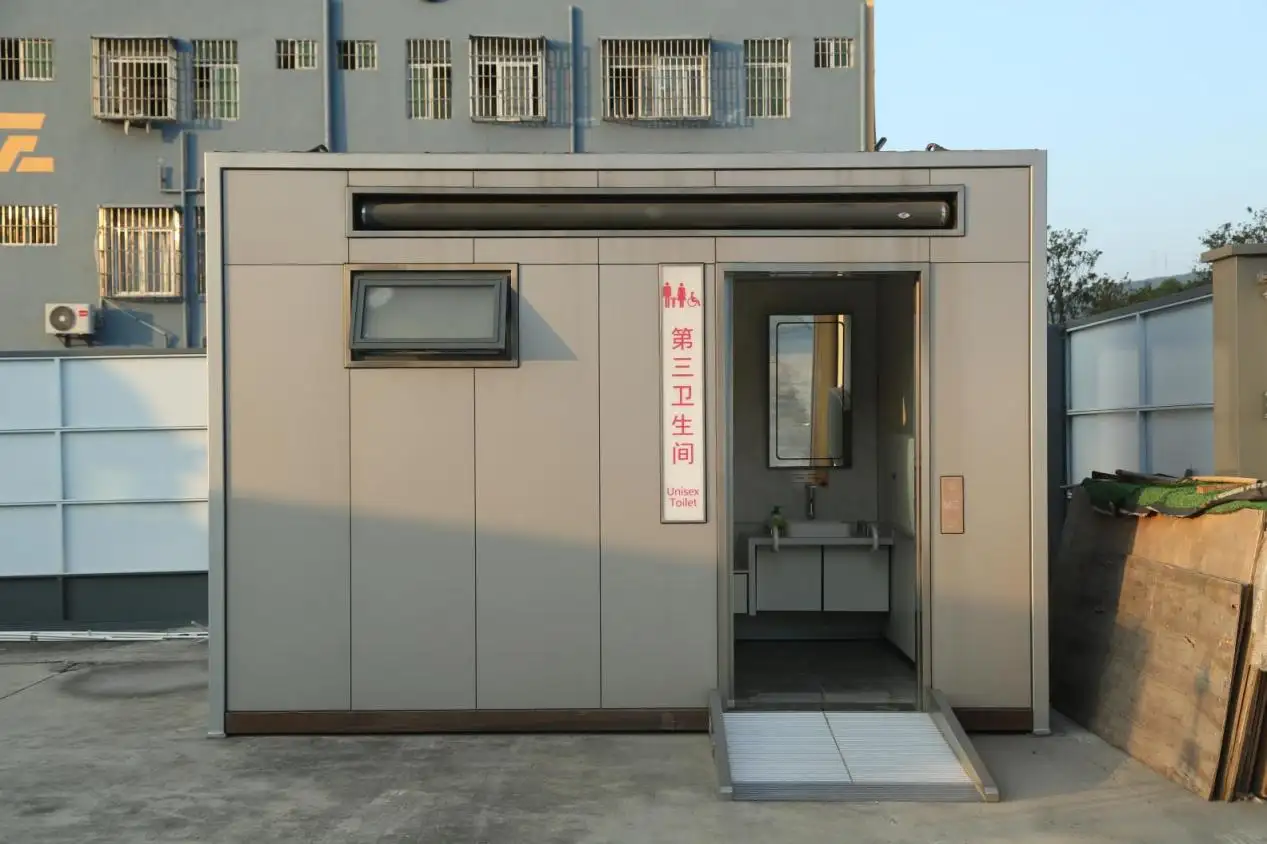
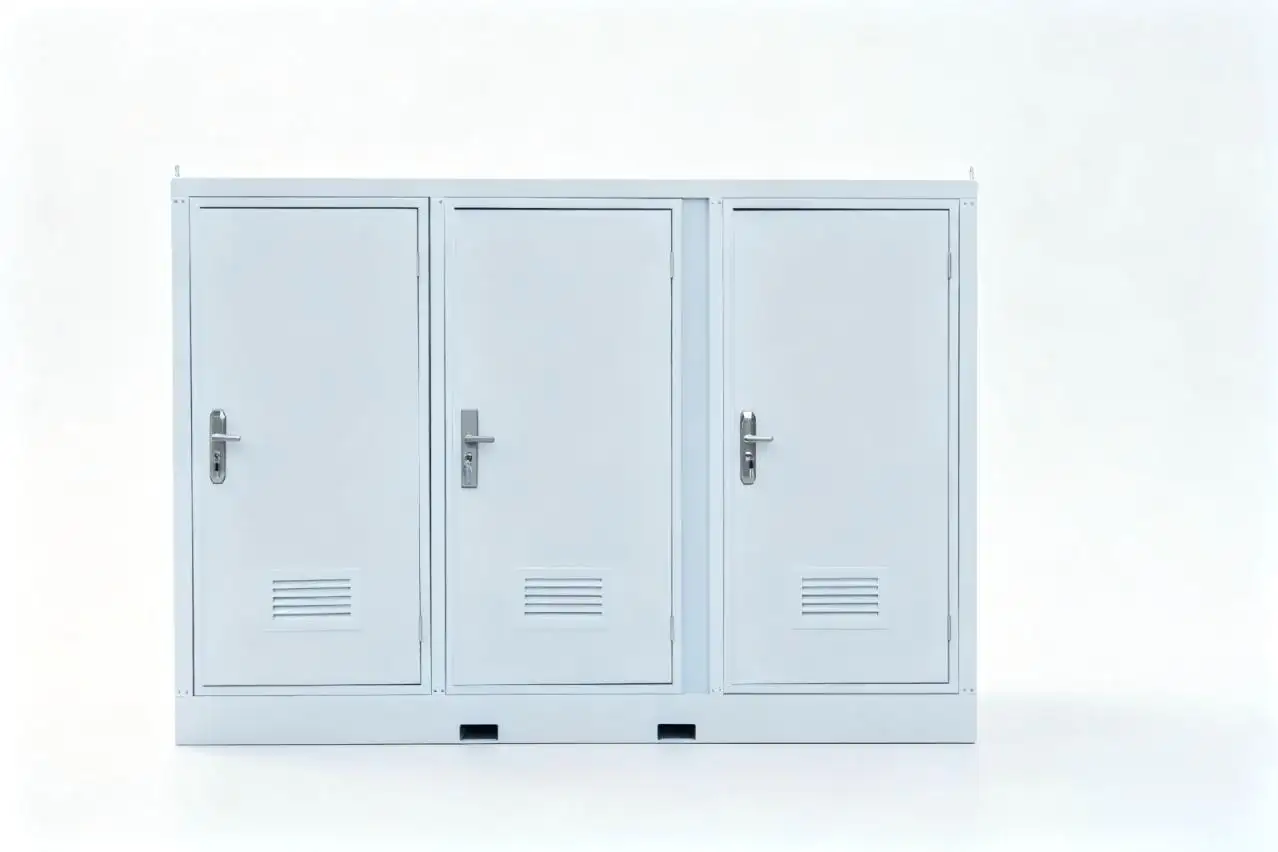
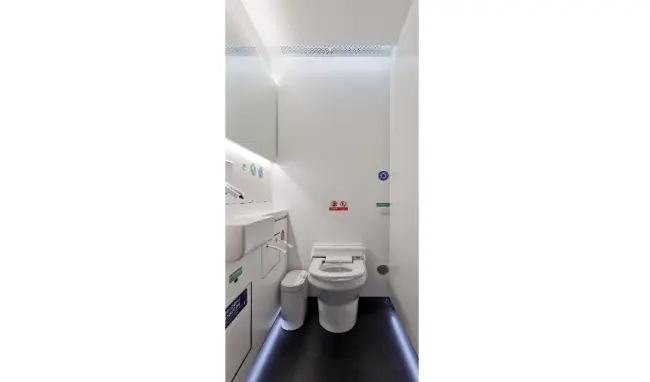
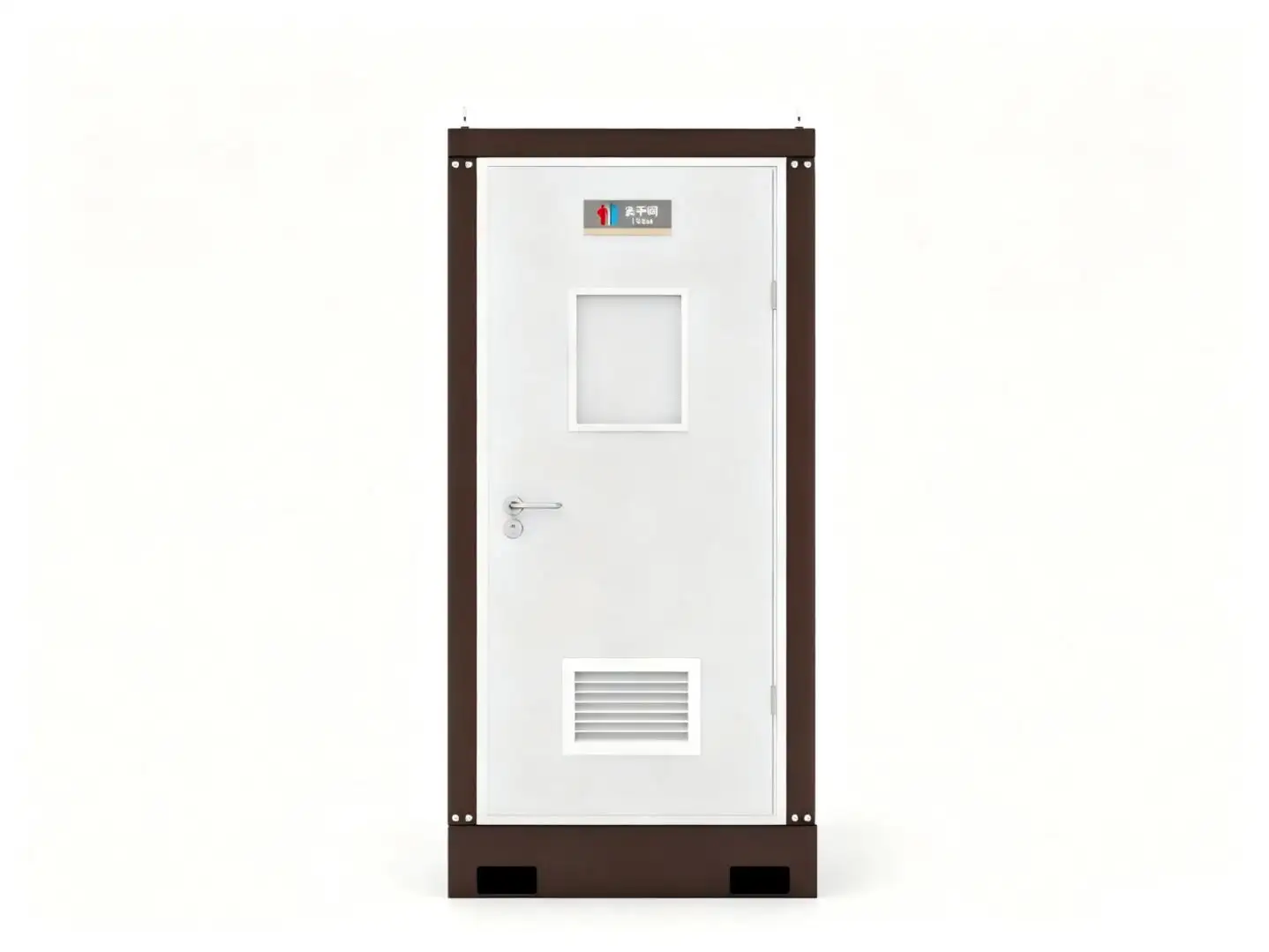
An Outdoor Toilet With Built-In Fresh Water Tank combines sanitary fixtures and water-management equipment in one mobile or modular structure.
A typical system may integrate:
• Fresh-water storage
• Water pump and piping
• Toilet flushing
• Handwashing facilities
• Drainage
• Wastewater collection
• Tank-level monitoring
• Service access
There are generally three water-system configurations:
| System Type | Water Supply | Wastewater Handling |
| Utility-connected | Municipal water | Sewer |
| Semi-independent | Built-in fresh-water tank | Sewer or external waste connection |
| Self-contained | Built-in fresh-water tank | Integrated wastewater tank |
A self-contained outdoor toilet is especially useful where temporary infrastructure or remote site conditions make permanent plumbing impractical.
How Does the Integrated Water System Work?
The fundamental principles of water movement in an Outdoor Toilet With Built-In Fresh Water Tank are not complex.
Fresh Water Tank → Pump → Pipe Network → Toilet/Basin → Wastewater System
1. Fresh Water Storage
The design stores clean water in a sealed tank within or adjacent to the modular unit. The following are key design features of the storage tank:
• Tank Material
• Filling Connection
• Inspection Access
• Overflow Control
• Drain Point
• Level Indicator
The tank also needs to be accessible for cleaning and inspection.
2. Water Delivery
Water is moved through the internal piping by a pump or by a pressure system.
Water can also be delivered to:
• Toilet Cisterns
• Wash Basins
• Cleaning Outlets
• Flushing or Cleaning Devices
The pump should be sized to the fixture demand so the system can maintain adequate flow and pressure without excessive water use.
3. Flushing and Handwashing
A portable toilet with fresh water tank normally uses the same stored water source for several functions. Therefore, water consumption calculations should not consider toilet flushing alone.
Handwashing, routine cleaning, and maintenance water can represent a significant part of total daily demand.
4. Wastewater Collection
After use, flushing and basin water flows into either:
• An integrated wastewater tank
• A sewage holding tank
• An external drainage or sewer connection
This indicates that freshwater and wastewater capacities must be integrated.
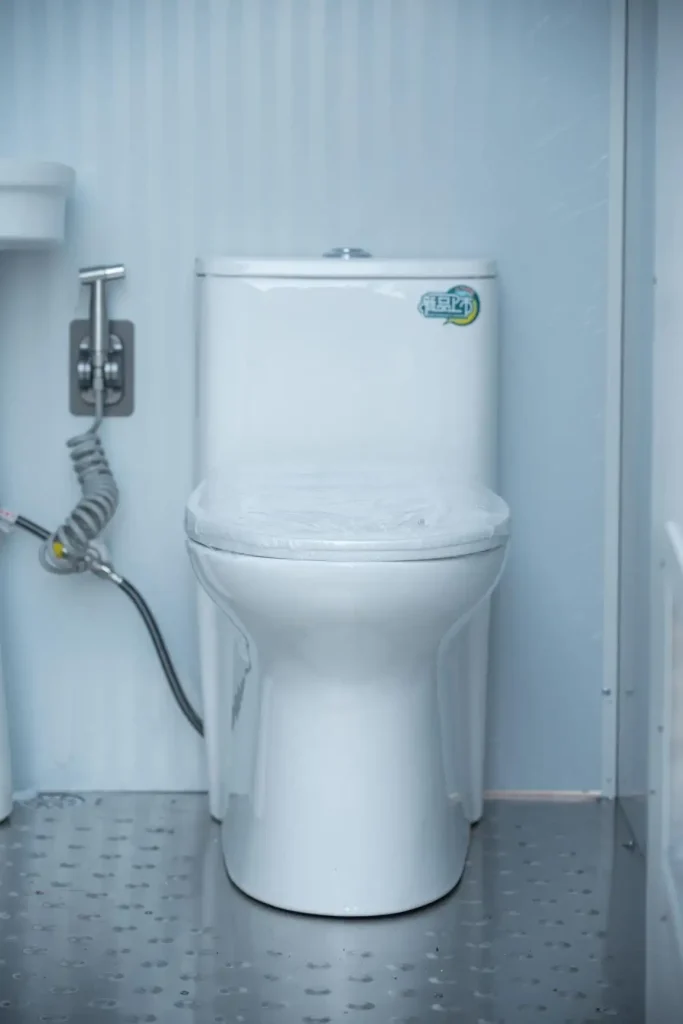
Main Elements of a Toilet Water System
| Component | Primary Role | Main Design Issue |
| Fresh-water tank | Holds clean water | Size and sanitation |
| Water pump | Provides operating pressure | Flow and consistency |
| Pipe network | Distributes water | Leakage and ability to withstand low temperatures |
| Flush valve/cistern | Controls flush volume | Efficiency |
| Wash basin | Provides the means to wash hands | Flow rate |
| Waste tank | Holds wastewater | Sealing and size |
| Level sensor | Gauges tank status | Planning of services |
| Service access | Enables maintenance | Accessibility for repair |
The components of an Outdoor Toilet With Built-In Fresh Water Tank must remain accessible because pumps, valves, filters, sensors, and other tank accessories require periodic inspection.
How Large Should the Fresh Water Tank Be?
There is no single correct tank size. Capacity should be based on expected use.
A simple planning formula is:
Daily Water Demand = Toilet Uses × Water per Use + Handwashing + Cleaning Allowance
For example:
• 100 toilet uses per day
• 3 L flushing water per use
• 0.5 L handwashing water per use
Estimated basic demand:
100 × (3 + 0.5) = 350 L/day
Additional water should then be considered for cleaning and operational reserve.
Actual capacity depends on:
• Number of users
• Flush configuration
• Fixture flow rate
• Cleaning frequency
• Refill interval
• Climate
• Local sanitation requirements
For this reason, a large fresh-water tank is not automatically a better design.
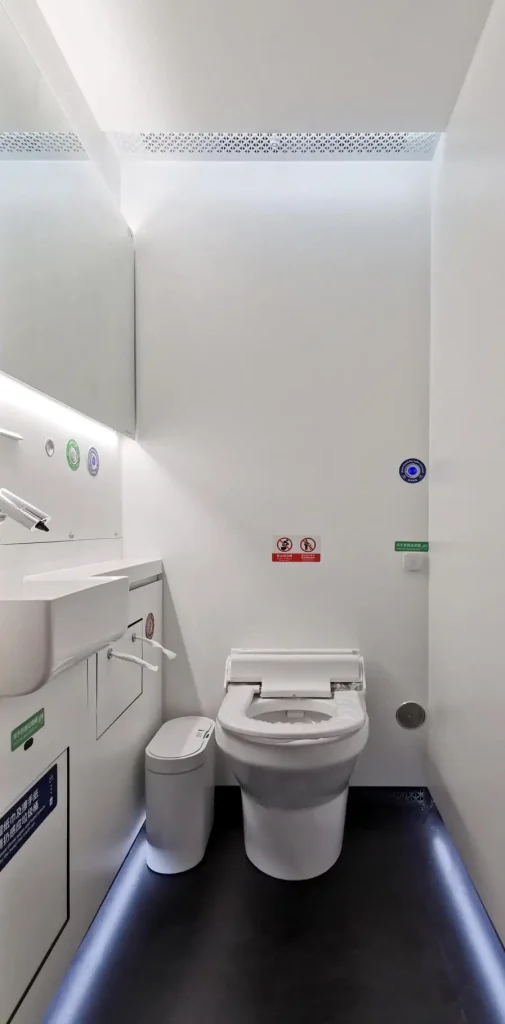
Fresh Water and Wastewater Capacity Must Be Matched
One common purchasing mistake is evaluating only the fresh-water tank.
Water used for flushing, handwashing, and cleaning may need to be collected as wastewater. If the wastewater tank fills before the fresh-water tank becomes empty, the toilet must still be serviced.
Buyers should therefore compare:
• Usable fresh-water capacity
• Wastewater storage capacity
• Refill frequency
• Pump-out frequency
• Service vehicle access
• Expected daily usage
A large fresh-water tank provides little operational benefit if wastewater capacity becomes the limiting factor first.
Fundamental Engineering Issues
Water Pressure Management
The pump system should provide sufficient pressure for toilet flushing and wash-basin use while avoiding unnecessarily high flow and water demand.
Leakage Management
The following are typical leakage inspection areas:
• Pipe joints
• Fittings
• Pump connectors
• Valves
• Hoses
Cold Climate Design
Design consideration for a flushing toilet in a cold climate may include:
• Insulation of the tank
• Protection of pipes
• Drain-down systems
• Design and use of heating cables as necessary
Warm Climate Design
The effects of high ambient temperatures require consideration of the design of toilet components such that, for example, water does not stagnate and so that the quality of the water is not degraded. As an example, the components of the system may require insulation.
Maintenance Access
Pumps, filters, valves, sensors, and connections should not be permanently enclosed behind inaccessible panels.
Where Is an Outdoor Toilet With Built-In Fresh Water Tank Most Useful?
Integrated water systems can reduce dependence on continuous external water supply in locations such as:
• Construction sites
• Parks and scenic areas
• Campsites
• Temporary facilities
• Remote infrastructure projects
• Event sites
• Roadside facilities
An Outdoor Toilet With Built-In Fresh Water Tank is particularly useful where users need a more conventional flushing and handwashing experience but permanent plumbing is difficult to install.
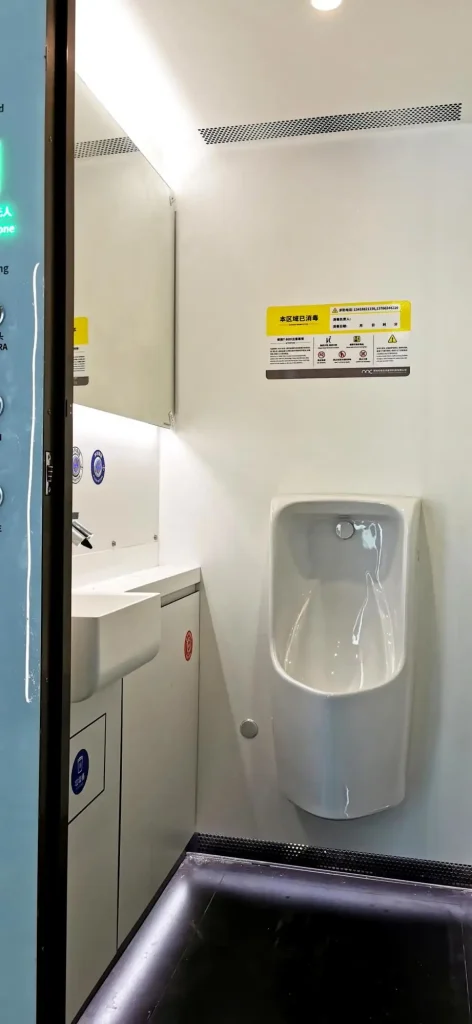
SAUDIND's Approach to Integrated Outdoor Toilet Design
SAUDIND approaches the Outdoor Toilet With Built-In Fresh Water Tank as an integrated sanitation system rather than simply adding a standalone tank to a portable structure.
Its modular design concept can combine:
• Insulated wall panels
• Integrated flushing fixtures
• Wash basin systems
• Fresh-water and wastewater planning
• Ventilation
• Lighting and electrical systems
• Accessible service areas
For sites without permanent utility connections, tank capacity and water-system configuration can be adapted according to user volume, cleaning requirements, climate conditions, and servicing frequency.
This approach is important because the performance of a mobile restroom depends on how the water tank, pump, fixtures, drainage, wastewater storage, and structure work together.
When Does a Built-In Fresh Water System Make Sense?
| Site Condition | Suitability |
| No continuous water connection | High |
| Temporary construction project | High |
| Remote scenic area | High |
| Seasonal event location | High |
| Reliable municipal utilities | Project-dependent |
| Extremely high daily traffic | Requires careful service planning |
Conclusion
A reliable Outdoor Toilet With Built-In Fresh Water Tank should be designed around real operating conditions, not simply maximum tank volume.
The primary considerations are the capacity for fresh water, the amount of water used, pump efficiency, the capacity for wastewater storage, the frequency of maintenance, climate, and site infrastructure.
In the absence of permanent water infrastructure, SAUDIND can tailor an Outdoor Toilet With Built-In Fresh Water Tank to user volume, site services, required flushing, climate, and desired service intervals. Customers can negotiate these parameters with SAUDIND prior to the establishment of the water-system configuration.
FAQs
Q1. Does a self-contained outdoor toilet need a permanent water or sewer connection? A self-contained configuration can use a built-in fresh-water tank and an integrated wastewater tank instead of permanent water and sewer connections. Other configurations may use an external water, drainage, or sewer connection, so the required services must be confirmed for the project.
Q2. How will SAUDIND know how to size the fresh-water tank?
Fresh-water tank size is dependent on the number of users, expected number of uses per day, the volume of water per flush, water for washing hands, cleaning the toilet, and the number of intervals the tank is expected to be refilled.
Q3. Can SAUDIND design both fresh-water and wastewater tank systems?
Yes. SAUDIND is able to design joined fresh-water and wastewater storage systems for sites where there are no permanent water supply or drainage systems.
Q4. Can the water supply and disposal systems be designed for remote locations?
Yes. SAUDIND is able to design the Outdoor Toilet With Built-In Fresh Water Tank for construction sites, picturesque locations, camps, temporary facilities, and other locations with limited to no utility supply.
Q5. Does SAUDIND design units with flushing and handwashing facilities?
Yes. Flushing toilets, wash basins, as well as all water and wastewater systems and sanitary fittings may be provided in one modular unit, depending on the project layout.
Written by
admin