



Updated 2 months ago
Smart Mobile Toilet Unit: How IoT Monitoring Improves Maintenance Efficiency
admin
admin
Mobile Toilet Unit
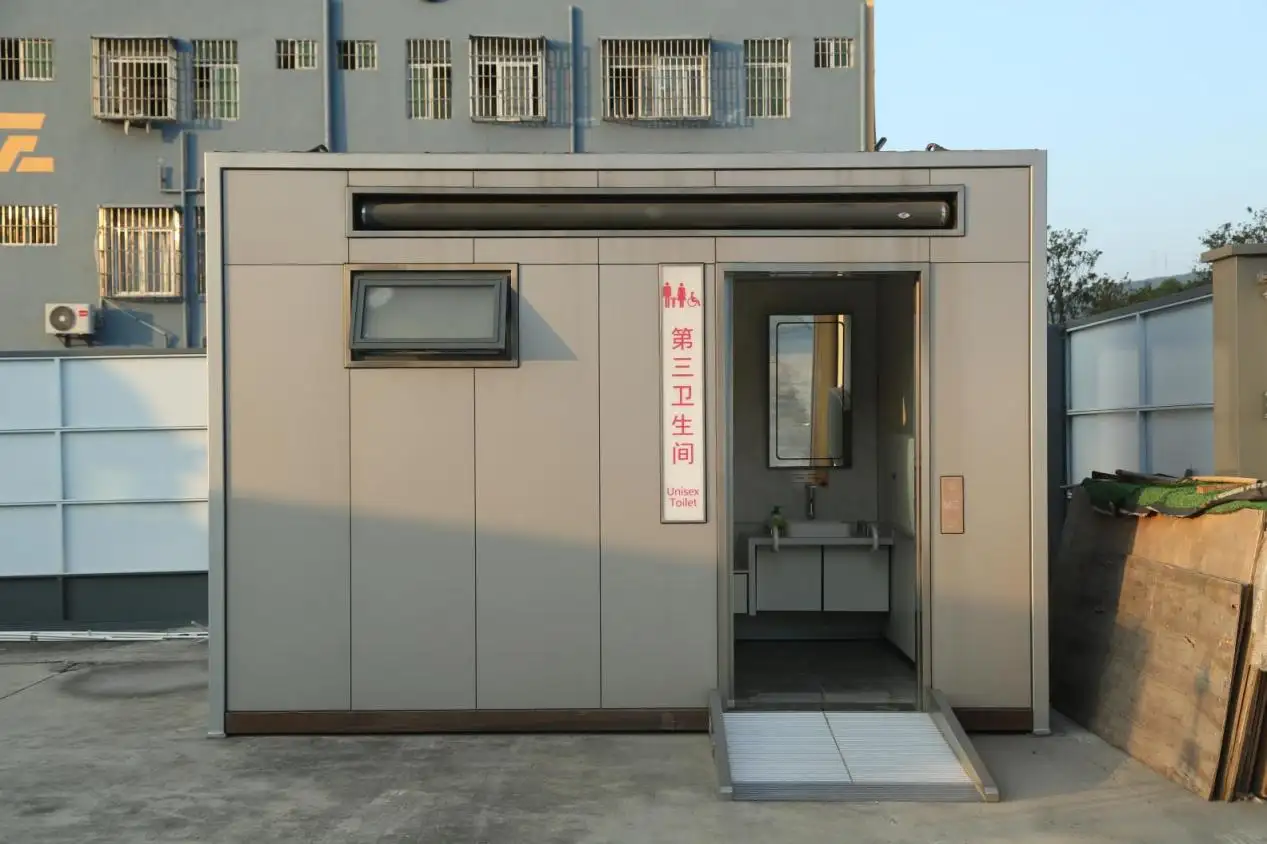
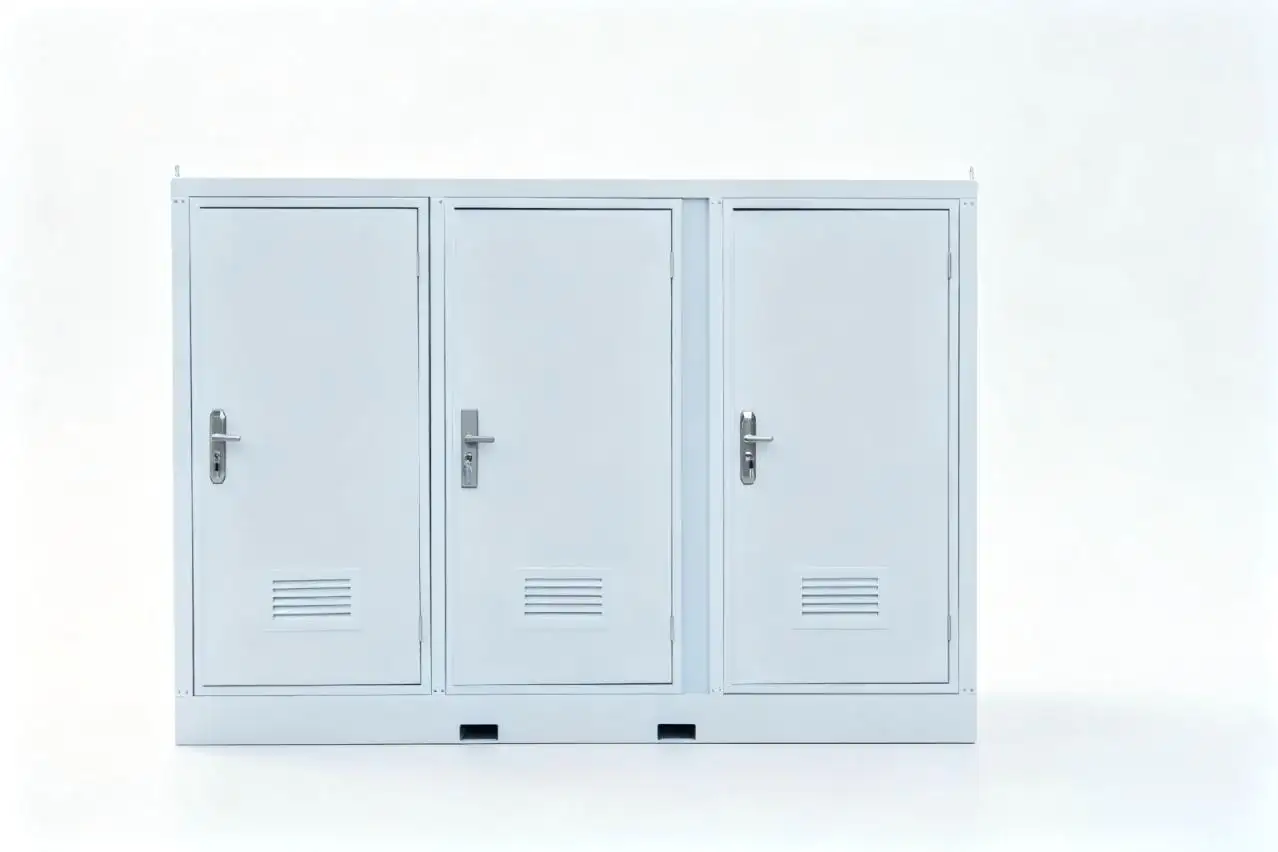
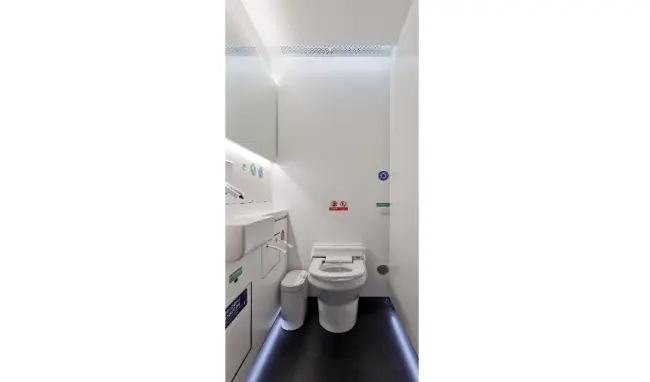
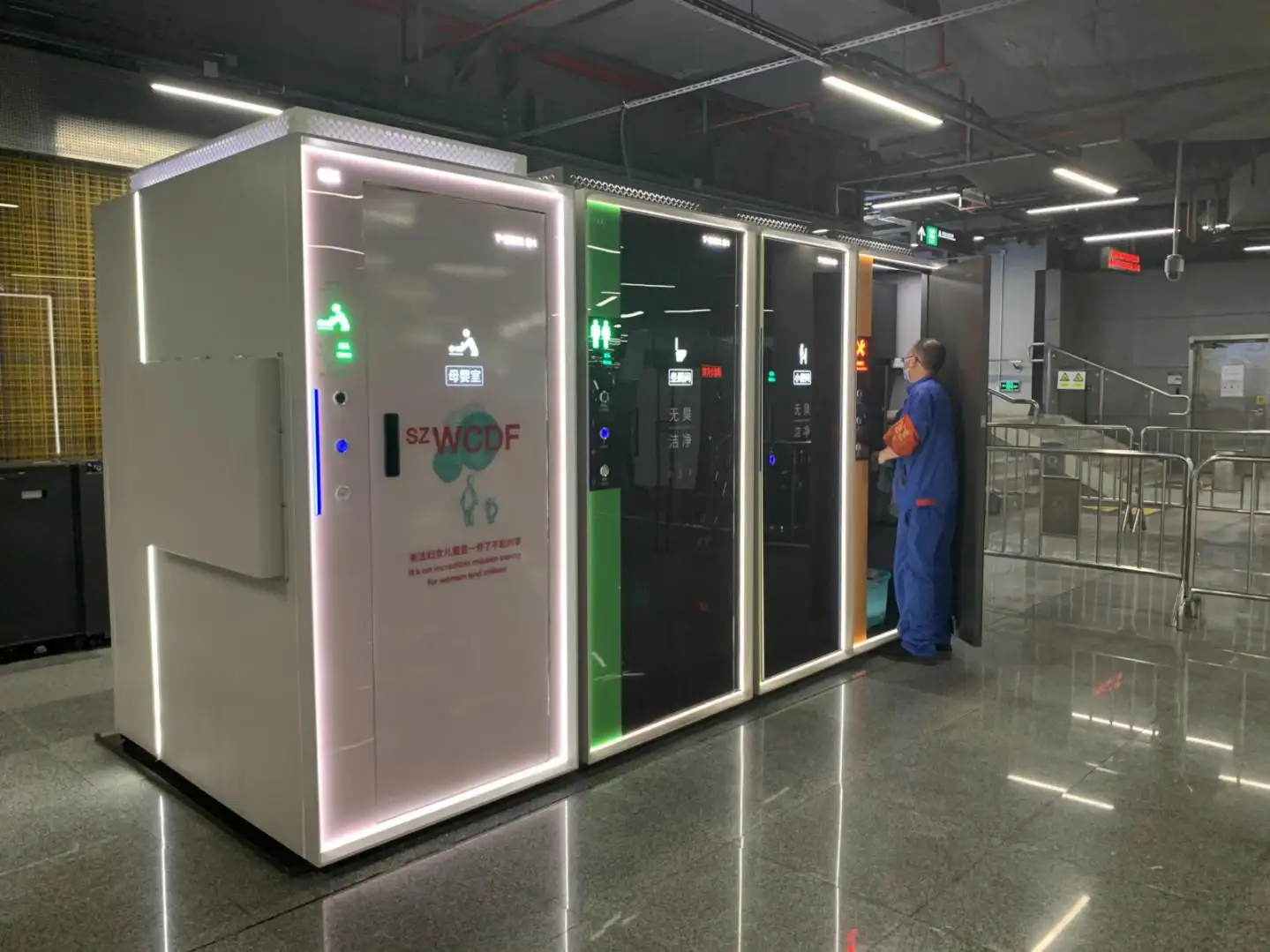
A Mobile Toilet Unit is easy to relocate, but operating multiple units efficiently is more complicated. Cleaning demand, freshwater consumption, waste-tank fill rate, power status, and user traffic can vary significantly by site and time.
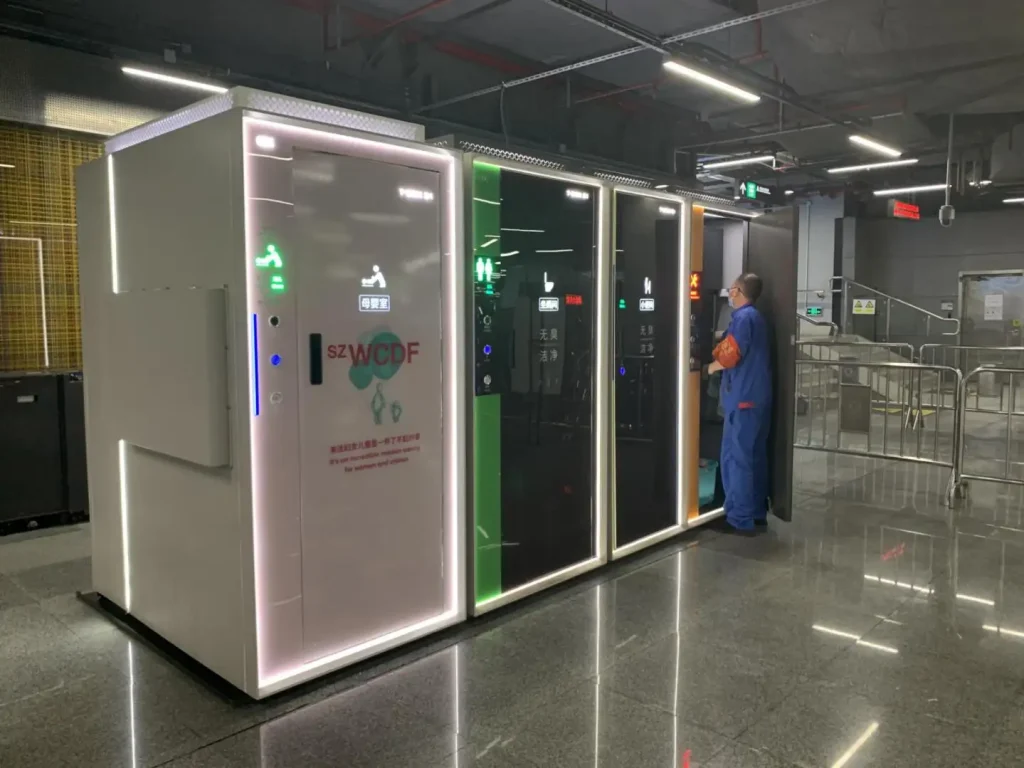
Traditional maintenance often depends on fixed inspection routes. This can result in low-use units being serviced too frequently while high-use units receive attention too late.
A smart Mobile Toilet Unit can use sensors, communication modules, and a monitoring platform to support condition-based maintenance, depending on the project configuration. The purpose is not simply to collect data—it is to convert operating conditions into practical cleaning, refilling, waste-removal, and fault-response decisions.
What Makes a Mobile Toilet Unit Smart?
An IoT-enabled Mobile Toilet Unit consists of four technical layers.
1. Field Sensors
Sensors measure conditions that affect operation and sanitation, including:
• Freshwater tank level
• Wastewater tank level
• Door/occupancy status
• Water consumption
• Temperature
• Humidity
• Power availability
• Ventilation equipment status
• Air-quality or odor indicators
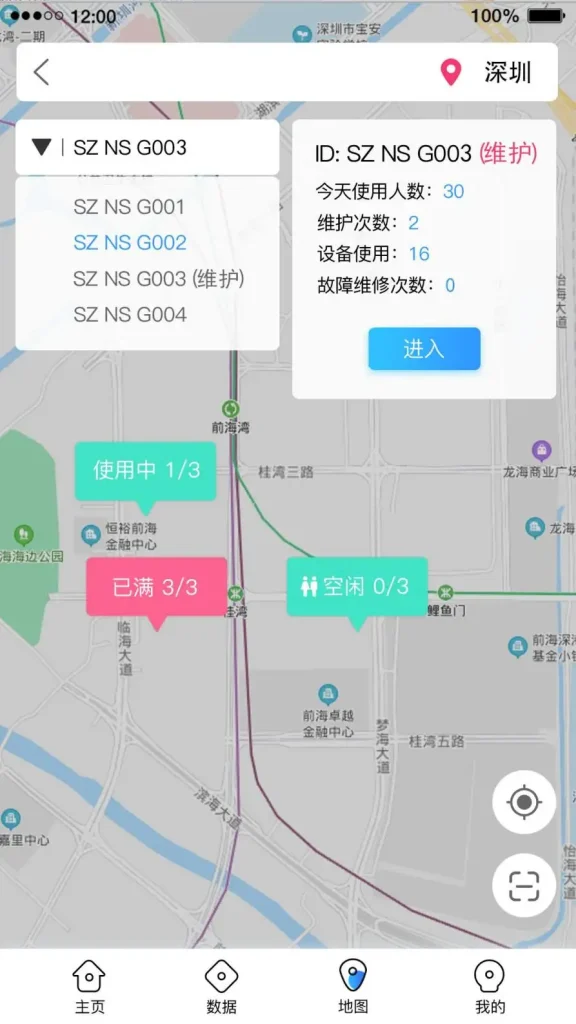
There are multiple ways of evaluating the status of the air-quality and odor indicators and tank level in the mobile toilet units including: ultrasonic sensing, pressure sensing, float sensing, and capacitive sensing technologies. The best option depends on the tank's geometry and the characteristics of the liquid, the available volume within the unit for the sensor, and the required measurement accuracy.
2. Local Controller
A controller collects sensor signals and applies predefined operating logic. For example:
Tank Level → Threshold Check → Warning → Maintenance Request
Local processing is useful because basic alarms can still be generated even when continuous cloud communication is unnecessary.
3. Communication Network
Depending on site coverage, power availability, connectivity, and data requirements, a project-specific monitoring system may use:
• Wi-Fi for fixed locations with network availability
• 4G/5G for self-contained outdoor implementations
• NB-IoT for low-bandwidth remote monitoring
• LoRa-type networks for multiple distributed units
Selection of the appropriate network will be dependent on range, cost, availability of power, frequency, and volume of data to be transmitted.
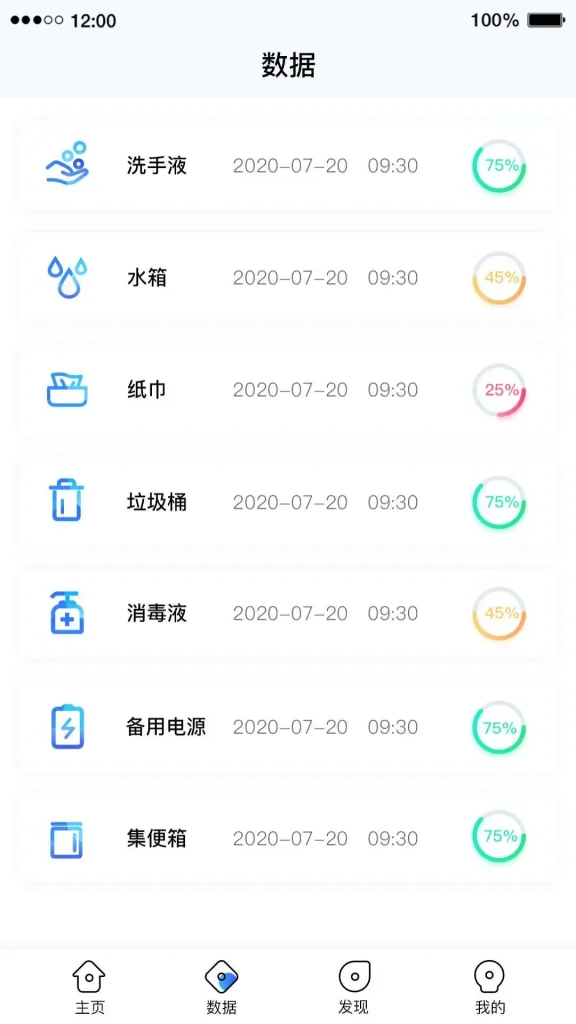
4. Management Platform
The platform converts raw data into usable maintenance information, such as:
• Real-time unit status
• Alarm history
• Tank-level trends
• Usage counts
• Maintenance records
• Multi-unit fleet overview
What Should an IoT Mobile Toilet Unit Monitor?
An increase in measurement points does not equate to an increase in the quality of a Mobile Toilet Unit. Measurement points need to be tied to specific maintenance recommendations.
| Monitoring Point | Typical Measurement | Operational Purpose |
| Fresh Water Tank | Level / Low-level alarm | When to schedule water replenishment |
| Waste Tank | Fill percentage | When to schedule Pumping to avoid overflow |
| Occupancy | Entry count | When to schedule cleaning |
| Water Flow | Consumption rate | Check for leakage or unusual consumption |
| Power | Voltage / on / off status | When to schedule check for interruption |
| Ventilation | Fan | When to check for failure |
| Door | Open / closed | Use for access control |
| Environment | Temperature / humidity | When to check for unusual conditions |
A Mobile Toilet Unit with shower facilities, for example, may require greater attention to the consumption of freshwater and the accumulation of wastewater compared to a Mobile Toilet Unit that contains only toilets.
From Fixed Maintenance to Condition-Based Maintenance
The main operational advantage of an IoT Mobile Toilet Unit is the ability to replace part of calendar-based servicing with condition-based servicing.
| Maintenance Activity | Traditional Method | IoT-Assisted Method |
| Cleaning | Fixed daily frequency | Usage-driven priority |
| Freshwater Refill | Manual inspection | Low-level threshold |
| Waste Removal | Estimated interval | Actual tank-fill data |
| Equipment Inspection | Routine site visit | Exception-based alert |
| Fault Detection | User complaint | Remote status warning |
| Record Keeping | Paper/manual log | Digital service history |
IoT does not remove physical maintenance. Instead, it improves when maintenance is required, which Mobile Toilet Unit should be prioritized, and what technicians should inspect.
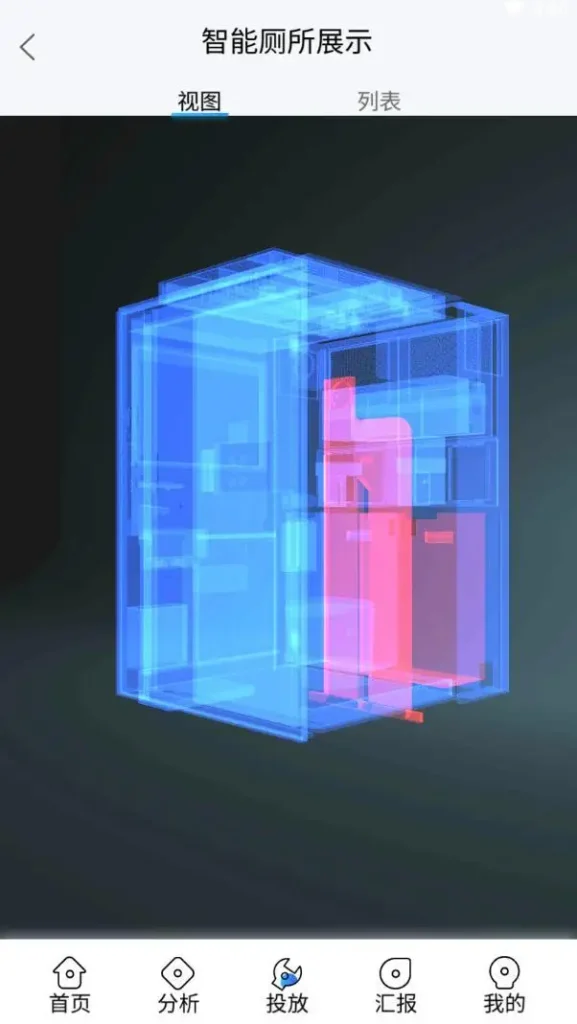
Tank-Level Monitoring Is a Core Function
For many Mobile Toilet Unit applications, tank monitoring provides the clearest operational benefit.
Freshwater Control
Insufficient freshwater can interrupt:
• Toilet flushing
• Hand washing
• Shower use
• Routine cleaning
Rather than discovering low water during an inspection, the system can trigger a predefined warning before the tank reaches an operationally critical level.
Wastewater Control
Waste-tank monitoring helps reduce the risk of:
• Overfilling
• Odor problems
• Emergency pumping
• Temporary facility closure
A practical threshold strategy may be structured as:
• Normal: No action required
• Warning: Add unit to service schedule
• High: Prioritize pumping
• Critical: Immediate response
Threshold values should be configured according to tank capacity, expected daily use, service distance, and available response time.
Occupancy Data Improves Cleaning Decisions
Cleaning requirements are strongly influenced by actual traffic.
A Mobile Toilet Unit on a construction site may experience usage peaks around shift changes. Event facilities may receive concentrated visitor traffic within a short period, while toilets in parks can show strong weekday-versus-weekend differences.
Instead of using only a fixed timetable, operators can combine:
Usage Count + Time Since Cleaning + Site Priority
This provides a more useful maintenance indicator than occupancy data alone.
For fleet operators, this also makes it possible to identify units with unusually high utilization and redistribute service resources accordingly.

Smart Alerts Support Preventive Maintenance
Remote monitoring is particularly valuable when it identifies abnormal patterns before complete failure occurs.
Possible warning conditions include:
• Water consumption rising unusually fast
• Tank level changing unexpectedly
• Ventilation equipment stopping
• Loss of electrical power
• Door-status abnormalities
• Communication loss
• Sensor readings outside expected ranges
Leakage may be suggested by an unusually high flow rate with a swift decrease in freshwater. In the case of a tank with a low reading during high occupancy, it may be that the sensor is malfunctioning and there is not actually low usage.
This is why well-designed Mobile Toilet Unit maintenance requires interpreting multiple data points instead of relying on a single sensor.
Does IoT Reduce Operating Cost?
The business case depends on the operating environment.
Potential savings come from:
• Reducing unnecessary inspection trips
• Optimizing waste-collection routes
• Scheduling cleaning according to use
• Preventing emergency servicing
• Detecting faults earlier
• Improving staff allocation
However, an IoT Mobile Toilet Unit also adds components that require maintenance:
• Sensors
• Controllers
• Communication modules
• Data connectivity
• Calibration
• Software platforms
• Replacement electronics
IoT therefore provides the strongest value where multiple Mobile Toilet Unit installations are distributed across large sites or where usage changes frequently.
Ideal Applications for Smart Mobile Toilet Units
Building Sites
The combination of the need for both toilets and showers along with long deployments and distributed locations means that the monitoring of water use and waste removal will be especially beneficial.
Parks and Recreation Areas
Management of cleaning based on use will be especially beneficial due to the variability of visitors depending on the time of year and day of the week.
Transportation Hubs
Constant high use means that a quick response to maintenance and dependable service records is essential.
Special Events
The high use that occurs over a short period means that it is useful to know occupancy and the level of waste in the tanks.
Municipal Facilities
Centralized monitoring allows multiple Mobile Toilet Unit installations to be managed as one sanitation network.
SAUDIND's IoT Monitoring Approach for Mobile Toilet Unit Design
SAUDIND approaches smart Mobile Toilet Unit design by treating IoT monitoring as an operational tool rather than an added digital feature. The monitoring system is configured around the conditions that directly affect sanitation performance, maintenance scheduling, and service continuity.
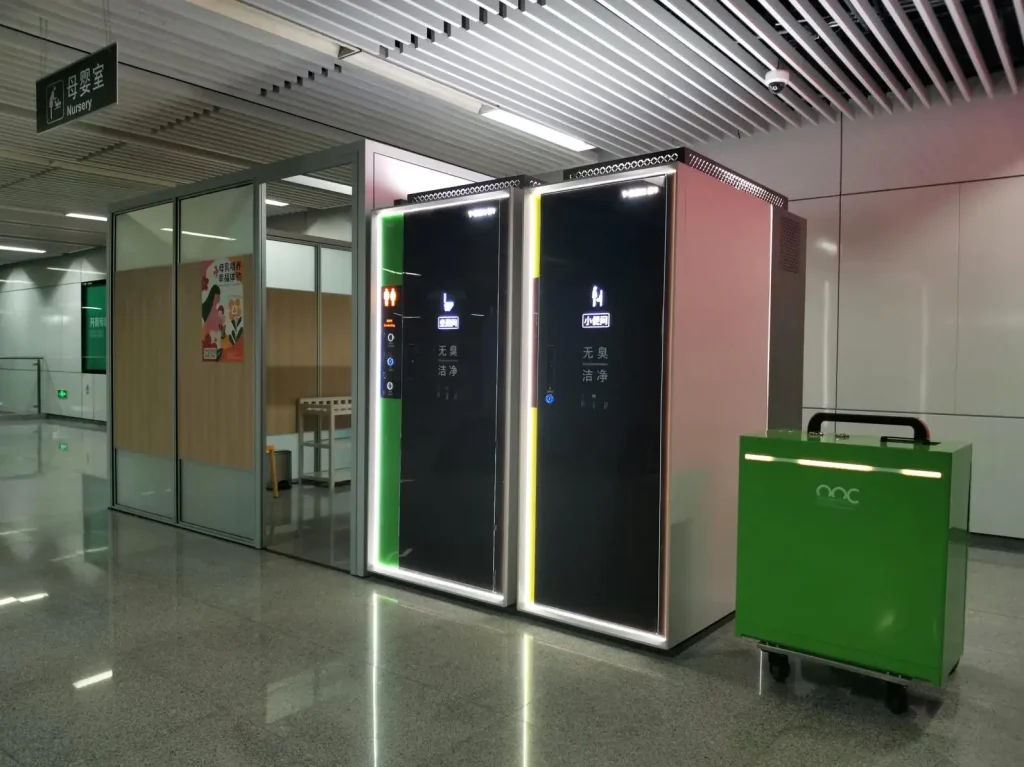
Key monitoring functions can include:
• Freshwater level monitoring to support timely refilling
• Wastewater tank monitoring to help prevent overcapacity
• Usage and occupancy data for cleaning-frequency planning
• Power and equipment status for early fault detection
• Ventilation monitoring to identify abnormal operation
• Remote status reporting for centralized fleet management
• Smart alerts based on configurable operating thresholds
Instead of applying the same sensor package to every project, the IoT monitoring architecture should be selected according to site traffic, tank capacity, service distance, communication conditions, and maintenance requirements; contact SAUDIND to discuss the available project configuration.
The physical Mobile Toilet Unit remains modular and serviceable, but the design priority is to ensure that collected data can support practical maintenance decisions rather than simply provide more information.
Well- designed Sanitation Engineering Comes Before IoT
A smart Mobile Toilet Unit should first have reliable drainage, durable wet-area materials, effective ventilation, serviceable plumbing, and surfaces that are easy to clean. Sensors should improve these systems—not compensate for weak physical design.
Following an assessment of the relevant operational needs and site conditions, SAUDIND can design custom configurations for projects using modular Mobile Toilet Units with integrated sanitation, shower and water management systems or smart sanitation monitoring systems.
Contact SAUDIND to discuss your Mobile Toilet Unit project, site conditions, monitoring requirements, and the information needed for a project quotation.
FAQs
Q1. Can a SAUDIND Mobile Toilet Unit send maintenance notifications?
Yes—when the required monitoring and communication functions are included, the system can notify operators about low freshwater, high wastewater, equipment faults, power loss, or irregular sensor readings.
Q2. Can SAUDIND remotely monitor the levels of freshwater and wastewater?
Certainly. A SAUDIND Mobile Toilet Unit can have an installed tank-level monitoring system to assist operators in determining when a tank requires fresh water and when a wastewater tank requires servicing, without the need for inspection.
Q3. How does SAUDIND utilize occupancy data for a Mobile Toilet Unit?
The data help operators to anticipate the need for cleaning, recognize busy times, and focus on the placement of Mobile Toilet Units where they will be most needed, rather than adopting a one-cleaning-schedule-fits-all approach.
Q4. Can SAUDIND adjust the use of IoT monitoring to suit different contract specifications?
Yes. Based on the location and other factors such as site traffic, tank capacity, communication terrain, distance of service, the working environment, and maintenance, SAUDIND will adapt the monitoring system.
Q5. Is the same sensor system used for every SAUDIND Mobile Toilet Unit?
No. The appropriate sensors should be selected based on the operational requirement. A toilet and shower unit may focus on monitoring water levels and consumption, whereas a unit used as a public facility may require monitoring of occupancy and status of the equipment.
Written by
admin