



Updated 2 months ago
Mobile Toilet for Sale: A Buyer Guide to Easy-Clean Design and Lifecycle Cost
admin
admin
Mobile Toilet For Sale
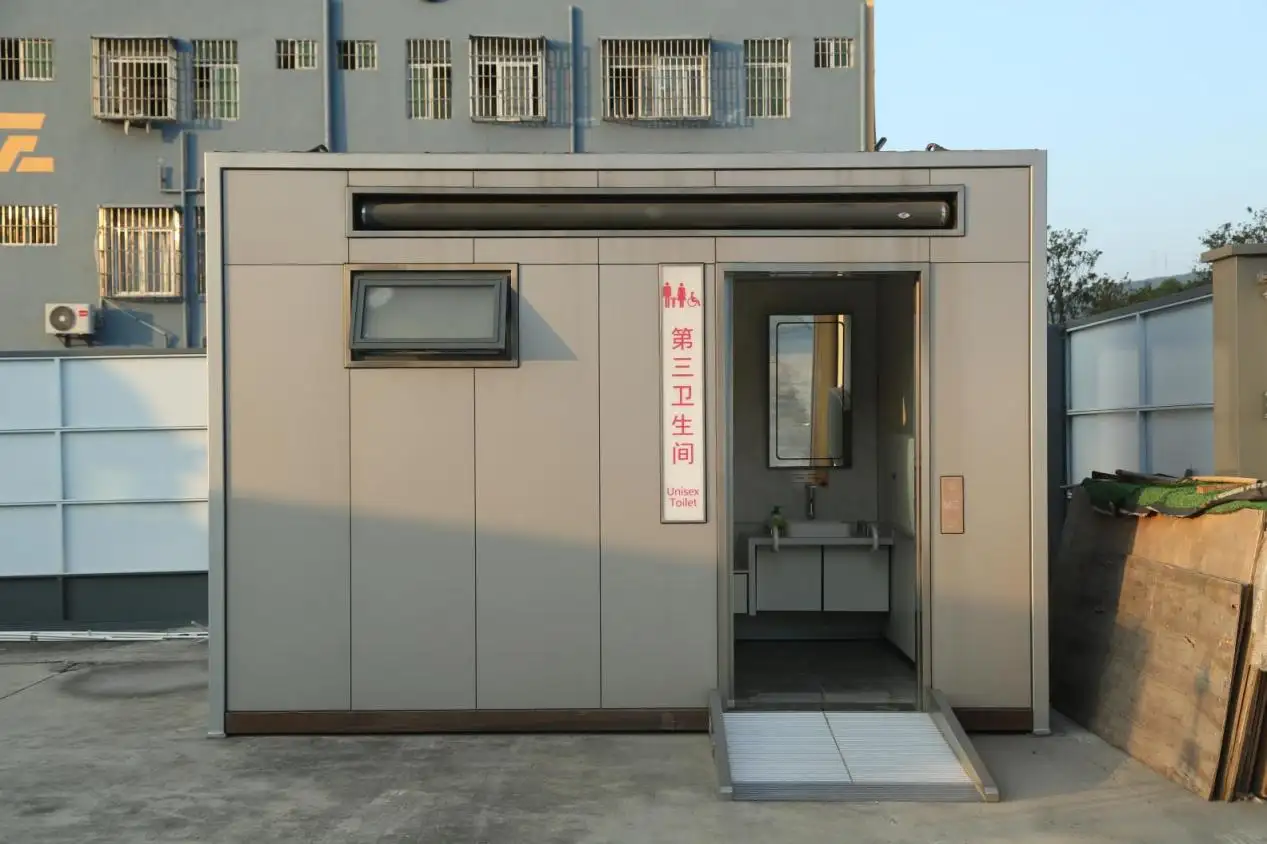
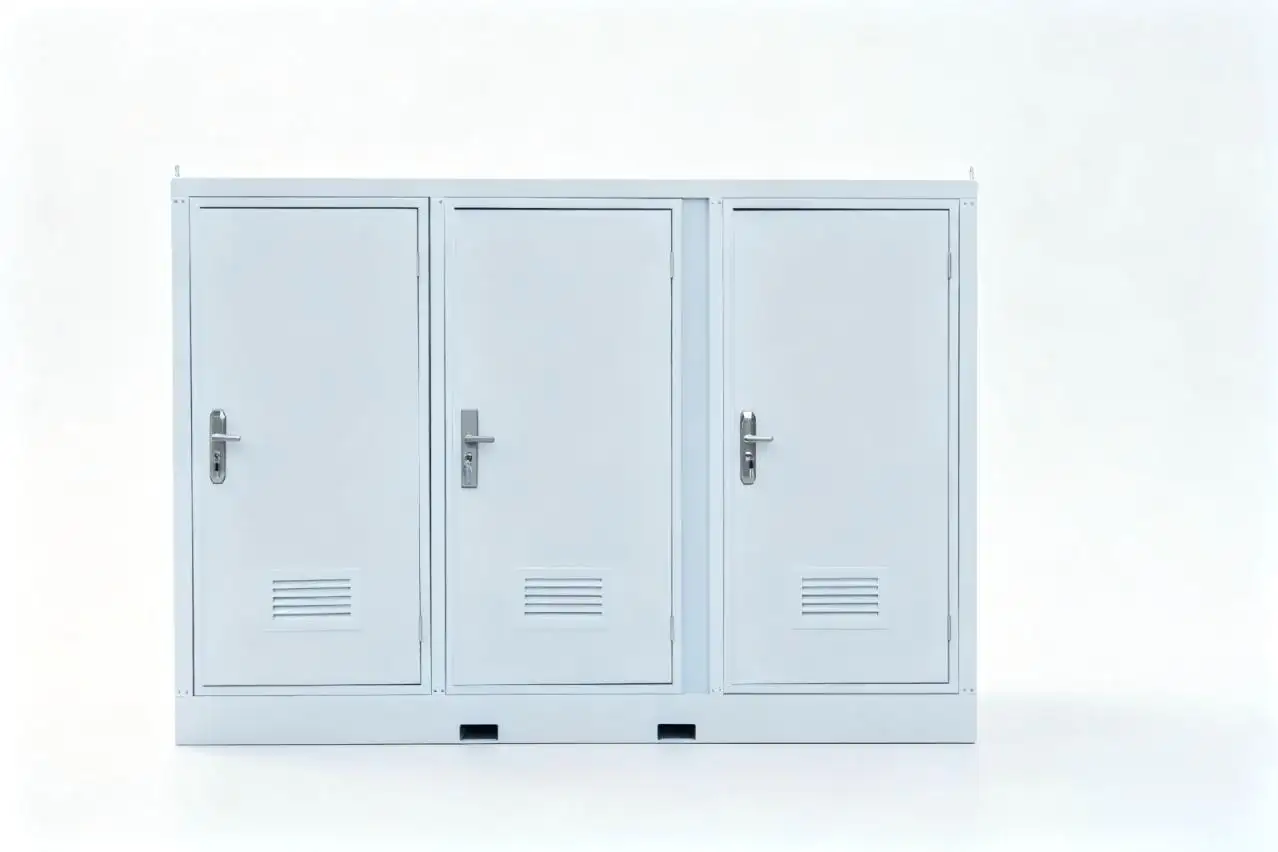
When evaluating a Mobile Toilet for Sale, purchase price should not be separated from cleaning and servicing cost. In high-use applications, operators repeatedly pay for labor, water, chemicals, waste removal, replacement parts and downtime.
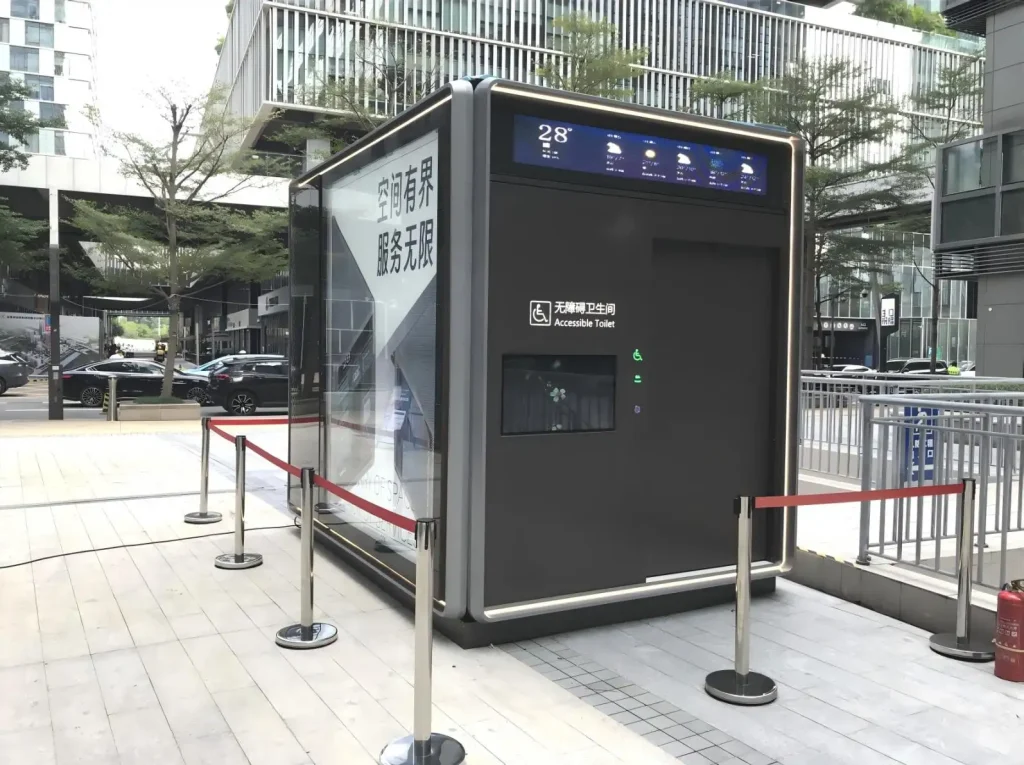
This makes interior design a lifecycle-cost issue—not simply an appearance issue.
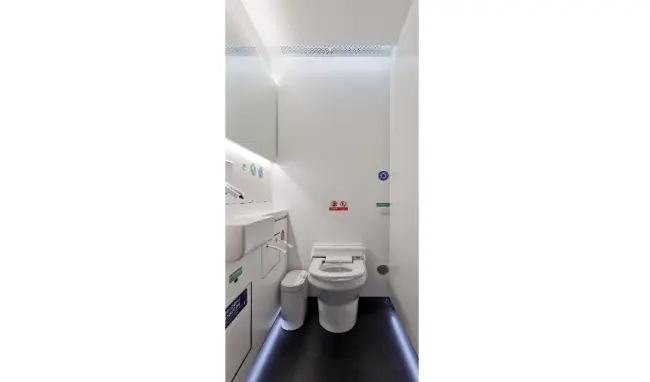
An easy-clean mobile toilet reduces maintenance workload by minimizing dirt traps, improving drainage, simplifying wash-down, separating service components and reducing frequently touched surfaces.
Why Maintenance Cost Matters When Choosing a Mobile Toilet for Sale
Cleaning frequency depends on traffic and application. UK HSE guidance requires construction-site toilets to be ventilated, lit and kept clean, and notes that cleaning once per day may not always be sufficient. For portable chemical toilets emptied weekly, HSE provides a reference ratio of approximately one toilet for every seven people working a 40-hour week.
For a Mobile Toilet for Sale, maintenance cost can be divided into three categories:
• Labor: wash-down, disinfection, inspection and repairs
• Consumables: water, detergent, disinfectant and replacement items
• Downtime: blocked drainage, failed fixtures, leakage or waste-system servicing
The more frequently a unit is used, the more important cleanability becomes.
Where Does Mobile Toilet Maintenance Cost Come From?
| Area | Common Design Problem | Maintenance Result |
| Floor | Ponding water | Longer wash-down and drying |
| Wall joints | Deep seams and gaps | Dirt accumulation |
| Fixtures | Exposed edges/fasteners | More manual cleaning |
| Drainage | Poor flow path | Blockage and odor |
| Ventilation | Weak air movement | Higher odor burden |
| Service system | Hidden pumps/valves | Longer repair time |
| Metal hardware | Poor corrosion resistance | Earlier replacement |
A low-maintenance Mobile Toilet for Sale should therefore be evaluated by how quickly it can be cleaned, inspected and returned to service.
6 Easy-Clean Features to Check in a Mobile Toilet for Sale
1. Smooth, Washable Interior Surfaces
Walls, ceilings and floors should tolerate frequent wet cleaning and the cleaning agents specified by the operator.
Key points include:
• Low-porosity surfaces
• Stain-resistant finishes
• Sealed penetrations
• Moisture-resistant substrates
• Compatibility with disinfectants
Material name alone is not enough. A durable panel with poorly sealed joints may still require intensive manual cleaning.
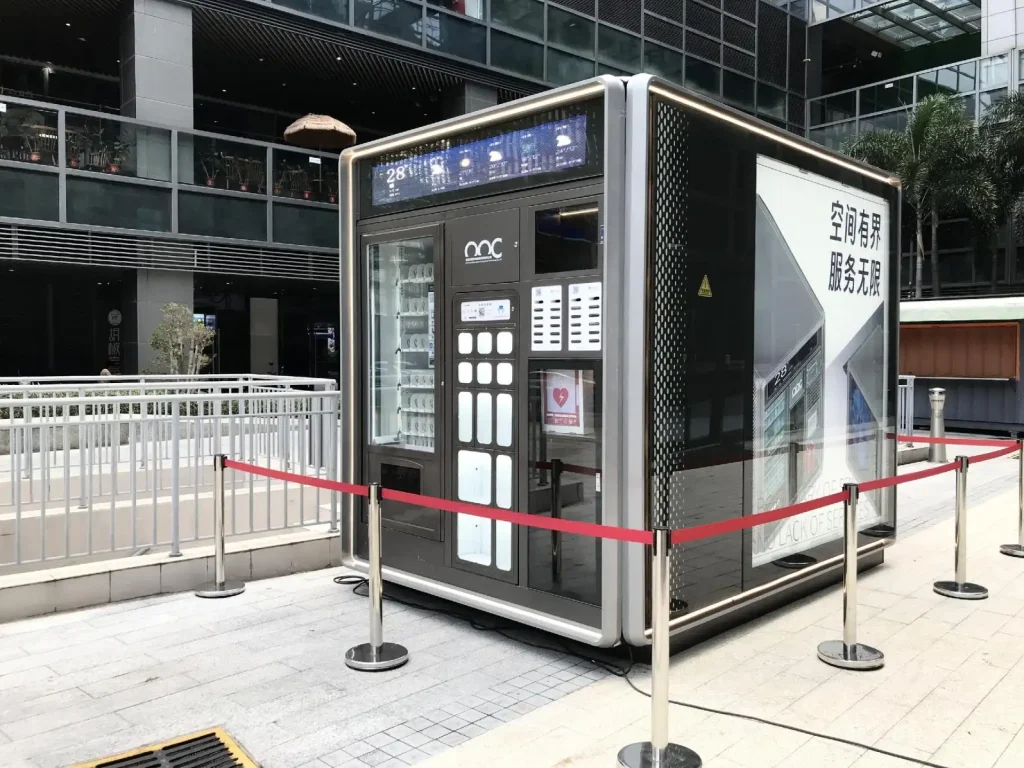
2. Fewer Seams and Dirt Traps
The difficult areas are usually not the large wall panels but the interfaces between components.
Check:
• Floor-to-wall transitions
• Panel joints
• Toilet bases
• Basin edges
• Exposed screws
• Pipe penetrations
A practical mobile toilet interior design should minimize unnecessary recesses and make remaining joints visible and accessible.
3. Drainage Designed for Wash-Down
Cleaning water should move toward the drain rather than remain around fixtures.
Important engineering checks include:
• Continuous floor fall toward drainage
• Correctly located drain points
• Waterproof perimeter joints
• Removable drain covers
• Access for blockage removal
The objective is straightforward:
Wash → Drain → Dry → Return to Service
Standing water increases drying time and may contribute to odor, slip risk and repeated cleaning.
4. Service Components Must Be Accessible
A Mobile Toilet for Sale becomes expensive to maintain if technicians must remove interior panels simply to inspect a pump or valve.
Frequently serviced components should be accessible, including:
• Water pumps and valves
• Clean-water connections
• Waste interfaces
• Electrical controls
• Exhaust equipment
• Tank-level sensors
SAUDIND's modular-restroom design approach specifically considers accessible inspection of tanks, pumps, wiring and ventilation equipment, with isolated service areas used in some configurations.
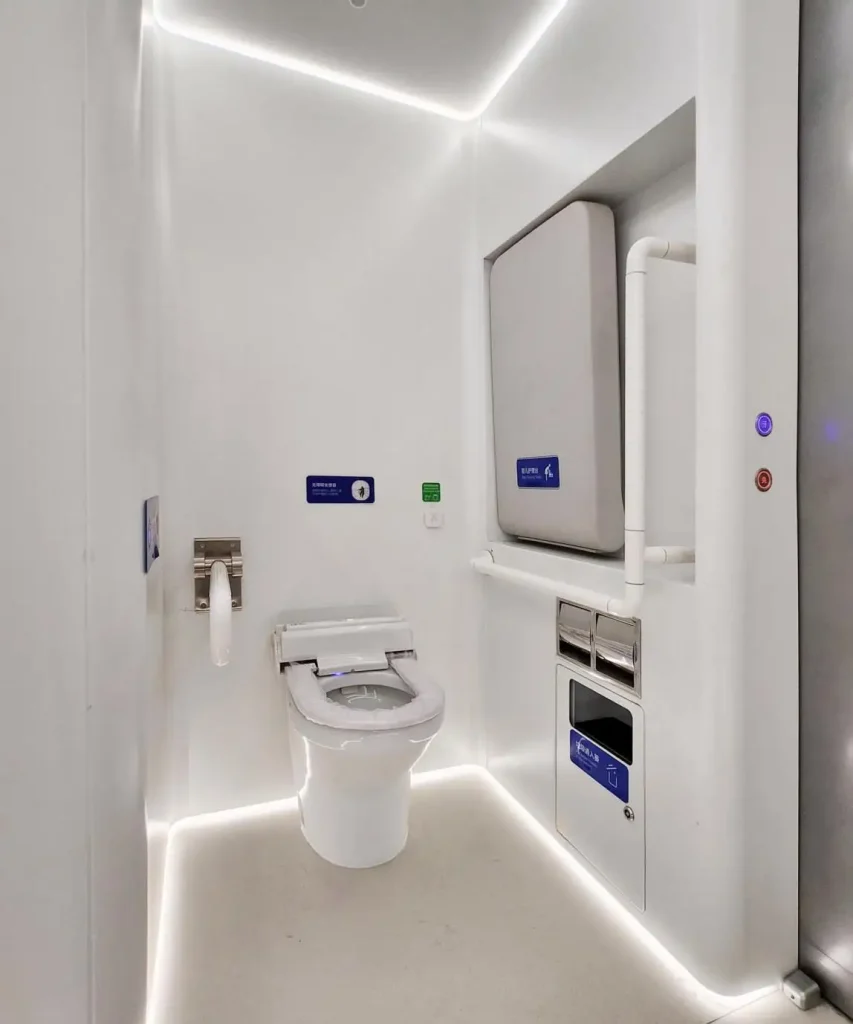
5. Touchless Fixtures Reduce Cleaning Contact Points
Touchless flushing, faucets and occupancy controls can reduce the number of surfaces repeatedly handled by users.
This is especially useful in:
• Transport hubs
• Construction camps
• Festivals
• Parks
• Commercial public areas
SAUDIND lists touchless fixtures, occupancy indicators and tank sensors among available modular restroom configurations.
6. Ventilation Must Work with Drainage and Waste Control
A deodorizer cannot compensate for poor sanitation design.
Odor control should combine:
• Sealed waste connections
• Maintained water traps
• Effective drainage
• Passive or mechanical airflow
• Accessible exhaust equipment
• Regular waste servicing
SAUDIND's engineering guidance similarly treats ventilation, drainage, cleanable surfaces and waste removal as an integrated odor-control system.
How Easy-Clean Design Changes Operating Cost
Consider a simple maintenance model.
If one restroom requires 12 minutes per cleaning and is cleaned five times per day:
12 × 5 = 60 minutes/day
If improved access, drainage and surface design reduce the same routine to 8 minutes:
8 × 5 = 40 minutes/day
That represents 20 minutes less labor per unit per day in this illustrative example. Across 20 units, the difference becomes about 6.7 labor hours per day.
This is not a guaranteed saving; it demonstrates why small differences in cleaning time matter at fleet scale.
| Design Improvement | Operational Effect |
| Washable surfaces | Less scrubbing |
| Reduced joints | Fewer dirt traps |
| Efficient drainage | Faster drying |
| Touchless fixtures | Fewer contact areas |
| Accessible components | Faster servicing |
| Modular replacement | Less repair downtime |
Water Use Should Also Be Part of the Specification
For flushing units, water consumption directly affects clean-water tank sizing and servicing intervals.
For comparison, EPA WaterSense-labeled commercial flushometer-valve toilets use no more than 1.28 gallons (4.8 L) per flush, compared with the U.S. federal baseline of 1.6 gallons per flush. This benchmark does not establish the flush volume of a mobile toilet model.
For example, at 100 full flushes:
• 4.8 L/flush = approximately 480 L
• 6.0 L/flush = approximately 600 L
That 120 L difference can matter when a mobile restroom relies on onboard water rather than a permanent supply.
Easy-Clean Does Not Mean Maintenance-Free
Even the best Mobile Toilet for Sale still requires planned servicing:
• Waste-tank emptying
• Floor and surface cleaning
• Drain inspection
• Seal inspection
• Ventilation checks
• Pump and valve inspection
• Consumable replacement
The objective is not zero maintenance. It is predictable maintenance with shorter service interventions.
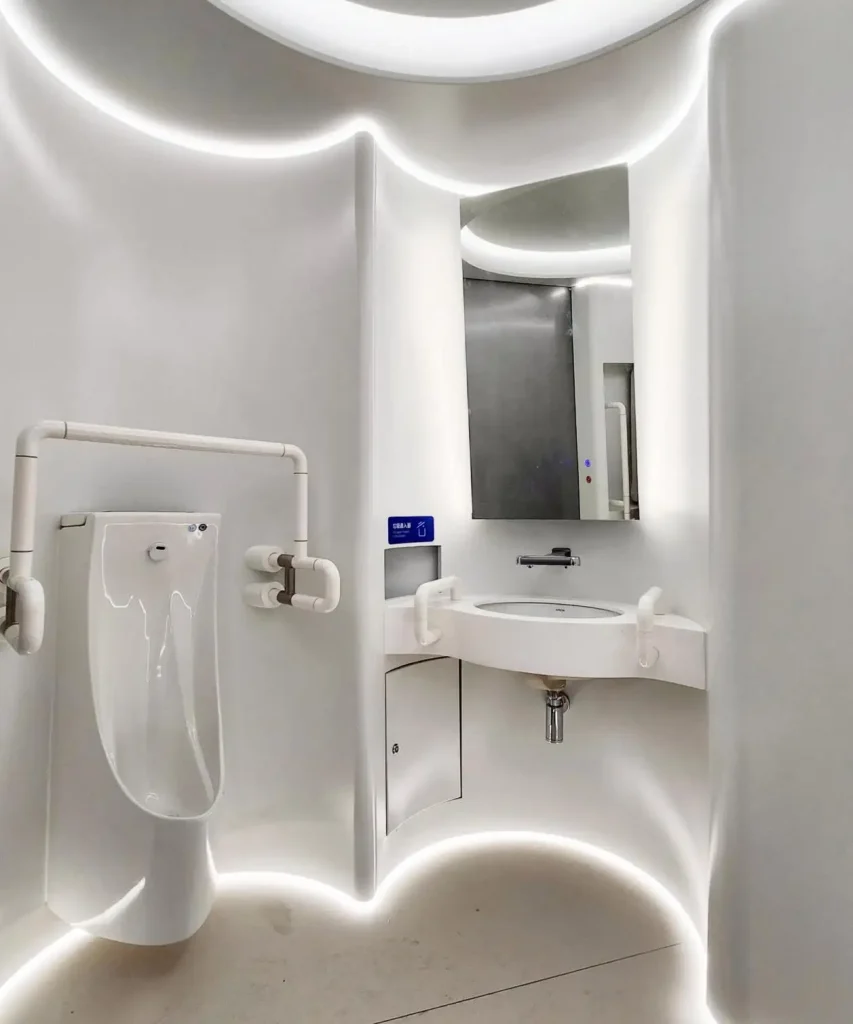
How SAUDIND Approaches Low-Maintenance Mobile Toilet Design
SAUDIND develops modular sanitation facilities around site conditions, expected users, utility availability, climate and servicing requirements. Available configurations can combine washable slip-resistant flooring, corrosion-resistant finishes, ventilation, touchless controls, tank monitoring and modular interior layouts.
For buyers comparing a Mobile Toilet for Sale, several aspects are particularly relevant:
• Modular layouts: Single, accessible and multi-cabin arrangements
• Water/waste options: Municipal connections or onboard tanks
• Cleanability: Washable flooring and simplified internal surfaces
• Service access: Maintenance-oriented component layout
• Smart monitoring: Occupancy, tank level and maintenance alerts
• Power flexibility: Grid, solar-assisted or hybrid configurations
SAUDIND also states that modular units can be adapted to local accessibility, climatic and regulatory requirements rather than relying on one fixed configuration.
Buy a Mobile Toilet for Sale Based on Lifecycle Cost
A more useful procurement equation is:
Total Cost of Ownership = Purchase + Installation + Cleaning + Water/Energy + Waste Servicing + Repairs + Downtime
Before choosing a Mobile Toilet for Sale, ask how the floor drains, how many joints require manual cleaning, whether pumps and valves are accessible, how much water each flush consumes, and how quickly individual components can be replaced.
For projects requiring customized layouts, onboard utilities or smart maintenance functions, SAUDIND can configure a Mobile Toilet for Sale around expected traffic, site utilities, climate and servicing conditions—helping buyers address maintenance requirements before the unit enters operation.
FAQs
Q1. What Mobile Toilet for Sale Services does SAUDIND provide?
SAUDIND modular mobile toilet services cover construction sites, public areas, events, parks, transport facilities, temporary projects, and other commercial sanitation applications. Layouts can be customized for different sites and user requirements.
Q2. Can SAUDIND modify the interior layout of a mobile toilet?
SAUDIND can modify cabin layouts, sanitary fixtures, service areas, water systems, ventilation, accessibility features, and smart functions according to the available space, expected user volume, and project conditions.
Q3. How does SAUDIND simplify the cleaning process of a Mobile Toilet for Sale
SAUDIND designs may include touchless fixtures, maintenance-focused layouts, washable surfaces, simplified joints, accessible service areas, effective drainage, and features intended to reduce dirt accumulation.
Q4. Can SAUDIND design mobile toilets with integrated water and waste tanks?
Yes, SAUDIND is able to design mobile toilets with integrated water and waste storage systems if there is no permanent municipal water or drainage connection.
Q5. Are touch free features available for mobile toilets from SAUDIND?
Yes. Features may include contactless faucets, automatic flushing, dispensers, occupancy indicators, and related options. These can reduce the number of surfaces frequently touched by users and support hygiene management.
Written by
admin