



Updated 2 months ago
Portable Toilet for Construction Site: How to Control Odor in High-Usage Environments
admin
admin
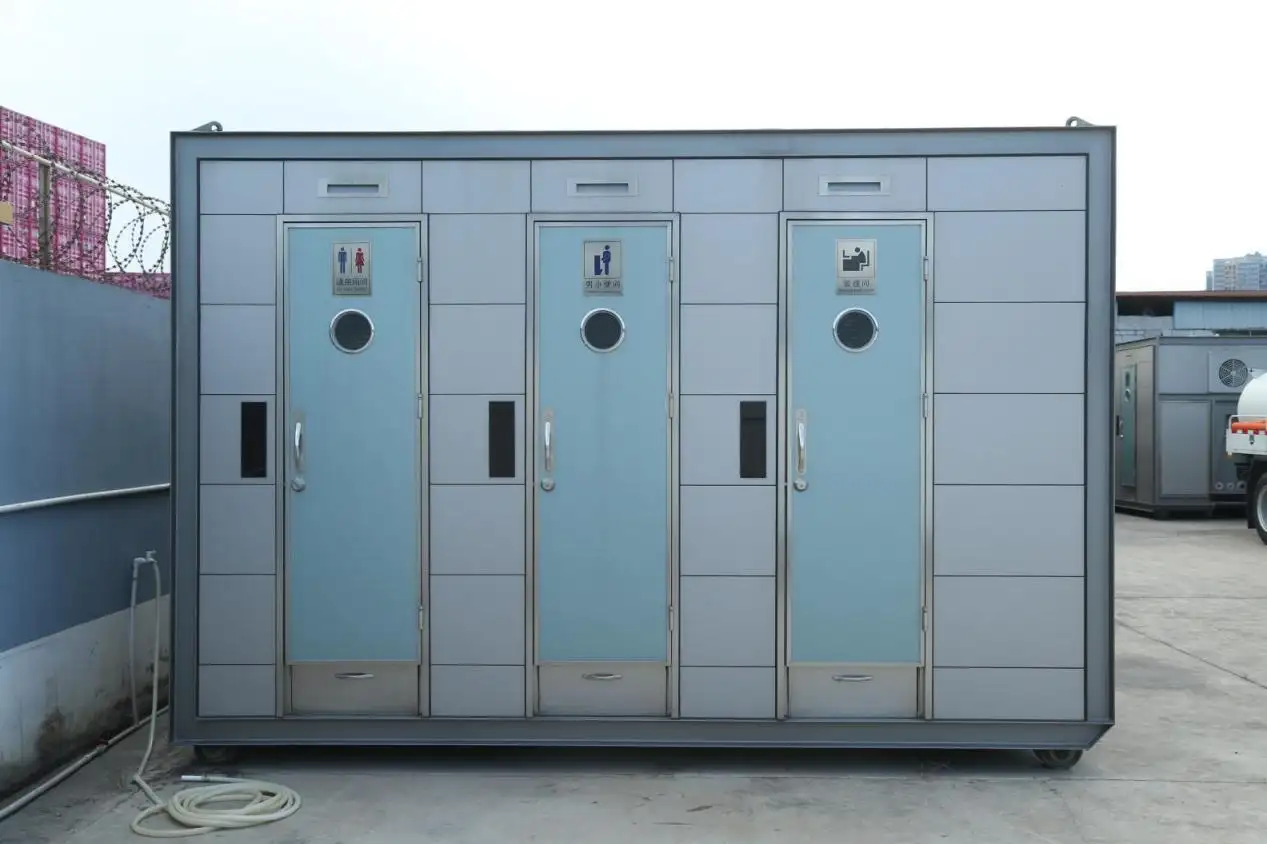
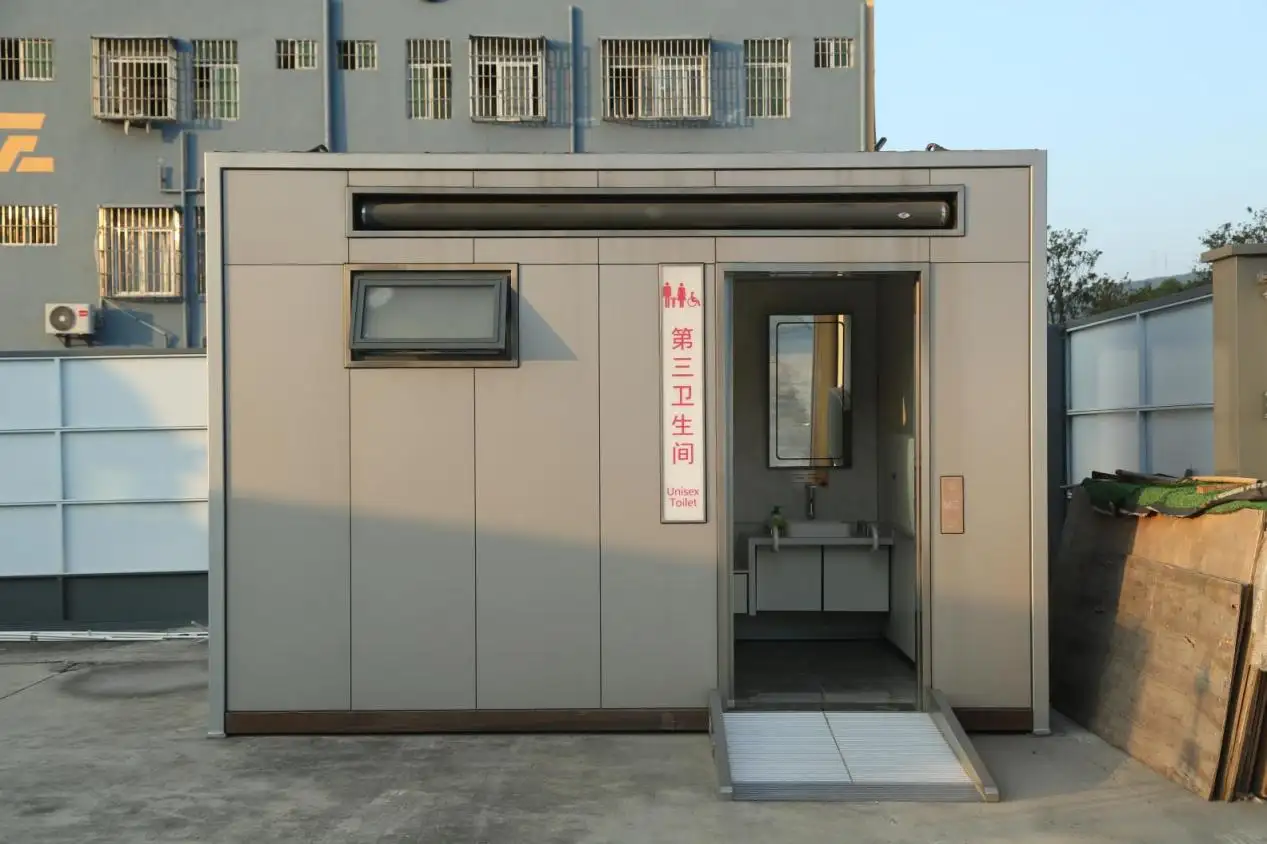
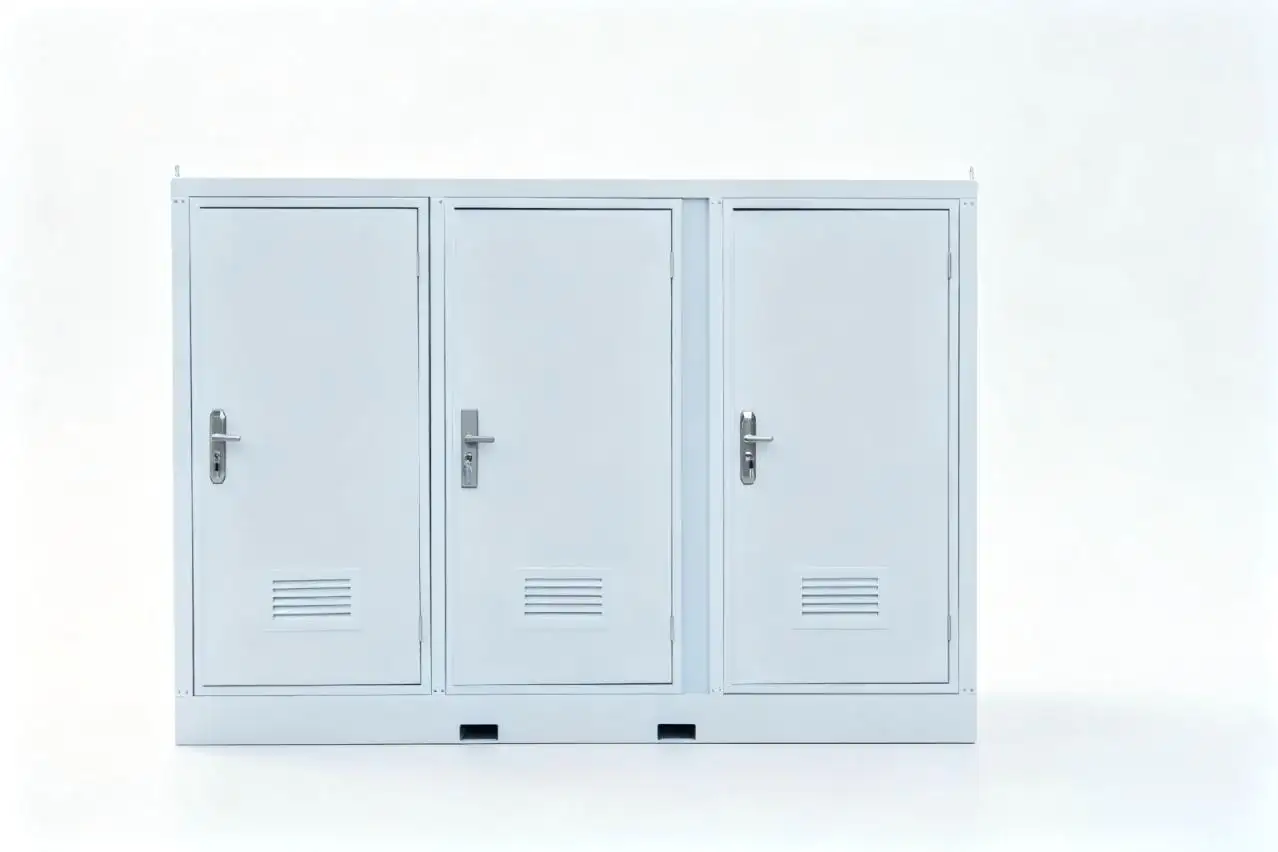
Portable Toilet For Construction Site
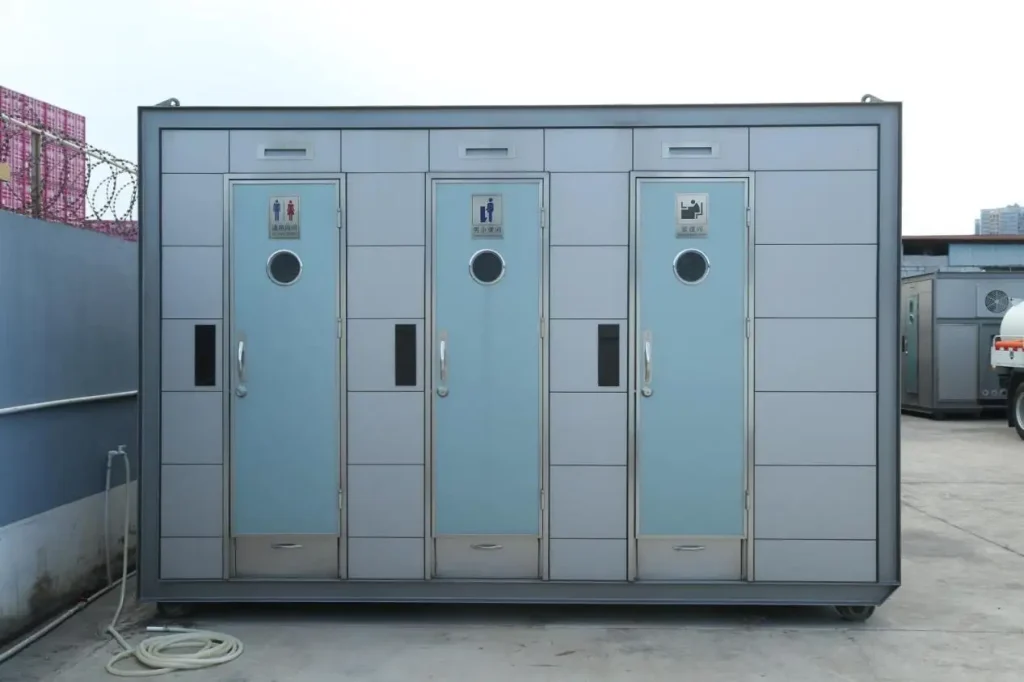
Odor control in a Portable Toilet for Construction Site should be treated as a wastewater and ventilation engineering issue, not simply a cleaning issue. In high-traffic construction environments, odor is affected by septic-tank loading, gas containment, flushing efficiency, pipe drainage, airflow direction, temperature, and service frequency. A properly designed system controls the source, transport path, and accumulation of odor rather than attempting to mask it with fragrance.
Why Does a Portable Toilet for Construction Site Develop Odor?
Restrooms on construction sites have unique challenges. High volumes of restroom use occur at the same time on site, during shift breaks and changes. Some construction sites may have the same restroom in use for extended periods of time, several months for example.
The sources of odor are usually interdependent.
| Odor Source | Technical Cause | Main Control Method |
| Septic tank | Decomposition of waste + generation of gas | Sealing the tank + controlled venting |
| Toilet bowl | Residual waste after flushing | Complete flushing |
| Drainage pipe | Stagnant wastewater or deposits | Correct slope with flow |
| Pipe joints | Leakage at connections | Sealed interfaces |
| Cabin air | Insufficient air exchange | Controlled ventilation |
| Interior surfaces | Urine, moisture and contamination | Surfaces of low-absorption and washable materials |
Waste Decomposition and Tank Loading
During decomposition, waste generates ammonia and gases that contain sulfur. The rate and perceived intensity can increase with:
• Higher daily user loads
• Longer waste-retention periods
• Elevated ambient temperature
• Poor tank ventilation
• Insufficient cleaning
• Wastewater remaining in pipework
A septic tank does not need to be full before odor becomes noticeable. For a Portable Toilet for Construction Site, gas control must therefore begin well before the tank reaches its service limit.
Airflow Direction Matters
Installing a fan alone does not guarantee effective odor removal.
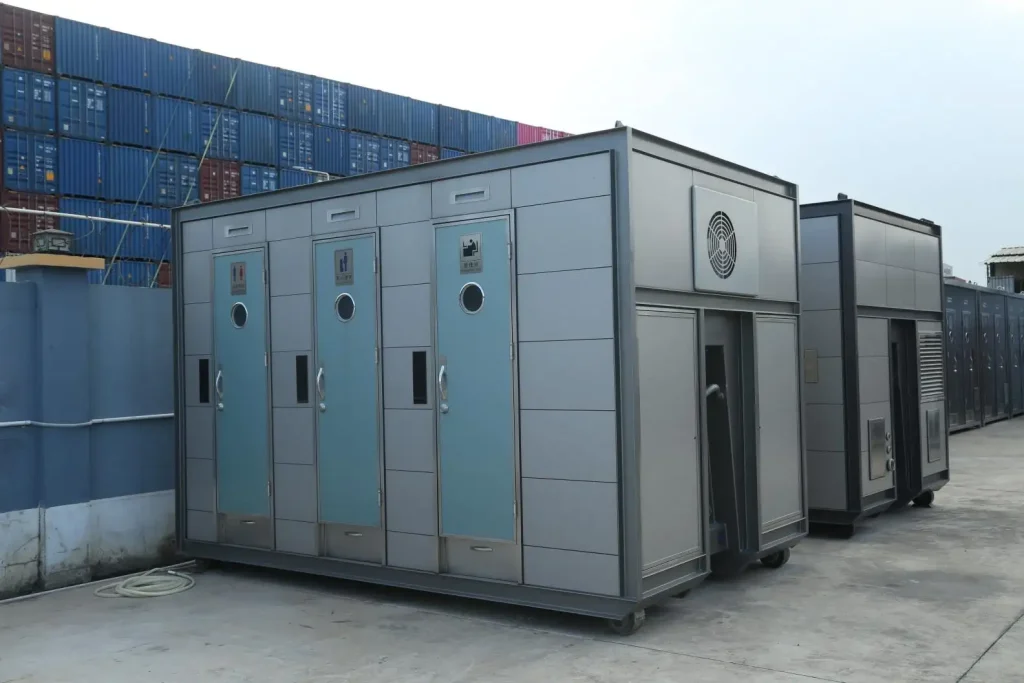
A restroom requires a defined airflow path:
Fresh-air inlet → Occupied zone → Contaminated-air collection → Exhaust
If pressure conditions allow air to move from the waste system toward the cabin, unpleasant gases can enter the occupied space. Exhaust points should therefore remove contaminated air without simply recirculating it.
Six Technical Measures for Better Odor Control
1. Seal the Wastewater System
The waste tank, toilet outlet, pipe joints, floor drains, access covers, and service ports should form a controlled wastewater boundary.
Buyers should pay attention to:
• Toilet-to-pipe connections
• Flexible joint quality
• Tank access-cover sealing
• Drain interfaces
• Pipe penetrations
• Maintenance openings
A large holding tank offers little odor-control benefit if gas can escape through poorly sealed connections.
2. Design Ventilation Around Airflow Rather than Fan Size
Ventilation should eliminate excess moisture and pollutants and provide predictable and controllable airflow.
This is based on:
• Position of fresh air inlets
• Position of exhausts
• Room volume
• Number of toilet compartments
• Heat and moisture load
• Short-circuit airflow
In the case of the Portable Toilet for Construction Sites, airflow becomes critical, as a single exhaust point may fail to ventilate all the toilet compartments sufficiently.
3. Enhance Flush Efficiency
More water does not equal greater control of odor.
Flush efficiency is determined by how well the system is designed to deliver waste from the bowl to the storage tank.
Consider the following:
• Bowl surface coverage
• Flush velocity
• Waste transport capability
• Residue removal
• Pipe compatibility
• Water consumption per cycle
Wash and air-water mixing flush systems may be implemented to lower fresh-water usage, provided the system is designed to maintain high performance with respect to transport and clearing.
4. Eliminate Wastewater Stagnation
Residual wastewater within drainage systems may create persistent odor.
Consider the following for good drainage design:
• Continuous slope within the piping
• Correct piping diameter
• Minimal tangential flow
• Cleanout accessibility
• Good placement of floor drains
For a Portable Toilet for Construction Site, transport may also be a design factor. Piping and connections should be designed to prevent low spots along the system where wastewater may remain.
5. Size Tanks Based on Demand
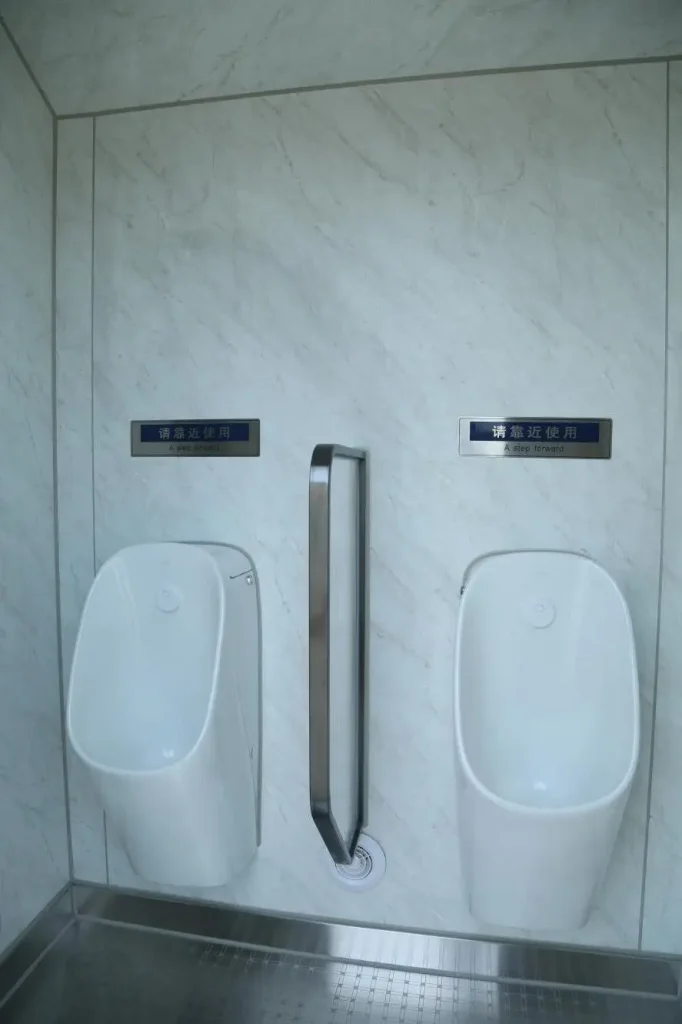
Increasing tank size elongates the service interval. However, the tank size should closely match the demand of the site.
A practical sizing review requires consideration of the following:
• Number of employees
• Uses per employee per shift
• Number of shifts
• Flush-water consumption
• Demand for handwashing
• Volume of usable tank
• Required reserve or freeboard
• Pump-out frequency
Odor risk can increase when workforce size rises but tank capacity and the servicing schedule remain unchanged.
| Design Variable | If Undersized | If Properly Matched |
| Fresh-water tank | Frequent refill | Stable flushing supply |
| Septic tank | Rapid loading | Predictable service cycle |
| Ventilation | Odor accumulation | Better air exchange |
| Flush system | Residual contamination | Reliable waste removal |
| Service schedule | Emergency pump-outs | Planned maintenance |
6. Manage Temperature and Humidity
Warm, humid conditions can increase discomfort, moisture, and odor, while freezing conditions can restrict the movement of water and waste. Climate-specific measures should therefore be considered in the toilet, tank, and pipework design.
Depending on the site, a Portable Toilet for Construction Site may require:
• Mechanical ventilation
• Air conditioning
• Pipe insulation
• Tank heating
• Pipeline heating cables
• Faucet freeze protection
Climate adaptation should therefore be specified together with tank and plumbing design.
Does a Larger Septic Tank Eliminate Odor?
No.
Tank capacity primarily determines how much wastewater can be stored before servicing. Odor performance depends on the complete system.
A high-capacity tank still requires:
• Reliable sealing
• Proper venting
• Efficient flushing
• Free-flowing drainage
• Routine cleaning
• Planned pump-out intervals
Extending the service interval too far can increase waste-retention time and make odor management more difficult. For this reason, the largest possible tank is not automatically the best engineering choice.
How Often Should a Portable Toilet for Construction Site Be Serviced?
There is no universal service interval.
Maintenance schedules should factor in observable operating conditions as well as calendar status.
The principle variables are:
• Size of workforce
• Operating hours
• Shift variety
• Capacity of tanks
• Consumption of water
• Temperature
• Frequency of cleaning
• Pump-out access
In basic terms:
Increased usage + increased temperature + increased retention time = increased demand for odor control.
Operators should support servicing by checking tank levels, bowl condition, drains, ventilation, water supply, and high-touch surfaces.
Odor Control Is Different from Odor Masking
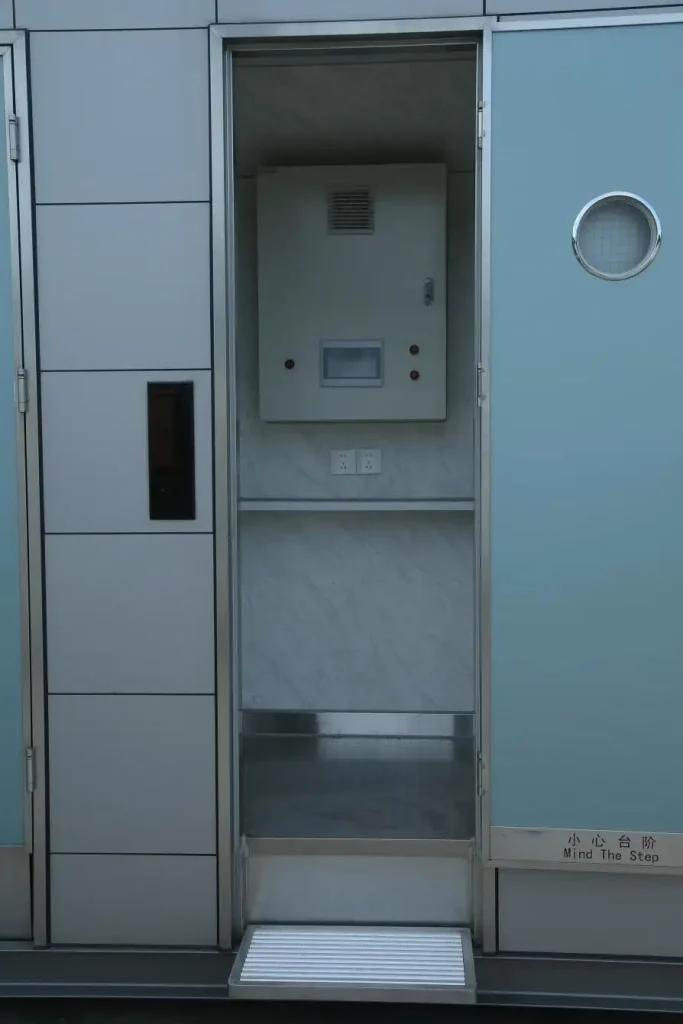
Chemical deodorizer or fragrance may improve perceived air quality temporarily, but it cannot correct engineering problems such as:
• Leaking septic gases
• Blocked ventilation
• Contaminated surfaces
• Stagnant drainage
• Incomplete flushing
• Excessive tank loading
For a long-term Portable Toilet for Construction Site, the priority should be source control first and deodorizing products second.
How SAUDIND Designs for High-Usage Construction Sites
SAUDIND approaches odor control as part of the complete sanitation system design rather than relying on one feature.
High-Capacity Water and Waste Management
Storage of fresh and septic water can be designed to align with expected service intervals and worker traffic. Further, water-efficient flushing can be employed to reduce water waste.
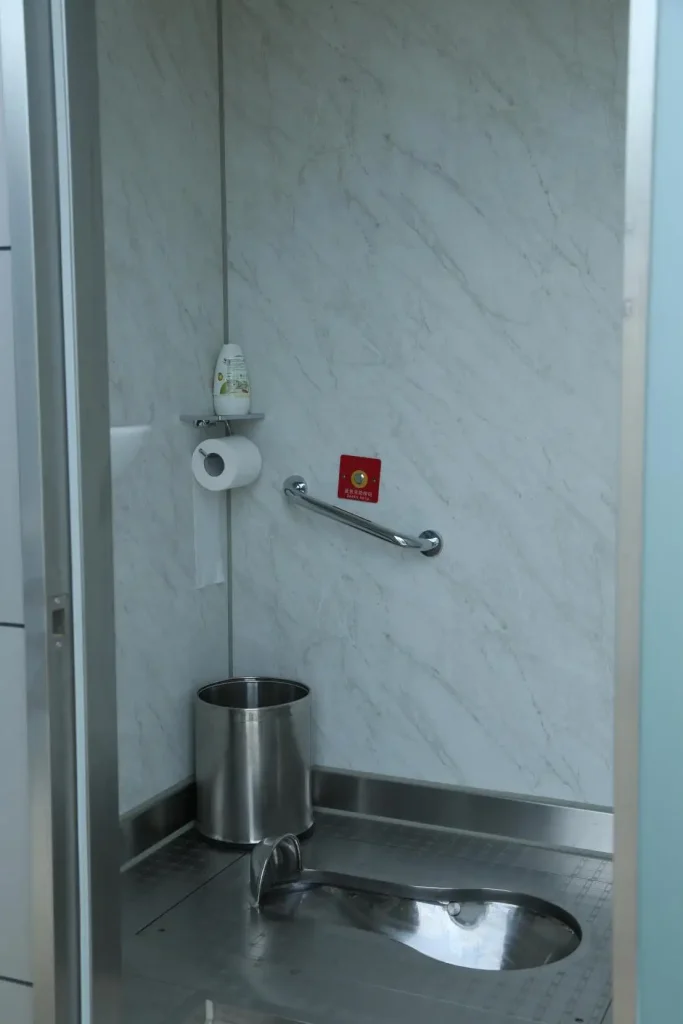
Durable, Cleanable Interior Materials
SAUDIND can include the use of:
• Flooring of SUS304 stainless steel
• Wall surfaces of compact laminates and HPL
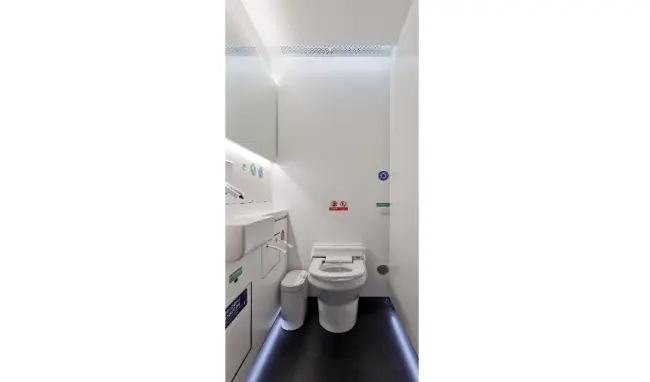
• Moisture-resistant interior wall panels.
These surfaces aid in the cleaning process and reduce the retention of moisture and contamination.
Controlled Interior Environment
Ventilation and circulation of air, along with HVAC systems, can be tailored to fit the size of the cabin, the layout of the compartments, the prevailing climate and conditions, and the expected use of the system.
Touchless and Smart Functions
The use of touchless systems, along with smart technologies, can greatly reduce contact points and assist with efficient sanitation management.
Cold-Climate Protection
Tank heating, pipeline heating cables, faucet protection, and related thermal-management measures can be configured for projects operating in freezing conditions.
When is a Heavy-Duty Portable Toilet the Best Option?
Heavy-duty portable toilets for construction sites are relevant for applications such as:
• Large construction workforces
• Long duration infrastructure projects
• Construction sites with limited access or no construction site amenities
• Commercial mining and energy sites
• Locations that do not have a connection to a permanent sewer system
• Sites that require longer periods between scheduled service visits
Basic portable cabins will often remain sufficient for construction sites of smaller size and shorter duration. However, a greater level of planning and design will generally be needed for such factors as tank capacity, plumbing, ventilation, protection from the elements, and access for maintenance for higher-traffic sites and longer periods of deployment.
Conclusion
Effective odor control in portable toilets for construction sites depends on the interaction between waste containment, flushing, drainage, ventilation, climate control, and maintenance.
For construction projects with high worker traffic, sanitation requirements should be evaluated before tank capacity and cabin layout are finalized. SAUDIND can support project-specific review of workforce demand, water and waste capacity, ventilation, flushing, climate protection, and maintenance requirements to develop a Portable Toilet for Construction Site configuration suited to actual operating conditions.
FAQs
Q1. How does SAUDIND control odor in a Portable Toilet for Construction Site?
SAUDIND addresses odor control in its entire line of integrated solutions. This includes sealed septic tanks, effective flushing, directed drainage, ventilation, smooth surfaces to clean, and easy access for maintenance.
Q2. Can SAUDIND customize tank capacity for different construction-site workloads?
Yes. SAUDIND can adapt the capacity of the fresh-water and waste tanks based on the size of the workforce, the anticipated number of uses, the intensity of flushing, the service interval, and the pump-out service frequency.
Q3. Does SAUDIND offer water-saving flushing systems?
SAUDIND can discuss water-saving flushing options for a project and evaluate them against bowl cleaning, waste transport, expected usage, and available fresh-water supply.
Q4. Can SAUDIND portable toilets be designed for cold climates?
Yes, SAUDIND can include a variety of solutions to minimize the risk of freezing, including tank heating, heating cables for the pipes, protection for the faucets, insulation, and other techniques based on the requirements of the project.
Q5. What materials does SAUDIND use for easy cleaning?
SAUDIND can provide a variety of configurations that include flooring of SUS304 stainless steel, HPL wall panels, and other resistant materials that support repeated cleaning.
Written by
admin