



Updated 2 months ago
Portable Toilet Modules for Hot and Cold Climates: Key Design Requirements
admin
admin
Customized Portable Toilet Module
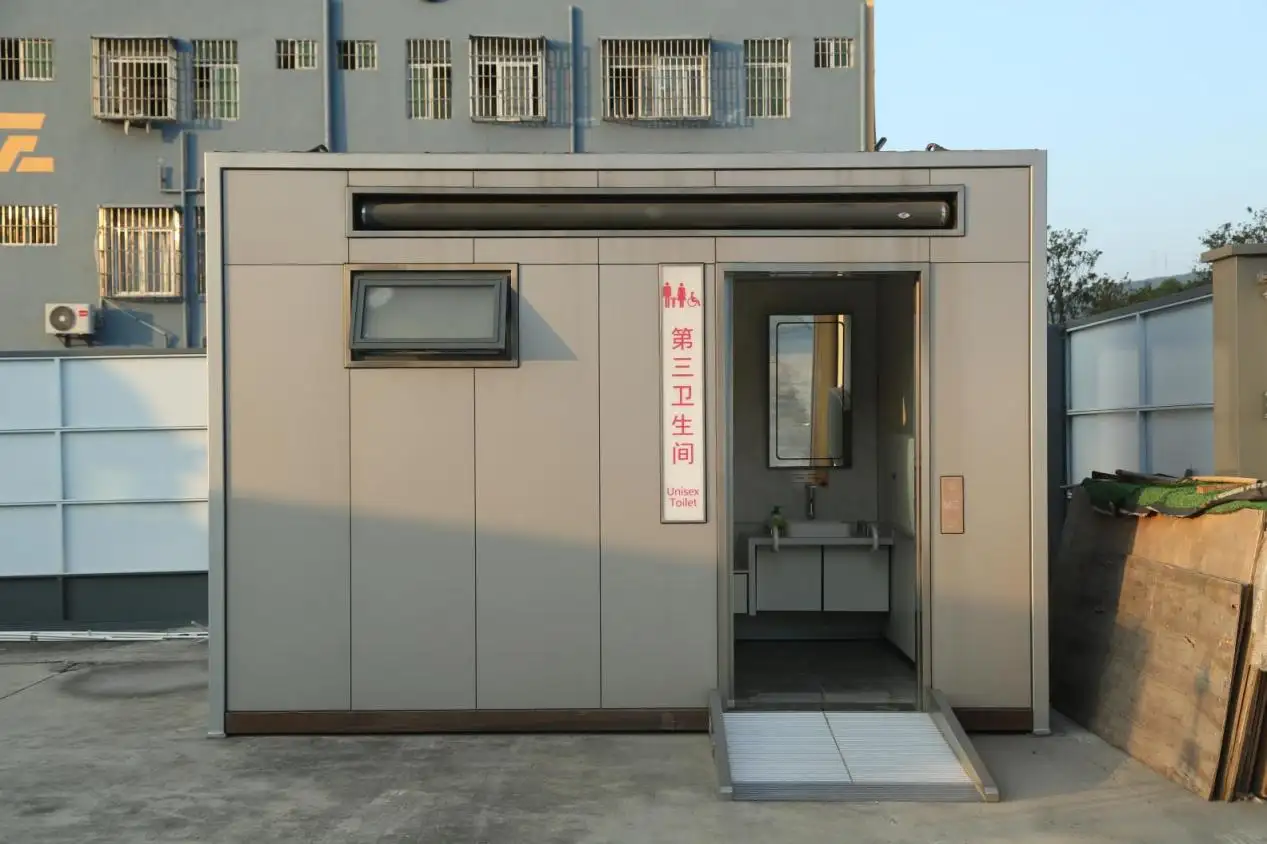
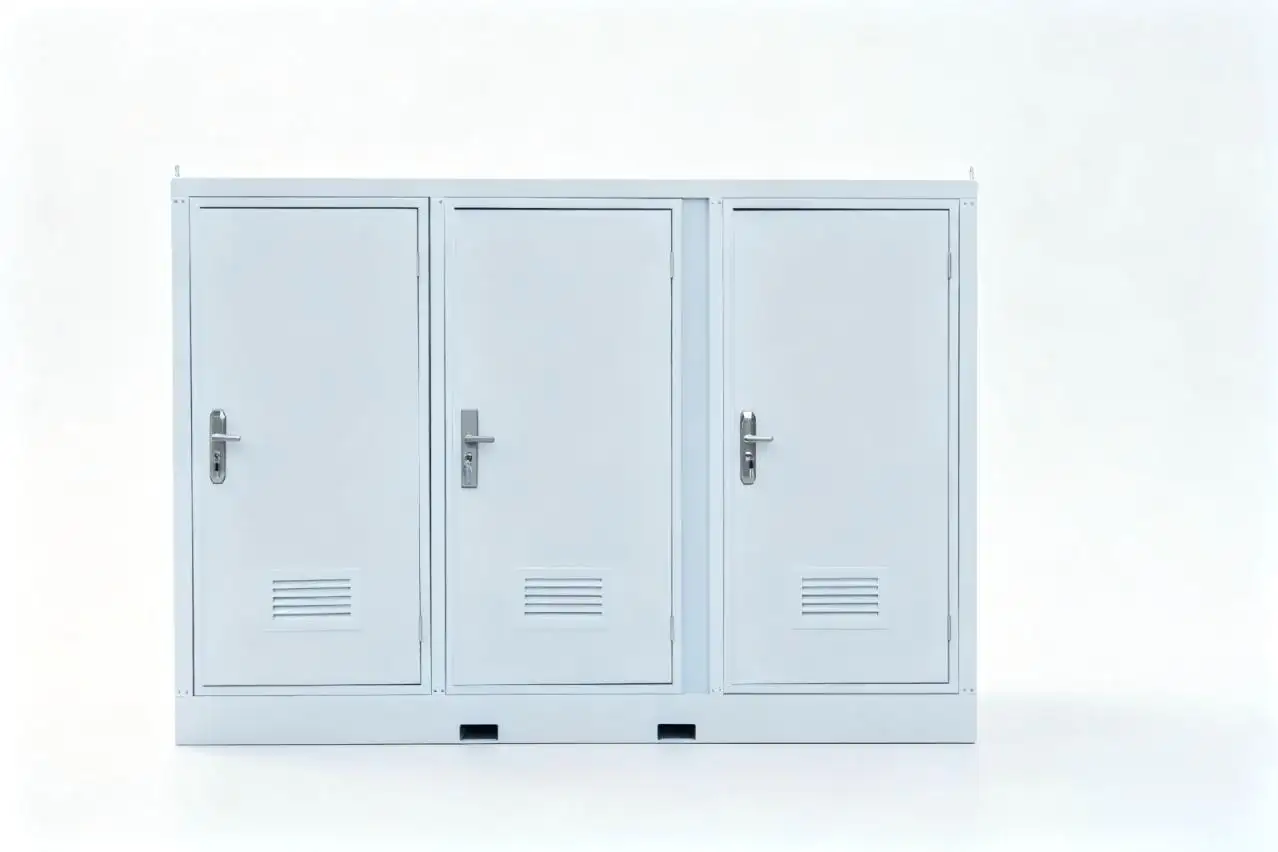
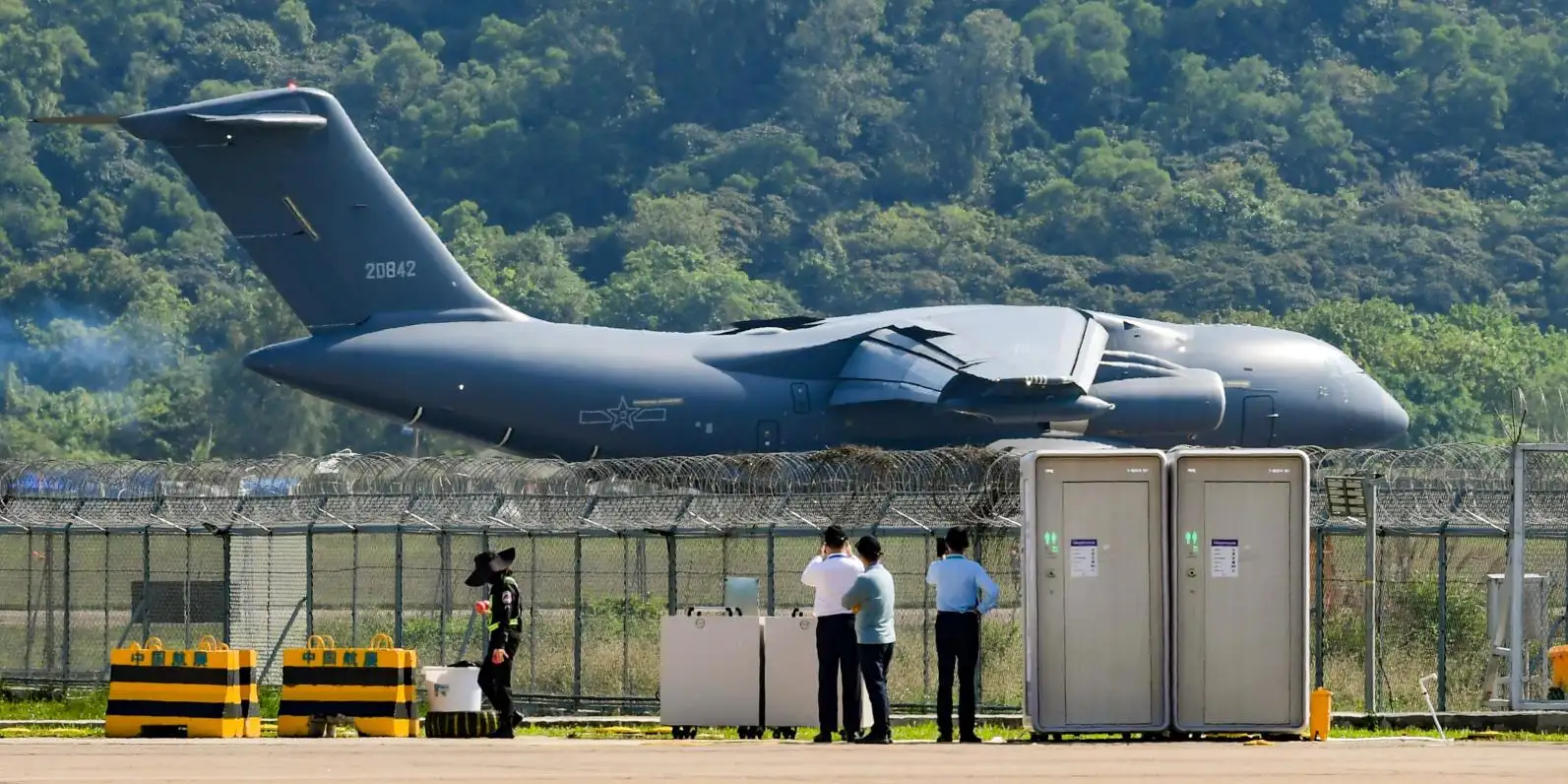
A Customized Portable Toilet Module for extreme climates should be designed as an integrated environmental system rather than a standard portable restroom with extra insulation or air conditioning. Temperature, solar radiation, humidity, dust, freezing risk, water supply, wastewater discharge, power availability, user volume, and maintenance frequency all affect the final configuration.
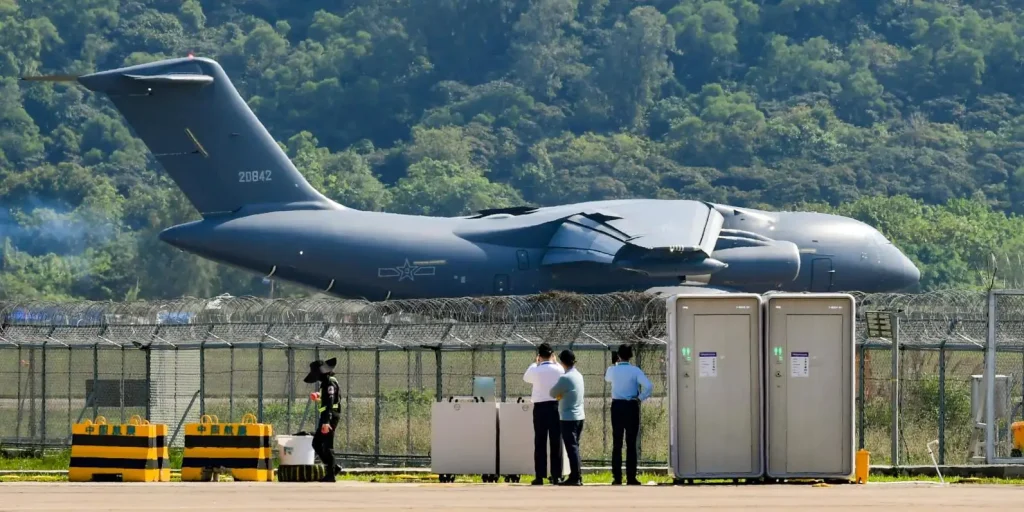
For municipalities, construction companies, EPC contractors, event operators, and developers, climate adaptation is therefore one of the most important considerations when specifying a Customized Portable Toilet Module.
Why Climate Changes Portable Toilet Design
A modern modular portable restroom contains several connected systems:
• Building envelope and insulation
• Ventilation and HVAC
• Fresh-water supply
• Wastewater collection
• Electrical and control systems
• Sensors and IoT equipment
• Sanitary fixtures
• Drainage and waterproofing
These systems influence each other. In a hot climate, for example:
High solar gain → higher interior temperature → stronger odor → greater ventilation demand → larger cooling load → higher energy consumption
This is why a climate-resistant Customized Portable Toilet Module must be engineered as a complete system.
Hot-Climate Design Requirements
Control Solar Heat Gain
High outdoor temperature is only part of the problem. Direct solar radiation can significantly increase roof and wall surface temperatures.
Important design measures include:
• Insulated roof and wall assemblies
• UV-resistant exterior coatings
• Reflective or light-colored surfaces
• Reduced thermal bridging
• Shading where site conditions allow
• Heat-resistant seals and exterior components
For a Customized Portable Toilet Module for hot climates, the roof often deserves particular attention because it receives prolonged solar exposure.
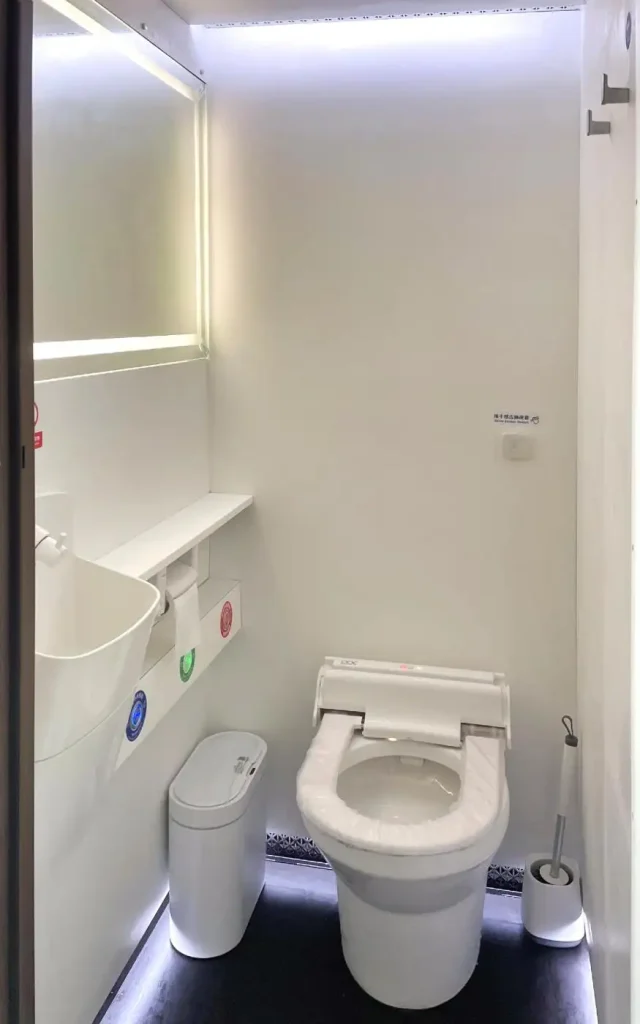
Ventilation, Cooling and Odor Control
Ventilation, cooling, and deodorization perform different functions and should not be treated as interchangeable.
| System | Main Function | Limitation |
| Natural Ventilation | Removes warm and stale air | Depends on climate |
| Mechanical Exhaust | Controls odor and moisture | Increases energy use |
| Air Conditioning | Reduces indoor temperature | Does not replace exhaust |
| Deodorization | Improves indoor comfort | Cannot replace airflow |
A good design considers fresh-air intake, exhaust position, airflow direction, heat accumulation, and occupancy-based control.
Sand and Dust Protection
For a portable restroom for Middle East applications, heat is often combined with sand and airborne dust.
Dust may affect:
• Ventilation fans
• Filters
• Door tracks
• Sensors
• Electrical equipment
• Solar panels
A suitable Customized Portable Toilet Module may therefore use filtered air inlets, protected ventilation openings, sealed electrical compartments, accessible filter locations, and maintenance-friendly technical spaces.
These measures are particularly relevant for Saudi Arabia, construction camps, tourist destinations, and remote infrastructure projects.
Cold-Climate Design Requirements
Insulation and Thermal Bridging
For a Customized Portable Toilet Module for cold climates, heat loss must be controlled across the entire enclosure, including:
• Roof
• Walls
• Floor
• Doors
• Windows
• Pipe penetrations
Because portable modules are relatively compact, poorly insulated joints and thermal bridges can have a large impact on interior comfort and condensation.
Freeze Protection for Water Systems
Cold-weather design must protect more than the occupied restroom area.
Important measures can include:
• Insulated fresh-water tanks
• Protected pipe routing
• Pipe heating where required
• Appropriate drainage slopes
• Heated service compartments
• Cold-resistant valves and seals
• Winterization procedures
Adding a heater inside the restroom does not automatically protect external tanks or exposed pipes.
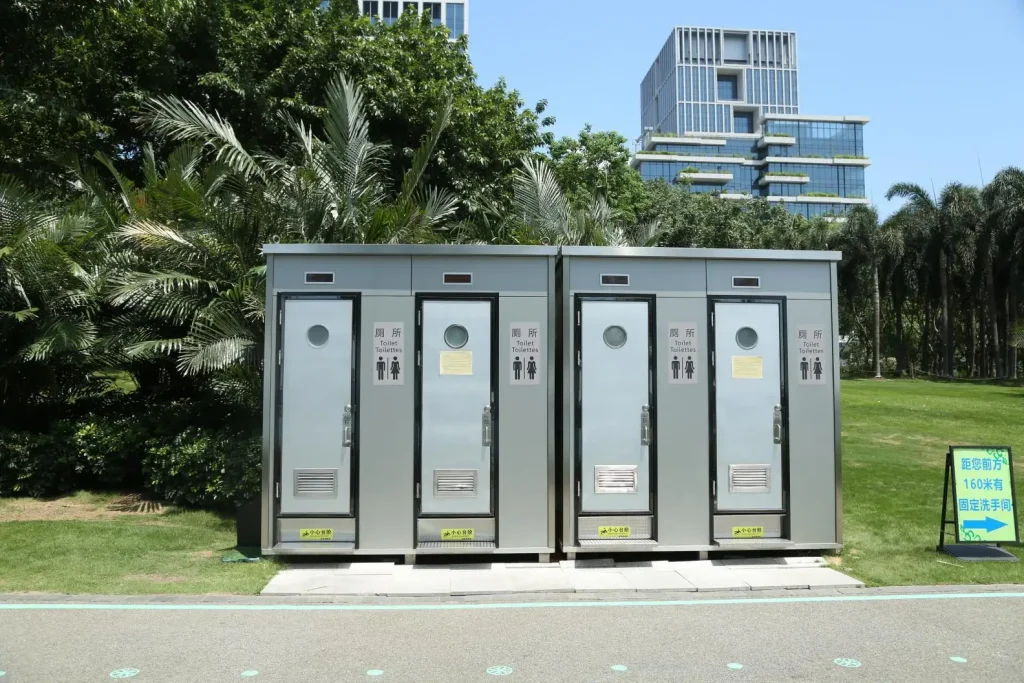
Condensation and Moisture Control
Condensation can occur in both cold and hot-humid environments.
In cold climates:
Warm indoor air + cold surface = condensation risk
In hot and humid climates:
Humid outdoor air + cooled interior surface = condensation risk
A properly engineered Customized Portable Toilet Module should therefore consider continuous insulation, ventilation, waterproof interior finishes, drainage, vapor control, and moisture-resistant materials.
Material Selection for Extreme Climates
| Component | Hot Climate Priority | Cold Climate Priority |
| Exterior Panel | UV and heat resistance | Low-temperature durability |
| Insulation | Limit heat gain | Reduce heat loss |
| Interior Panel | Moisture resistance | Condensation resistance |
| Flooring | Water and heat resistance | Slip and freeze resistance |
| Sealants | UV stability | Low-temperature flexibility |
| Plumbing | Heat durability | Freeze protection |
Material selection should also consider cleaning chemicals, corrosion, service life, and maintenance access.
Water and Waste Tank Sizing
Tank capacity should not be selected from module size alone.
The manufacturer should evaluate:
• Daily user volume
• Flush system
• Hand-washing demand
• Cleaning frequency
• Shower requirements
• Water connection availability
• Waste pumping interval
The basic planning sequence is:
Daily users → water consumption → fresh-water tank → wastewater volume → service interval
This makes a Customized Portable Toilet Module more reliable for remote or temporary sites.
Grid, Solar or Hybrid Power?
Power design should follow actual electrical load.
| Power Option | Best For | Main Advantage |
| Grid | Permanent urban sites | Stable supply |
| Solar | Remote sunny areas | Lower grid dependence |
| Hybrid | Smart remote modules | Better resilience |
Power calculations may need to include ventilation fans, pumps, lighting, sensors, digital displays, HVAC, water heating, and automated systems.
For this reason, load calculation should come before solar-panel sizing.
Smart Systems for Extreme Environments
A smart portable toilet module can use IoT functions to monitor:
• Occupancy
• Temperature
• Humidity
• Environmental conditions
• Fresh-water level
• Waste-tank level
• Equipment faults
• Maintenance requirements
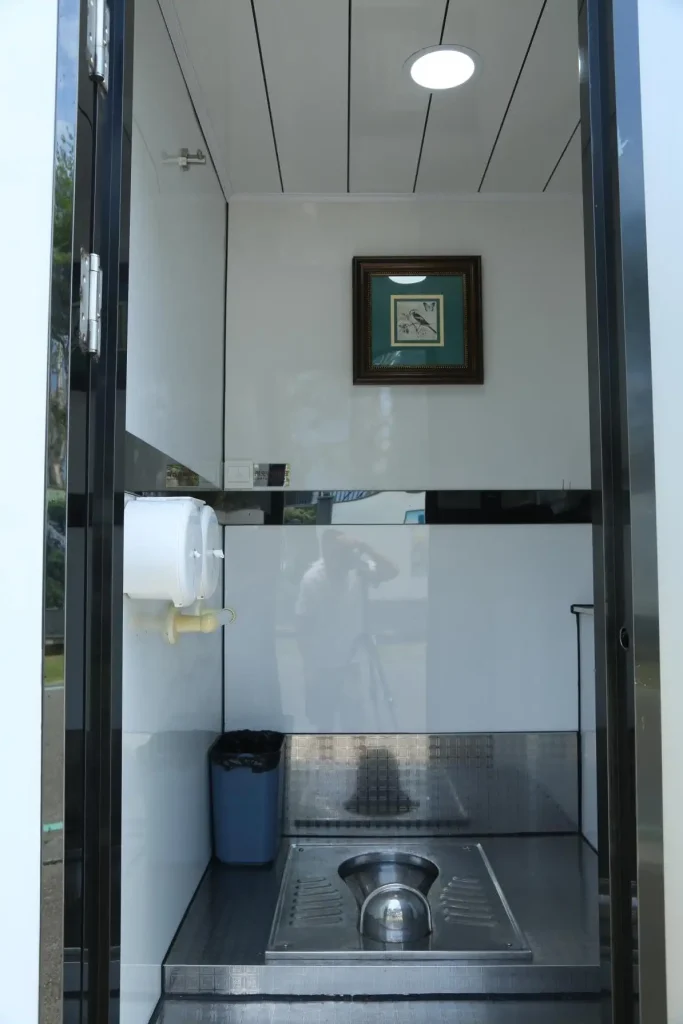
The value of smart monitoring is giving operators visibility into occupancy, environmental conditions, tank levels, equipment status, and maintenance requirements between scheduled inspections.
How SAUDIND Designs Customized Portable Toilet Modules
SAUDIND approaches each Customized Portable Toilet Module as a configurable sanitation system rather than applying one standard design to every project.
According to project conditions, the configuration can be adjusted in areas such as:
• Exterior materials and coatings
• Insulation
• Ventilation layout
• Cooling strategy
• Sand and dust protection
• Water and wastewater systems
• Grid, solar, or hybrid power
• Smart monitoring and touch-free functions
SAUDIND also supports single-unit, multi-cubicle, accessible, mother-and-child, storage, staff-service, and integrated sanitation layouts.
For Middle East projects, customization can additionally consider high solar exposure, dust, privacy requirements, local usage habits, gender-separated layouts, exterior styling, and municipal design requirements.
Where Customized Portable Toilet Modules Are Used
A Customized Portable Toilet Module can be adapted for:
• City parks
• Tourist attractions
• Transport centers
• Construction sites
• Outdoor events
• Remote projects
• Municipal facilities
• Temporary infrastructure
• Middle East public-space projects
Compared with conventional built restrooms, modular systems can be configured for temporary or relocatable projects and can integrate water, wastewater, power, and monitoring systems within the module. Conventional restrooms may remain more suitable for very large permanent facilities with established utilities.
Key Takeaway
Selecting a Customized Portable Toilet Module for extreme weather should begin with environmental conditions, infrastructure, daily user load, and maintenance requirements rather than exterior appearance alone.
The correct design sequence is:
Climate → Envelope → HVAC → Water → Waste → Power → Controls → Maintenance
For hot, cold, dusty, or remote environments, SAUDIND can review the project location, expected user volume, water and drainage connections, power availability, layout requirements, and installation scope to develop a practical portable toilet module configuration.
FAQs
Q1. Can SAUDIND modify portable toilet modules for extreme temperature situations?
Yes. SAUDIND is able to adjust a Customized Portable Toilet Module based on local factors such as temperature, humidity, solar exposure, dust, water availability, power, volume of users, and maintenance.
Q2. Can SAUDIND create portable toilet modules for Saudi Arabia and the Middle East?
Yes. SAUDIND is able to consider the characteristics of the Middle East and create designs that include high temperatures, strong sunlight, sand and dust, the need for privacy, local usage patterns, and local architecture.
Q3. In general, how flexible are the designs for a Customized Portable Toilet Module that SAUDIND offers?
SAUDIND offers flexibility in module size and design, coatings and materials for the exterior and the interior, the layout and design for ventilation, accessibility, sanitation, water and power systems, smart control systems, and exterior design.
Q4. Does SAUDIND offer portable toilets that are powered by the sun?
Yes. SAUDIND is able to offer solar, hybrid, or other power systems based on site conditions and the projected load for lighting, ventilation, pumps, sensors, monitoring devices, and optional HVAC systems.
Q5. Can SAUDIND offer smart monitoring?
Yes. SAUDIND is able to offer a range of project specific smart monitoring solutions such as occupancy and environmental sensors, tank level sensors, equipment notification systems, and remote control systems.
Written by
admin