


Updated 1 month ago
Portable Squat Toilet Trends in 2026: Water-Saving and Smart Sanitation Solutions
admin
admin
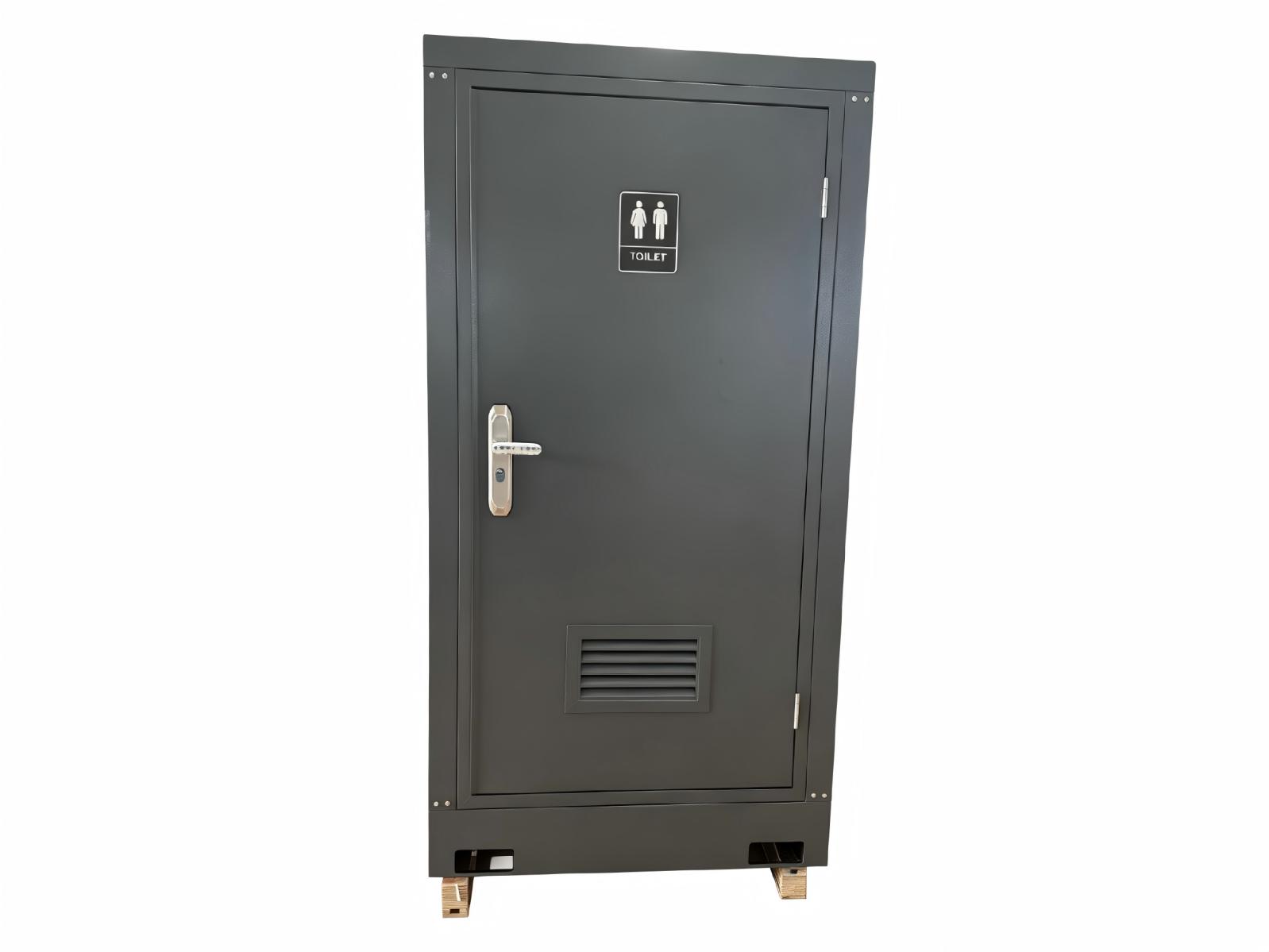
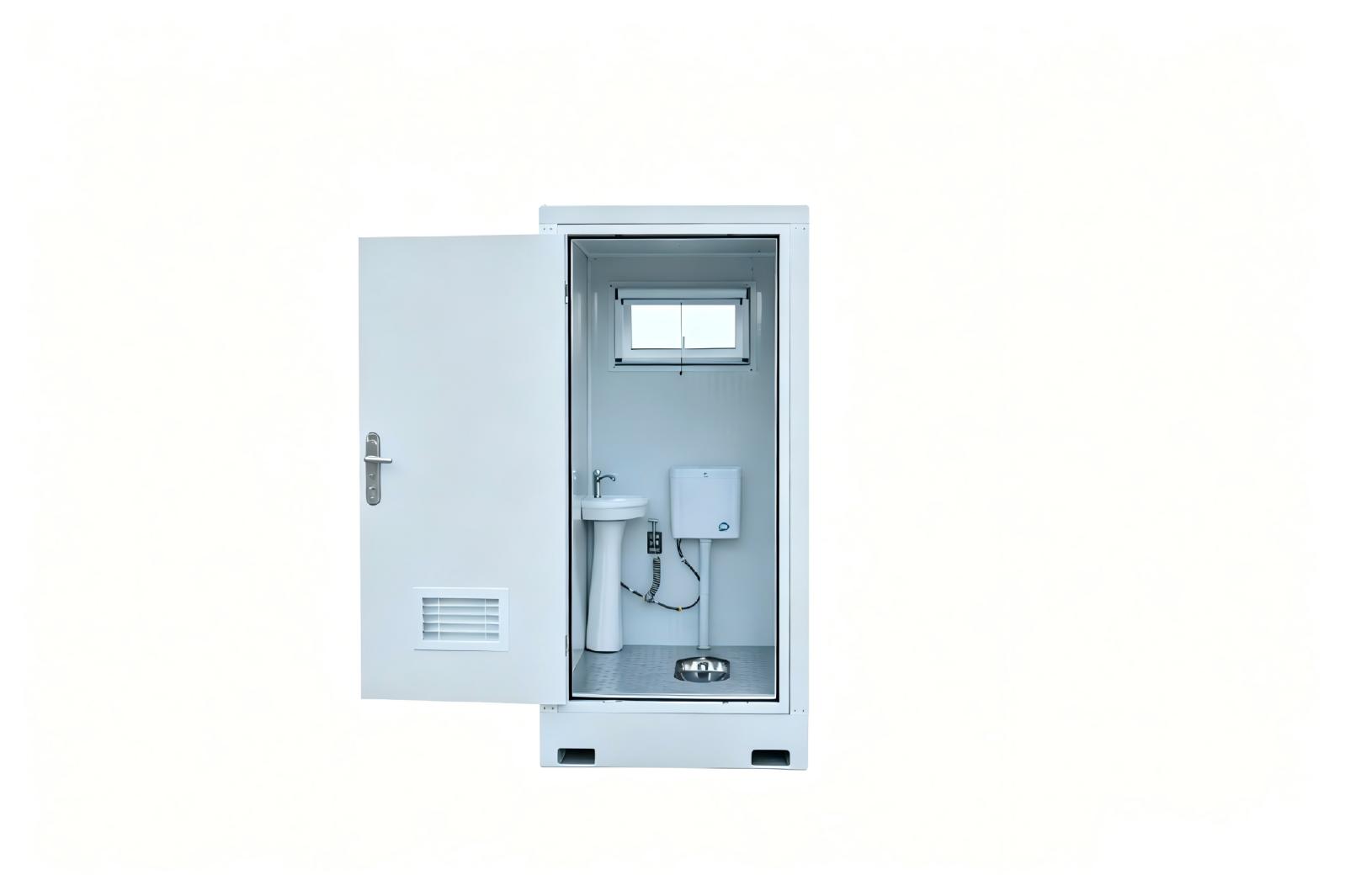
Portable Squat Toilet
There may be no water or sewer connections to a Portable Squat Toilet installed at a remote construction camp. One installed at a busy tourist attraction may be used hundreds of times between service visits. In both cases, there are implications for the supply of water for flushing, the storage of waste, and the maintenance intervals.
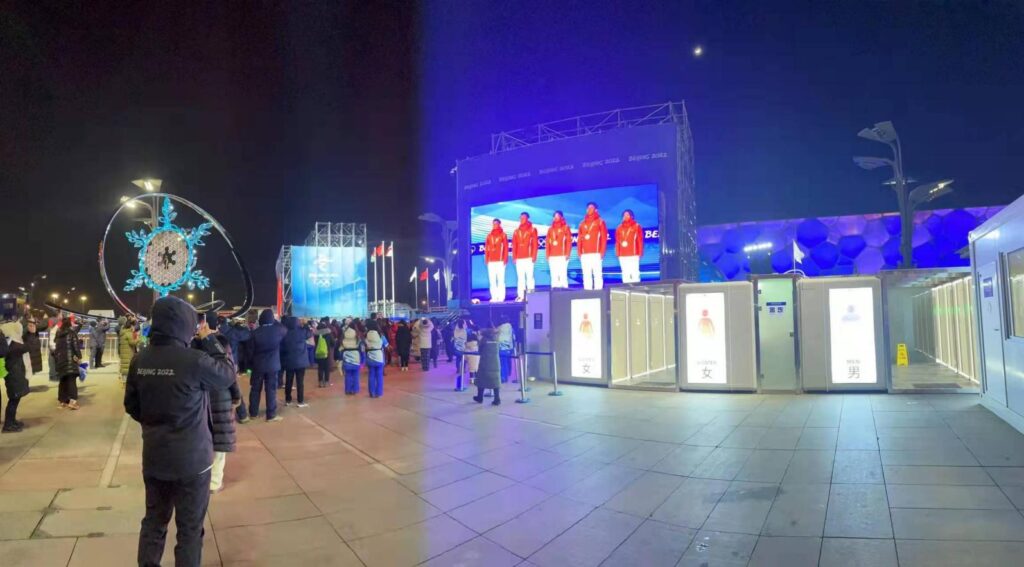
In 2026, our emphasis is on contactless control systems and the use of self-contained water and electricity supplies. At SAUDIND, we consider the integration of such technologies as part of a complete operating system.
1. What Is a Modern Portable Squat Toilet?
A Portable Squat Toilet is a restroom facility that is moveable and has a pan for a squatting user. More advanced models may be equipped with powered sewage transport, fresh water and wastewater storage, and electronic controls.
These facilities differ mainly in how they combine water supply, waste handling, electrical power and servicing arrangements.
| Technical Factor | Gravity Flushing | Vacuum Sewage |
| Transport mechanism | Water and gravity | Pressure differential |
| Water demand | Depends on flush volume | Potentially lower |
| Electricity | May be unnecessary | Required for vacuum generation |
| Common failure points | Blocked drainage | Leaks, valves, pumps, blockages |
| Maintenance priority | Pipe clearance | Vacuum integrity and equipment inspection |
What Determines Actual Water Savings?
A Portable Squat Toilet should be assessed using measured flushing consumption instead of vague water saving claims.
Daily water demand = Flushes per day × Liters per flush
For a full restroom, water consumed for handwashing and cleaning also needs to be accounted for.
Reduced flush consumption increases the time between water refills, and reduces the accumulation of wastewater. Vacuum equipment, however, requires more electrical power and adds maintenance requirements.
SAUDIND's TBOX GS-S1 includes vacuum sewage and water-saving fixtures. The project specific water consumption needs to be verified through technical documents or testing.
2. Smart Portable Squat Toilet: Contactless Controls and Monitoring
Sensor-Based Operation
The use of contactless controls may reduce the number of frequently touched surfaces. For outdoor use, equipment reliability, the effects of power interruptions and actuator wear should be assessed.
Monitoring and Consumables Management
Equipment monitoring can help identify conditions that may require maintenance. Contactless controls can reduce the number of times a surface is touched.
Service Planning and Response
Monitoring can help service personnel respond to detected conditions rather than relying only on a predefined service schedule.
Alarm functions may need to be tested and verified. Operational data may need to be reviewed to establish what is available and how it can be accessed and communicated. Contactless control systems are listed in SAUDIND’s GS-S1.
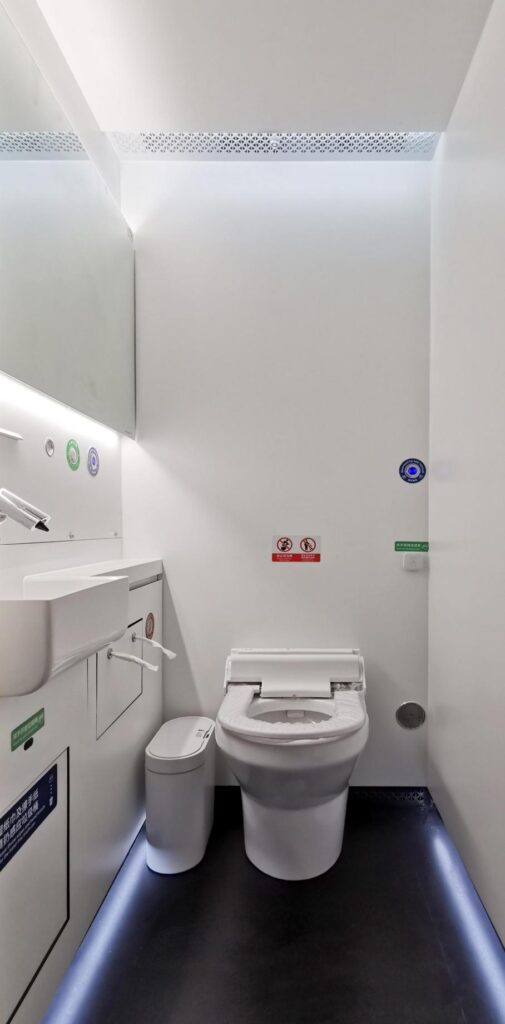
3. Off-Grid Portable Squat Toilet: Integrated Water and Waste Storage
Can a Portable Squat Toilet work Without Plumbing?
A self-contained Portable Squat Toilet can work without permanent water and sewage connections if it has adequate onboard storage for freshwater and wastewater. The SAUDIND GS-S1 includes a freshwater tank and a wastewater tank.
However, tank capacity determines how long the facility can operate between servicing visits.
Freshwater autonomy = Usable freshwater capacity ÷ Daily water demand
Wastewater service interval = Usable waste capacity ÷ Daily wastewater accumulation
Actual calculations must account for handwashing, cleaning, peak occupancy, and reserve capacity.
Plumbing Independence Is Not Power Independence
The GS-S1 specifies a 220 V, 50 Hz electrical supply. Its vacuum system and electric door operation require a compatible power arrangement.
Operators should confirm the following prior to installation:
•Sufficient electrical capacity and protection.
•Access for fresh water filling and waste-tank removal.
•Spill prevention and waste-water disposal procedures.
•Tank-level monitoring and service intervals.
A Portable Squat Toilet with built-in tanks may not be ready for use in fully un-powered locations.
4. Materials and Outdoor Durability
Aluminum Structures and Thermal Management
Because a portable squat toilet is left outdoors, it is subject to a variety of weather conditions and repeated cleanings. A portable squat toilet may also be moved from one location to another.
Alloying can increase aluminum's strength; low weight and corrosion resistance are separate material characteristics. Fasteners, surface treatments and connections also need to be considered.
GS-S1 uses a load-bearing case of aluminum alloy and incorporates thermal-transfer surface processing. The published external dimensions of the cabinet, including insulation, are 1900 × 1110 × 2330 mm.
For hot climate projects, in particular, in Saudi Arabia, other considerations when assessing procurement should include:
•The level of insulation and ventilation of the cabin.
•The exposure of the sensor to dust and direct sunlight.
•Resistance to environmental conditions (e.g., seals and other components)
•Safe lifting, transport and foundation support.
GS-S1's listed weight is approx. 400 kg per set, without the toilet bowl. Confirm operating weights prior to transport.
5. Where Is a Portable Squat Toilet Most Practical?
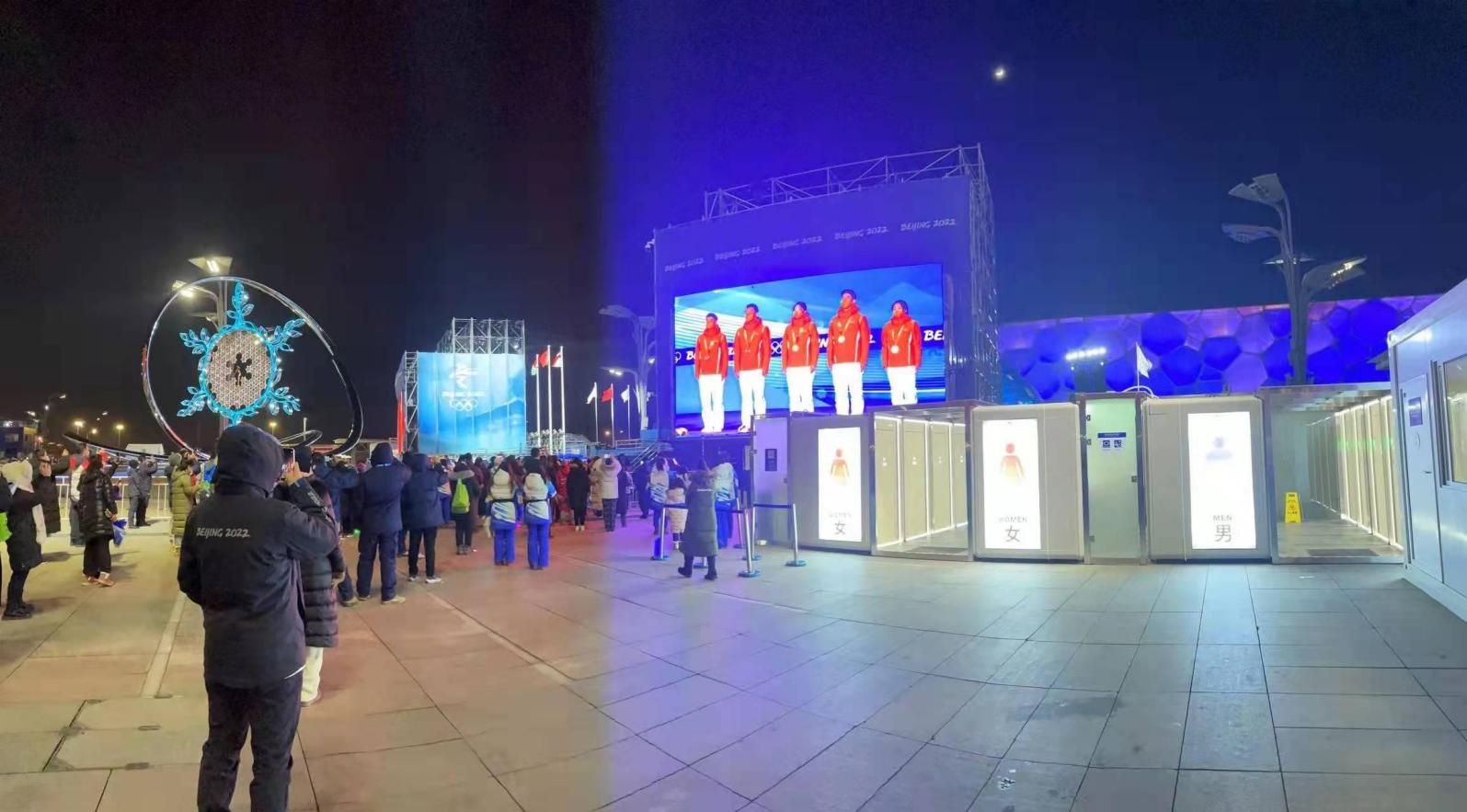
Portable Squat Toilet models are used in a variety of ways because of differences in how the infrastructure is built and the frequency of service.
| Use Case | Primary Concerns During Use | Importance in Selection |
| Construction sites | Relocating and plumbing | Durability and ease of maintenance access |
| Outdoor Events | Peak use | Tank capacity and servicing |
| Parks, Public | Use and wear over time | Odor and Cleaning |
| Tourist Sites | User preferences | Hygiene and layout |
| Remote Areas | Available Resources | Water autonomy and power |
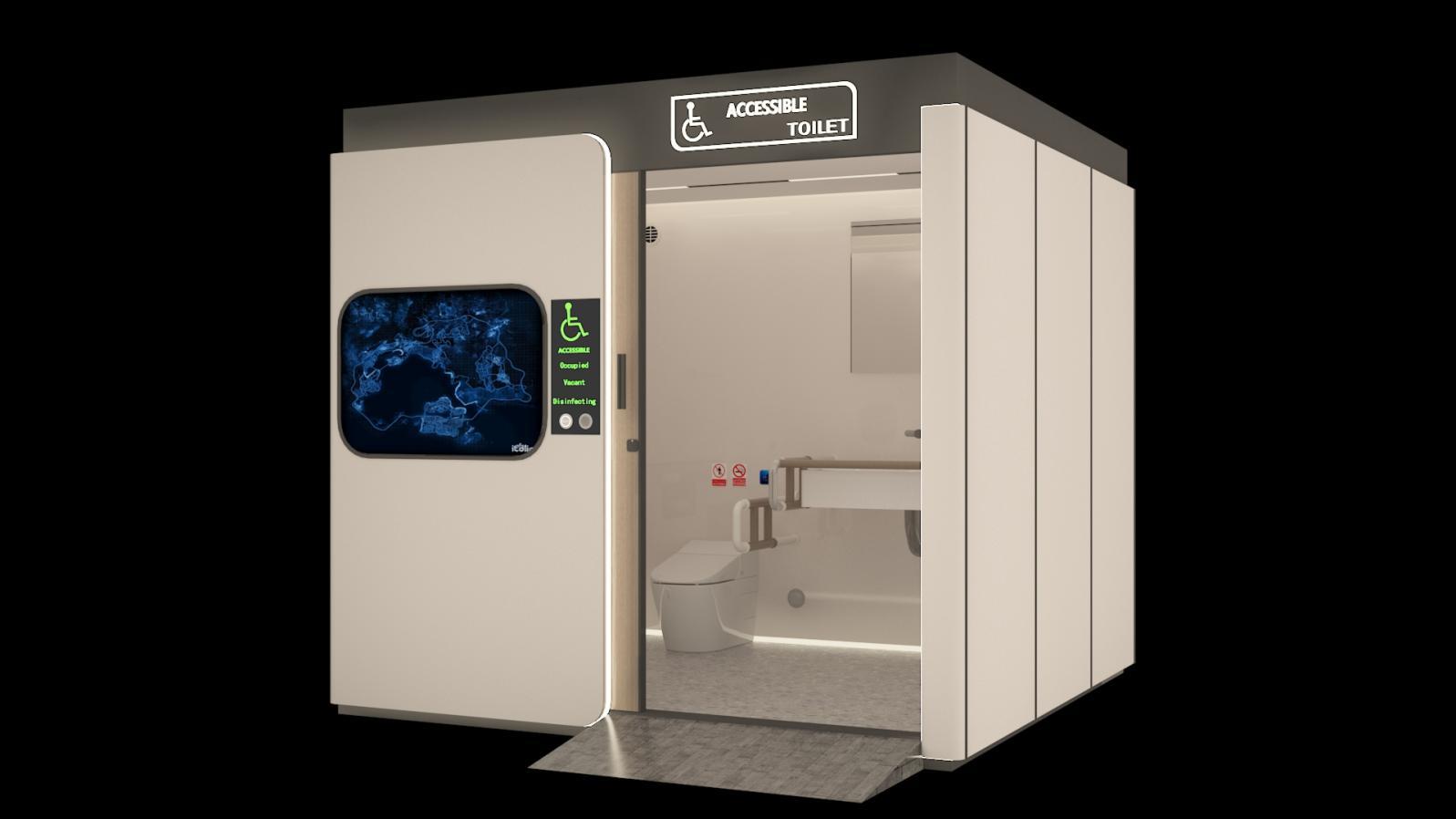
If a facility is primarily used by the public, portable squatting facilities may not be the best choice, and accessible public restrooms should be provided.
6. How to Choose a Portable Squat Toilet in 2026
Rather than just provide information on the cabin size and exterior of the portable squat toilet, potential suppliers should provide verifiable information on the technology of their portable squat toilet.
Proper Due Diligence Includes:
•Performance of the Flushing mechanism: Conditions and consumption of water.
•Configuration of the Tanks: Capacity, means of access and servicing.
•Electrical system and emergency operation: Protection and rated voltage.
•Smart Controls and maintenance: Functions of sensors and alarms.
•Systems and components: Weight, lifting eyes, and provisions for foundations.
•Life cycle cost: Operation, water and waste-water, maintenance and replacement of components.
When considering the economy of use, the purchase price should not be the only consideration. The demand for service may be reduced if a low-water system is used but the pumps, controls and other components of the system should be taken into account for the life cycle cost.
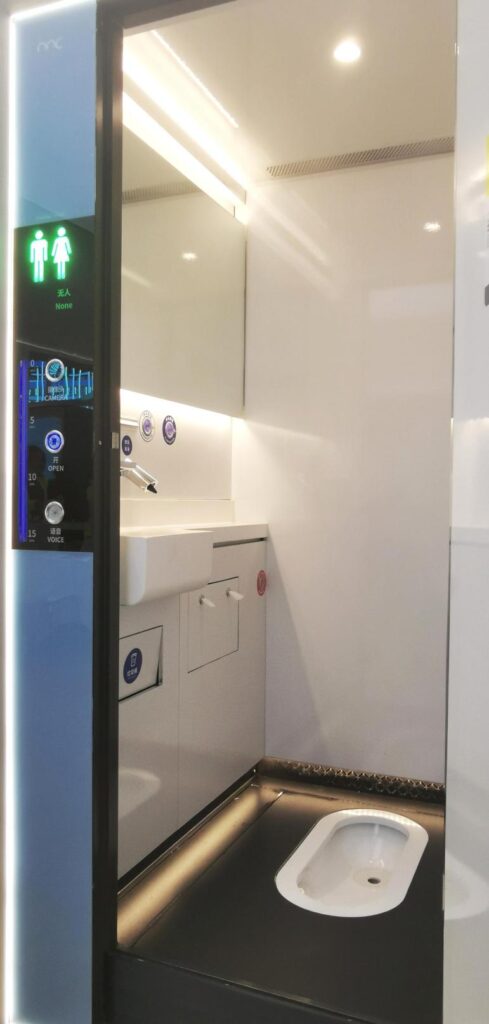
SAUDIND Portable Squat Toilet: Integrating Water-Saving and Smart Sanitation
The TBOX GS-S1 Portable Squat Toilet by SAUDIND combines a vacuum sewage system and water-saving fixtures with contactless operation and monitoring features. Fresh water and waste are stored in integrated and removable tanks.
This system is ideal for construction, tourism and public sanitation projects where users prefer or require a squatting facility.
For one of the above projects, contact us to let us know what you expect and what utilities are available for servicing. This will help us evaluate which system to recommend to you. Based on what you tell us, we can help determine if a reliable system can be maintained for the operating life.
FAQs
Q1. What Is a Portable Squat Toilet?
A Portable Squat Toilet is a movable restroom equipped with a squatting pan. At SAUDIND, our TBOX GS-S1 integrates vacuum sewage technology, freshwater storage, and a removable waste tank.
Q2. How Does SAUDIND's Portable Squat Toilet Save Water?
Our TBOX GS-S1 uses a vacuum sewage system and water-saving fixtures. Vacuum-assisted waste transport can reduce flushing water demand compared with some conventional systems. Actual consumption depends on operating conditions.
Q3. Does SAUDIND's Portable Squat Toilet Require External Plumbing?
No. Our GS-S1 includes a built-in clean-water tank and removable waste tank, allowing installation without permanent water or sewage connections. Regular refilling and wastewater collection remain necessary.
Q4. What Smart Features Does SAUDIND's Portable Squat Toilet Offer?
Our GS-S1 includes contactless operation, a monitoring system, and consumables warnings. These functions support restroom hygiene and routine maintenance management.
Q5. Can SAUDIND's Portable Squat Toilet Operate Without Electricity?
The GS-S1 requires a compatible electrical supply rated at 220 V, 50 Hz. Although it operates without permanent plumbing connections, electricity is still required for its powered systems.
Written by
admin