



Updated 3 months ago
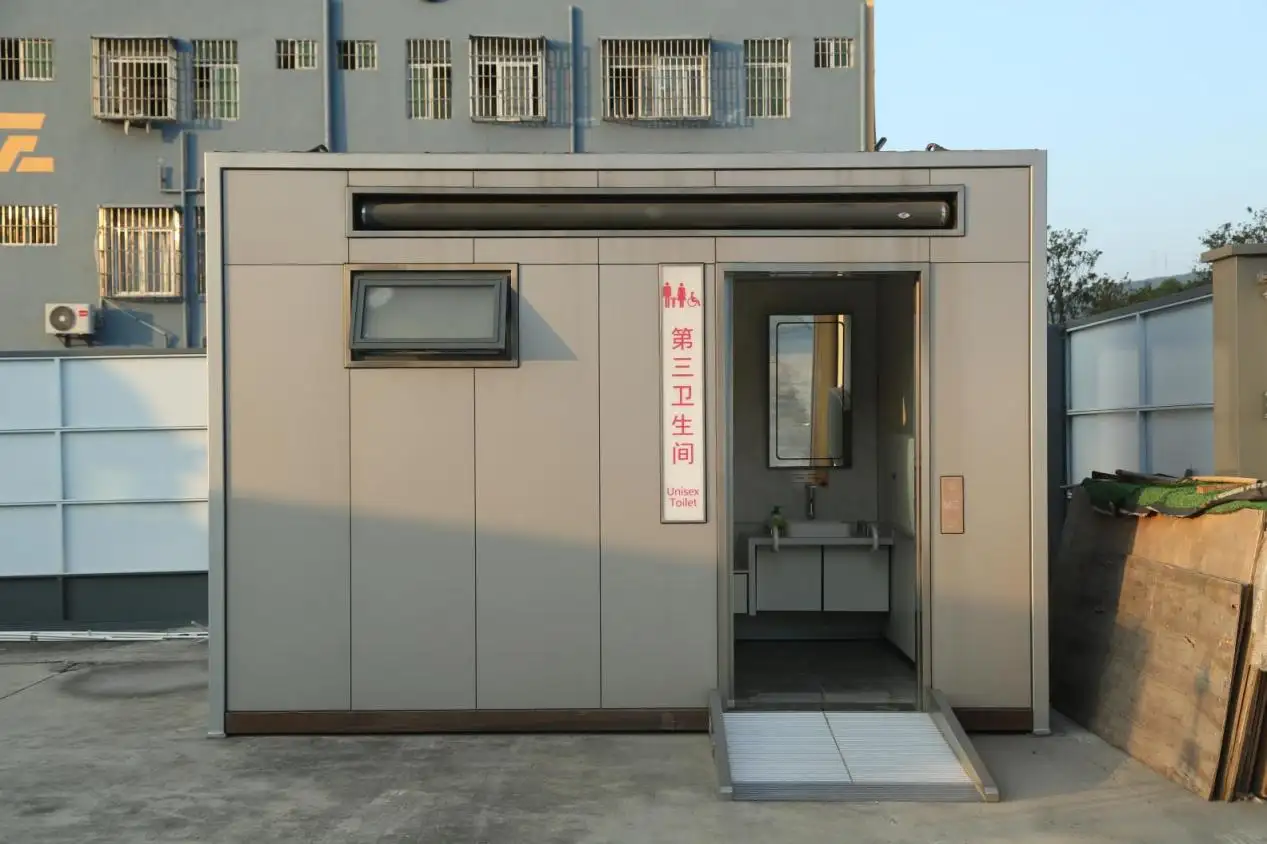
Modular Toilet Building for Public Garden as a Smart Community Facility
admin
admin
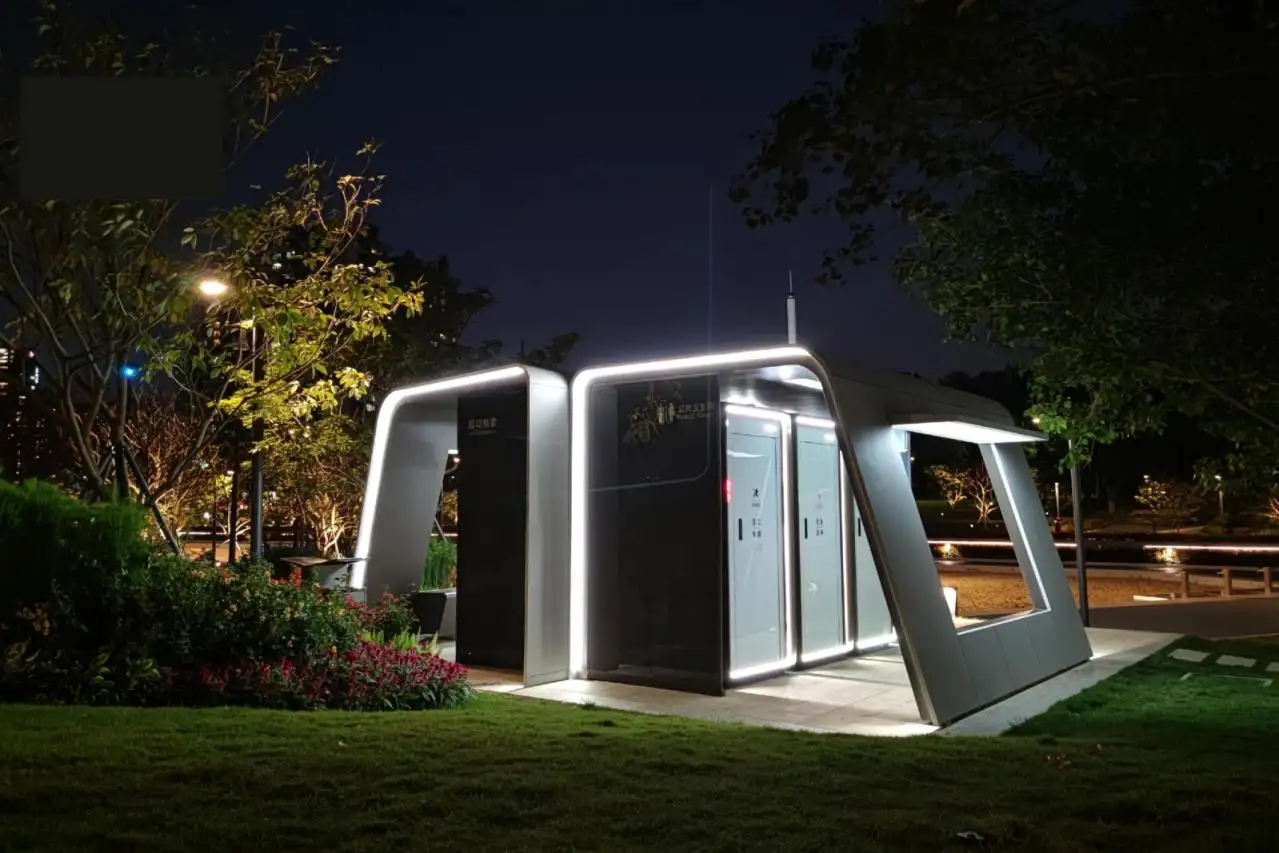
Modular Toilet Building for Public Garden
Public gardens support exercise, family activities, tourism, and everyday social interaction. Their sanitation facilities therefore need to accommodate different age groups, mobility levels, operating hours, and seasonal visitor volumes.
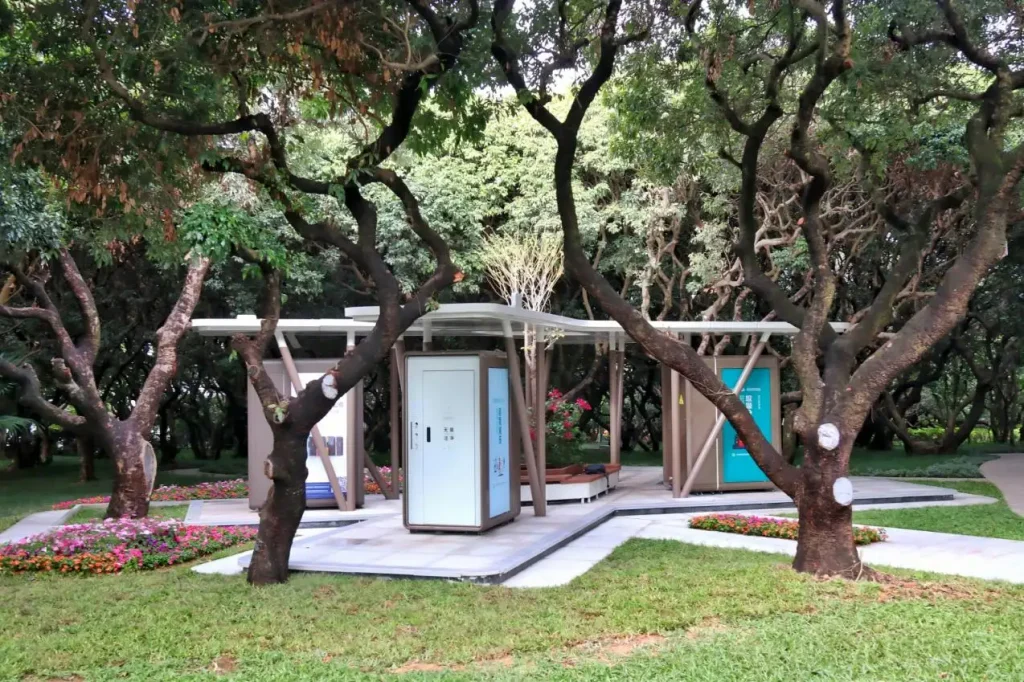
From SAUDIND Portable Toilets' manufacturing perspective, a Modular Toilet Building for Public Garden should be planned as practical public infrastructure rather than simply a prefabricated toilet cabin. Sanitation remains its primary function, while selected service modules can improve accessibility, maintenance efficiency, resource management, and visitor support.
Why Modular Construction Suits Public Gardens
Conventional restroom construction may require extended fencing, wet trades, material storage, and repeated vehicle access. A modular public garden toilet building is mostly manufactured and inspected in a factory prior to delivery.
Potential advantages include:
•Less on-site work around lawns, mature planting, and pedestrian routes
•Repeatable inspection of the structure, waterproofing, wiring, and plumbing
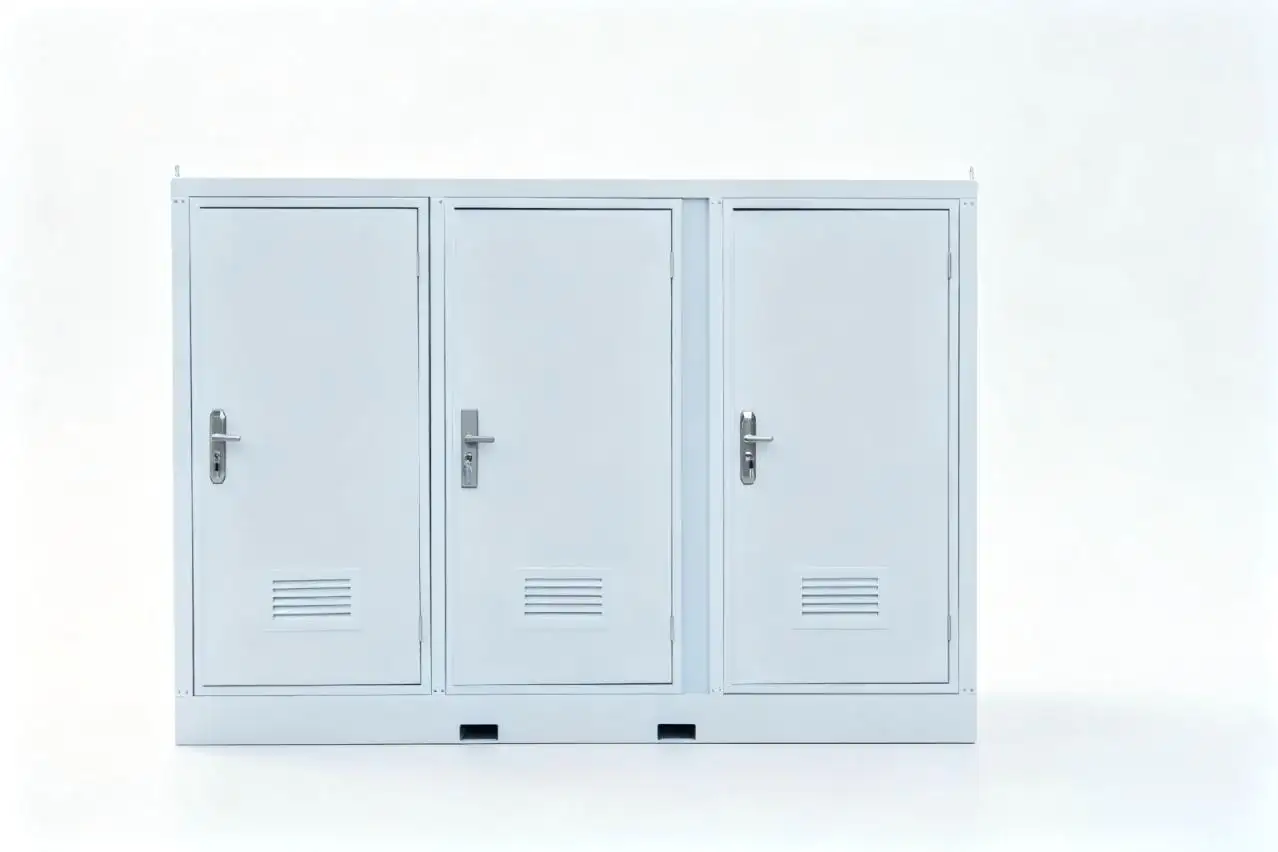
•Flexible single-unit, multi-compartment, family-care, and accessible layouts
•Easier future expansion, refurbishment, or relocation
•Reduced disruption to normal garden operation
Modular construction does not guarantee a fixed installation period. Ground conditions, utility connections, permits, crane access, and commissioning still affect the schedule. However, a construction-industry survey published by NIST found that 76% of respondents associated prefabrication and modularisation with reduced site waste.
Among respondents reporting schedule improvements, 35% achieved reductions of four weeks or more. These figures describe wider construction experience and should not be treated as a promise for every garden project.
Design Priorities That Create User Value
A successful Modular Toilet Building for Public Garden begins with the visitor journey. SAUDIND Portable Toilets evaluates expected footfall, queuing space, cleaning access, utility availability, climate, and the needs of children, caregivers, older visitors, and people with reduced mobility.
| Design Priority | Practical Response | User Value |
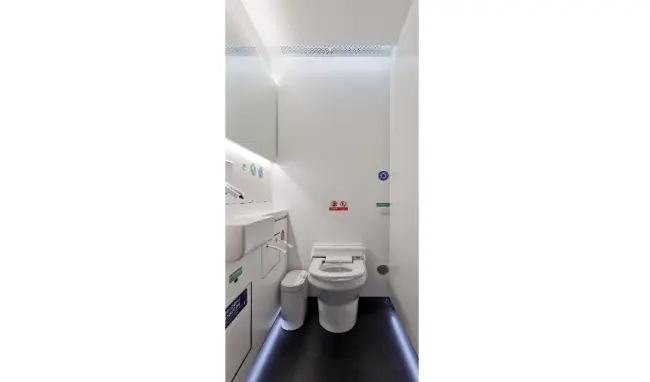
| Accessibility | Step-free entrance, suitable turning space, support rails, reachable controls, visual and audible alarms | More independent and dignified use |
| Hygiene | Touchless taps, soap dispensers, flushing controls, easy-clean joints and floor drainage | Fewer contact points and simpler cleaning |
| Comfort | Ventilation, interior lighting, privacy protection and occupancy indicators | A more comfortable and secure environment |
| Durability | Impact-resistant hardware, graffiti-resistant finishes and protected service zones | Less downtime and fewer visible defects |
| Maintenance | Rear service access, replaceable components and consumable-level sensors | Faster servicing with less visitor disruption |
Responsible Use of Antimicrobial Materials
Antimicrobial surfaces may be incorporated into selected components, but they should not be described as "COVID-19-proof" or as a replacement for cleaning.
Any claim such as "99.99% antimicrobial" should identify:
•The microorganism tested
•The recognised test method
•Contact time and laboratory conditions
•The tested material or coating
•Applicable certification or registration
For example, US EPA guidance distinguishes between treated materials that protect the product itself and registered antimicrobial products permitted to make public-health claims.
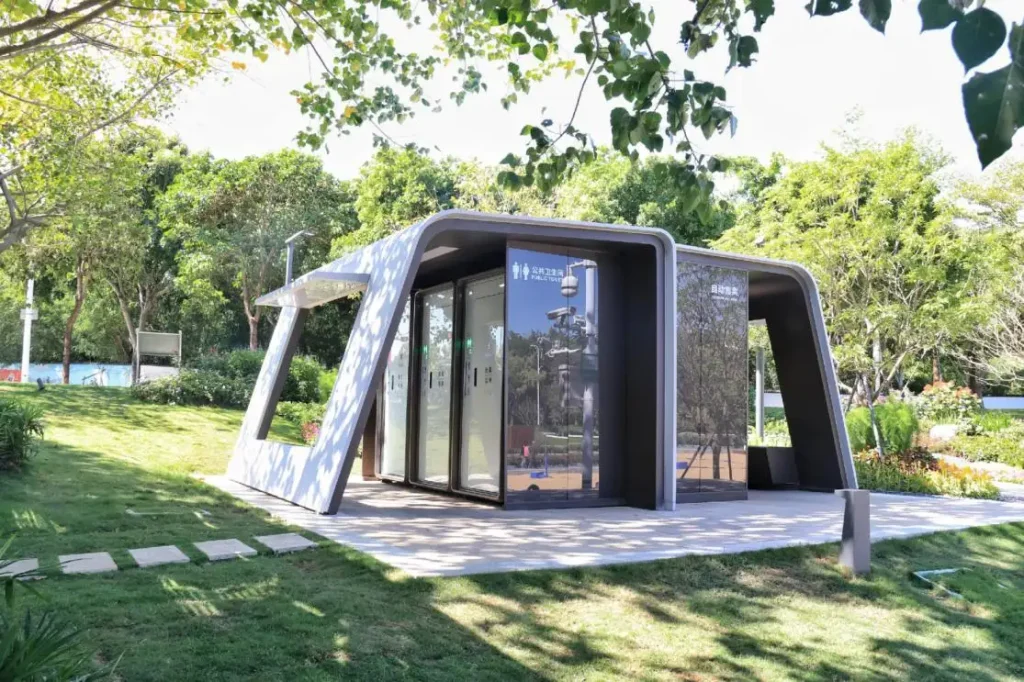
Smart Management Without Unnecessary Complexity
Smart functions should solve identifiable operational problems. Depending on project requirements, a Modular Toilet Building for Public Garden can include:
•Occupancy and queue-status monitoring
•Soap, paper, clean-water, and waste-tank level alerts
•Leakage and abnormal water-flow warnings
•Temperature, humidity, odour, and ventilation controls
•Scheduled or presence-based lighting
•Remote fault notifications and maintenance records
Usage data helps operators identify peak periods, adjust cleaning frequency, and detect recurring equipment problems. It is generally more useful when combined with routine inspection rather than used as a replacement for on-site maintenance.
Lighting controls are particularly relevant in garden facilities with irregular use. The US Department of Energy reports that earlier estimates for energy savings from basic lighting controls ranged from 24% to 38%. Actual performance still depends on operating hours, daylight, sensor positioning, system settings, and commissioning quality.
Water and Energy Efficiency
A Modular Toilet Building for Public Garden can reduce utility demand through suitable fixtures, monitoring, and control logic.
As an international reference point, US EPA WaterSense-labelled commercial flushometer-valve toilets use no more than 1.28 gallons per flush, approximately 20% less than the US federal standard of 1.6 gallons. For public lavatories, US federal guidance recommends maximum faucet flow rates of 0.5 gallons per minute or 0.25 gallons per cycle for metered faucets. Local plumbing codes, water pressure, drainage conditions, and user demand must determine the final specification.
Other available measures include:
•Dual-flush or controlled-volume toilet systems
•Timed or sensor-operated taps
•LED lighting with occupancy control
•Solar-grid hybrid power for suitable locations
•Insulated roof and wall assemblies
•Greywater or rainwater systems where regulations permit
•Leak detection and automated shut-off controls
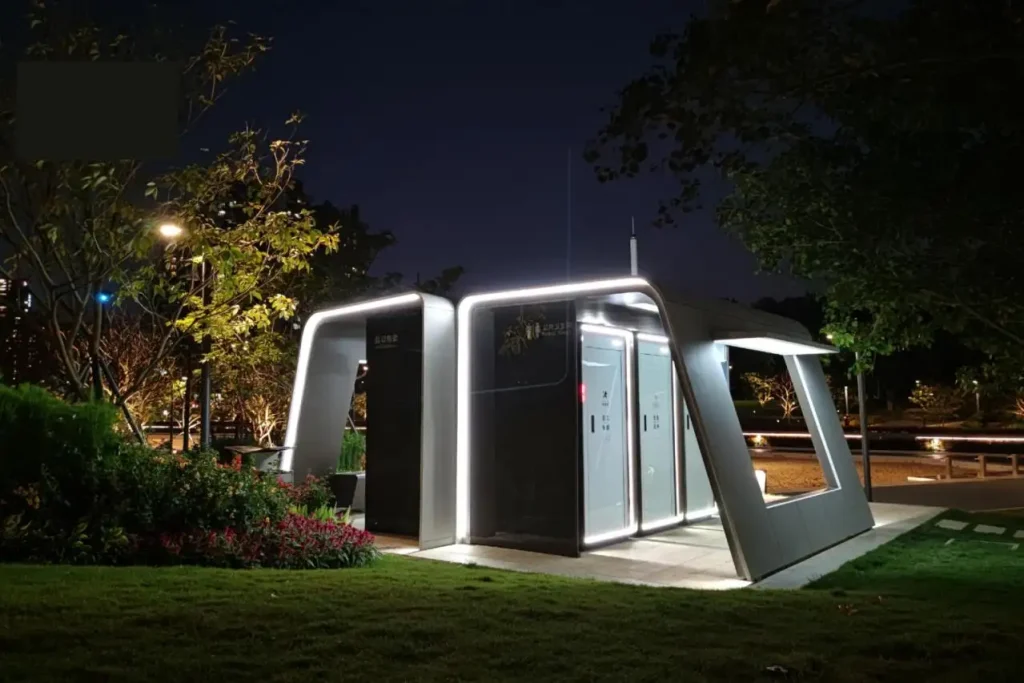
From Public Restroom to Community Service Point
Additional services should be selected according to actual visitor demand rather than added for novelty. A Modular Toilet Building for Public Garden may incorporate:
•Baby-changing or family-care facilities
•A drinking-water refill point
•First-aid storage or an emergency call device
•Park maps, public notices, and digital wayfinding
•Secure storage for cleaning equipment
•Shared charging or umbrella facilities
•A compact park-staff or security room
The toilet area, drinking-water equipment, electrical systems, cleaning storage, and staff functions should remain properly separated to protect hygiene and simplify maintenance.
Customisation for Site and Regional Requirements
SAUDIND Portable Toilets can adjust module dimensions, internal layout, façade materials, colours, power supply, climate protection, signage, and cultural privacy features.
For projects in the Middle East and other regions with specific environmental or cultural requirements, design development may need to consider:
•High-temperature and dust-resistant components
•Additional thermal insulation
•Water-storage or low-water configurations
•Male and female circulation arrangements
•Family-care and ablution requirements
•Local building, fire, plumbing, and accessibility regulations
Planning for Long-Term Operation
The value of a Modular Toilet Building for Public Garden depends not only on its initial appearance, but also on how easily it can be cleaned, inspected, repaired, and upgraded.
SAUDIND Portable Toilets therefore recommends developing the structure, fixtures, smart controls, spare-parts strategy, and maintenance access as one coordinated system. Careful feature selection and defined performance criteria help a modular public restroom provide reliable sanitation while supporting accessibility, resource efficiency, and useful community services.
FAQs
Q1. What are the smart monitoring capabilities?
Systems can be set to monitor occupancy, consumable levels, air quality, water flow, and equipment fault detection.
Q2. Will the building have accessible facilities?
Accessible features can be included when the layout, dimensions, fixtures, and applicable local requirements support them.
Q3. What is the standard duration for installation?
It varies depending on the preparation of the site and utility connections, the time it takes to acquire the necessary permits, and the size of the modular building.
Q4. Is the modular toilet building design movable?
Some modular designs can be dismantled and relocated, while expansion depends on the unit configuration, structural provisions, and site conditions
Q5. Are touchless systems available?
Yes, touchless systems can be included for faucets, toilet flushers, soap dispensers, and hand dryers.
Written by
admin