



Updated 3 months ago
Multifunctional Modular Public Toilet for Wharf Station
admin
admin
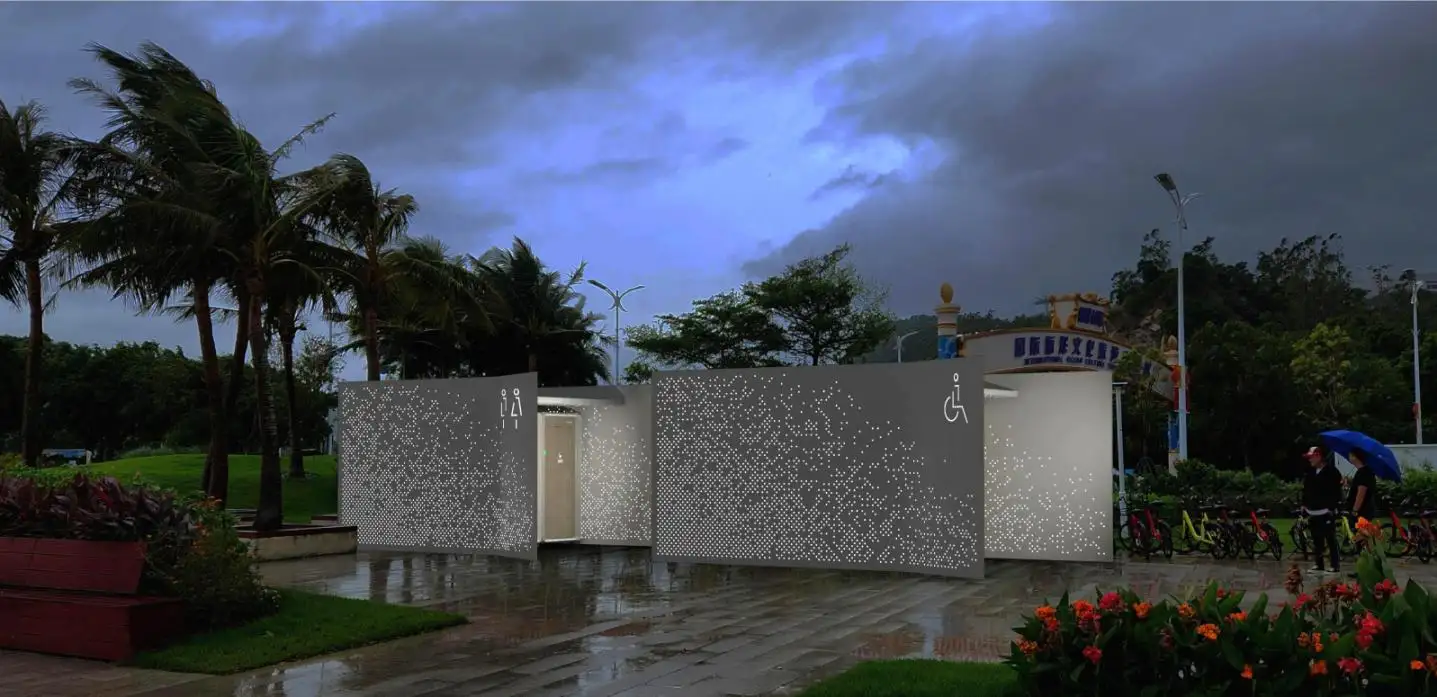
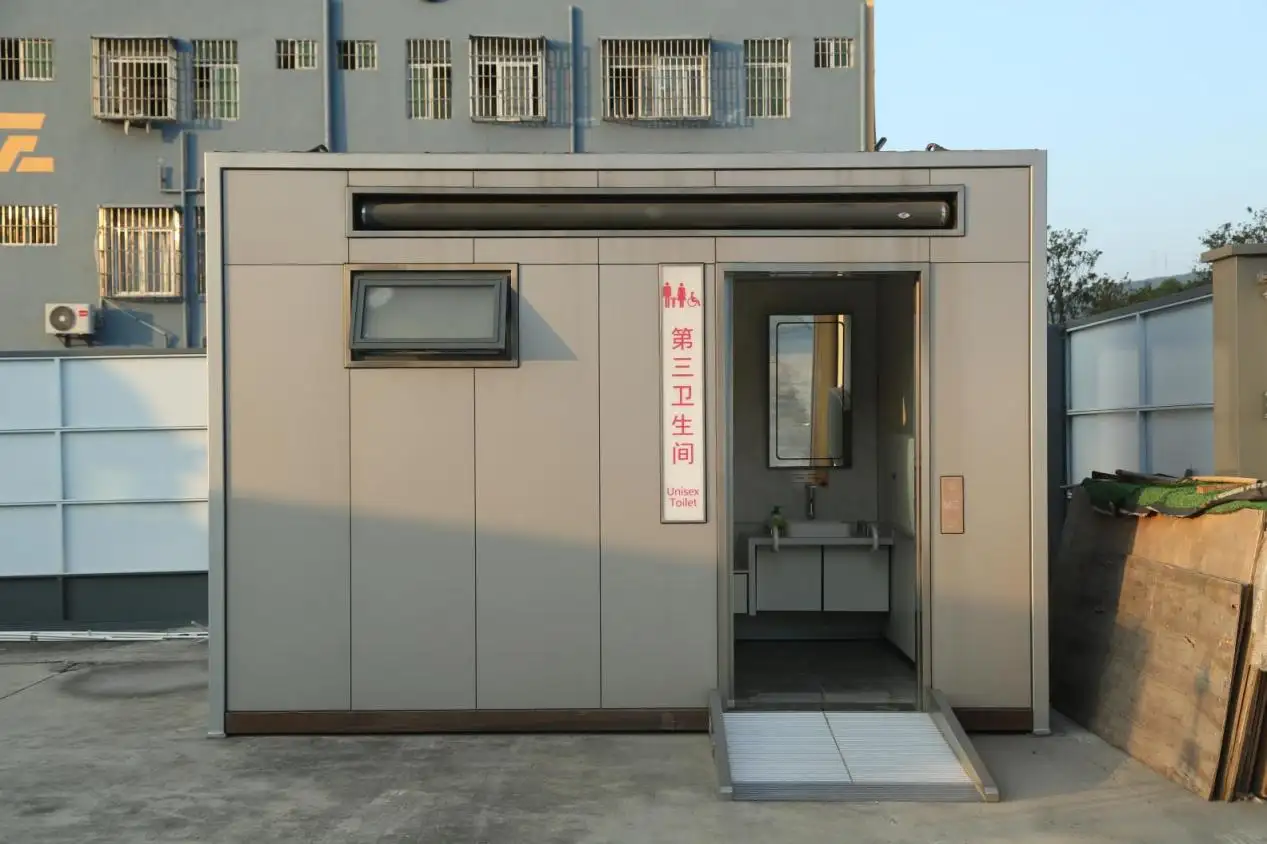
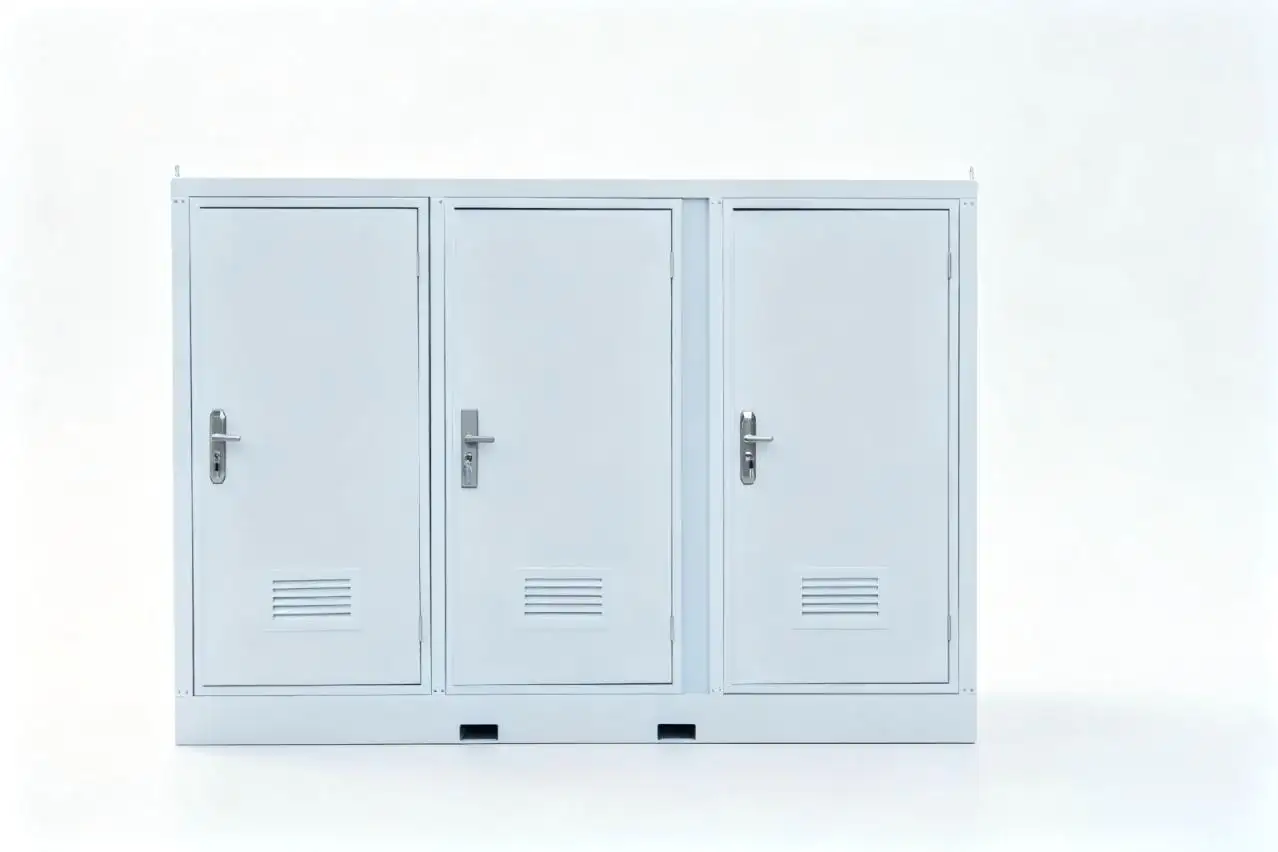
Modular Public Toilet for Wharf Station
Wharf stations increasingly connect ferry services with waterfront promenades, cycling routes, tourism areas, and commercial districts. Public facilities at these sites must therefore support more than basic sanitation.
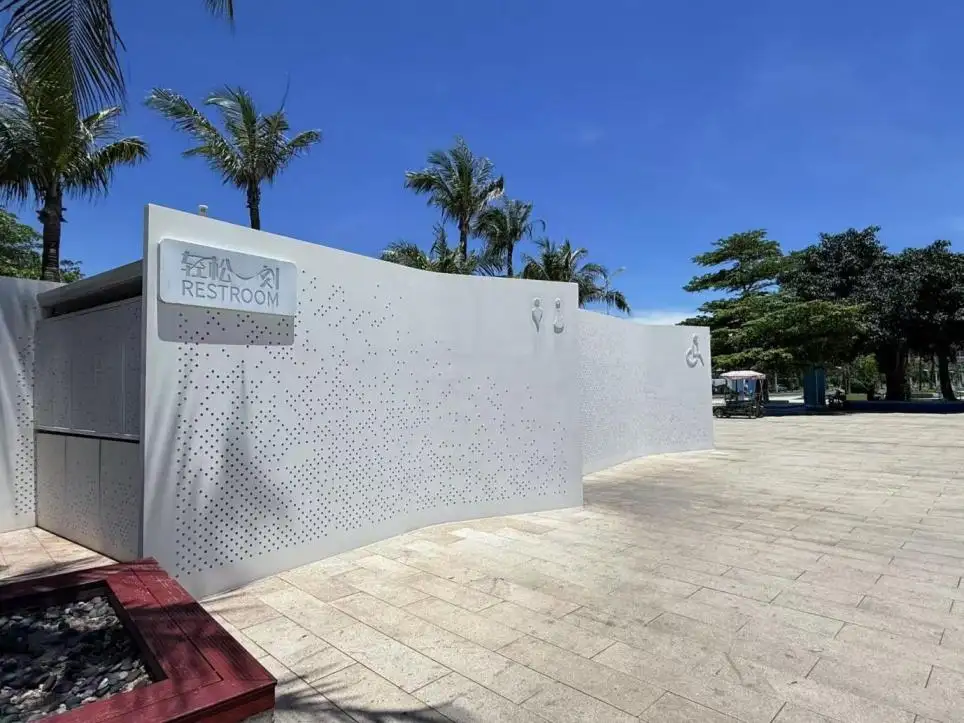
From SAUDIND Portable Toilets' manufacturing perspective, a Modular Public Toilet for Wharf Station can combine hygiene, family care, information, storage, and short-term waiting within a controlled footprint. The aim is not to add every possible feature, but to select useful services without compromising accessibility, cleaning, safety, or maintenance
From Restroom to Compact Service Point
The toilet remains the core function. When adding modules, one should consider the expected number of passengers, anticipated wait time, available amenities, and the currently available utilities.
A Modular Public Toilet design for Wharf Station may include:
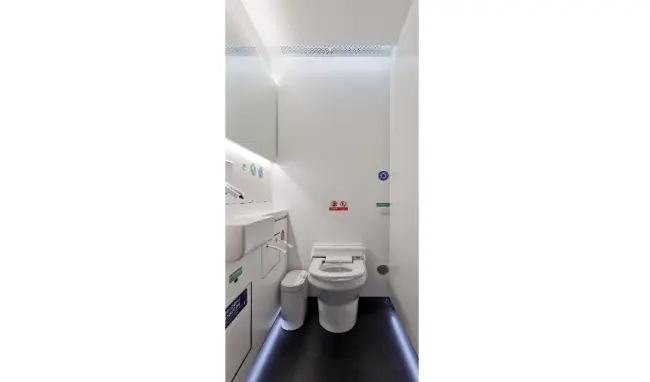
•Accessible compartments: A barrier-free unit with circulation space, support rails, emergency call devices, and occupancy indicators.
•Family-care room: A unit with a changing table, wash basin and waste bin with seating space for the caregiver.
•Private showers: Units for selected launching locations for boating, beach, cycling, or fishing.
•Secure lockers: A unit for temporary storage of luggage, helmets, and small personal items.
•Charging and information: A unit with secure charging stations, ferry schedules, wayfinding, weather notices, and city notices.
•Emergency support: A first-aid cabinet and, where included in the local emergency plan, space for an AED.
Sheltered seating: A waiting area separated from toilet exhaust and cleaning routes.
This arrangement allows the facility to serve as a small public-service hub rather than an oversized commercial kiosk.
Design for Wharf-Side Conditions
Salt-laden air, humidity, wind-driven rain, standing water, and frequent washdown can accelerate deterioration. Corrosion resistance therefore depends on the whole assembly: frame, fasteners, coatings, joints, drainage details, ventilation openings, and access for inspection.
ISO 12944 provides guidance for selecting protective paint systems for different corrosive environments, while Part 9 covers offshore and related structures exposed to marine atmospheres. Not all wharves should be placed in the highest category. Exposure should be assessed by location, splash risk, distance to seawater, and the anticipated level of maintenance.
| Wharf Condition | Design Response | User Value |
| Salt and humidity | Resistant metals, sealed joints, and protective coatings | Lower risk of corrosion |
| Restricted space | Combined sanitation and service modules | More functions in the same footprint |
| Variable demand | Compartment layout with expandable capacity | Capacity can be tailored to actual demand |
| Rain and wash down | Controlled drainage and slip resistant flooring | Safer access and cleaning |
| Limited service access | External technical cabinets | Reduced service disruption |
Modular Planning and Installation
Fabrication done off-site reduces the amount of construction that must be done on-site. The planning and fabrication are modular, and the installation time is influenced by site-specific factors such as the foundation, lifting access, utility services, inspections, and permits.
SAUDIND Portable Toilets therefore treats delivery and commissioning time as project-specific rather than promising universal one- or two-day installation.
A practical strategy is to install a sanitation core and reserve connection points for later additions. Lockers, a family-care room, information displays, or a waiting canopy can then be added when passenger demand and available budgets justify them.
Relocation may also be possible, although lifting conditions, structural checks, transportation access, and utility reconnection must be evaluated beforehand.
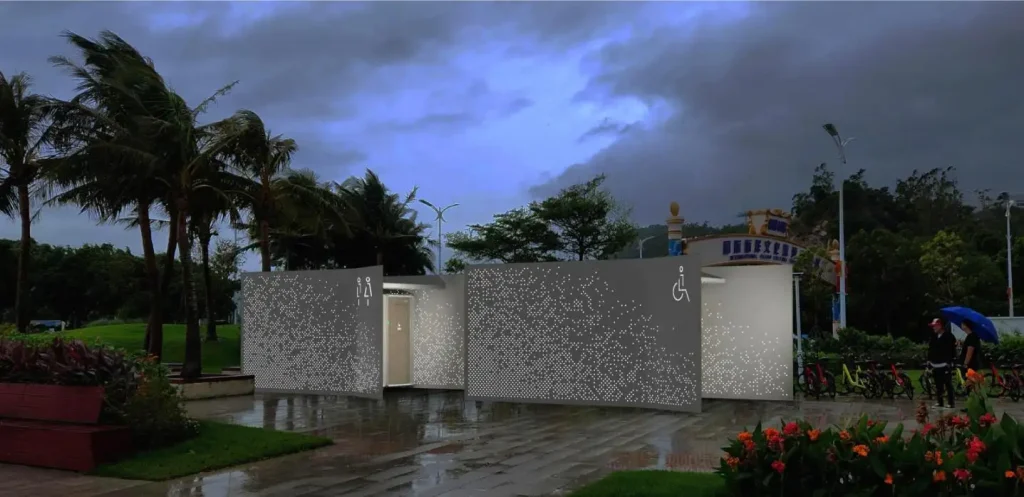
Smart Management Based on Useful Data
A Modular Public Toilet for Wharf Station should use sensors to improve maintenance decisions rather than merely to appear "smart."
| Management Function | Operational Use |
| Occupancy monitoring | Shows compartment availability and identifies peak periods |
| Consumable alerts | Signals low soap, tissue, or sanitizer levels |
| Flow and leak monitoring | Identifies unusual water use or possible faults |
| Temperature and humidity sensing | Supports ventilation and condensation control |
| Odor-related sensing | Highlights trends requiring inspection |
| Equipment fault alerts | Speeds up maintenance responses |
| Usage reports | Improves cleaning, staffing, and capacity planning |
Odor or ammonia sensors can indicate changing environmental conditions, but they do not replace cleaning inspections, waste-system servicing, or properly designed ventilation.
Remote dashboards should support—not replace—routine on-site maintenance.
Water Efficiency and Off-Grid Options
Water-saving toilets, sensor taps, controlled flushing, and leak detection can reduce resource consumption. As one reference, EPA WaterSense-labelled commercial flushometer toilets use no more than 1.28 gallons per flush, although fixture standards and certification systems differ between markets.
Appropriately treated onsite non-potable water may also be reused for toilet flushing where local plumbing and public-health regulations permit. EPA guidance recognizes toilet flushing as a possible application, but treatment, storage, monitoring, and approval requirements remain jurisdiction-specific.
For wharves without reliable utility connections, solar panels, batteries, clean-water tanks, and waste-storage systems can be configured. An off-grid Modular Public Toilet for Wharf Station must be sized for the following factors:
•Expected daily energy consumption and peak demand
•Local solar conditions and duration of backup
•Water storage and waste tank servicing frequency
Solar energy alone is not an off-grid silver bullet. Storage, demand management, backup, and servicing must all be considered.
Integration and Local Compliance
Materials can be selected to fit an aesthetic appropriate to either a historic pier, an up-to-date marina or a modern promenade. However, a design should not obstruct the ventilation, safety signage and lighting, drainage, maintenance, servicing, and access.
Screens and vending services should be secondary to unobstructed wayfinding and pedestrian access.
SAUDIND Portable Toilets can prepare drawings, utility and equipment schedules, material and equipment lists, and maintenance plans from the project review. Final approval remains subject to local requirements covering:
•Accessibility and barrier-free circulation
•Plumbing and wastewater discharge
•Electrical and fire safety
•Structural and wind loading
•Emergency access
•Environmental protection
Practical Value for Waterfront Users
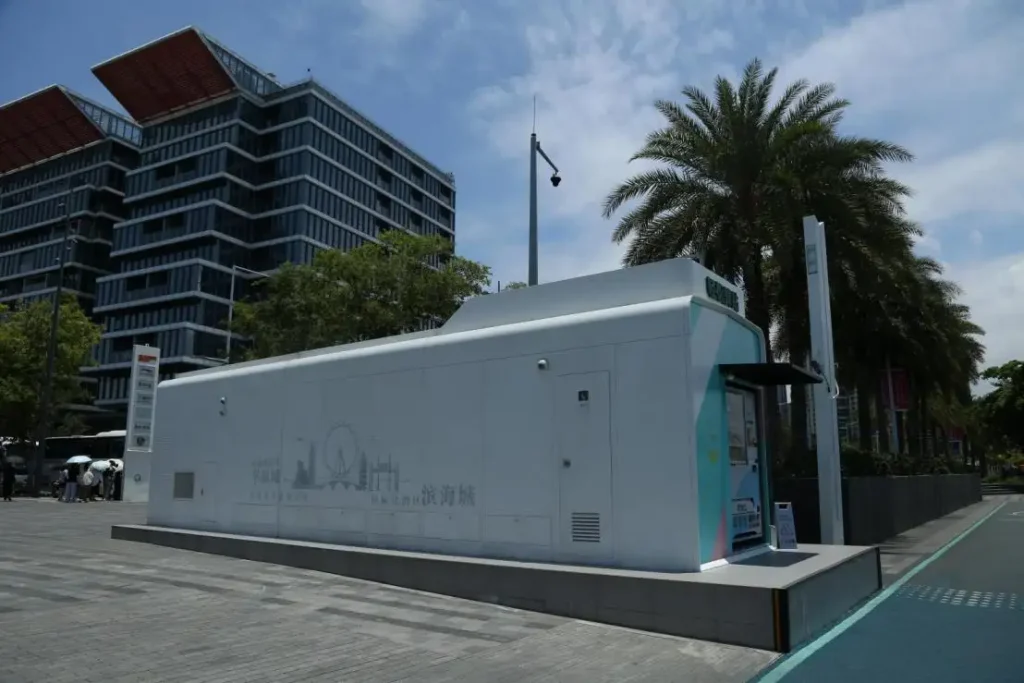
A well-planned Modular Public Toilet for Wharf Station can combine sanitation with family care, storage, charging, information, emergency support, and sheltered waiting.
Its value comes from reliable daily operation, clear separation between different functions, maintainable equipment, and the ability to expand as waterfront activity changes.
SAUDIND Portable Toilets treats the facility as compact public infrastructure rather than a technology showcase, supporting cleaner, safer, and more convenient waterfront travel.
FAQs
Q1. What are the facility monitoring capabilities?
The facility can use monitoring sensors to track occupancy, water and consumable levels, humidity, and equipment fault signals.
Q2. Are additional public amenities possible?
Yes. The facility construction can support lockers, charging stations, family spaces, shower facilities, and waiting areas.
Q3. Is it appropriate for coastal zone construction?
Yes, with the use of appropriate protective coatings and materials that resist corrosion.
Q4. What is the approximate time for construction?
The time for construction highly depends on the time needed for the local authority to grant permission, access to the site, and the works needed for foundations and services.
Q5. Is it possible for the toilet to function in an off-grid system?
Yes. The facility can be configured for off-grid operation using solar power, batteries, clean-water tanks, and waste-storage systems, subject to the site's energy, water, servicing, and approval requirements.
Written by
admin