


Updated 1 month ago
Chemical Portable Toilet Trends 2026: Greener Chemicals and Smarter Waste Management
admin
admin
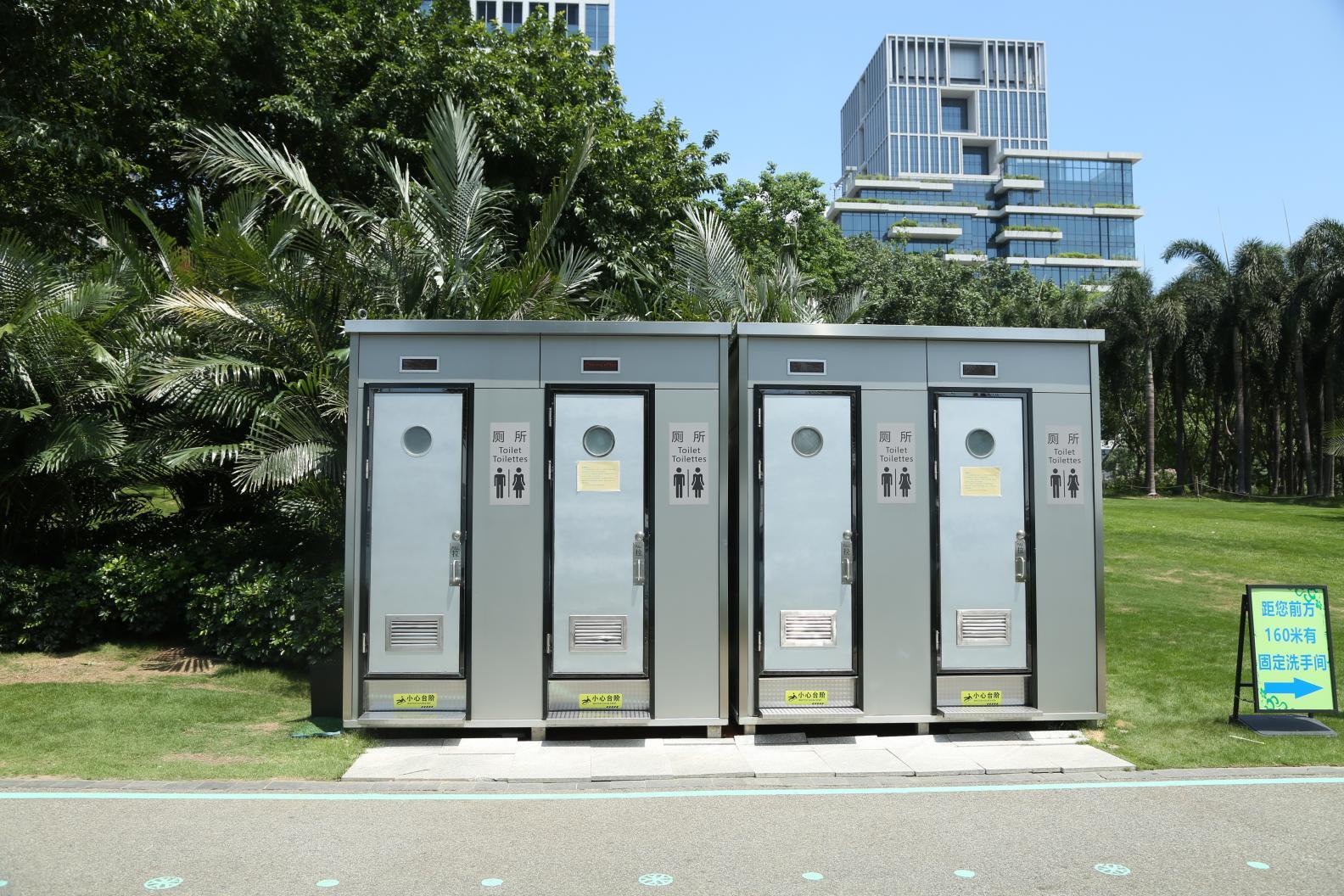
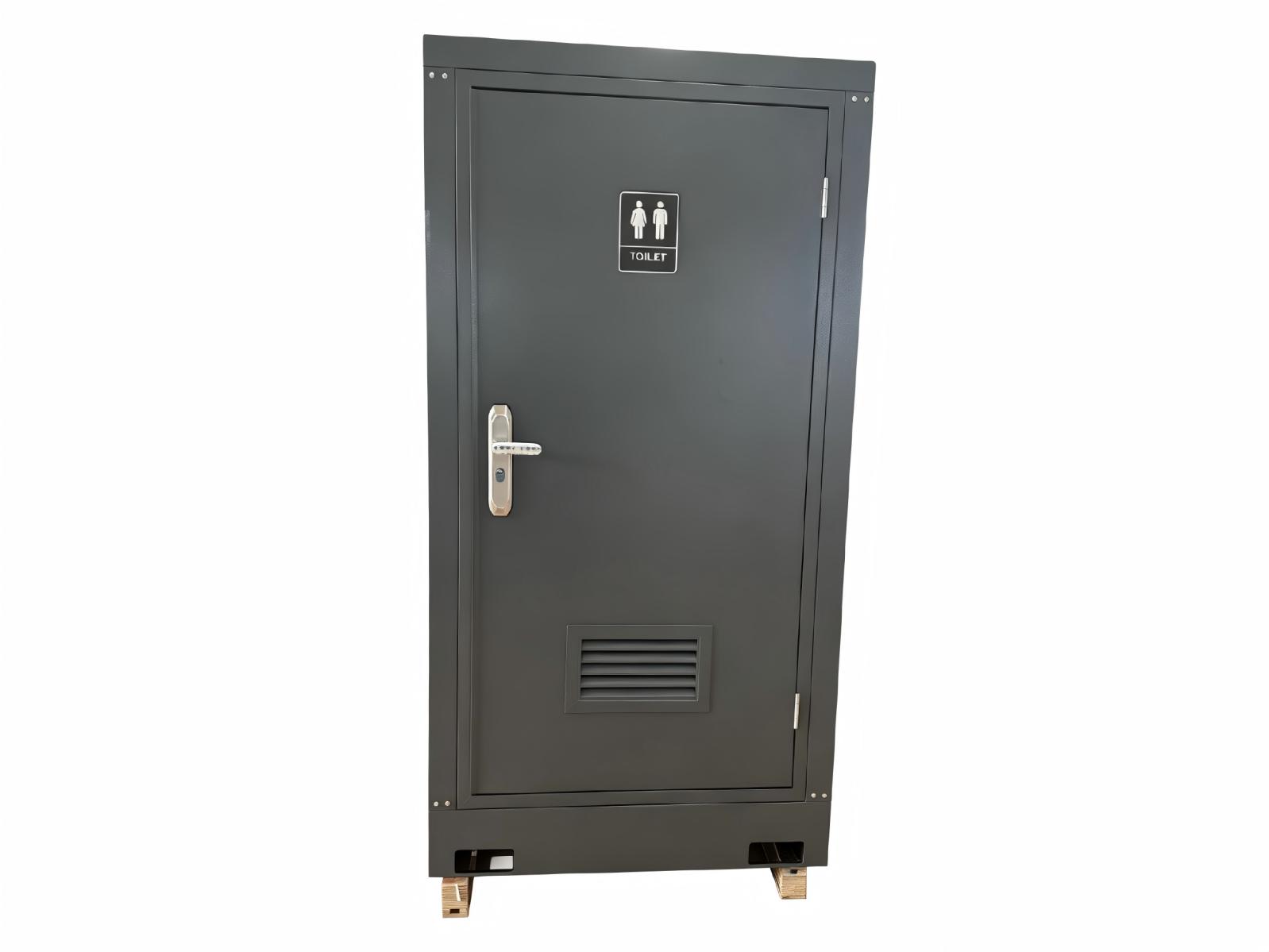
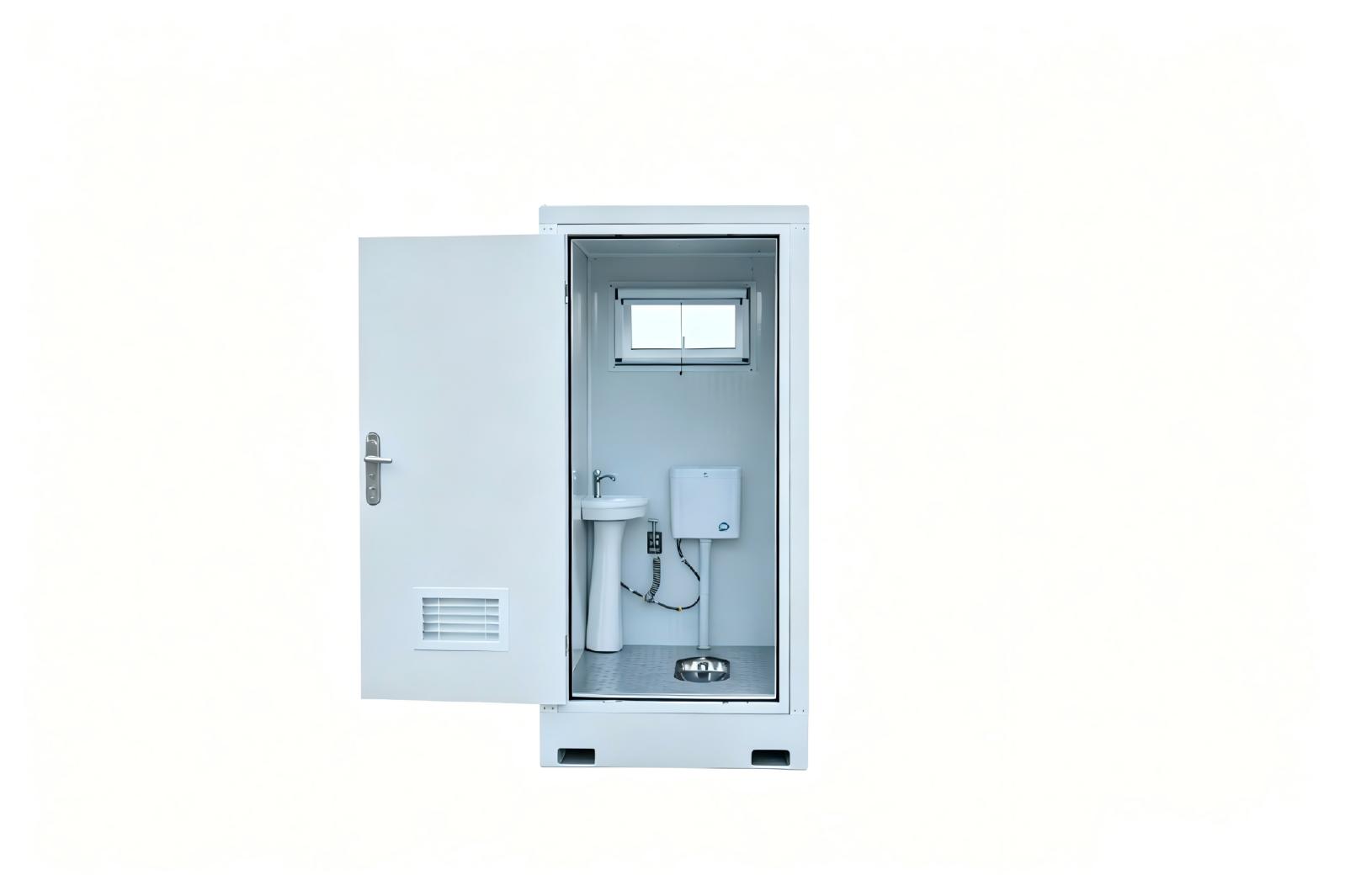
Chemical Portable Toilet
A Chemical Portable Toilet installed at a Saudi construction site may smell unpleasant long before its holding tank reaches capacity. Heat affects waste decomposition and gas release; heavy traffic increases liquid loading; delayed pump-outs compound both problems. Replacing the blue additive with a "green" product is not automatically a solution.
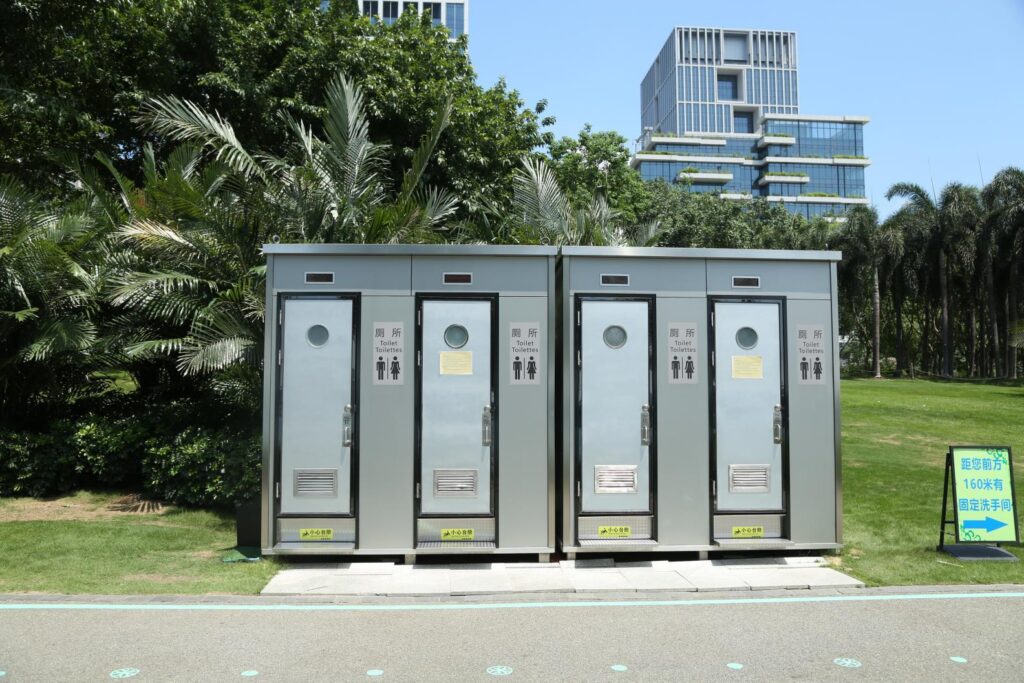
At SAUDIND, we assess treatment, usable capacity, and servicing together.
Why 2026 Treatment Choices Need More Than a "Formaldehyde-Free" Label
A Chemical Portable Toilet holds waste until collection. Traditional tank additives may inhibit microbial activity, mask odors with fragrances, or both. Enzyme formulations act on particular organic compounds; microbial products depend on viable cultures. Neither should be presented as a disinfectant without efficacy evidence.
A 2026 review of portable-sanitation chemistry notes the potential of bio-based alternatives but also operational constraints. Treatment selection needs to balance odor control in the tank with compatibility with the receiving wastewater plant's processes.
| Treatment | Mechanism | Main Verification Question |
| Aldehyde-based additive | Suppresses microbial activity | What are the exposure and disposal restrictions? |
| Other biocide | Uses different antimicrobial agents | Is the formulation biodegradable or ecotoxic? |
| Enzyme treatment | Breaks down selected organics | Does it work at the actual pH and temperature? |
| Microbial treatment | Relies on biological metabolism | Will cultures remain active during storage? |
How Saudi Heat Changes the Test Conditions
Tank temperatures above ambient can impact additive stability, volatilize components, and increase microbial activity. To gain data at elevated temperatures, request tests at conditions that more accurately reflect the situation. As an example, comparative odor analyses, for H₂S and NH₃ in the headspace, should use the same conditions (e.g. contact time, dose, loading, etc.). Stabilization of waste should not be assessed by fragrance.
"Formaldehyde-free" is not synonymous with non-toxic; "biodegradable" does not authorize direct discharge.
Choosing the Waste System Before Choosing Its Chemicals
Not every portable restroom is a Chemical Portable Toilet.
| Site Arrangement | Principal Constraint | When to Consider It |
| Non-flushing chemical tank | Additive management and pump-out | Short events without water supply |
| Recirculating chemical flush | Recirculated liquid quality | Low-water sites requiring a flush |
| Low-flush self-contained unit | Water refill and holding-tank capacity | Longer deployments with servicing access |
| Sewer-connected modular toilet | Continuous water and drainage | Developed camps and public facilities |
Low-flush configurations reduce added flushing water relative to higher-volume flushing, but do not remove the need to collect waste if disconnected from sewers. Passive vents depend on airflow; mechanical exhaust needs power. Both address cabin air, not the chemistry of stored waste.
Size the Holding Tank Against Usage, Not Its Catalog Volume
For a Chemical Portable Toilet, nominal capacity is not usable capacity. Deduct the initial additive/water charge and required freeboard.
Daily inflow = Daily uses × (Waste liquid/use + Flush liquid/use) + Other connected inflows
Consider a hypothetical 110 L tank with 20 L initial charge and 25 L reserved headspace. Only 65 L remains for incoming liquid. At 40 uses/day and an assumed 0.8 L/use, daily loading is 32 L; the capacity-based limit is about two days. These are illustrative figures, not SAUDIND specifications or recommended servicing intervals.
Actual visits may need to be sooner because of cleaning requirements, maximum-use limits, odor, and pump-out availability. A larger tank does not eliminate routine hygiene servicing.
When Smart Monitoring Pays for Itself
For a Chemical Portable Toilet, a level alarm becomes useful only when it leaves sufficient volume for the collection truck to arrive. Choose the threshold from expected inflow during the service response window, plus a contingency allowance.
Foam or deposits can interfere with ultrasonic sensors, and pressure-based devices need correct positioning and chemical compatibility. Consider power autonomy, network coverage, locally stored alarms and manual inspection in case of connectivity failures for off-grid projects.
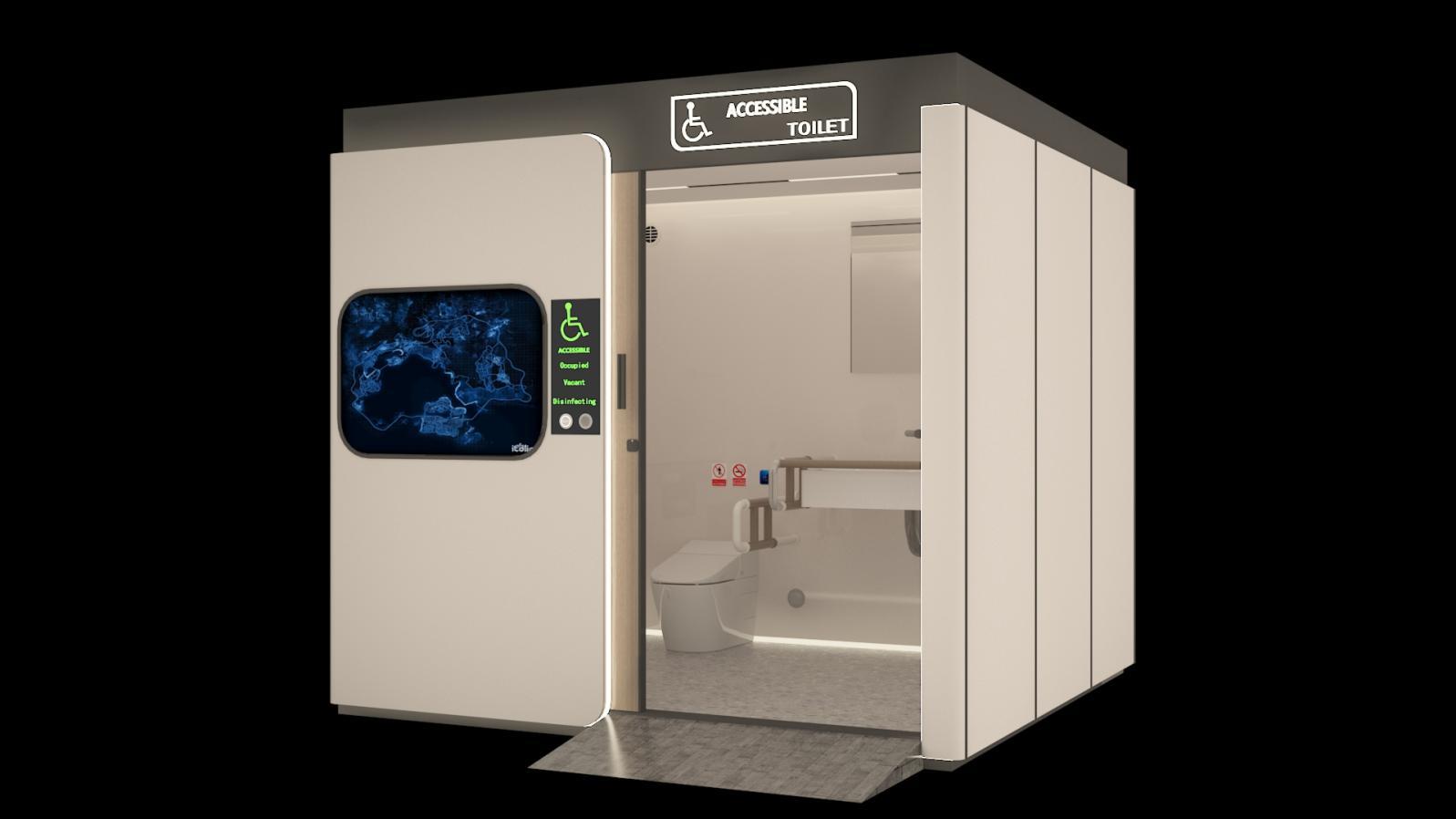
Balance avoided pump-outs against hardware, calibration, connectivity, and repair costs. Occupancy monitoring is not the same as tank-level monitoring; check functions model by model.
Installation and Servicing: Control the Failure Points
Before installing a Chemical Portable Toilet, verify stable ground, safe restraint against tipping, ventilation discharge direction, service-truck approach, and hose reach.
The operating procedure should be based on:
• Tank integrity: Joints, valve seals, hoses, and tank materials, e.g. HDPE or PP, should be checked for compatibility with the additive.
• Cabin hygiene: Surfaces in contact with additive must be cleaned between pump-outs. Handwashing supplies should be replenished.
• Waste management: Level records should be kept for additive and waste, as well as dates of collection and name of the facility.
• Full-tank and collection-delay response: Provide procedures for reports of a full tank and delayed pick-ups.
What Evidence Should a Buyer Request?
For chemicals, obtain a current Safety Data Sheet, dosing directions, temperature-performance evidence, and biodegradability or ecotoxicity results. OECD Test Guideline 301 screens ready biodegradability of substances; it does not certify that a mixed toilet-tank effluent is safe to discharge.
EN 16194:2023 addresses provision and servicing of mobile non-sewer-connected toilet cabins within its scope. Do not assume that compliance with it is mandatory for a Saudi project. For Saudi projects, verify the applicable MWAN waste transport obligations and obtain the receiving facility's acceptance requirements. A sensor's IEC 60529 ingress-protection rating does not establish measuring accuracy.
Specifying a Chemical Portable Toilet with SAUDIND
At SAUDIND, our Riyadh-based manufacturing and project-specific modular restroom configurations allow buyers to discuss layouts, utility connections, delivery, and site installation together. Selected models offer smart functions, but these do not necessarily include Chemical Portable Toilet tank-level sensing.
Send us the site location, the expected peak users per shift, anticipated use duration, and water, drainage, and pump-out availability. Let us know what monitoring functions are required. Request a quotation based on usable tank volume, along with chemical and compatibility information, servicing details, technical drawings and life-cycle cost information.
It's worth considering SAUDIND's portable sanitation systems to ensure you've developed a solution best suited to the site, as opposed to purchasing on tank size or an environmental claim alone.
FAQs
Q1. What Is a Chemical Portable Toilet?
A Chemical Portable Toilet stores wastewater in a holding tank and uses chemical additives to manage odors or microbial activity before collection. SAUDIND offers portable and modular restroom solutions; chemical holding-tank configurations should be confirmed for each model.
Q2. Does SAUDIND Supply Portable Toilets for Construction Sites in Saudi Arabia?
Yes. SAUDIND manufactures portable restroom units for construction sites, worker camps, and temporary projects in Saudi Arabia. Standard and project-specific configurations are available.
Q3. Can SAUDIND Customize a Chemical Portable Toilet for Different Site Conditions?
SAUDIND supports customized restroom layouts and utility arrangements. Buyers should confirm holding-tank requirements, water supply, drainage connections, and chemical-treatment compatibility before production.
Q4. Does SAUDIND Offer Environmentally Friendly Chemical Toilet Treatments?
SAUDIND provides portable sanitation products and operating consumables. Availability of specific biodegradable or formaldehyde-free treatments must be confirmed. Buyers should request chemical specifications and Safety Data Sheets.
Q5. How Often Should a Chemical Portable Toilet Holding Tank Be Emptied?
The interval depends on usable tank capacity, daily usage, flushing volume, and hygiene requirements. SAUDIND recommends confirming site usage and servicing arrangements during product selection.
Written by
admin