


Updated 4 weeks ago
Camping Portable Bathroom for Hot Climates: Ventilation, Insulation and Odor Control
admin
admin
Camping Portable Bathroom
A Camping Portable Bathroom can be clean at 8 a.m. and unpleasant by noon. Under direct sun, the roof gains heat; with poor makeup air, an exhaust fan moves little air; and a faulty waste connection can release odors into the cabin.
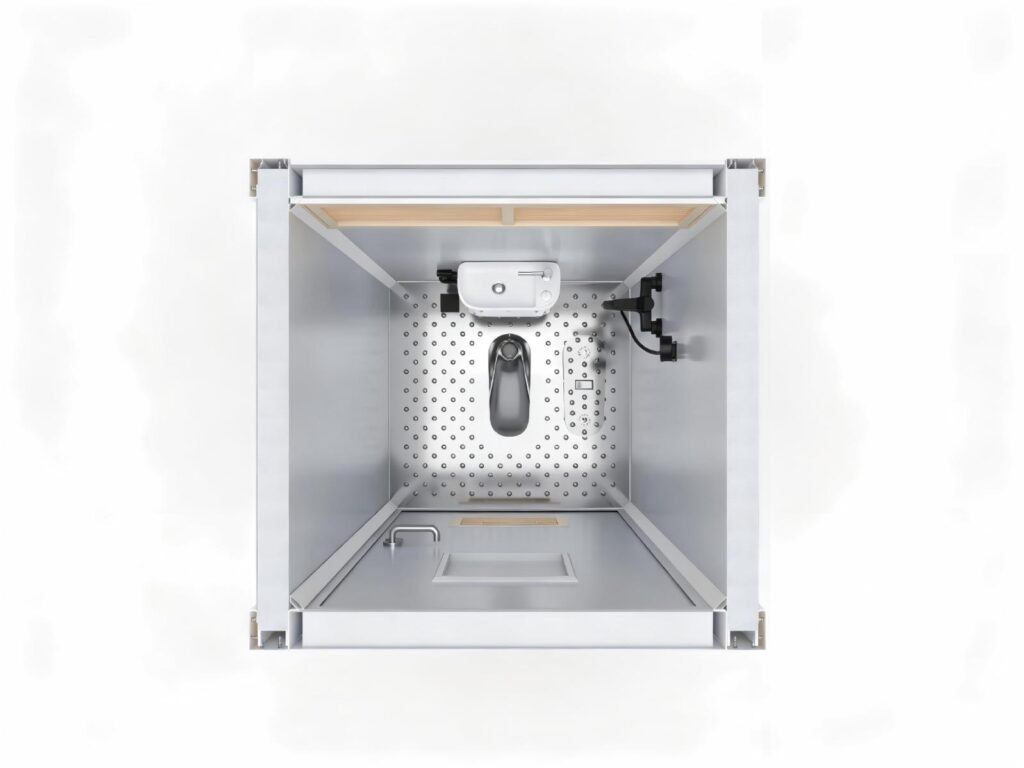
These faults require different remedies. At SAUDIND, we recommend specifying the enclosure, airflow path, and waste system together rather than buying a larger fan first.
Why Does a Camping Portable Bathroom Become Hot and Smelly?
Separate Solar Heat from Sanitation Faults
In exposed desert camps, radiation heats roof and wall surfaces. Metal framing and joints between panels can bypass insulation. Heat also depends on how many people are in the camp, air exchange, and outside air temperature.
When odors return after cleaning, the cause may be due to:
• Dry or failed trap seals in toilets and floor drains.
• Waste tank connections and vent terminations.
• Contamination in fixtures and drain points.
Ventilation can dilute odors, but a leaking waste connection or failed seal must be repaired to address the source.
How Should Insulation and Ventilation Work Together?
Roof Construction Matters More than Panel Thickness Alone
Compare joint details and roof shading. Complete-panel U-value (W/m²·K) is a good indicator of overall insulation performance. Lower thermal conductivity (W/m·K) is desirable for the core. Check framing and joints for thermal bridges that can bypass the insulation.
Light-colored roofing can reduce absorbed solar heat by reflecting more sunlight. External shading reduces the solar radiation reaching the roof.
Check Delivered Airflow, Not the Fan Label
Air should enter through a protected opening, pass through the occupied zone, and leave through an exhaust outlet. Positioning the inlet beside the fan can short-circuit that path. Louvers, dust screens, and ducts add pressure losses.
Air Changes per Hour (ACH):
ACH = Delivered airflow (m³/h) ÷ Cabin volume (m³)
For example, 50 m³/h through a 5 m³ cabin gives 10 ACH, provided that airflow is actually delivered. This is an illustrative calculation, not a universal sanitation requirement.
A fan exchanges air; it does not cool incoming 45°C air below ambient temperature.
What are the Best Options for Ventilation and Odor Control?
| Arrangement | Suitable Conditions | Engineering Limitation |
| Natural vents, windows | Reliable wind, no/low power | Unpredictable airflow; dust entry |
| Exhaust with make-up air | Frequent use, enclosed cabins | Static pressure, electricity, noise |
| Hybrid Ventilation | Variable wind, occupancy | More maintenance points |
| Separate tank vent, and reliable seals | Self-contained waste systems | Cannot replace room ventilation or pump-outs |
Why Tank Ventilation Deserves Special Attention
In a Camping Portable Bathroom, room exhaust and tank venting perform different functions.
A negative pressure condition may cause sewage gases to be pulled through an inadequate seal if replacement air is inadequate.
Other methods of odor control may include the use of compatible deodorizing products, but they may not replace the following:
• Waste connections with reliable seals.
• Tank vents that are unobstructed and properly routed.
• Regular removal of waste and cleaning.
Match the Camping Portable Bathroom to Site Utilities
Before selecting a Camping Portable Bathroom configuration, document daily visitors, peak-hour demand, flushing method, washbasin use, and shower requirements.
| Site Constraint | Design Priority | Supplier Verification |
| No sewer connection | Holding tank and service access | Usable capacity, vent design, pump-out route |
| No grid supply | Low-power or solar-assisted ventilation | Fan watts, battery runtime, backup power |
| Shower included | Drainage and moisture extraction | Waterproofing, electrical protection |
| Blowing sand | Protected air inlets | Pressure loss, cleaning access |
Calculate Waste Capacity Before Choosing a Tank
Tank autonomy is not simply tank volume divided by guest count.
Estimate daily liquid inflow from flushing, handwashing, cleaning, and showers. Allow for peak loads and operating reserves.
A theoretical fill date does not establish an acceptable hygiene servicing interval.
Can Solar Ventilation Operate Overnight?
Estimate energy consumption of fans with rated power and operating hours. Night time airflow from a solar power system alone is not guaranteed. Additional energy storage (i.e. battery) may be required.
Install the Camping Portable Bathroom for Easier Maintenance
You will need to install an adequate base for the unit that is level and stable and provides drainage. Also include service access.
Shade the roof where practical, avoiding obstruction of exhaust discharge. Maintain the required clearance from nearby walls and obstructions so that installation, access and ventilation are not compromised. Position vent outlets away from occupied spaces and air intakes, and verify the required separation under local rules.
A Sample Maintenance Schedule
• Daily: Inspect odor sources, standing water and supplies; and check tank level.
• After a dust storm: Inspect louvers and fan guards, and check airflow.
• Scheduled servicing: Inspect tank vents and drains; seals; hose fittings; and collection arrangements.
Re-check level and drain after a move. Also check electrical safety and seals.
Any entry into the waste tank must follow the applicable confined-space entry procedures.
How Can Buyers Verify Hot-Climate Performance?
Heat resistance is not the same as resistance to sun exposure. A camping portable bathroom described as "heat resistant" is not necessarily comfortable in direct sun.
Request information for the model to verify:
• Thermal performance: Insulation thickness, operating temperature limits, and construction of the walls.
• Ventilation: Airflow, fan static pressure and noise.
• Electrical safety: Protection ratings of the enclosure and components.
• Sanitation: Containment of waste, vents, and instructions for servicing.
EN 16194:2023 concerns only a particular type of mobile non-sewer connected toilet cabins and the servicing thereof. The standard does not consider alternative sanitation technologies.
Confirm compliance with local laws and regulations regarding wastewater, electricity and installation. Component test reports should not be accepted as whole unit certification.
What Should Buyers Confirm with SAUDIND?
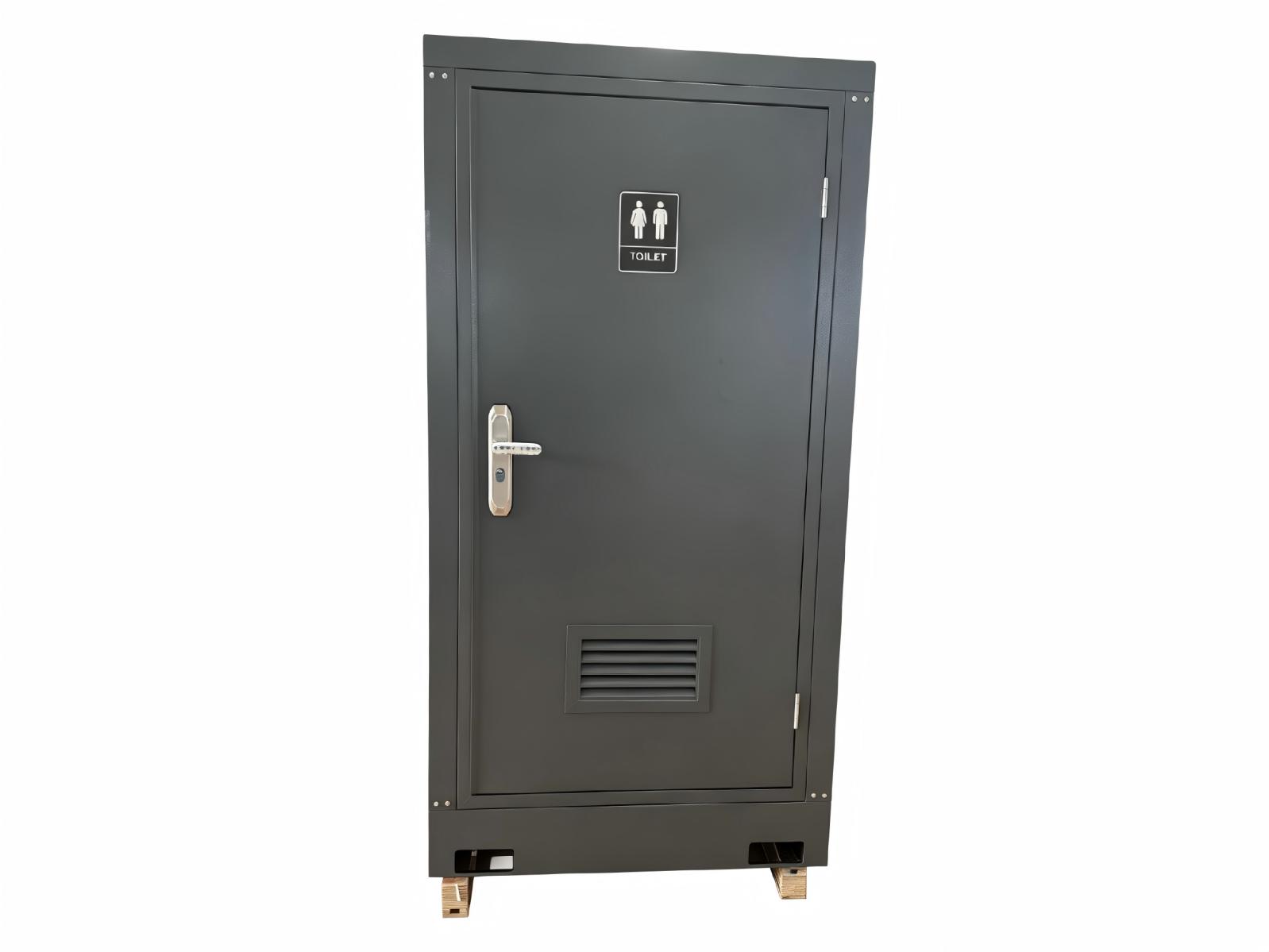
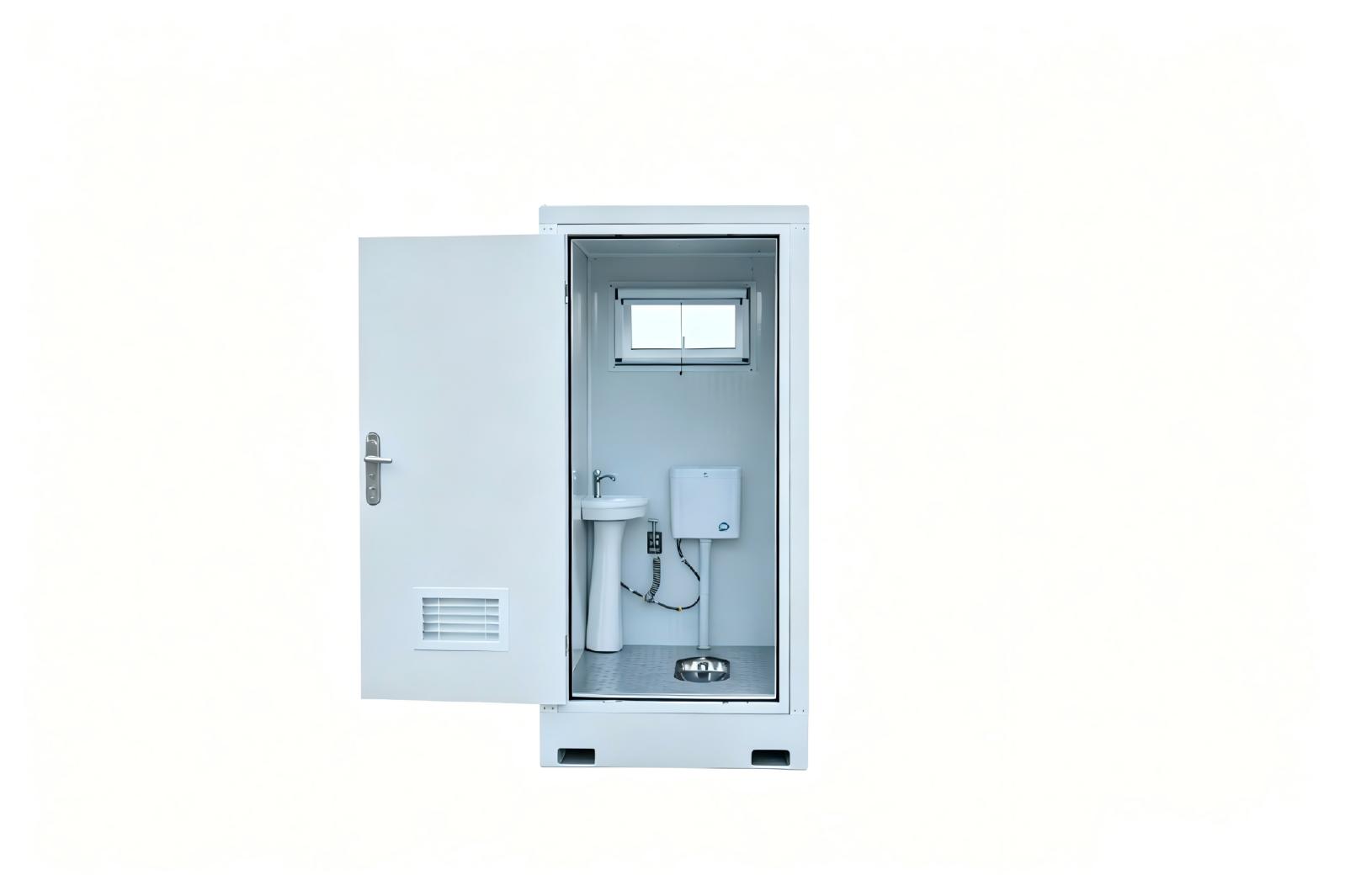
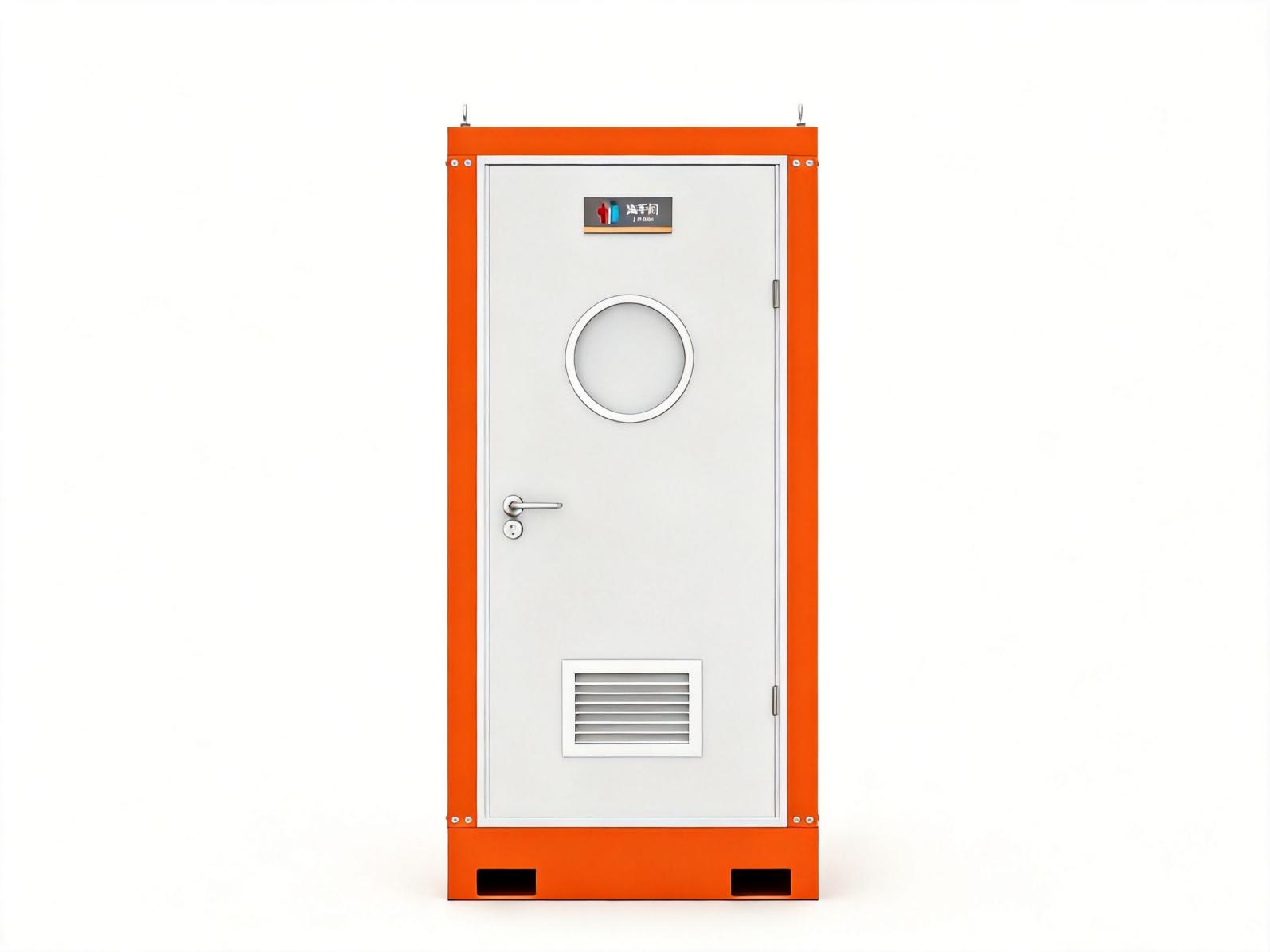
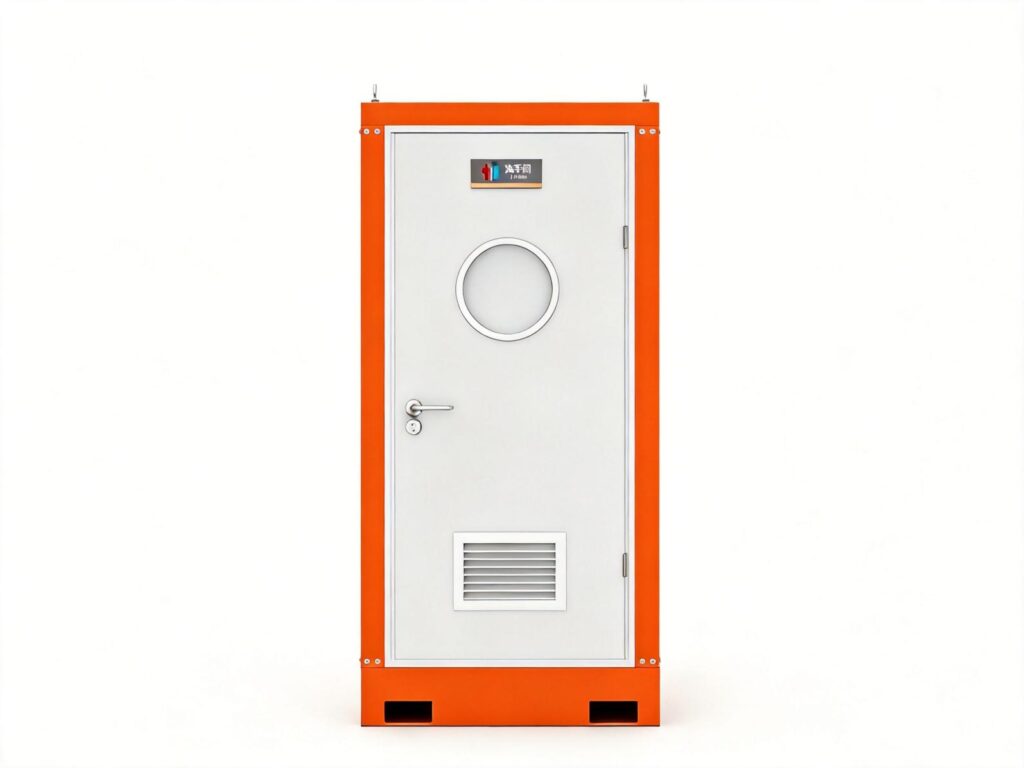
SAUDIND's TBOX KS-S1 configurations include foam-insulated color-coated steel walls, a louvered door, a top-hung window, and an anti-slip 304 stainless-steel floor. A related configuration integrates toilet and shower functions.
These characteristics provide a starting point for hot-climate assessment; they do not confirm indoor temperatures or airflow.
For a Camping Portable Bathroom quotation, please send:
• Location of the site including the climate (temperature, sun exposure, dust conditions)
• Anticipated users and peak demand
• Availability of water, sewage and electrical services
• Required number of units, site access and maintenance
• Technical drawings and acceptance criteria
• Existing test reports and evidence of compliance
At SAUDIND, we are able to confirm options for your chosen model and discuss the most suitable configurations of cabins.
FAQs
Q1. What Makes a Camping Portable Bathroom Suitable for Hot Climates?
A suitable unit combines insulated enclosure panels, planned ventilation, reliable waste sealing, and accessible cleaning points. SAUDIND can review available configurations against the project's climate and utility requirements.
Q2. Does SAUDIND Offer Camping Portable Bathrooms with Insulated Walls?
Yes. SAUDIND's TBOX KS-S1 models feature foam-insulated color-coated steel wall panels. Buyers should confirm the panel thickness, insulation properties, and roof construction for their selected configuration.
Q3. How Does a SAUDIND Portable Bathroom Provide Ventilation?
Selected TBOX KS-S1 units include a louvered door and top-hung window for passive airflow. Powered exhaust specifications should be confirmed separately for the chosen model.
Q4. Can SAUDIND Supply Portable Bathrooms with Shower Facilities?
Yes. SAUDIND offers integrated toilet-and-shower configurations, including the TBOX KS-S1 shower model. Water supply, drainage, moisture extraction, and electrical connections require project-specific confirmation.
Q5. Does a Camping Portable Bathroom Need a Separate Waste Tank Vent?
Self-contained systems may require dedicated tank venting to manage gases and pressure. SAUDIND should confirm the waste arrangement, vent connections, and sealing details before installation.
Written by
admin