


Updated 4 weeks ago
Detachable Portable Toilet with Urinal: Benefits of Modular Design for Temporary Sites
admin
admin
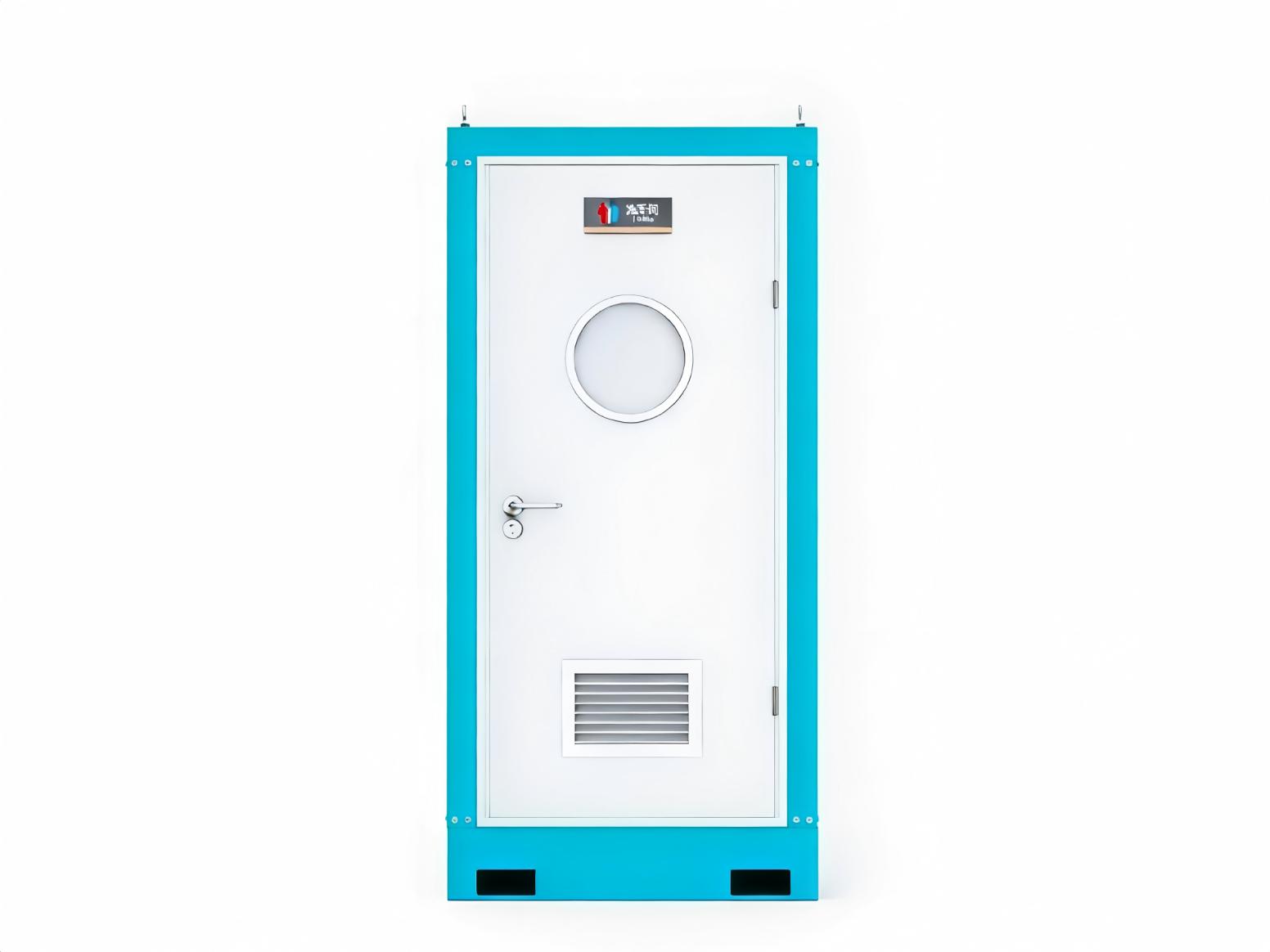
Portable Toilet with Urinal
A toilet cabin moved three times during a construction project faces different demands from one installed for eighteen months. Freight dimensions matter, but so do damaged panel edges, leaking pipe connections, and the time needed to recommission the unit. Adding a urinal brings another set of constraints: fixture clearance, mounting support, and wastewater flow.
Detachable Construction is cost effective for Portable Toilets with Urinals when savings from lower transport and service costs overcome the added assembly cost.
When is a Detachable Portable Toilet with Urinal worth Specifying?
Modular restrooms are a good option for situations such as phased construction, mine sites, and rented equipment. Before choosing a modular unit, managers should evaluate:
•Relocation Frequency: How many times will it be moved in its lifetime?
•Site Access: Will an assembled cabin be able to pass through site access and egress, and be safely lifted?
•Peak Demand: Would a urinal minimize the time users spend waiting to access a toilet?
•Utility Availability: Are water supply, wastewater disposal and electricity available at each site?
A urinal does not fulfill the need for all users to use a toilet. The specified quantity of fixtures must fulfill the needs of the workforce based on peak occupancy and sanitation requirements.
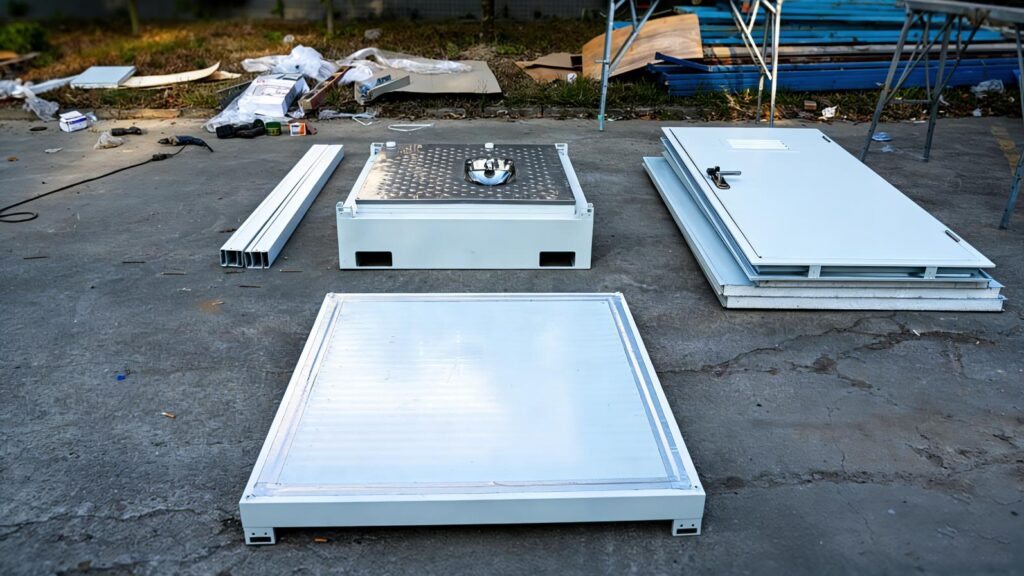
How Do modular Frames, Wall Panels and Urinal Connections Work?
Detachable Joints Must Maintain Structural Integrity
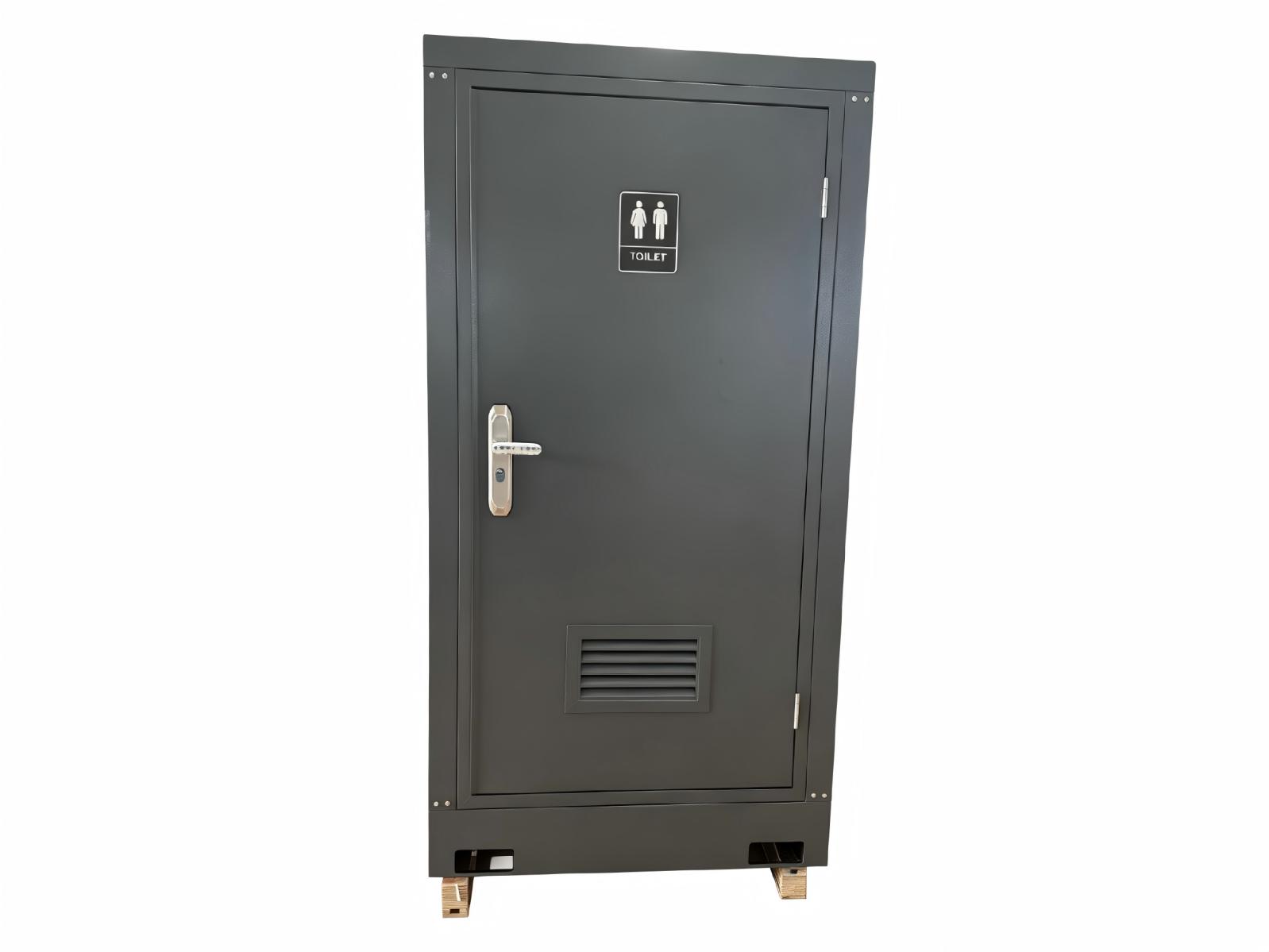
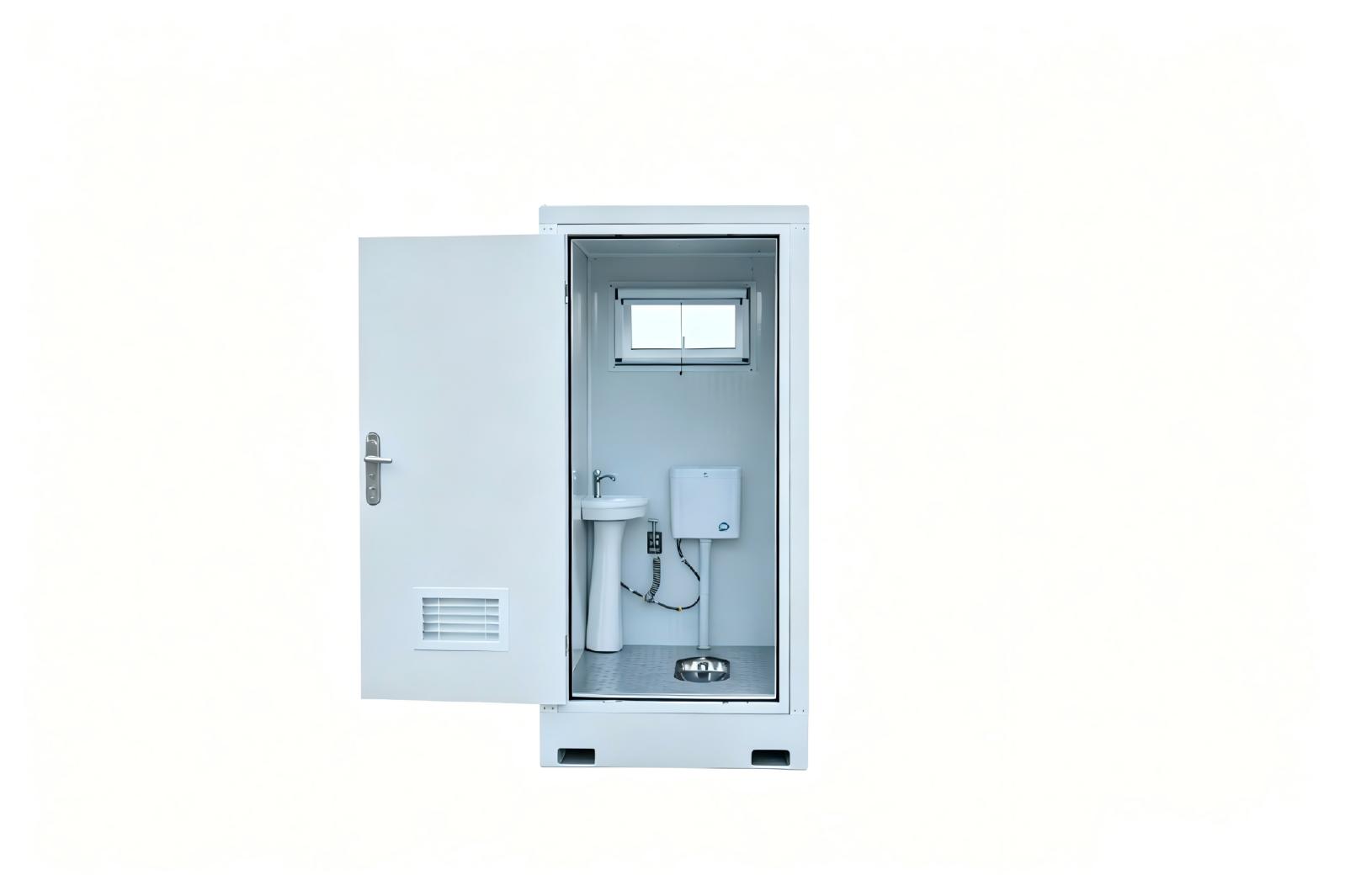
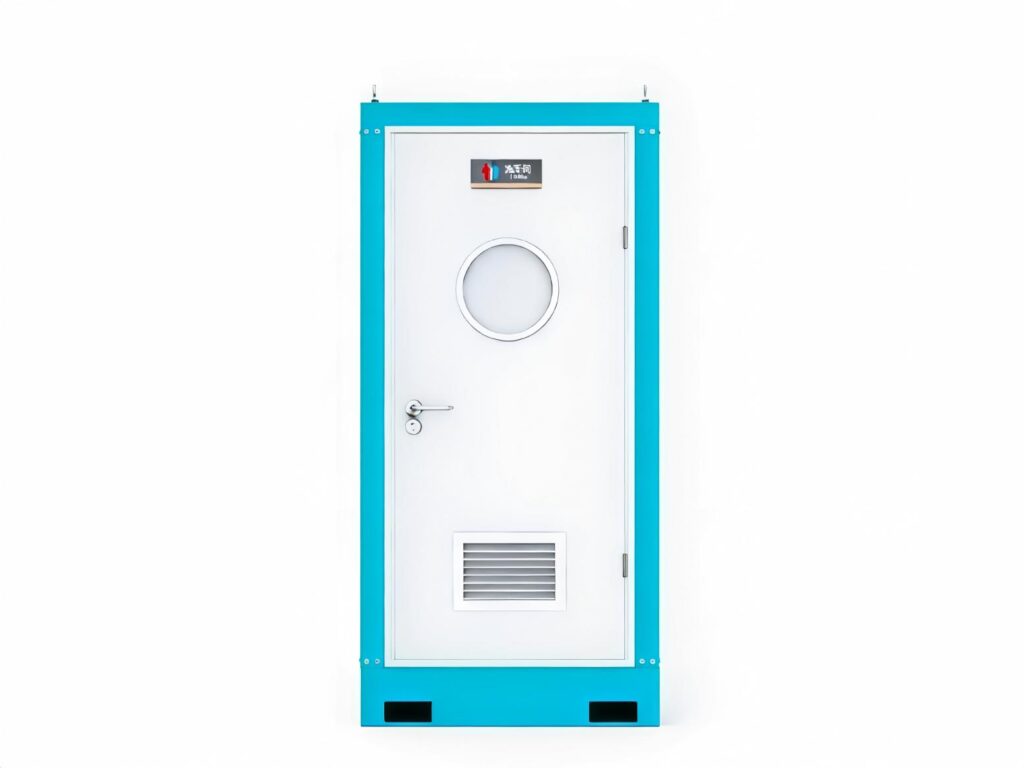
SAUDIND's TBOX KS-S1 illustrates this approach. Its configuration includes:
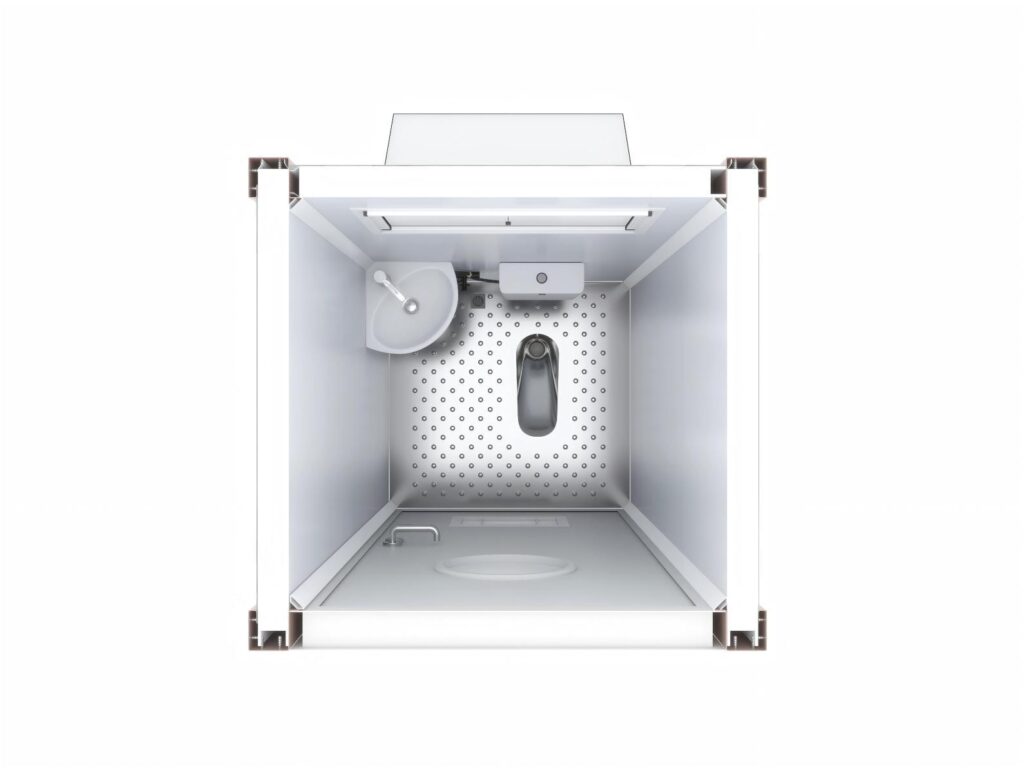
•Electrostatic spray-painted steel frame; color steel foam-board wall panels; 304 stainless steel floor and integrated squat pan; ceramic wash basin, louvered door, and top-hung window; ceiling-mounted lighting and stainless steel faucet.
•The frame transfers loads to the supporting base. Concerns for reliability after repeated use include connection rigidity, fastener retention, edge protection for panels, and joint sealing.
•A detachable frame still requires an anchor. The strength of the connection, wall thickness, and the permissible wind loads must be assessed by engineering documentation.
Adding a Urinal Requires More Than Wall Space
A standard KS-S1 specification does not list a urinal. Buyers wanting a Portable Toilet with Urinal must verify that a revised sanitary layout is available.
The design checks are as follows:
•Mounting: Can the wall support the fixture?
•Clearance: Will the urinal obstruct the use of the wash basin and door?
•Drainage: Can the urinal trap and waste pipe connect to the site's wastewater system?
•Disassembly: Will the panel be damaged if the plumbing connections are removed?
•Direct mounting of fasteners on lightweight panels can lead to concentrated loads and leakages.
Detachable vs. Fully Assembled: Which Design Makes More Sense?
| Configuration | Practical advantage | Engineering limitation |
| Detachable cabin | Smaller shipping envelope | Assembly labor and connection wear |
| Fully assembled cabin | Less enclosure assembly on site | Larger freight and lifting requirements |
| Integrated urinal | Sharing of enclosure and service connections | Limited interior space and privacy |
| Separate urinal station | Independent access and servicing | Additional space and piping of waste water |
For cabin relocations, evaluation of total costs should include the cumulative freight costs, installation labor, and replacement of seals, and storage costs.
For long-duration projects that require repeated relocation, fully assembled cabins may be the most sensible option.
Total ownership costs should include the costs of purchase and freight, and the costs associated with assembly, utilities, cleaning, repair, and removal, less any salvage value.
Can a Portable Toilet with Urinal Work with the Site's Plumbing and Environmental Conditions?
Flushing vs Waterless Urinal Systems
A urinal that flushes requires both pressurized water and a drain.
Waterless urinal models reduce flush water demand but still create wastewater. Some models require replacement of seals and cartridges and other components of the trap.
Service costs and reliability of drainage must be considered when evaluating water savings.
Sewer Connection vs. Waste Holding Tank
If a compliant sewer connection is available, you need to determine:
•Wastewater outlet elevation and the size of the drain pipe.
•Slope of the drain pipe.
•Are traps and vent pipes in place.
•Can the drainage system be accessed for blockages.
Absent a sewer, an approved sealed waste holding tank and an approved emptying service would be required.
Estimate the servicing interval using:
Emptying interval = Usable tank capacity ÷ Daily wastewater volume
Include squat-toilet flushing, urinal discharge, wash-basin use, and a reserve for demand fluctuations. Tank capacity should not be calculated from urinal consumption alone.
Foundation, Heat, and Corrosion Exposure
A light cabin requires stable ground support and appropriate anchoring. Uneven foundations may distort the doors and stress detachable connections.
For hot environments, foam-core wall panels do not eliminate solar heat gain or ventilation requirements. Coastal installations also require attention to exposed joints and protective coatings.
A 304 stainless steel floor does not make the entire steel-framed cabin corrosion-proof.
What Should Be Inspected During Assembly and Relocation?
Repeated transport is a true-to-life test of any Portable Toilet. The following is a sample of the checks we do during the evaluation of installation requirements at SAUDIND.
Before Use
•Check all points to see if they are secured and anchored.
•Check to see if joints between panels are tight, and check the operation of doors.
•Install sanitary fixtures and reinstate utility connections.
•Drain and flush all plumbing. Test and reinstate ventilation and light fixtures.
After Relocation
Inspect stripped fasteners, compressed seals, damaged panel edges, and stressed pipe couplings.
Urinal odors may indicate failed trap seals, inadequate flushing, crystalline deposits, or drainage ventilation problems—not simply insufficient cleaning.
Which Standards and Technical Documents Need Verification?
Temporary installations are not automatically exempt from local regulations.
For projects in Saudi Arabia, review applicable plumbing provisions in SBC 701, private sewage provisions in SBC 702, and structural-load provisions in SBC 301.
Refer to OSHA 29 CFR 1926.51, in combination with local plumbing and accessibility codes of the U.S. for construction in the U.S.
When reviewing Portable Toilets with Urinals, request:
•Drawings showing the packed shipping configuration and the installed layout.
•Description and justification of fire performance of wall panels.
•Coatings and related test reports.
•Connection diagrams for water and wastewater.
Do not accept a Portable Toilet with Urinal based on an assumed wind loading or accessibility classification. Do not accept an assumed assembly time.
What Should Buyers Verify with SAUDIND Before Ordering?
Provide expected users, number of users, relocation frequency, preferred type of urinal, and available utilities (water and electrical).
Separate specs for the published KS-S1 configuration and any proposed configuration containing a urinal should be provided for engineering assessment.
The TBOX KS-S1 Detachable Squat Mobile Toilet offers a modular and steel framed portable sanitation solution. Provide site plan and your technical requirements for an assessment of fixture configurations, installation and quotation.
FAQs
Q1. Does SAUDIND's Detachable Portable Toilet Include a Urinal?
The standard SAUDIND TBOX KS-S1 includes one 304 stainless steel squat toilet and a ceramic wash basin. A separate urinal is not listed as standard equipment. Buyers should confirm the feasibility of a urinal-equipped configuration before ordering.
Q2. Can SAUDIND Provide a Portable Toilet with Urinal for Construction Sites?
SAUDIND offers detachable sanitation units suitable for temporary construction applications. Buyers requiring an integrated urinal should submit their fixture layout, site dimensions, and plumbing requirements for configuration review.
Q3. What Makes SAUDIND's Modular Toilet Detachable?
The SAUDIND TBOX KS-S1 uses a steel-framed, panel-based enclosure designed for installation and relocation. Its published construction includes an electrostatic spray-painted steel frame, color steel foam-board walls, and a 304 stainless steel floor.
Q4. What Materials Are Used in SAUDIND's Detachable Toilet?
The KS-S1 features a 304 stainless steel floor and integrated squat pan, a painted steel frame, and color steel foam-board wall panels. Buyers should request material thicknesses, coating specifications, and relevant test documents for their project.
Q5. Can a Portable Toilet with Urinal Operate Without a Sewer Connection?
A Portable Toilet with Urinal may use a compatible sealed waste holding tank where permitted. SAUDIND's published KS-S1 specification does not confirm a built-in tank, so wastewater storage and discharge arrangements require verification.
Written by
admin