


Updated 5 months ago
How IoT Sensors Make A Prefabricated Smart Restroom Truly Intelligent
admin
admin

Prefabricated Smart Restroom
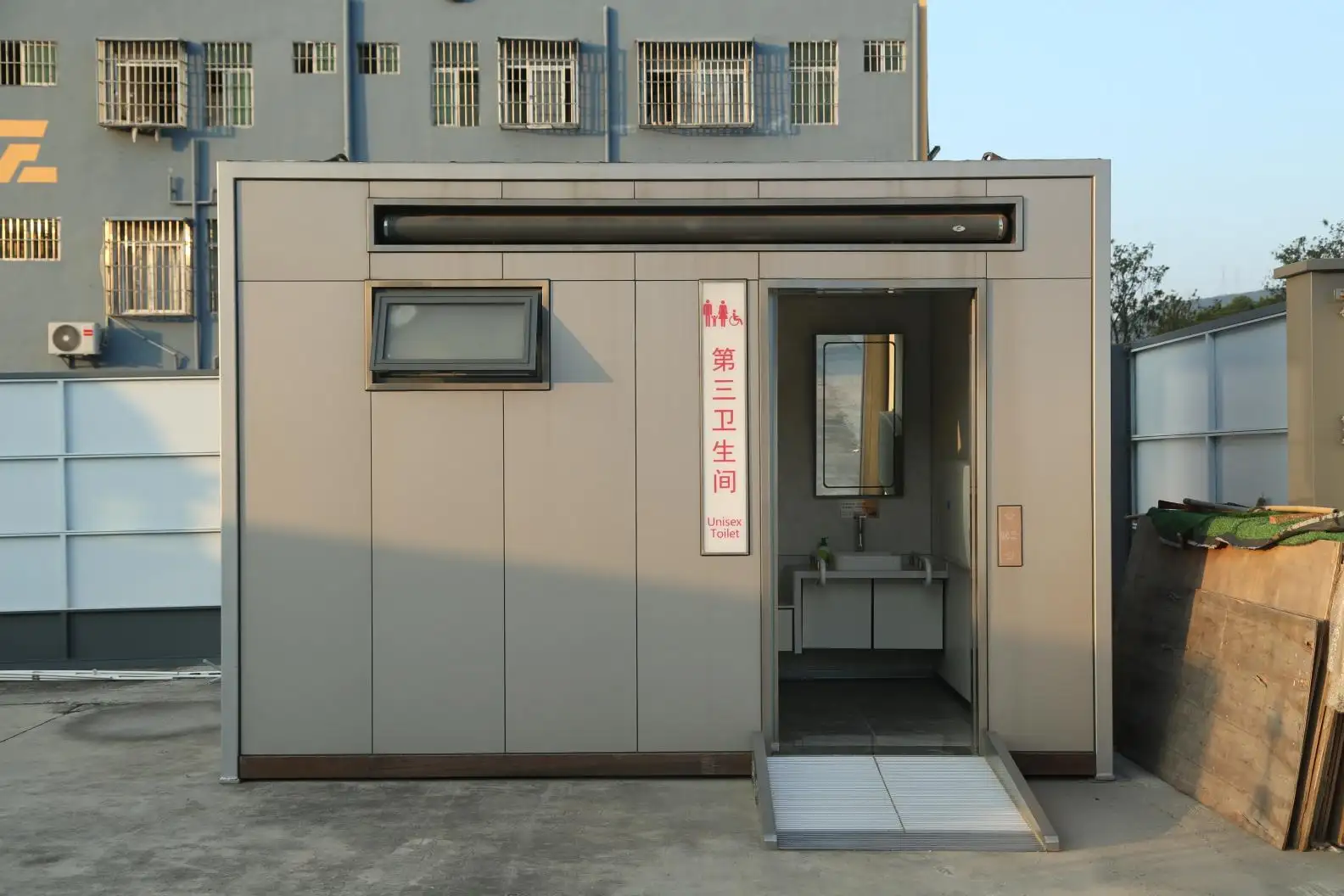
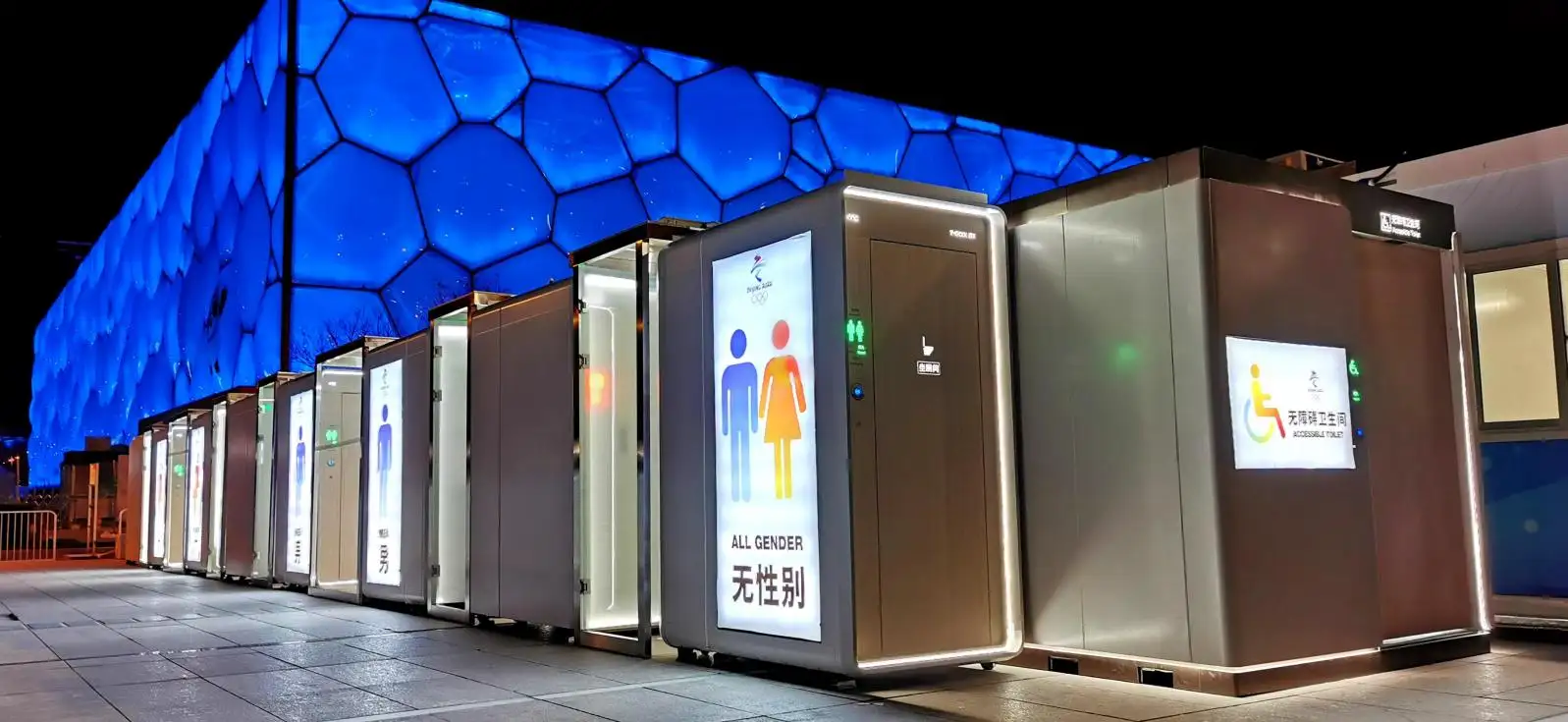
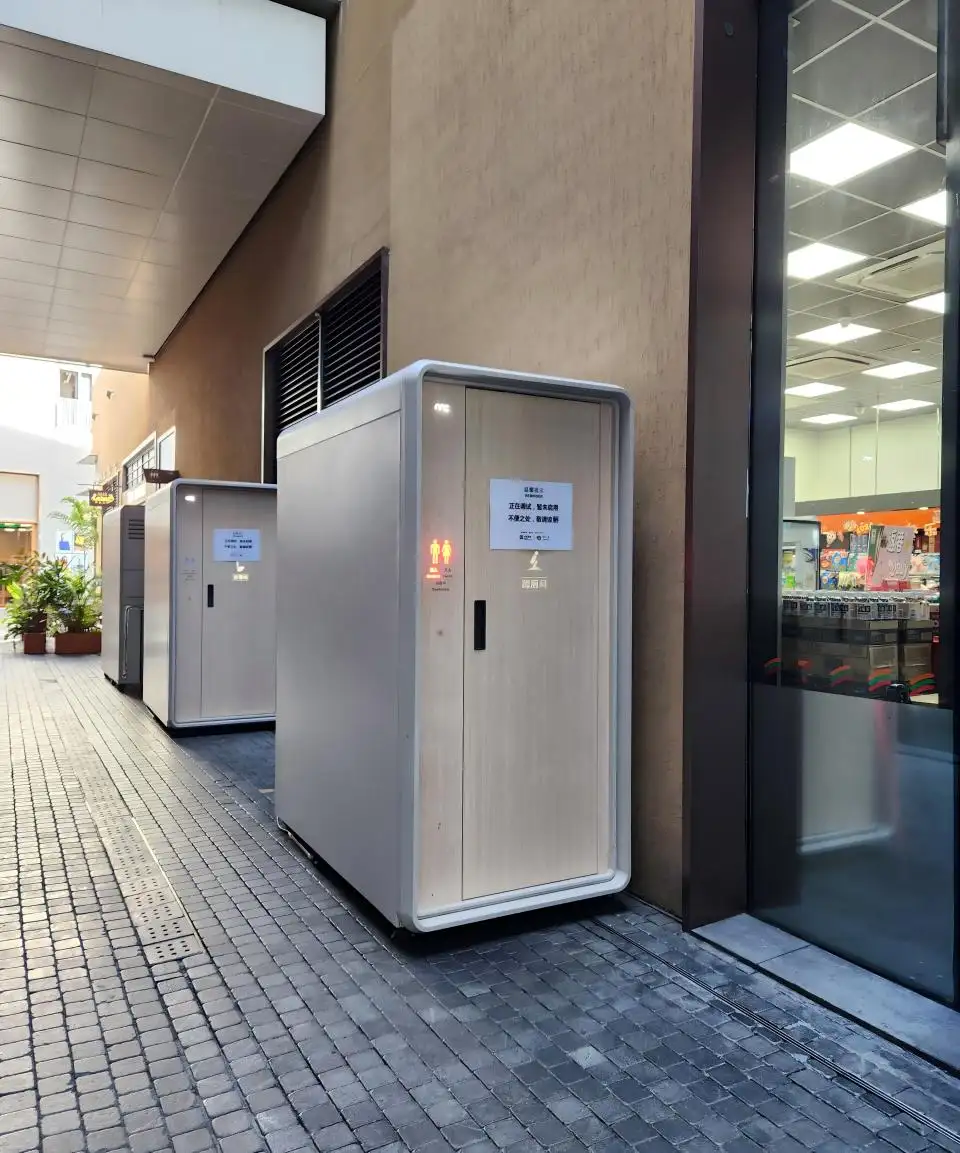
A Prefabricated Smart Restroom without IoT sensors is like a smartphone without apps—fully built yet functionally incomplete. In 2026, the global smart bathroom market is projected to hit $10.6 billion, climbing to an estimated $20.7 billion by 2032 at a compound annual growth rate of 11.8%. Beneath this growth lies a simple truth: sensors are the silent engines that power intelligence, and a Prefabricated Smart Restroom can only fulfill its potential when installed with a sophisticated array of IoT-based monitoring systems.
Without IoT sensors, a Prefabricated Smart Restroom is nothing more than a smart structure. This article examines the positive effects of IoT sensors on Prefabricated Smart Restrooms and their ability to serve facility managers and maintenance staff by decreasing waste, providing smart data, and lowering the total ownership cost.
What Makes a Prefabricated Smart Restroom "Smart"
Conventional restrooms operate on rigid routines: rounds of using checklists to clean, checking and replacing consumables by inspecting visibly, and resolving odor issues only when complaints are received. Prefabricated Smart Restrooms redefine this approach by employing sensors to perform continuous and real-time monitoring.
No more guesswork. The IoT sensors provide reliable data of:
•Patterns of occupancy and foot traffic: Cleaning teams equipped with the Smart Restroom system can make informed decisions based on real-time occupancy and foot traffic.
•Levels of remaining consumables: The system will automatically inform maintenance when towels, toilet paper, and soap are running low.
•Conditions of the environment: The system will analyze and inform maintenance of the quality of the air (presence of harmful gases) and environmental conditions (presence of humidity and other inert gases and temperature) throughout the Smart Restroom system.
Routine checklists will indicate when there are issues with the system (maintenance, supplies, etc.), and this will not be the only time the Smart Restroom system cares. This allows for maintenance based on conditions rather than reliance on staff to notice problems.

Predictive Maintenance: the True Advantage
It is a clear blind spot that a Smart Restroom can move a facility from reactive maintenance to predictive maintenance.
The IoT sensors built into the system start to understand the facility and the patterns that it creates in time. Once this understanding is developed, a number of things can be predicted:
•Predicting when a dispenser will be empty, rather than an unexpected empty dispenser in the middle of the day.
•Predicting when maintenance is needed. Sensors will pick up abnormal behavior for the equipment, and order a maintenance part automatically (example—abnormal flushing).
•Predicting patterns of behaviors to eliminate the need for manual checks. Digital dashboards help facility managers assign and check completion rather than being on-site.
For airports or shopping centers, this will translate directly into reduced manual labor. One Middle Eastern facility management pilot found that such systems can reduce manpower costs by over 20 percent during periods of low foot traffic.
How Wall-Mounted Purifiers Use Sensor Data to Deliver Freshness
Poor restroom air quality remains one of the most frequent user complaints across public and commercial facilities. IoT-enabled air quality sensors address this problem head-on by delivering real-time, targeted purification exactly when and where it matters.
Within a Prefabricated Smart Restroom, gas sensors monitor ammonia and hydrogen sulfide concentrations continuously. Once preset limits are breached, the system begins automatic operations for both ventilation and air purification. The same sensor strategies are followed for wall-mounted odor elimination systems.
The Restroom Odor Removal Air Purifier SAUDIND 120 has been built for public restrooms and public lounges. It has the capability to remove odor molecules that are carried in the air.
The Air Purifier For Odor SAUDIND 50 has been built to serve odor and bacteria reduction efficiently for small spaces. This makes the Air Purifier For Odor SAUDIND 50 suitable for small restroom spaces and places that have high humidity.
The Wall Mounted Air Purifier SAUDIND 150 has been designed for larger commercial spaces.
With the installation of multiple ammonia, humidity, and TVOC sensors in the Prefabricated Smart Restroom, system can adjust the intensity, allowing for purification and ventilation at safe levels to avoid excessive ventilation, during quiet periods.
Water & Energy Efficiency: Metrics That Matter
Procurement teams can no longer avoid adding disclosures for ESG compliance and sustainability resource usage targets. The Prefabricated Smart Restroom's collection of IoT sensors produces data to validate that the stated resource targets are being achieved.
•Water usage tracking: Technologies for managing flush and faucets timers greatly reduce wasted water. Our flow sensors will immediately identify if, and when water is being used too much, especially if it is a leak. We monitor restroom fixture water usage.
•Energy savings: The restroom light and ventilation systems are powered by and interconnected to the occupancy sensors. This removes energy waste from empty restrooms by ensuring the lights are powered and ventilated only when occupied. Our applicated systems have demonstrated energy savings of 30.
Eco-friendly materials
The prefabricated nature of the unit ensures the sustainable sourcing of materials for compliance reporting for Leadership in Energy and Environmental Design (LEED) and corporate environmental reporting.
An example of compliance with ISO 30500:2025, the latest international standard for unsewered sanitation systems, can include the design of the unit. The standard sets out design and testing of general safety and utility features, including the sustainability and either water or energy choices of consumption and recovery as well as life-cycle assessment and optimization. For the purpose of procurement sourcing, compliance with ISO standards from the buyer perspective implies engineering predictably reliable and sustainable systems.

Sensor-Driven Design Commercial Applications
Prefabricated Smart Restroom solutions integrated with extensive IoT sensor ecosystems, have provided reliable solutions in a wide range of use cases.
•Airports and transport hubs: The ability to provide real time occupancy feedback to cleaning staff can help them concentrate their efforts to areas with the greatest traffic, thus improving customer satisfaction and keeping the cost of labor in check.
•Malls and retail centers: The ability to provide real time feedback on the usage of dispensable supplies can prevent out-of-stock situations and thereby drive more satisfaction among customers as well as tenants.
•Hotels and venues: Brand image increasingly and to a greater extent hinges on the customer’s perception of the products and services the facility provides. Touchless solutions and Automated Odor management contribute to the customer’s perception of the facility as providing a premium product.
•Parks, venues, and event sites: The time required for construction of temporary/modular units can easily outlast the operational life of such units, especially in the instances of rapid adoption of sensor-driven use. Predictive analytics can eliminate guesswork and streamline operational efficiency of units during the prime hours and temporarily suspend service during off-peak hours.
•Government, hospital and school buildings: The need and capability to provide real time sensory feedback on cleanliness and an ability to send alerts greatly supports the various sites’ compliance with the infection control measures and regulations.
Choosing the Right Partner for Sensor-Integrated Prefabricated Solutions
The level of sensor integration among prefabricated restroom suppliers varies greatly. Procurement teams that assess suppliers should look for manufacturers that have:
•Proven IoT track record: Established expertise that goes beyond the theoretical and integrates the capacity to create operational sensor networks in commercial contexts.
•Comprehensive customization: An adaptable and flexible approach that can integrate sensor configuration, layout design, exterior finishes, and power supply (solar, grid, or hybrid) to conform to local or site-specific requirements.
•Compliance readiness: Knowledge of ISO 30500 and other global standards, as well as the provision of necessary documentation in support of regulatory approvals for target markets.
•Integrated air purification expertise: Commercial-grade odor removal and bacteria elimination systems designed specifically for public restroom conditions, not repurposed residential units.
At SAUDIND Technology, we create smart restroom options that complement the integrative commercial-grade, high-durability sensors that withstand the test of time, traffic, and the degree of use and abuse they will be subjected to.
Final Thoughts
Would you like to see clever IoT sensor integrations to see how a Prefabricated Smart Restroom will optimize your future commercial and/or municipal endeavors? If so, we invite you to reach out to SAUDIND Technology for custom configurations, certification support, and bulk order solutions offered to meet your operational needs.
FAQs
Q: Do you need Wi-Fi for a Prefabricated Smart Restroom?
A: No. IoT sensors function via LoRA, LTE, and 4G or 5G networks. Wi-Fi is not required.
Q: Do you offer kits to install sensors into an already built restroom?
A: Yes. Most IoT sensor kits come with components for either a new prefab unit or a retrofit installation.
Q: What is the lifespan of the sensors?
A: The lifespan is 5–7 years. You may use replaceable batteries or low-power options that are hardwired.
Q: Is the data protected?
A: Yes. The data is encrypted with only the facility management dashboards able to access them.
Q: Do the sensors require maintenance?
A: No. You may need to check the batteries, and they may need to be occasionally cleaned. Most sensors are self-calibrating.
Written by
admin