


Updated 4 months ago
The Flexible Portable Toilet Module Designed for Lower-Impact Site Sanitation
admin
admin
Flexible Portable Toilet Module
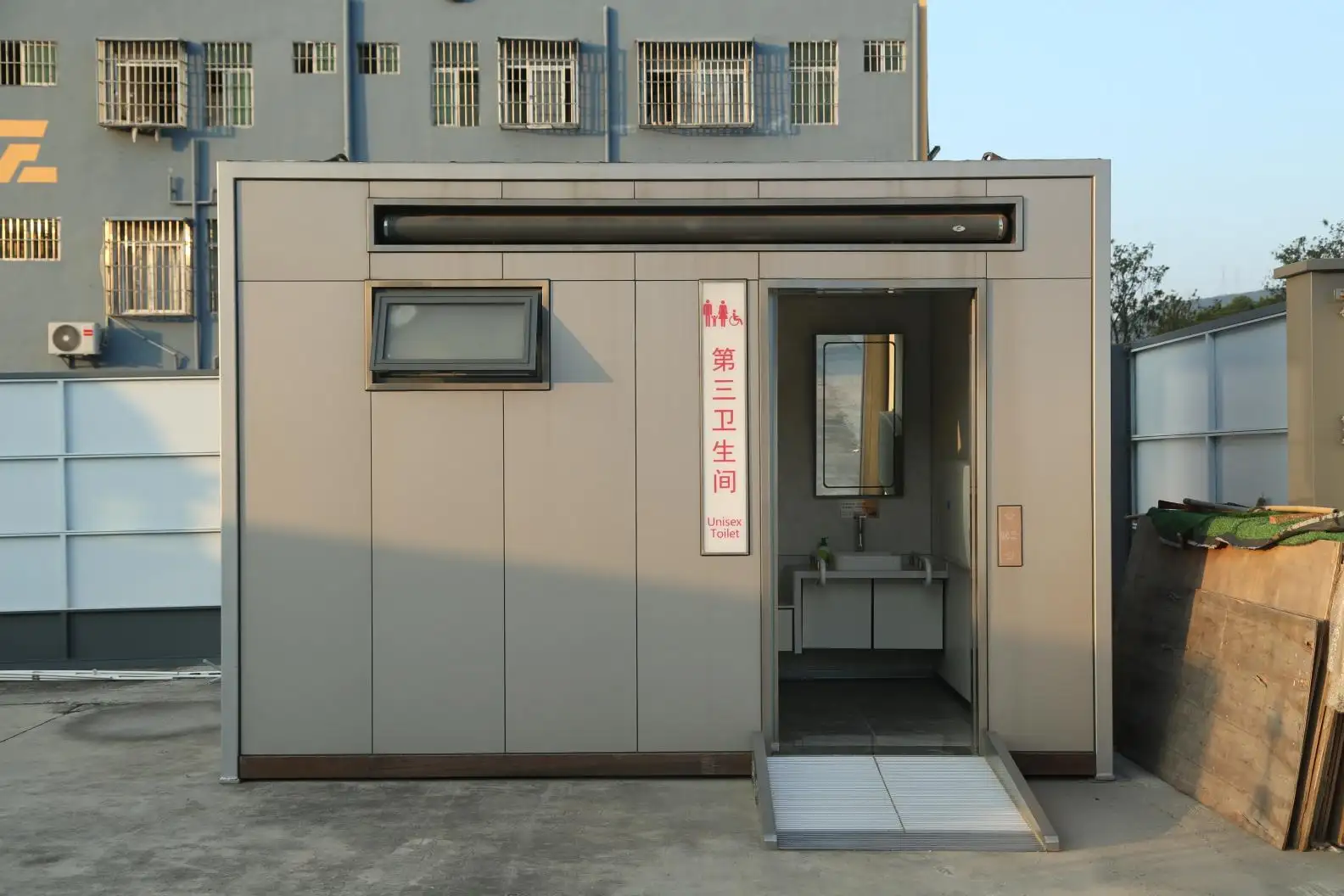
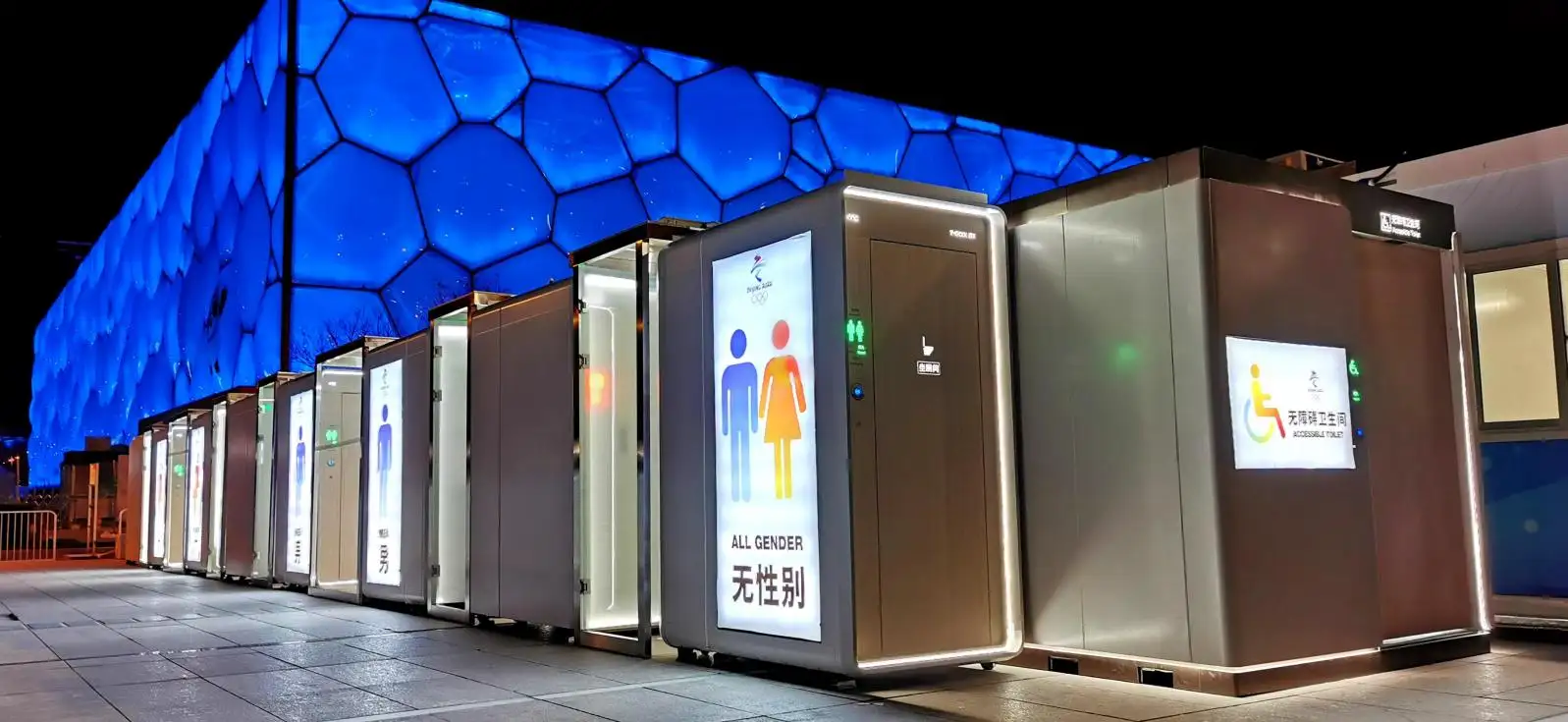
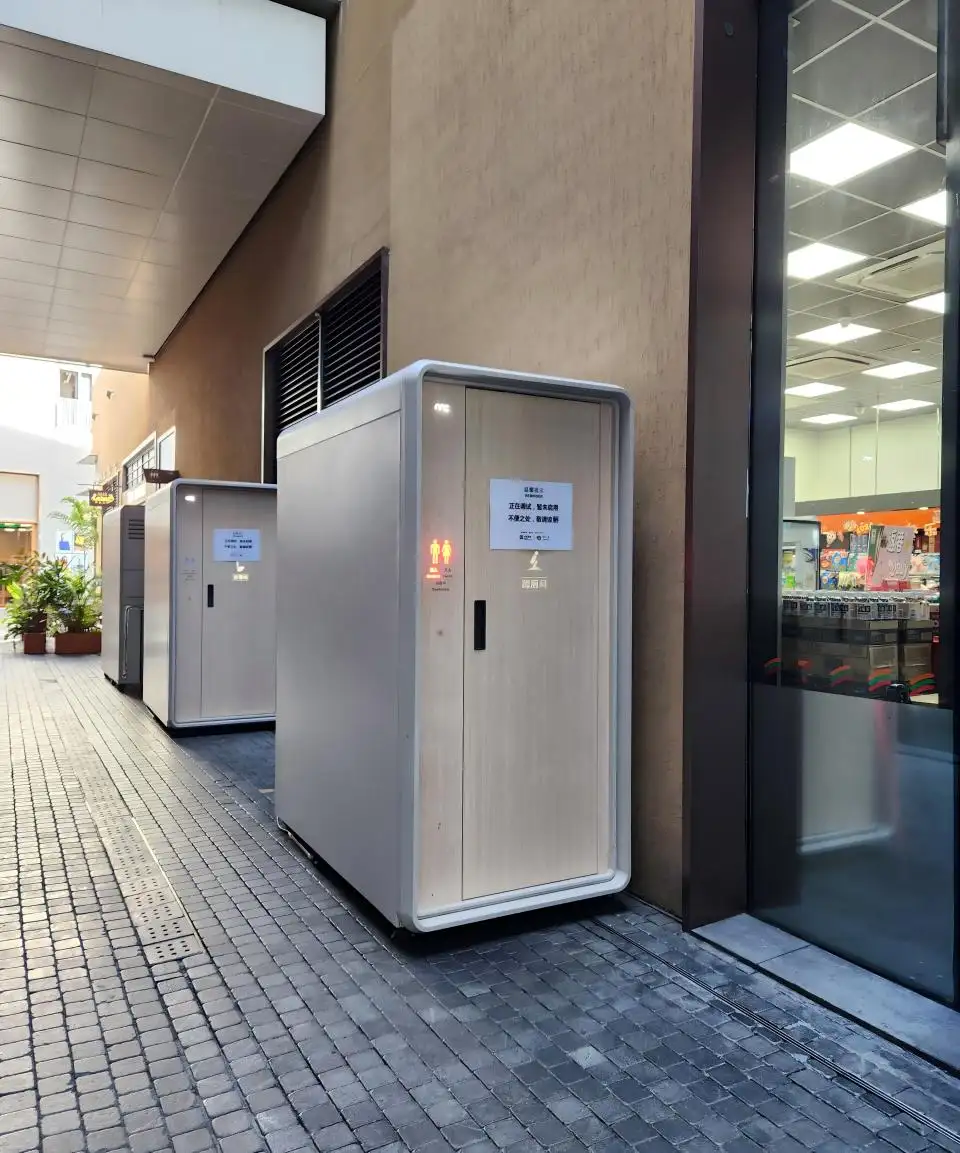
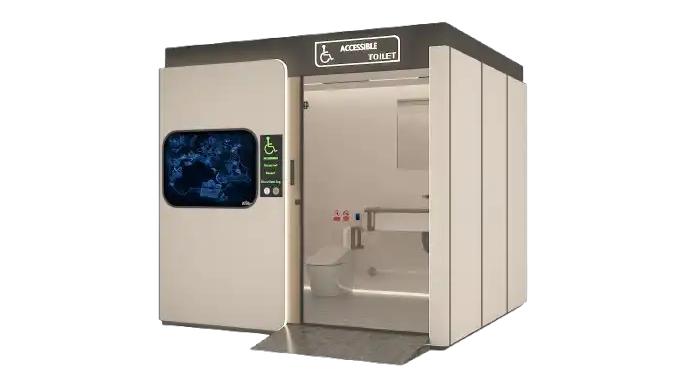
Procurement teams are looking for flexible portable toilet modules that use less water, reduce service work, and adapt to different site conditions. SAUDIND's TBOX GS-A1 is designed for projects that need modular layout options, efficient fixtures, durable materials, and easier maintenance planning without giving up basic comfort and safety.
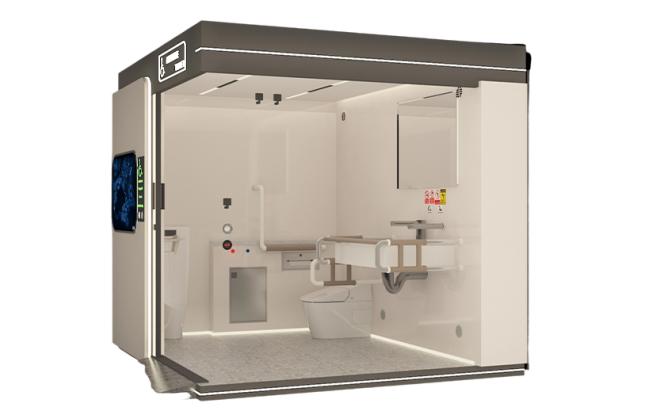
The sections below review the module's design and technical features for municipal sites, outdoor markets, events, and portable restroom rental fleets.
Portable Sanitation with Lower Water and Energy Demand
The portable sanitation market is under pressure to reduce water use, service trips, chemical dependence, and waste-handling problems. Reports estimate that the market may reach USD 20.58 billion in 2025 and exceed USD 40 billion by 2034. A modern flexible portable toilet module addresses these issues by integrating:
•Low-energy ventilation and lighting systems
•Optional vacuum or direct-discharge sewage methods
•Materials that resist graffiti, stains, and microbial buildup, helping reduce the need for harsh cleaning methods.
•SAUDIND applies these principles directly in the TBOX GS-A1 through its material choices, fixture layout, ventilation options, and sewage configurations.
Key Green Design Features of the SAUDIND TBOX GS-A1
The table below summarizes the green-oriented specifications of this flexible portable toilet module. Each element is selected to reduce operating costs, service work, and environmental impact over the unit's lifetime.
| Feature | Green Benefit |
| Fresh air system (low-level air circulation) | Reduces mechanical ventilation energy by up to 40% while improving odour control. |
| Anti-glare soft LED lighting | Consumes up to 70% less energy than conventional lighting fixtures. |
| Vacuum or direct discharge + optional treatment equipment | Supports zero wastewater discharge in sensitive areas when paired with the correct treatment equipment, and can also support water reuse planning. |
| Compact laminate walls & stone slab flooring | Durable surface system designed to avoid repainting or resealing for 10+ years under suitable use and maintenance conditions. |
| Foldable toilet + ceramic wash basin | Saves space while using water-efficient ceramic surfaces |
“Our design philosophy prioritizes longevity and repairability over single-use convenience,” notes SAUDIND's engineering team. “Every panel, hinge, and fixture is selected for decade-level service in high-traffic settings.”
How the Flexible Portable Toilet Module Supports Lower-Impact Sites
For parks, transit hubs, and outdoor festivals with net-zero or low-impact targets, every infrastructure choice matters. A flexible portable toilet module like the TBOX GS-A1 can work as a standalone green unit or connect with a broader site power and utility plan. Key capabilities include:
•Solar-ready electrical interface: The module can accept solar panel input to support lighting, advertising screens, and voice broadcast systems.
•Smart occupancy and emergency call: Usage and alert data help reduce unnecessary cleaning rounds and allow maintenance teams to respond when service is needed.
•Child-lock hot water with constant temperature: On-demand heating reduces the need for a continuously heated tank and helps cut avoidable energy use.
These features align with procurement requirements in European, North American, and Middle Eastern projects where buyers compare water use, energy demand, user safety, and maintenance access.
Technical Features That Lower Operating Impact
Below are five measurable ways this flexible portable toilet module can improve on conventional temporary units:
•Sewage flexibility: Vacuum, direct discharge, or external treatment options allow operators to choose the lowest-impact method for each location, without relying on mandatory chemical holding tanks.
•Material longevity: Fluorocarbon-painted aluminum exterior panels and compact laminate interior walls resist UV damage and humidity, reducing the need for annual repainting.
•Low-level air circulation: Instead of relying only on roof-mounted exhaust fans, the fresh air system pulls cooler air from ground level, reducing fan run time by up to 60% in mild weather.
•Intelligent speaker with voice broadcast: Built-in audio supports public announcements without a separate PA system, helping lower equipment needs and overall energy draw for event setups.
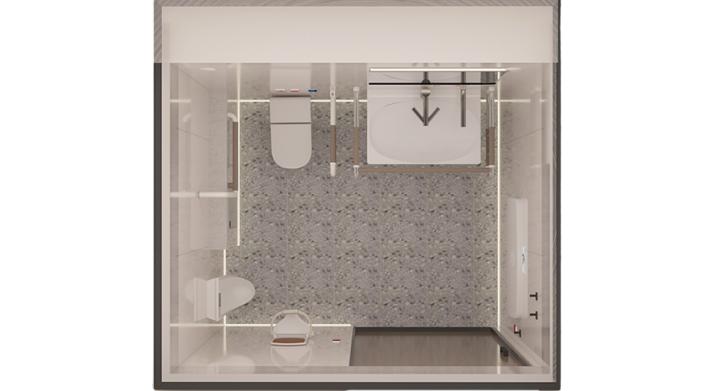
•Foldable nursing table and toilet: The foldable layout maximizes interior space, allowing one 2.23 m × 2.84 m footprint to support accessibility and baby-care needs while reducing the number of units required per site.
Real-World Applications for Green Procurement Teams
Procurement managers evaluating a flexible portable toilet module should consider three practical use scenarios:
1. Public Parks & Nature Reserves
Low-flush or vacuum sewage systems help reduce groundwater contamination risks. The TBOX GS-A1's stone flooring and graffiti-resistant walls are designed for heavy weekend traffic and can be maintained with biodegradable cleaning agents.
2. Construction Sites with LEED Goals
Direct-discharge connection to site sewer lines can reduce truck-based pump-out trips. The built-in external advertising screen can also display safety messages or project sustainability metrics.
3. Seasonal Events & Pop-up Markets
Rapid deployment, no foundation requirement, and child-lock hot water supply make the module suitable for family-oriented events. After the event, the unit can be relocated without major material wear when handled properly.
SAUDIND's Position in Green-Oriented Portable Sanitation
Portable sanitation evaluations increasingly include environmental metrics. SAUDIND’s TBOX GS-A1 is positioned around water efficiency, material durability, lower-energy systems, and adaptable sewage options.
•Lower water consumption per user day through efficient basin aerators and optional vacuum flush.
•Use of recyclable materials: More than 85% of the module’s aluminum, laminate, and stone components can be recycled at end of life.
•Noise reduction: The low-level air system operates below 40 dB, supporting quieter park, nature reserve, and public-space installations.
For a deeper comparison of green portable toilet modules, buyers can review Green Building Advisor’s 2025 sanitation roundup and EPA WaterSense guidance for water-efficient fixtures.
Conclusion: Build a More Adaptable Sanitation with SAUDIND
The shift toward greener sanitation is already shaping tender documents and corporate sustainability reports. A flexible portable toilet module with energy-smart lighting, adaptable sewage handling, and long-life materials can reduce operating costs and environmental exposure. SAUDIND’s TBOX GS-A1 also supports accessibility and family-use needs through a foldable toilet, nursing table, ceramic basin, occupancy display, and emergency telephone. Your next fleet upgrade can be practical, serviceable, and aligned with lower-impact sanitation goals.
FAQ: Questions regarding SAUDIND's Flexible Portable Toilet Module
Q: Does the TBOX GS-A1 support solar power?
A: Yes. The module is solar-ready and can use solar panels to power lighting, screens, voice broadcast systems, and advertising panels.
Q: How frequently does the vacuum sewage system need to be emptied?
A: With about 150 flushes per day, the vacuum tank usually needs pump-out every 5–7 days, which is longer than many typical chemical toilet units.
Q: Can this module operate below 0°C?
A: Yes. Air circulation and optional insulation help prevent pipes from freezing down to -15°C (5°F). The hot water supply can also be configured for low-temperature operation.
Q: Does SAUDIND issue a certificate for green building (LEED, BREEAM, etc.)?
A: Yes. SAUDIND can provide documentation on recyclable materials, water use, and low-energy features to support sustainability credit applications.
Q: What is the typical lead time for a custom order?A: Standard units can ship within 30 days. Custom orders with exterior colour options, solar kits, or localized sewage treatment usually take 45–60 days to ship.
Written by
admin