


Updated 5 months ago
Compact Modular Public Toilet Design: High Capacity In A Minimal Layout
admin
admin
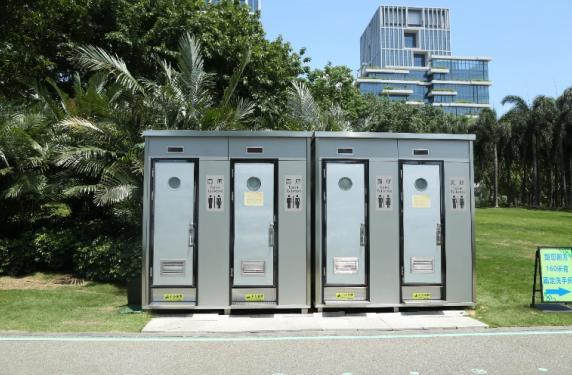
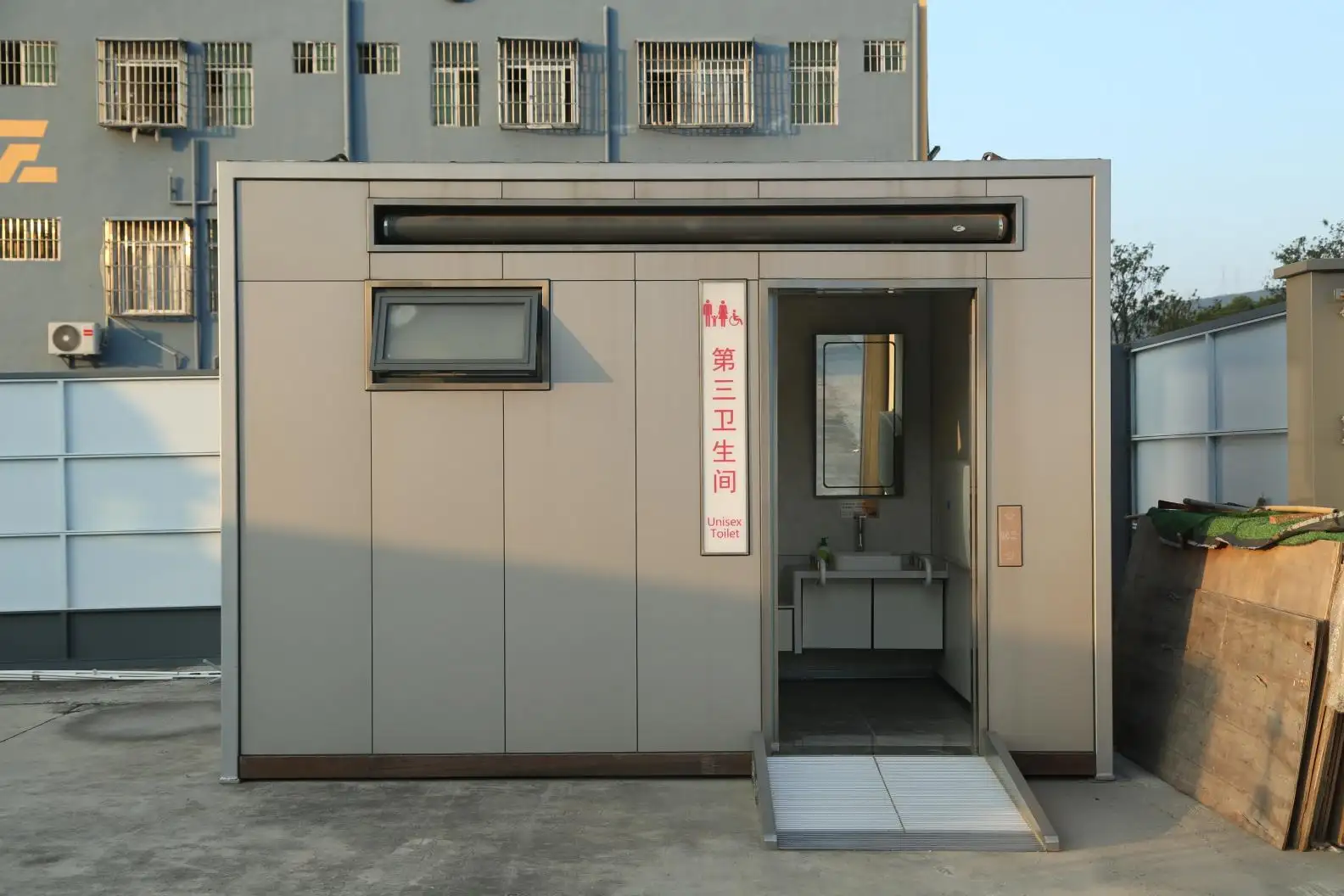
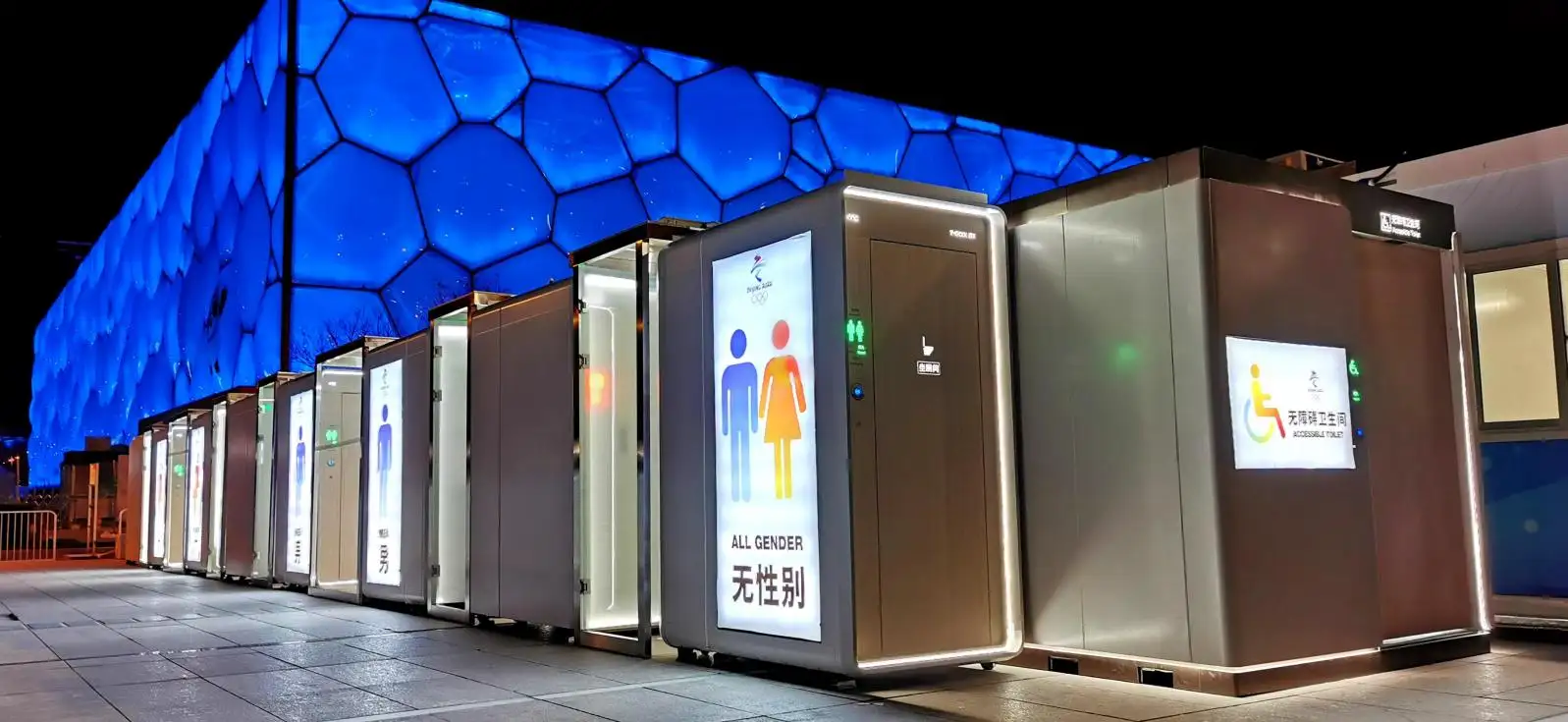
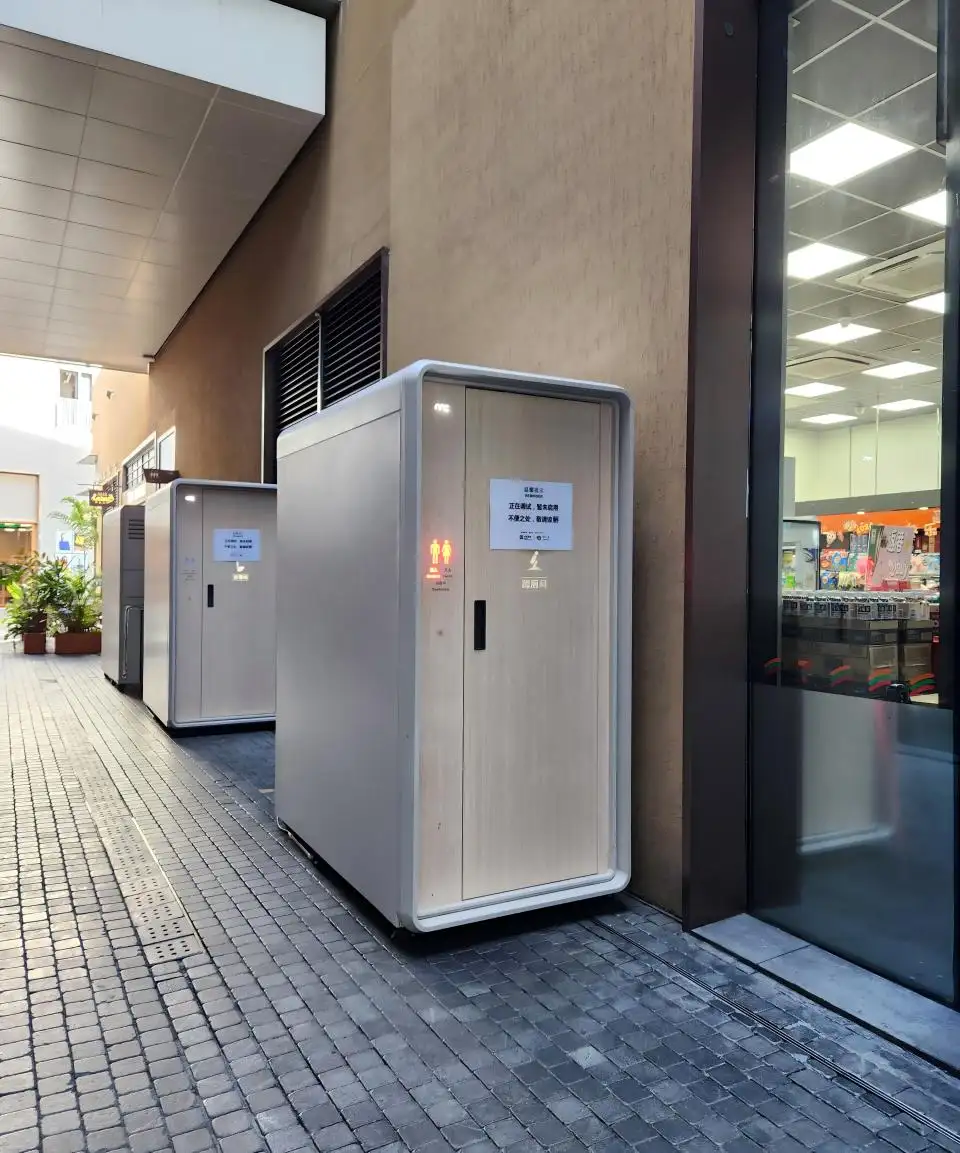
Compact Modular Public Toilet Design
The design of compact modular public toilets addresses a crucial problem: how to construct toilet units to service high demand while reducing land usage and staying within budget. For 2026 projects, including modular design toilets in urban environments will be a major differentiation factor. From 2026 to 2035, the modular toilet industry is projected to grow from $630M to $1.73B. 40% of the demand will come from the Asia-Pacific markets. The issue is no longer whether to adopt the compact modular solution, but which design will maximize throughput and minimize time per user.
More Efficient Designs, Not Larger Facilities
Public toilets grow in capacity with demand and require extensive utility connections to co-ordinate with their intended location. The Compact Modular Public Toilet Design completely changes this.
•Improved efficiency: toilets, urinals, and handwashing stations can be optimized and integrated to save floor space. Real-world examples have illustrated that modular designs can achieve space utilization improvements up to 40% through optimized circulation paths.
•Single-day installation, years of service: A traditional concrete restroom can take six months to build. A modular prefabricated unit ships fully assembled and can be operational within hours of arrival on site. That speed directly translates to lower labor costs and faster project completion—period.
•Scalable capacity on demand: Start with a single module to accommodate daily traffic. Add additional modules to accommodate peak demand. No demolition. No second phase of construction. Adaptable to your actual demand, not your initial projections.For venues and transit hubs with strong seasonal variations, this push-to-fit scalability is invaluable.
Smart Maintenance That Keeps High Traffic Clean, Not Chaotic
High use quickly leads to degradation, ruining the initial investment. The leading compact modular toilet designs use the following use-degrading features:
•Sensor triggered use based cleaning: Automated cleaning is triggered after a threshold value for the number of users. These public toilets can maintain even more stringent standards of cleanliness and hygiene at only 60% of the average cleaning time required for public toilets.
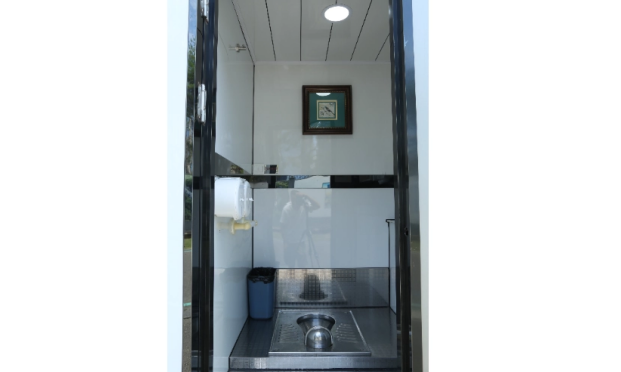
•Real-time monitoring of the use of dispenser products: Staff no longer need to check to see if duct tape is stuck to soap or if dispenser items are on the verge of running out.
•Prevent Odor Complaints with Air Quality Sensors: These public toilets monitor ammonia and humidity to improve ventilation control.
•Predictive Maintenance Reduces Downtime: These toilets improve predictive maintenance and reduce the number of sudden failures and need repair to the toilets.
Technology incorporates these with modular products to ensure that these modular installations are efficient.
Greener Solutions - Sustainability
Compact Modular Public Toilet Design achieves municipal compliance for greener procurement.
•Water savings of almost 90%: Newer vacuum and micro flushing methods save between. 5 – 1.5 liters of water per use.
•Construction sustainability: Using advanced methods of construction, a modular steel and aluminum frame protects harmful construction waste. Components are selected due to their zero carbon footprint.
Due to the rise of a focus on carbon neutrality and zero waste of public infrastructure, once offered, these features are now required to actually sustain public procurement older.
Compact Modular Public Toilet Design has actually changed transport:
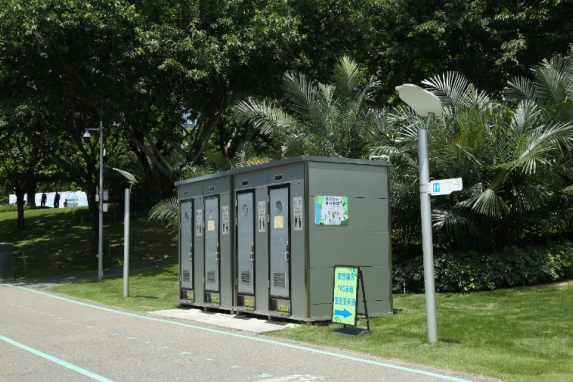
•Transit hubs: Compact transport that has greater separation of entry and exit flow keeps transport systems updated for real time needs.
•Public parks: Constructing pathways to enable transport system integration in smaller parks is a less expensive option for public transport.
•Construction and industrial sites: For the Impact of Construction and Industrial Safety of your Public Policy is highly this answer.
•Events and Festivals: Modular systems can respond optimally to changing attendance.
For tourist and cultural sites, aesthetics are important. Exteriors are designed to harmonize with the natural or historical site, while intelligent hygienic or comfort features are implemented on the interiors.
Compact Capacity. Delivered.
For the past 13 years, Technology has been perfecting Compact Modular Public Toilet Design with space maximization and capacity as objectives. Our product range includes the Smart Public Toilet (TBOX GE-S1), the Self-Contained Mobile Toilet (TBOX GS-W1), the Accessible Portable Restroom (TBOX GS-A1) and the Portable Mother and Baby Room (TBOX GE-N1) to meet technological and economic requirements of procurement teams of 2026 and beyond.
Each unit has:
•Anti-vandal supply: Anti-graffiti coating and tough steel frame to ease repair and promote longevity.
•Smart monitoring with IoT: Occupancy statistics, cleaning automation, and remote dashboards relieve some of the burden from your operations.
•Tailored to your needs: All aspects of units including limitations of local law and conditions of the site.
•6-year liability: substantiated with 49 inventions and a history of success.
Tighter municipal budgets, increased expectations, greater costs of land, and greater public demand. Compact Modular Public Toilet Design is a tool that uses these challenges as a means to excel.
Looking to improve your public sanitation infrastructure? Send your project requirements to Technology. We will work with you to choose the right modular configuration and tailor everything to your site, budget, and the needs of your community.
FAQs
Q: Are your units space efficient?
A: Each self-contained modular unit can go into spaces as compact as 3-4 square meters per stall with capacity for 500+ uses per day when leveraged with remote user management.
Q: Are your toilets winter resistant?
A: Absolutely, our toilets can go to extreme winter conditions for reliable operation as low as -30C with self heats, insulated frozen coat and self heated pipes.
Q: How long does it take to deliver your modular units?
A: 15-30 days for our standard models (Pre-configured Models), and 45-60 days for Fully Customized Models – not even close to passive modular construction.
Q: Do you help with installation outside of your country?
A: Indeed, we provide services like Manuals of Instructions, remote advice, and even optional presence of professional technical assistance for international Purchasers.
Written by
admin