


Updated 4 months ago
Antimicrobial Surfaces in a Portable Park Toilet Unit: The 2026 Hygiene Standard
admin
admin
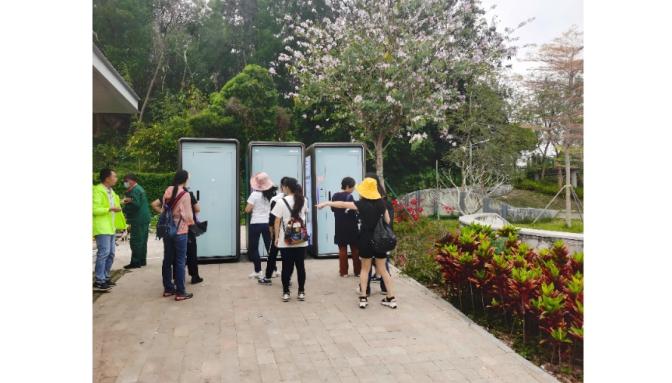
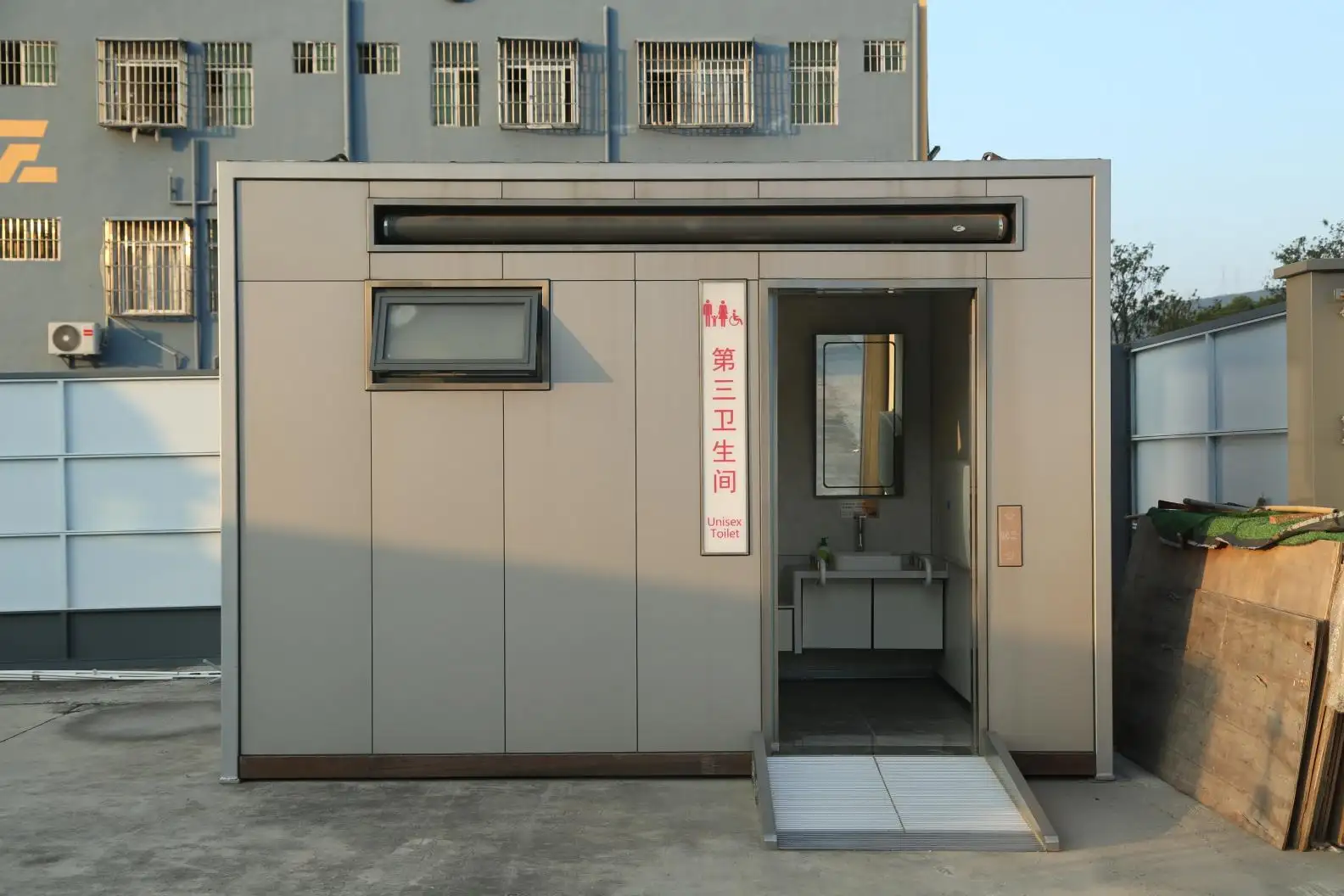
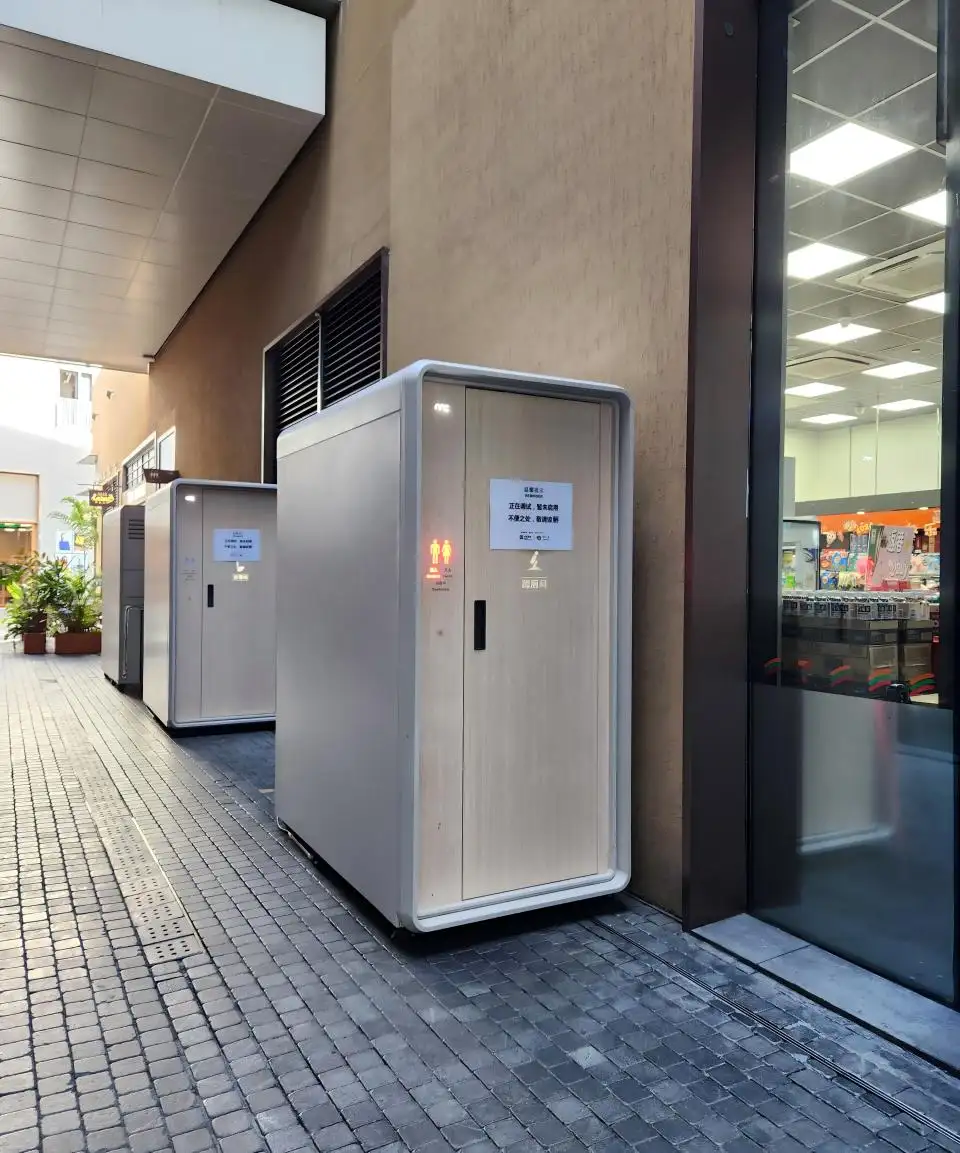
Portable Park Toilet Unit
The global portable toilet market is projected to reach USD 30.4 billion by 2030 , with a 6.4% CAGR. Antimicrobial surface technology is now a top-five procurement criterion, especially for public parks, transit areas, and high-traffic outdoor sites. With the WHO’s 2026–2035 sanitation strategy and the 2026 Clean Hands Index, antimicrobial protection is becoming a key expectation for any portable park toilet unit..
What Makes Antimicrobial Surfaces Different?
Traditional public restrooms rely heavily on manual cleaning schedules. Between service intervals, high-touch surfaces can collect microbial contamination. Antimicrobial surfaces add a continuous, passive layer of hygiene support.
1) Copper-Based Continuous Antimicrobial Reduction
Through the oligodynamic effect, copper surfaces can achieve a 97% reduction in microbes compared with non-copper surfaces by damaging microbial membranes and DNA.
2) Silver Nanotechnology and Surface Hygiene
Ceramic materials coated with silver particles can achieve antimicrobial activity of up to 99.99%, with independent studies showing the elimination of E. coli and Staph. aureus in less than 24 hours of contact.
3) Rapid, Broad-Spectrum Antimicrobial Performance
Newer coating technologies can achieve more than 99% antimicrobial activity against both Gram-negative and Gram-positive bacteria in less than 10 hours of contact.
These technologies can provide passive antimicrobial support for high-traffic facilities such as a portable park toilet unit, especially where cleaning staff may not always be nearby.
Where the Risk of Contamination is Highest
Studies of antimicrobial coatings in public facilities point to specific high-touch areas that should be prioritized for treatment because contamination risk is highest there.
•Toilet door handles: Research shows that restroom exits and door handles often contain some of the highest levels of recoverable microorganisms in public restrooms.
•Flush buttons and toilet seat surfaces: In communal sanitation facilities, these are primary contact points for transfer between users.
•Washbasin edges and faucet controls: Moisture-trapping areas and manually touched controls can support microbial buildup if they are not cleaned regularly.
•Wall-covering panels and grab rails: These are common contact areas where users lean, grip, or steady themselves.
An efficient portable park toilet applies antimicrobial treatments to the highest-risk areas to control cost while reducing health risks.
SAUDIND's Approach to Antimicrobial Design
SAUDIND applies antimicrobial surface technology across several components of its modular portable restroom systems. For example, the TBOX GS-W1 and similar models apply antimicrobial treatment to door handles, interior wall panels, and smart control interfaces.
•Graffiti-resistant exterior panels provide a durable, easy-to-clean surface, reducing reliance on harsh cleaning agents.

•The flush, tap, and light functions are controlled through touchless sensor systems, reducing direct contact with high-use surfaces.
•This system is designed to reduce stagnant air circulation and limit conditions that support bacterial growth.
•Compact laminate panel systems provide easy cleaning and resilient surfaces.
SAUDIND integrates antimicrobial surfaces with touchless controls and a smart ventilation-enhanced hygiene system, aligning with 2025–2027 public restroom design trends.
Comparing Industry Approaches to Antimicrobial Surfaces
Different manufacturers use different approaches to antimicrobial protection in a portable park toilet unit. Facility managers evaluating suppliers in 2026 should understand how these strategies compare.
| Manufacturer / Approach | Typical Application Scope | Key Performance Indicator | Cost-Effectiveness |
| Basic industry standard (no coating) | None – relies solely on manual cleaning | No passive microbial reduction; depends entirely on cleaning frequency | Low upfront cost, high long-term labour and reputation risk |
| Premium competitor (single-material coating) | Limited to toilet seats or door handles only | 90–95% bacterial reduction on treated surfaces only | Moderate cost, but leaves many high-touch surfaces unprotected |
| SAUDIND (targeted multi-technology) | Ceramic fixtures, door handles, wall panels, and soft-touch interfaces | 99.99% reduction on treated ceramics, 97% reduction on handles, and contact-active polymers | Optimised cost balance through reduced cleaning frequency and lower long-term hygiene management risk |
Each approach has trade-offs. Basic units without coating require frequent, labour-intensive cleaning and remain vulnerable between service intervals. Some premium competitors apply a single technology, such as silver-ion only on the toilet seat, while leaving other high-touch areas like grab rails or washbasins untreated.
SAUDIND’s approach matches each antimicrobial technology to the surface where it works best: silver-ion nanocoating for ceramic fixtures, copper-based surfaces for metal handles, photocatalytic coatings for wall panels where park lighting is available, and antimicrobial polymers for seat covers. This delivers broad-spectrum protection without coating every surface with one expensive technology.
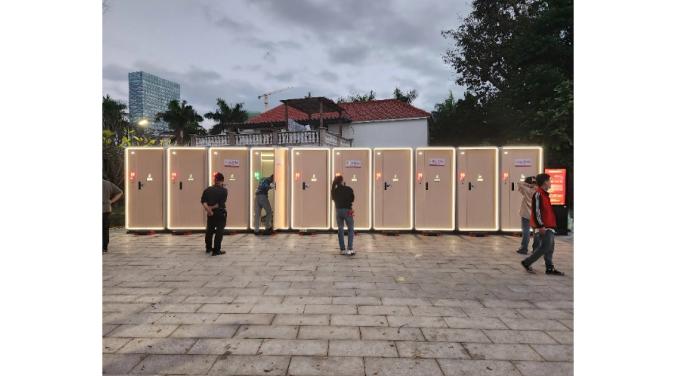
This targeted, systems-level strategy positions SAUDIND among the leading manufacturers for hygiene-focused portable park toilet unit designs in 2026.
The Bottom Line for 2026 Procurement
For procurement professionals evaluating portable park toilet unit suppliers in 2026, antimicrobial surface technology should appear on the specification sheet as a standard feature, not just an optional add-on. WHO guidance, rising public expectations, and efficacy data are moving antimicrobial surfaces from innovation to expectation. SAUDIND’s integration of multiple hygiene technologies positions its products for this new procurement standard.
FAQs
Q: Do antimicrobial surfaces mean less cleaning?
A: No. They reduce the cleaning burden, but regular cleaning is still required.
Q: What's the lifespan of antimicrobial coatings?
A:The average lifespan is 3 to 5 years, depending on usage, traffic patterns, and cleaning frequency.
Q: Are these coatings safe for users?
A: Yes. EPA- and EU-approved silver and copper coatings are non-toxic and environmentally safe.
Q: Are SAUDIND's surfaces naturally antimicrobial?
A: Yes. High-contact areas in SAUDIND’s portable park toilet units come with antimicrobial treatments.
Q: Is there an additional cost for this?
A: The cost is about 5–12% higher than a baseline unit, but it can be offset through reduced cleaning labour and easier hygiene management.
Written by
admin