


Updated 4 months ago
Customizable Portable Toilet Units for Anti-Vandal Design and Smart Hygiene
admin
admin
Customizable Portable Toilet Units
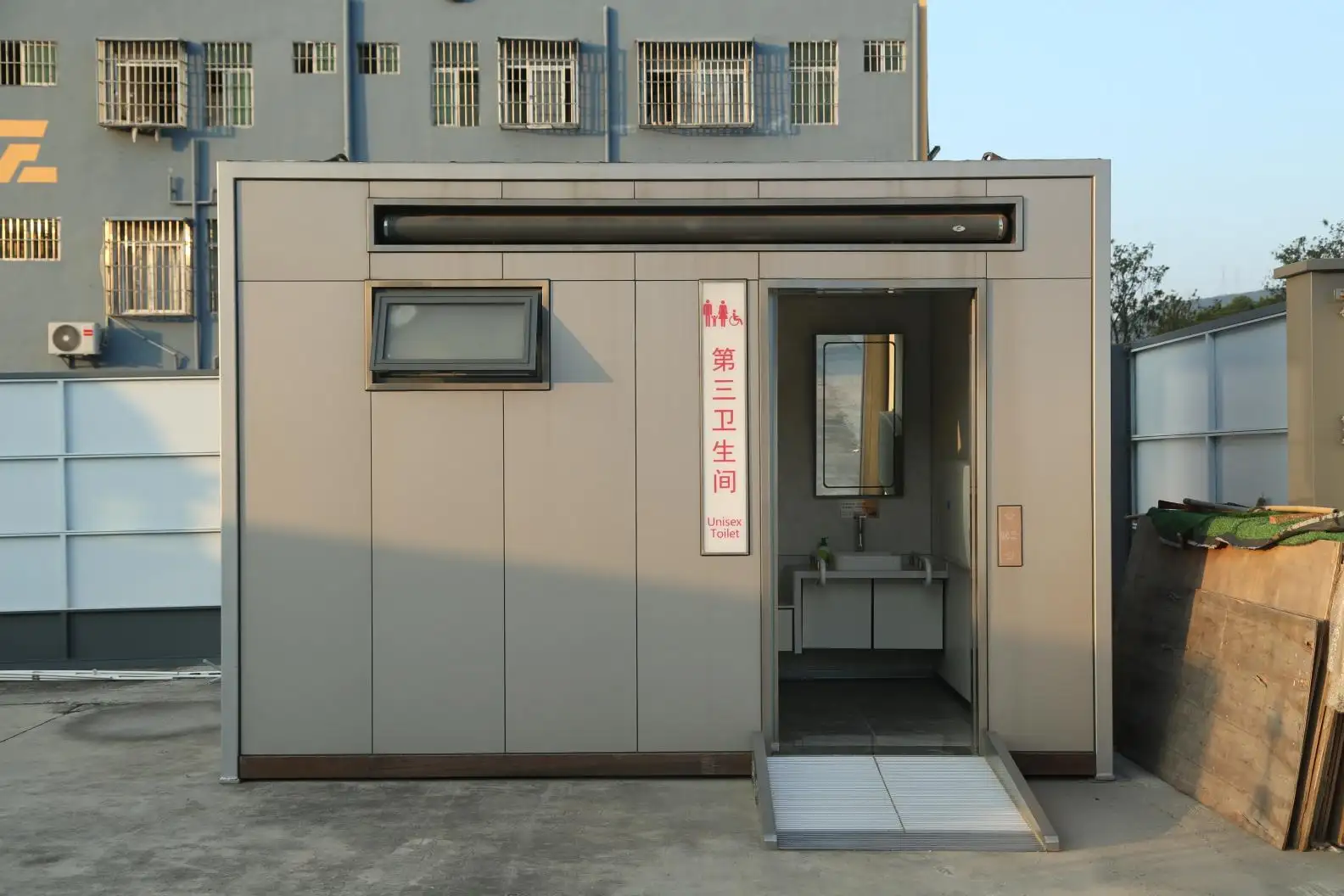
Among the criteria that customizable portable toilet units must meet, procurement teams often focus first on sanitation and vandal resistance. Restroom facilities in parks and transit hubs are usually out of order within 18–24 months when vandalism and damage are not controlled. This review explains how manufacturers such as SAUDIND address those challenges through durable materials, protected hardware, smart sensors, and lower-service design. The 2026 Public Infrastructure Benchmark Report shows smart hygiene as the top preferred feature for North American municipal buyers, followed by anti-vandal design.
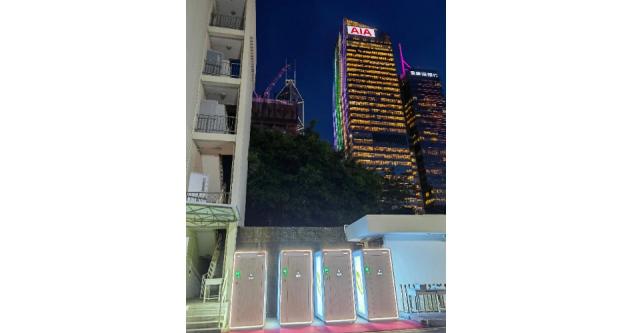
Why Vandalism Prevention Design Matters in 2026
Vandalism is a real problem. A damaged unit may cost between USD 300 and USD 800 to repair and can close the entire facility for several days. In a 2025 survey of 150 facility managers, 68% said that lock replacement and graffiti removal accounted for more than 40% of their annual maintenance spending.
Modern customizable portable toilet units usually rely on three core anti-vandal solutions:
1)Graffiti-Resistant Exterior Panels
HDPE exterior panels feature a smooth, non-porous surface that allows spray paint to be removed with graffiti solvents without leaving visible ghosting.
2)Recessed Hardware and Tamper-Proof Screws
Ventilation grilles, locks, and hinges are recessed, while specialized screws prevent removal with basic tools.
3)Impact-Resisting Design
Units with compression-molded or rotationally molded walls can maintain unbroken wall surfaces after impacts from tools such as hammers or foot strikes, as demonstrated by ISO 179-1 impact testing.
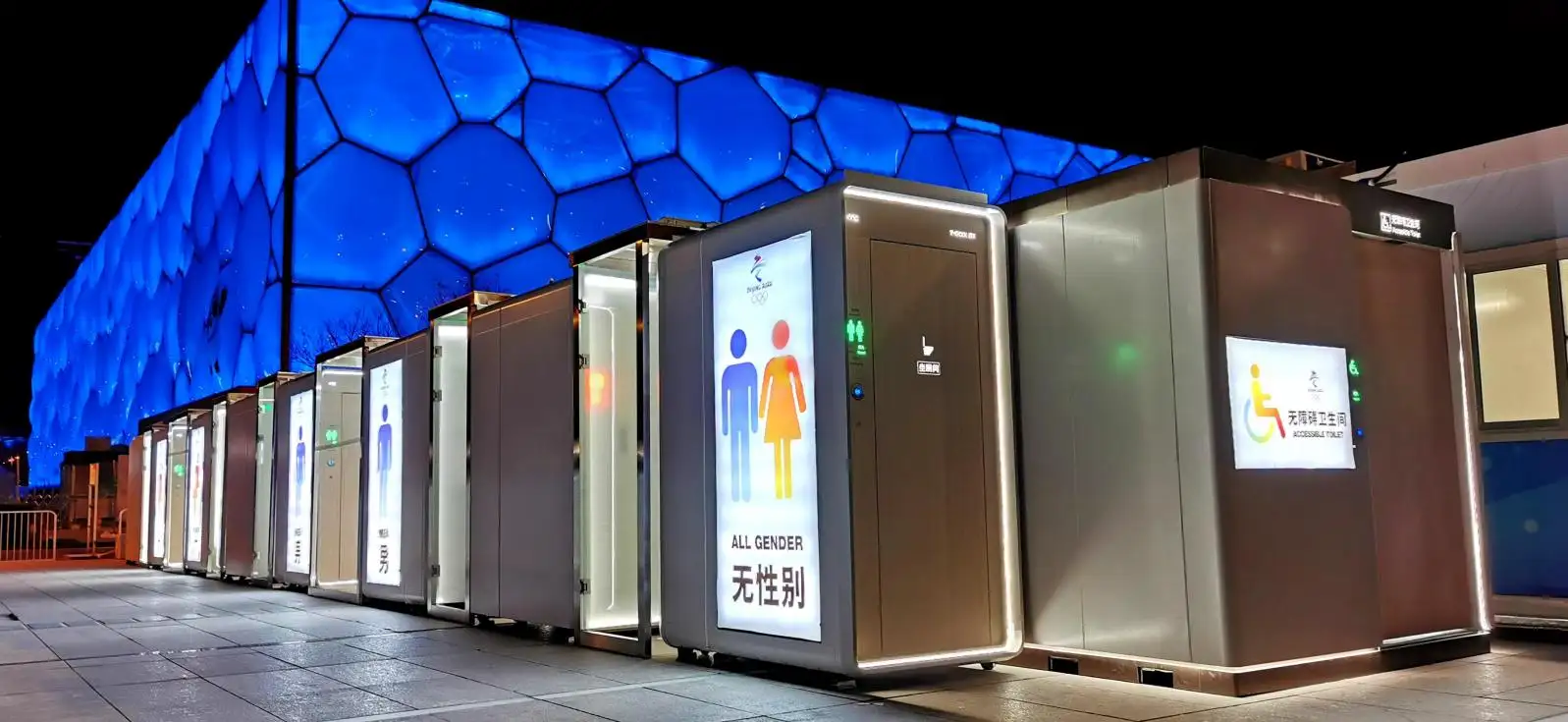
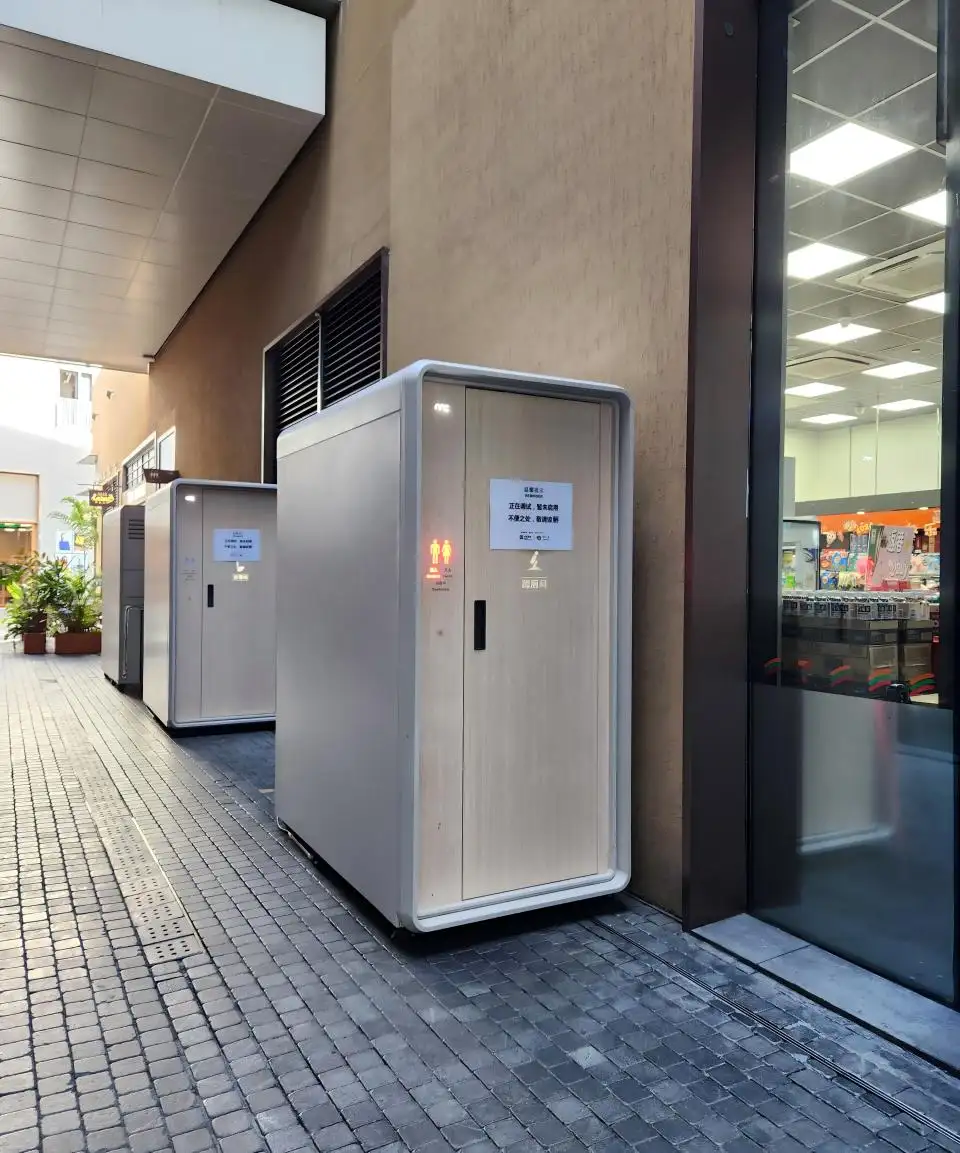
SAUDIND’s TBOX series, including the Double-Seat Portable Restroom (TBOX KS-W2) and Double-Unit Mobile Restroom (TBOX KS-S2), exceeds these baseline standards. The exterior panels use a UV-stable, textured finish that resists tagging and weather fading. In a 2025 pilot across three Los Angeles county parks, field reports showed a 73% reduction in graffiti-related service calls over nine months compared with traditional fiberglass units.
Smart Hygiene Features That Actually Work
“Smart hygiene” has become a buzzword, but in practical terms it means reducing hand contact with surfaces while maintaining consistent cleanliness. The most effective customizable portable toilet units combine passive materials with active systems such as touchless fixtures, ventilation, and IoT monitoring.
Touchless Operation Without Complexity
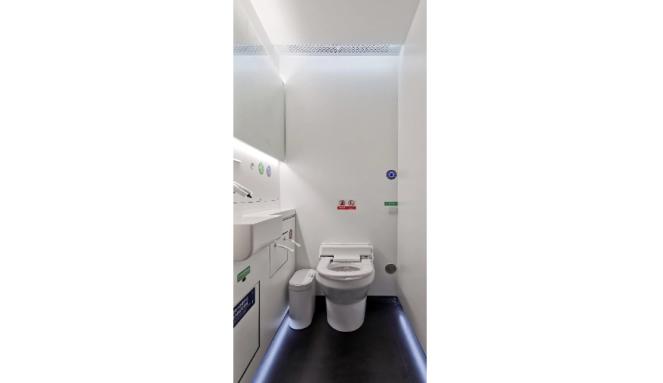
Touchless sensors are useful only when they can handle outdoor conditions and low-power operation. SAUDIND’s integrated flushing mobile restroom, the TBOX KS-S1 with ceramic pan, uses industrial-grade infrared sensors with an IP67 waterproof rating. Key features include:
• On-demand flushing: The toilet limits water waste by flushing only after the user has stepped away from the bowl.
• Automatic soap and water dispensers: These dispensers are powered by the same battery or solar energy system and are rated for 50,000 uses.
• Foot-pedal door openers: Non-electronic door controls are suitable for high-impact environments such as construction sites.
Ventilation Design for Odor Control
Negative bathroom odours are the number one complaint about portable toilets. Rather than masking smells, SAUDIND’s smart ventilation systems are designed to control air movement. System and construction options include:
• Passive air inlets at floor level: Fresh ambient air enters at floor level, while warm stagnant air and moisture are exhausted through solar-powered roof ventilation.
• Automatic deodorization sprayers: These dispensers use an enzyme-based system to reduce odours rather than simply cover them, releasing a measured micro-mist every 20 uses or on a timer.
• Real-time air quality sensors (IoT option): These sensors monitor ammonia and hydrogen sulfide levels. When harmful gas levels reach a set threshold, an active ventilation cycle starts automatically.
Industry Ranking: Where SAUDIND Stands in 2026
The portable sanitation equipment market includes global names such as Satellite Industries in the US, Sanitronics in Germany, and Qingdao Saniloo in China. For anti-vandal and smart hygiene features, the 2026 Global Sanitation Equipment Review, published by Smart Cities Council, placed SAUDIND in the “top five for modular customization and IoT readiness.” SAUDIND was also cited for its antimicrobial surface treatment, which embeds silver-ion technology during the molding process instead of applying it as a spray.
Antimicrobial effectiveness matters. Independent testing under ISO 22196 showed a 99.9% reduction in E. coli and S. aureus on SAUDIND’s interior wall panels after 24 hours. For coronaviruses, including COVID-19, the same material achieved a 99.4% reduction within two hours. These results align with WHO recommendations for public touch surfaces.
Material Choices That Reduce Long-Term Costs
Material lifecycle cost is an important part of evaluating customizable portable toilet units. SAUDIND offers three interior finish options for its detachable squat and pedestal toilets:
• Stainless steel (TBOX KS-S1 Stainless): Best for high-abuse environments such as prisons and transit stations. It resists cutting, burning, and chemical damage, and is easy to pressure-wash.
• Ceramic (TBOX KS-S1 Ceramics): Recommended for commercial buildings and park restrooms. The glazed surface resists stain and biofilm adhesion.
• Shower-integrated unit (TBOX KS-W1B1): Adds a dry-floor shower compartment with slip-resistant grating and a drainage sump, making it useful for campgrounds and beach facilities.
All structural frames use galvanized steel with a powder-coated finish. SAUDIND offers a 10-year warranty against structural rust-through, compared with an industry average of 5–7 years.
Maintenance and Operational Data
Procurement officers often ask about daily service requirements. A 12-month trial at a Florida state park using six TBOX KS-W2 double-seat units found:
• Cleaning frequency: Once every 3 days for high-traffic use of 200+ uses per day, compared with daily cleaning for comparable non-smart units.
• Water usage: 0.8 gallons per flush (GPF), compared with 1.6 GPF for standard portable toilets.
• Vandalism reports: Two minor graffiti incidents were reported, and both were removed on site in less than 10 minutes.
• Battery life of IoT sensors: 14 months using two D-cell lithium batteries for remote monitoring.
Overall, the smart anti-vandal unit had an initial price 40% higher than a basic unit, but its total cost of ownership was 22% lower after 3 years due to lower repair costs, reduced water use, and longer service intervals.
Customization Without Compromising Durability
One concern with customization is that special requests can weaken the base design. To avoid this, SAUDIND keeps modifications within defined design limits. Examples include:
• Size and layout: Whether the unit is single-bay, double-bay, or multi-bay, each layout uses the same wall thickness and corner bracing.
• Power options: Solar, grid, and hybrid units all use the same control box.
• Compliance add-ons: These attach to the unit frame at pre-designed locations.
As a result of these limits, customized units look and function like standard units. For clients in the Middle East, SAUDIND can add extra cooling and dust-proofing without affecting the main structure.
Final verdict: SAUDIND’s TBOX Series anti-vandal customizable portable toilet units will not solve every site issue, but they offer clear benefits: cheaper graffiti repair, lower water use, and fewer odour problems. IoT monitoring works best for deployments of 10 or more units, while smaller sites can use the standard touchless package. For bulk purchases, evaluate the units through a 24-month field test or a sample request before ordering.
FAQ
Q: What evidence supports the anti-vandal coatings?
A: The high-density polyethylene (HDPE) panels resist vandalism, and spray paint can be removed with solvents without leaving visible marks.
Q: Do touchless sensors stand up to the outdoors?
A: They have an IP67 rating, are tested for 50,000 cycles, and operate within a thermal range of -20°C to 60°C.
Q: Can the interior layouts of the units be modified?
A: Yes. SAUDIND offers stainless steel, ceramic, and integrated shower units. Size, colour, layout, and accessibility features can be customized to match project requirements.
Q: Is IoT monitoring needed for small sites?
A: For fewer than 5 units, the basic touchless package is usually adequate. For 10 units or more, IoT sensors can lower maintenance costs by about 30%.
Q: How long do these units last?
A: The structural frames have a 10-year warranty against rust-through. With standard upkeep, the expected service life is 8–12 years.
Q: Do you have customers outside of China?
A: Yes. SAUDIND ships internationally and supports compliance requirements for the EU, North America, and the Middle East.
Written by
admin