


Updated 4 months ago
Automated Portable Public Toilet with Smart Operation and Flexible Deployment
admin
admin
Automated Portable Public Toilet
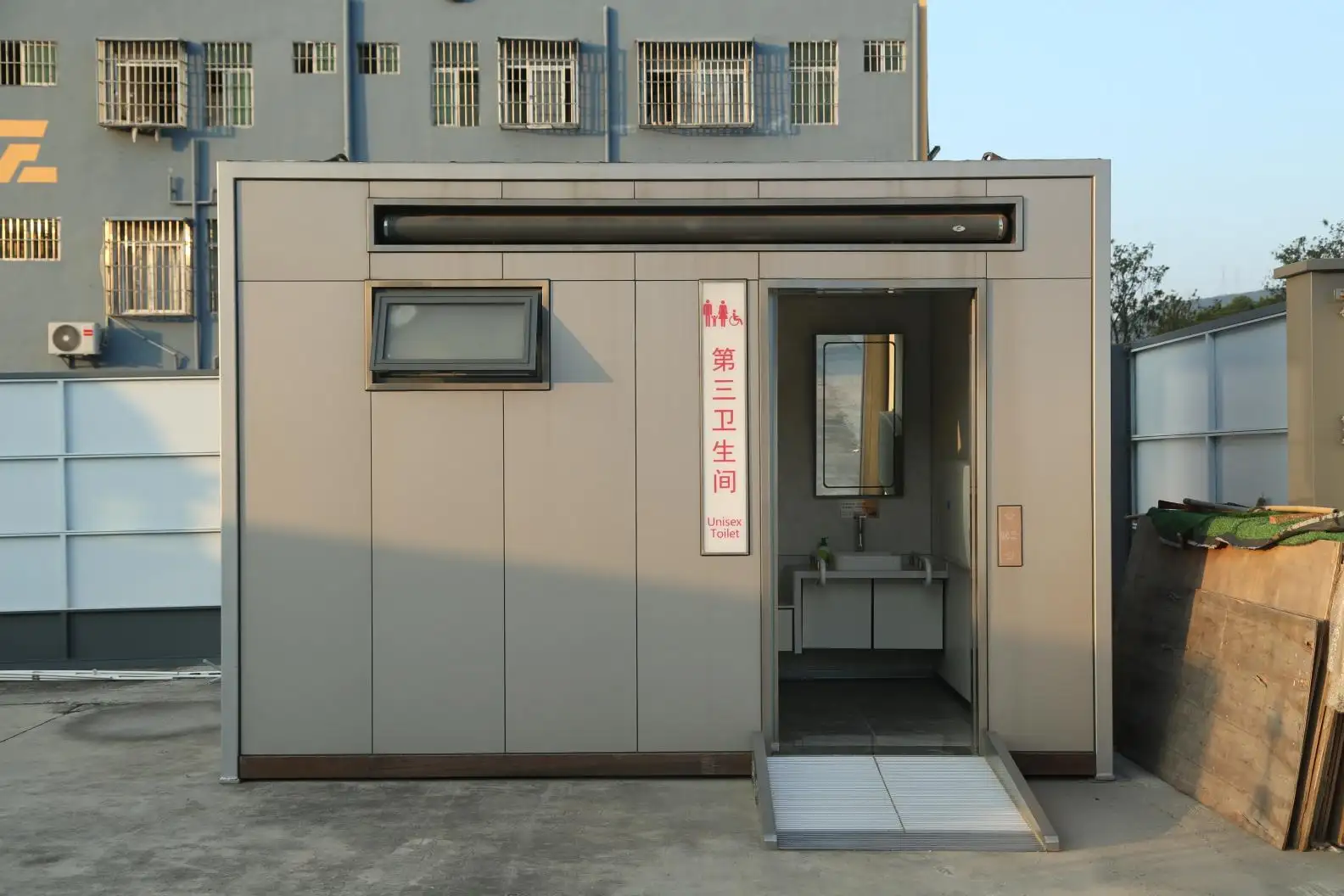
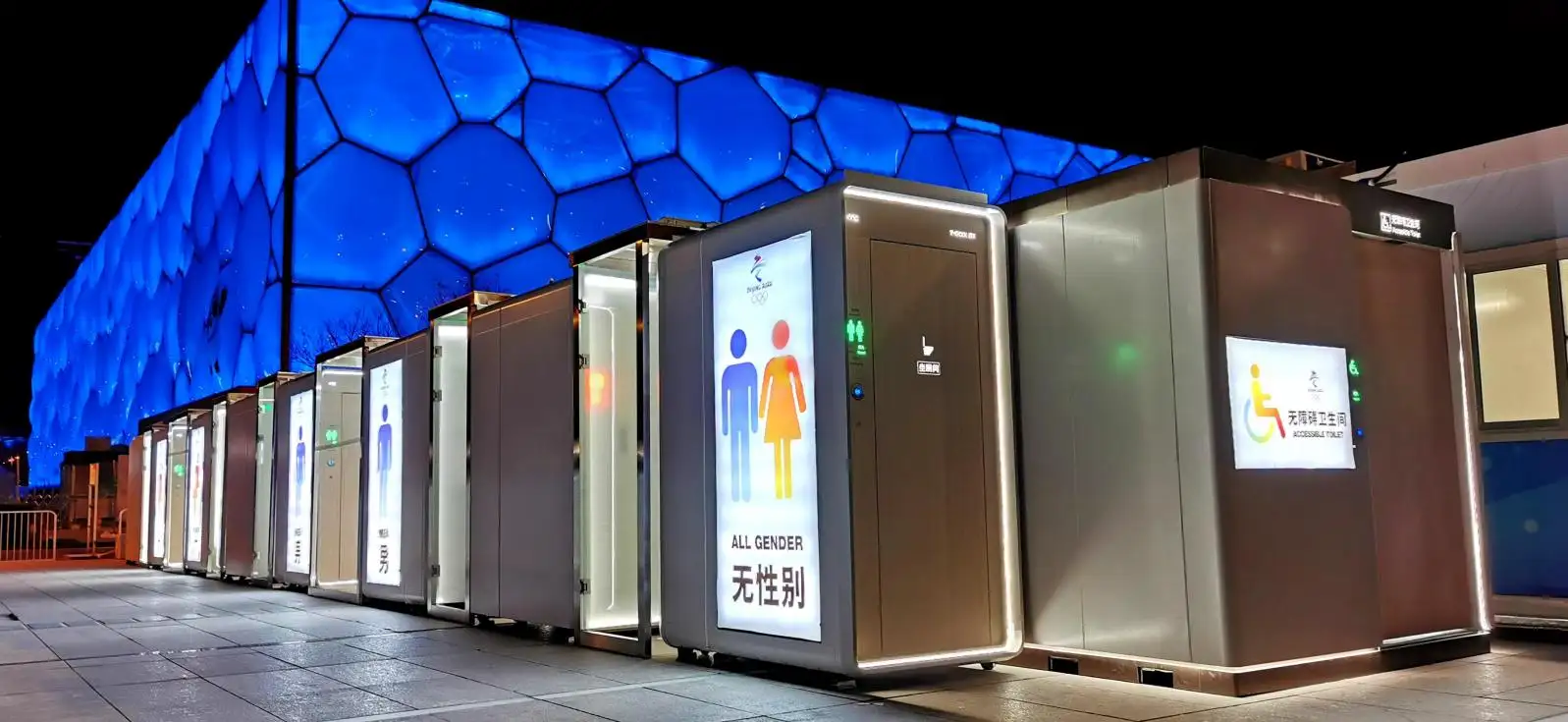
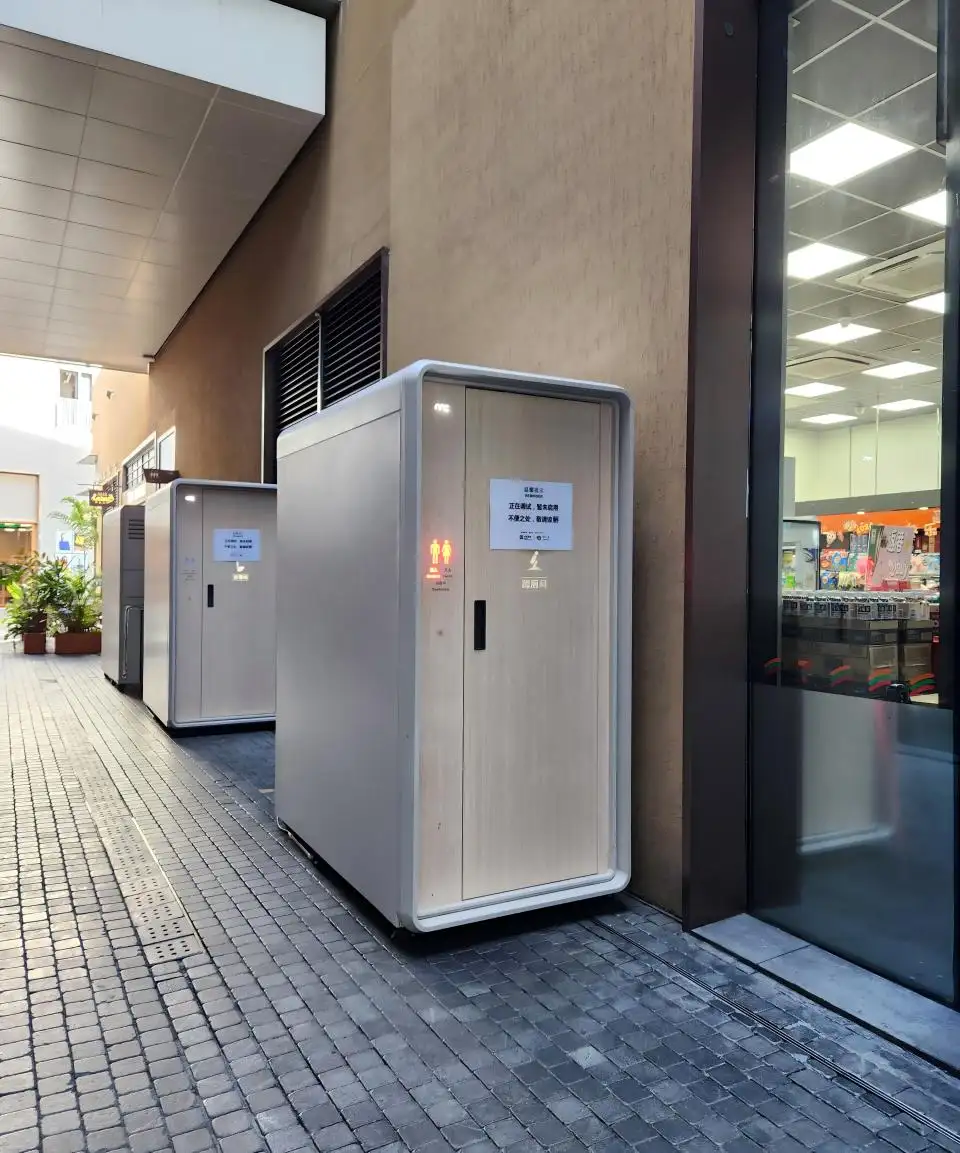
Operational efficiency and mobile infrastructure are shaping the sanitation market. The smart toilet market is expected to grow at a 10.4% CAGR, while the portable toilet rental market is predicted to grow from USD 22.91 billion to USD 41.78 billion within the next 10 years. Procurement teams no longer need to choose between smart technology and physical mobility. SAUDIND’s T-BOX series combines IoT-driven operation with plug-and-play deployment in an automated portable public toilet.
From Manual Checks to Automated Operation
A conventional public toilet relies on manual checks for occupancy, cleanliness, and maintenance needs. Smart toilet management systems use sensors and alerts to support on-demand maintenance instead of fixed inspection rounds, helping operators focus service work where it is needed most.
In an automated portable public toilet, automation usually means:
1) Real-Time Occupancy Tracking
Sensors show whether each stall is occupied and display the status on external indicators or a mobile dashboard. Cleaners can plan visits more efficiently, and users can see availability before waiting.
2) Automatic Deodorizing and Air Replacement
Air quality sensors control the ventilation system based on actual conditions instead of a fixed timer. The system runs when air quality, humidity, or odour levels require ventilation.
3) Alerts for Diagnostics and Maintenance
The system notifies facility managers when water levels are low, flushing is abnormal, or usage rises sharply. These alerts help make maintenance proactive instead of reactive.
4) Safety Features
The help button and occupancy indicators connect to the central monitoring system, so operators can identify the unit location and trigger a faster site response when assistance is needed.
These features turn the automated portable public toilet into a managed public sanitation asset. It can report occupancy, service needs, fault alerts, and operating status instead of relying only on manual checks.
Portable Deployment Beyond Permanent Limits
Portability is not just about wheels and weight. It is about reducing the utility dependencies that restrict placement. Municipal water and sewer infrastructure are often the main constraints, and trenching pipes to a remote trailhead or temporary event site can cost tens of thousands of dollars and take weeks to permit.
SAUDIND’s T-BOX-A3 addresses this with an independent deployment design:
Key specifications:
•Weight: Approximately 350 kg, suitable for standard flatbed transport.
•Rated power: 0.6kW including 0.4kW for air conditioning
•Exterior: Aluminum lightweight, corrosion-resistant, low maintenance
•Interior: Aluminum walls with Toli flooring and stainless steel chassis
•Flush volume: ≤ 3.5L per flush (water-efficient sanitary ware)
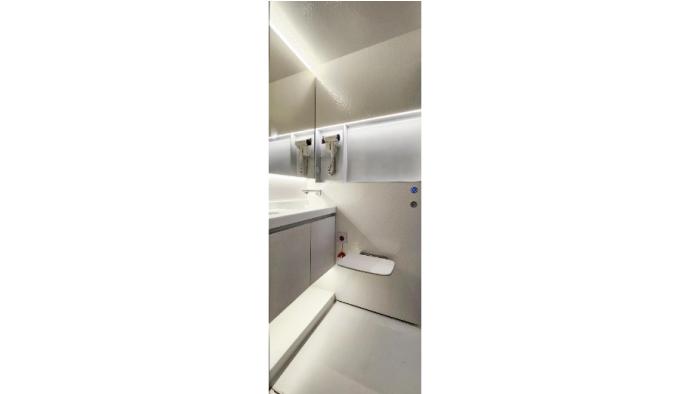
What "portable footprint" means in practice
•No external water connection required: The unit operates independently with internal storage and water-saving fixtures.
•No sewage hookup needed: Waste is collected in sealed, odour-controlled tanks and serviced by standard vacuum trucks.
•Standard electrical compatibility: A single 220V, 50Hz outlet powers the unit, including air conditioning, lighting, sensors, and ventilation.
•Deployable within hours, not weeks: The unit reduces excavation, utility connection work, and site preparation for temporary public sanitation projects.
The modular design also supports scalable deployment. A single unit can serve a small park rest stop, while multiple units can be clustered for large festivals or construction camps. When the site moves, the toilets can move with it.
Modular toilets can be ready for use in days, not weeks, with plug-and-play installation that reduces the need for on-site plumbing and sewage construction. For project managers and event organizers, this speed supports cost control and operational flexibility.
Where Automation and Portability Work Together
The strongest value appears when automated operation and portable deployment work together.
Example 1
A seasonal tourist site: During peak months, usage is high; in the off-season, it drops to near zero. A portable unit can move between locations as demand shifts, while remote monitoring tracks fill levels, maintenance needs, and user safety alerts.
Example 2
A large construction project: Restroom facilities may need to move as the work zone changes. Centralized control and automated pumping sensors help service teams plan routes more efficiently, decreasing maintenance trips by an estimated 30–40%.
Example 3
A city park without public sewer access: The automated portable public toilet offers air conditioning, touchless fixtures, and fresh air without a fixed sewer connection. The parks department can use occupancy data to plan cleaning frequency, and the unit can be moved if the park layout changes.
SAUDIND’s T-BOX Series for Different Site Requirements
The T-BOX series comes in three models to match different budgets, utility conditions, and deployment requirements..
T-BOX-A1 Model
The T-BOX-A1 requires external water and sewage lines, making it suitable where municipal infrastructure is already available and permanent installation is acceptable.
T-BOX-A2
The T-BOX-A2 is a plug-and-play model with optional external connections and an external operation and maintenance module. It can be installed in locations without water or sewer service while keeping the option to connect later if infrastructure becomes available.
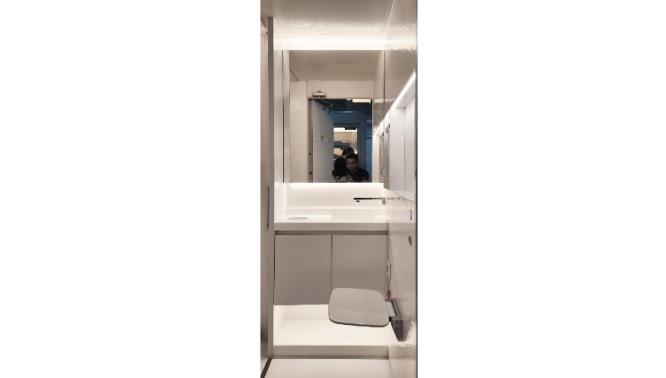
T-BOX-A3
The T-BOX-A3 provides full plug-and-play independence for sites without water or sewer access, while still supporting comfort and hygiene features.
All T-BOX units share durable construction features, including an aluminum exterior, Toli flooring, stainless steel chassis, and 4000K LED strip lighting. Standard amenities include water-saving toilets, grab bars, tissue holders, and integrated storage. Smart features include air conditioning, help buttons, occupancy indicators, fresh air systems, automatic deodorization, and user-behaviour monitoring systems.
Flexible Partnerships For Every Buyer
SAUDIND offers three cooperation models for different purchasing and procurement needs:
1)Custom Purchase
Custom purchase: SAUDIND provides modular sanitation facilities designed for outdoor and indoor use, with durable construction, long service life, warranty documents, and compliance papers. This model suits municipalities, developers, and commercial urban projects.
2) Leasing Services
Leasing services: Mobile restroom facilities can be leased under short-term or long-term agreements, with service and maintenance included. This model suits construction sites, events, and temporary restroom needs while turning capital expenditure into operating expenditure with remote monitoring included.
3)Agency Cooperation
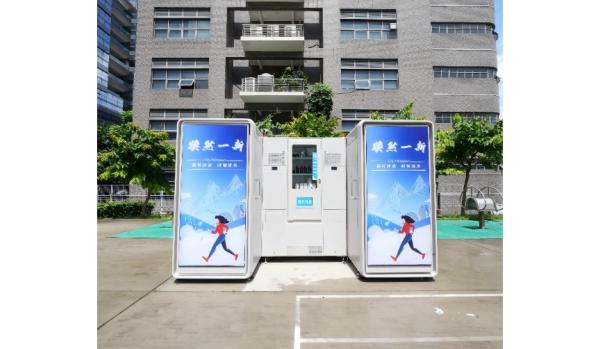
Agency cooperation: Commercial elements such as vending and advertising can be integrated into restroom units to support self-funded facilities. SAUDIND manages construction, operations, and revenue generation, while agency partners share commercial revenue under the project agreement.
CTA
Contact SAUDIND to request specifications, discuss custom orders, or explore leasing and agency options for your next project.
FAQs
Q: How does the Automated Portable Public Toilet operate without municipal water?
A: The T-BOX-A3 uses water-saving flush technology of ≤3.5 L per flush combined with internal storage. Under typical usage, service intervals can match or exceed those of conventional portable toilets.
Q: What power source does the unit require?
A: Standard 220V, 50Hz grid power is sufficient, with a total rated power of 0.6 kW. Solar-ready and hybrid configurations are available for off-grid deployment.
Q: What is the typical delivery lead time for a custom unit?
A: Typical production can be completed in 2–3 weeks. Depending on complexity, custom units with finishes, interior modifications, accessibility options, and other changes can take 4–6 weeks.
Q: Is maintenance part of the leasing model?
A: Yes. Leasing options include full installation, hardware and software support, maintenance, and free remote monitoring.
Q: Will the agency cooperation model work with smaller cities?A: Yes. The agency model can scale from small pilots to large city infrastructure installations. Revenue sharing can be tailored to the local context and traffic volume.
Written by
admin