


Updated 7 months ago
2026 High-Capacity Portable Toilets With Smart Sewerage and Ad Screen Options
contact
contact
High-Capacity Portable Toilets
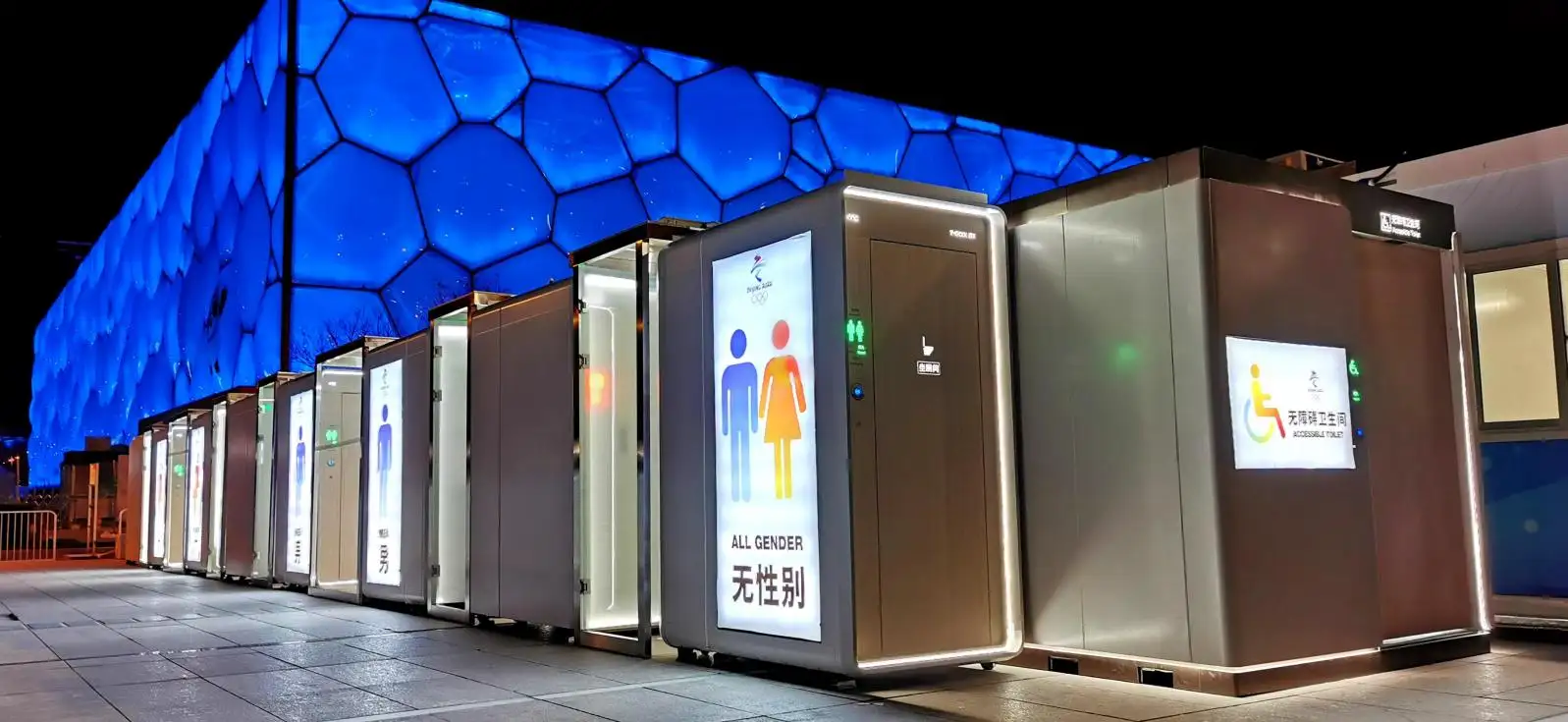
High-Capacity Portable Toilets are no longer “basic event units” in 2026. They are evolving into smart, modular sanitation assets that keep public spaces running smoothly during peak demand. The best models do more than provide a stall. They help manage foot traffic, reduce odor and downtime, improve accessibility, and even create communication value through digital screens. At SAUDIND Technology, we build modular portable public restrooms for modern city environments where standards are higher, usage is heavier, and every installation must justify its footprint with real performance.
Why 2026 Public Spaces Need High-Capacity Portable Toilets
City parks, scenic sites, transport hubs, open-air festivals, and temporary infrastructure zones all share the same pressure point: the crowd does not arrive evenly. A quiet morning can turn into a high-volume surge within minutes. Traditional fixed restrooms may be too far away, too limited, or too slow to expand. This is where High-Capacity Portable Toilets deliver practical advantages—fast deployment, scalable layouts, and consistent hygiene in locations that cannot wait for long construction cycles.
In 2026, sanitation planning is also becoming more experience-driven. People notice airflow, lighting, and cleanliness cues. They expect accessible spaces for wheelchairs and caregivers. They expect safe hot water use for handwashing. They expect a restroom to feel like part of the facility, not an afterthought. For operators, the priorities remain operational: fewer failures, fewer complaints, and fewer emergency cleanups. When a modular unit is engineered for heavy daily use, the result is simple: better flow, lower stress, and a stronger public impression.
A Closer Look at TBOX GS-A1 Barrier-Free Accessible Restroom
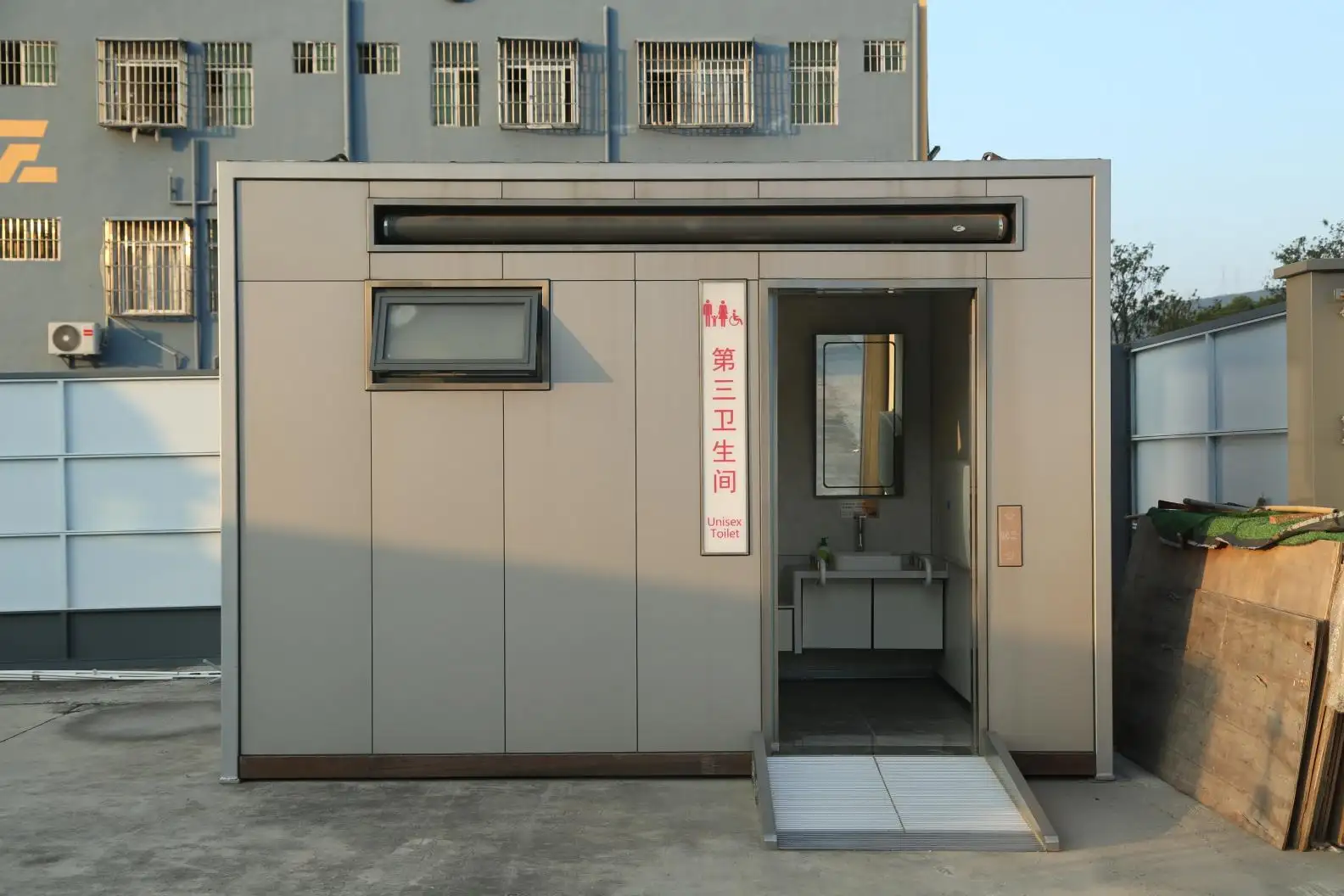
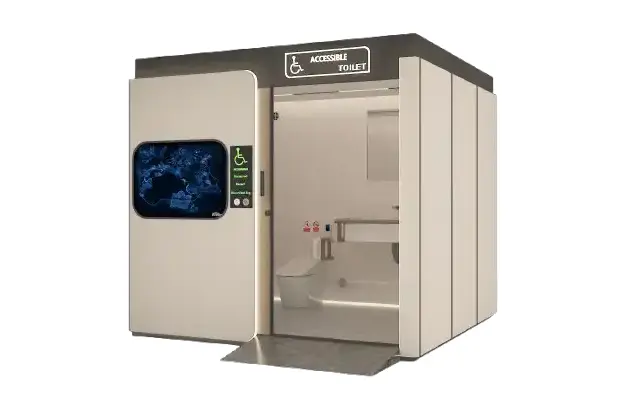
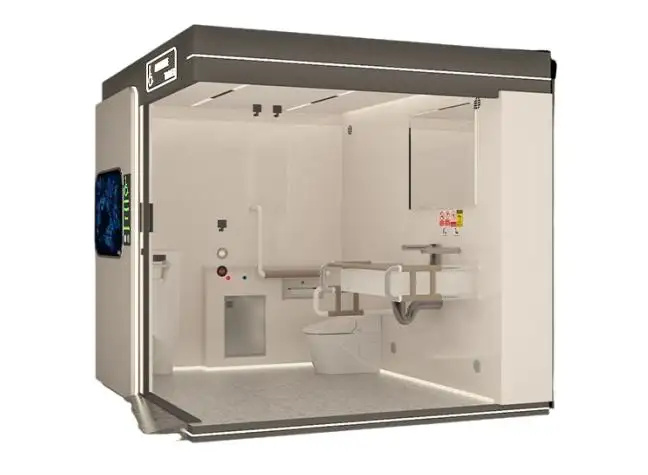
SAUDIND Technology's TBOX GS-A1 (Barrier-Free) is designed for public places and events where accessibility, reliability, and comfort must exist together. It is not a “temporary shell.” It is a structured modular unit with durable surfaces and integrated functions intended to hold up under repetitive use.
It uses long-life construction choices that support both performance and maintenance:
• Solid stone slab flooring for stability and long-term wear resistance
• Fluorocarbon paint aluminum exterior panels for outdoor durability and better surface protection
• Compact laminate interior walls and ceiling to simplify cleaning and reduce damage risk in high-traffic areas
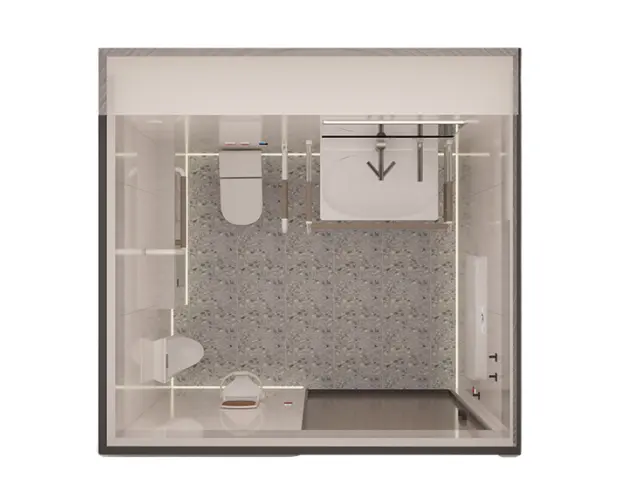
The unit size is 2.23m (L) × 2.84m (W) × 2.38m (H), providing usable interior space while remaining modular for planning and transport. Predictable dimensions matter more than many buyers expect. They improve site layout accuracy, simplify installation planning, and help operators estimate service access and circulation routes before deployment.
Inside, the fixtures are selected to solve real public needs. The TBOX GS-A1 includes one foldable toilet, one foldable nursing table, and one ceramic wash basin. These are not “nice extras.” They reduce friction for families and caregivers and make the unit suitable for longer daily operating windows. A constant-temperature hot water outlet with a child lock supports hygiene while lowering scalding risk—an important detail in public environments where users vary widely in age and ability.
Smart Sewerage, Ventilation, and Touch-Free Comfort in Real Use
In real deployments, “capacity” is not only about how many people can enter. It is about whether the unit stays comfortable and functional during repeated cycles—especially when the crowd peaks. High-Capacity Portable Toilets must control odor, manage humidity, keep surfaces usable, and avoid service disruptions that trigger closures at the worst moment.
The TBOX GS-A1 supports vacuum or direct discharge sewage options, and it can be paired with optional sewage treatment equipment. This matters because sites differ. A park with existing connections may choose direct discharge. A temporary festival footprint may need vacuum logic or treatment support. Flexibility reduces compromise and helps projects fit local rules and servicing schedules.
Ventilation is also a key performance system, not a decoration. The unit uses a fresh air system with low-level air circulation, which helps reduce lingering odor and keeps the interior more comfortable during high usage. In busy public settings, a stable airflow plan protects perceived cleanliness. When users feel the space is fresher, they treat it better—and operators receive fewer complaints.
Lighting affects behavior too. Harsh lighting can feel unpleasant and expose glare on surfaces. Insufficient lighting creates discomfort and safety concerns. The TBOX GS-A1 includes anti-glare soft lighting, improving usability while supporting staff during inspections and cleaning checks.
Advertising Screens and IoT Functions That Add Operational Value
Modern public deployments often need a restroom to do more than “serve users.” It may need to communicate. It may need to support safety response. It may need to help manage queues. That is why smart functions are becoming standard in premium High-Capacity Portable Toilets.
TBOX GS-A1 integrates intelligent features that support public operations:
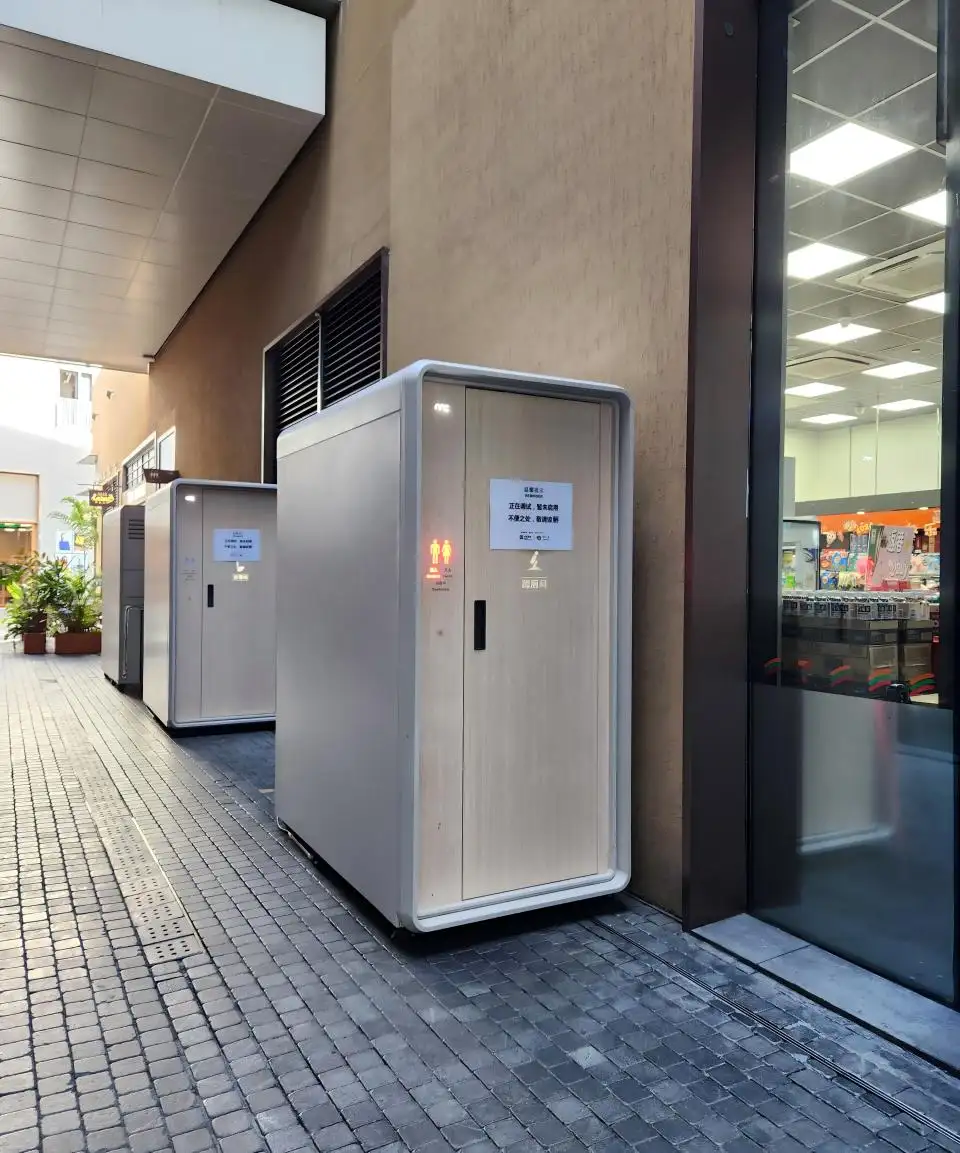
• Occupied/Vacant display with timing to guide flow and reduce uncertainty at the door
• Emergency call function to improve safety in parks, scenic sites, and transport areas
• Built-in intelligent speaker with voice broadcast for guidance, reminders, or announcements
• Exterior advertisement screen for wayfinding, public messaging, or sponsor content
An external screen changes the economics of a deployment. For municipalities, it can support public information campaigns, emergency notices, or location guidance. For venue operators and event organizers, it can enable sponsor visibility or real-time schedule updates without building extra sign structures. The result is a restroom unit that contributes to the site's overall communication system, not just its sanitation coverage.
Where Modular High-Capacity Portable Toilets Fit Best
SAUDIND Technology designs modular units to be “urban-ready,” which means they are built for real placement constraints: limited space, heavy foot traffic, time-sensitive installation, and demanding daily use. When these constraints are respected, the restroom becomes easier to operate and easier for the public to accept.
Common application settings include:
• City parks and recreational areas
• Tourist attractions and transport centers
• Business centers and open-air festivals
• Construction sites and temporary infrastructure zones
Modularity brings long-term advantages beyond the first installation. Standardized layouts simplify staff training and maintenance routines. Service planning becomes more predictable. Replacement cycles become clearer. That is how High-Capacity Portable Toilets reduce total operating cost in practice: not by lowering quality, but by reducing operational surprises. When downtime is reduced and cleaning is easier, the unit stays open more consistently—and that consistency is what users and operators remember.
Customization, Compliance, and Your Next Deployment Plan
Every city and project has different rules, climates, and user expectations. Some deployments prioritize accessibility. Others prioritize vandal resistance. Some customers need seamless power integration, reliable communication links, and regionally appropriate styling. SAUDIND Technology bases customization on operational variables, not merely cosmetics.
Customization can include:
• Size and layout (single module, multi-unit clusters, or integrated modules)
• Exterior design (materials, coatings, colors, regional styling)
• Interior functions (touchless features, air-cleaning options, digital signage integration)
• Power options (solar, grid, or hybrid approaches depending on site conditions)
• Compliance alignment with local accessibility regulations, standards, and climate requirements
For regions with special regulatory or cultural needs—such as Middle East deployments—we also support documentation preparation, layout modification, and compliance-focused adjustments so the final unit fits expectations from day one. Over time, this reduces revision cycles and helps projects launch faster with fewer operational compromises.
CTA: Looking to upgrade parks, events, and transport centers in 2026? Consult SAUDIND Technology. We'll tailor modular configurations, wastewater handling, and ad-screen placement to your site—helping you deliver a superior public experience with High-Capacity Portable Toilets.
Written by
contact