

Updated 3 months ago
Water-Saving Intelligent Toilet Devices | Smart Eco Toilets
sidrahafeez
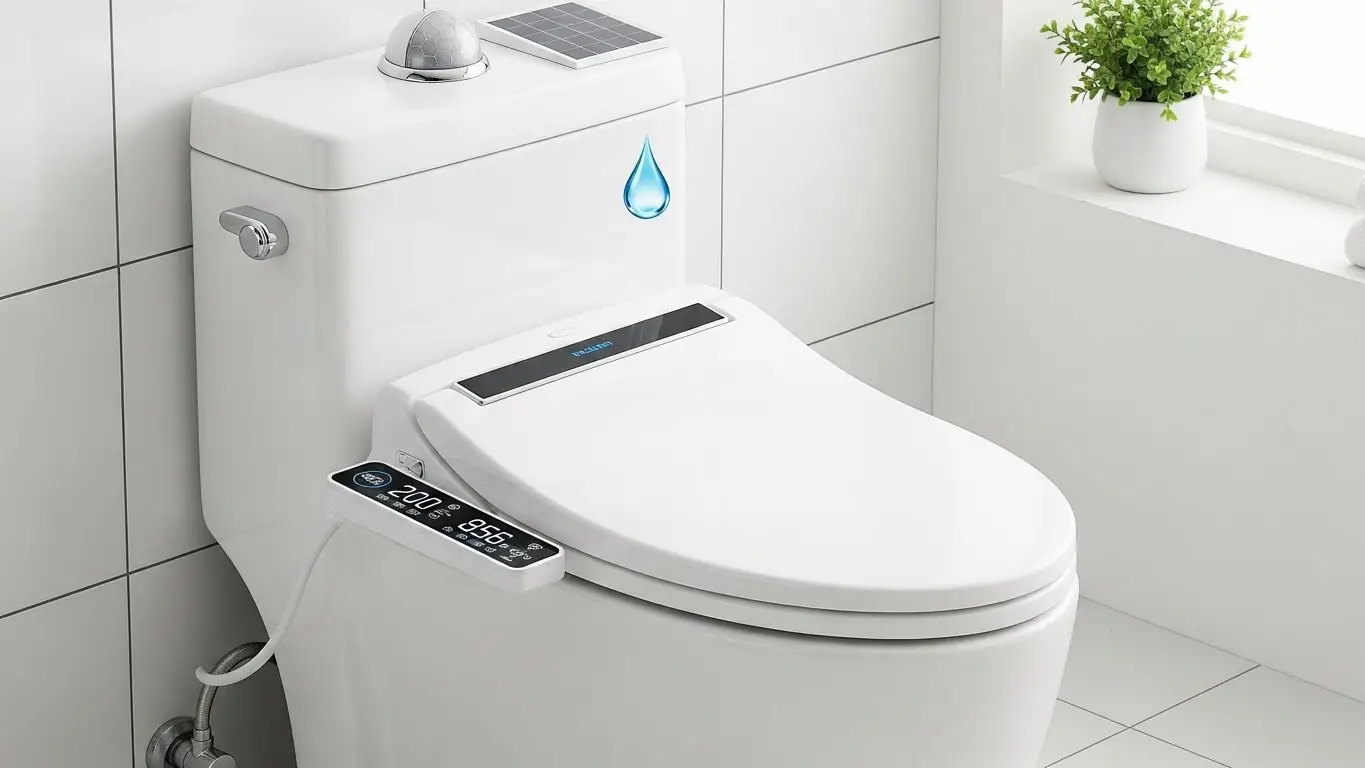
water-saving intelligent toilet devices
Intelligent Toilet Water-Saving Devices: Transforming the Modern-Day Sanitation
Everyone would agree that in the present day, we live in a world where sustainability is joined to smart technology, hence the rise of water-saving intelligent toilet devices that are becoming the staple of the innovative sanitation solution. The gadgets are designed to maximize water consumption and allow maximum hygiene, and are changing bathrooms in commercial spaces as well as industrial and residential spaces. No matter what you are seeking: smart water-efficient toilets at your hotel, smart water-saving toilet systems at your commercial building, or green-friendly sanitation solutions to your urban areas, these futuristic systems will provide unparalleled convenience and efficiency.
The intelligent toilet devices that focus on saving water are not merely toilets, but a blend of technology, sustainability, and user-centred design. Including digital water-saving toilets, sensor-activated toilets, and IoT-enabled toilet devices, the contemporary restrooms are turning smarter, greener, and more hygienic.
The Importance of Water-Saving Intelligent Toilet Devices
The average amount of water used in a single flush of traditional toilets is 3 to 6 gallons, and this accumulates very fast in the high traffic places. Smart water-saving toilet systems are tailored to cut down on the amount of water consumed by a significant margin without affecting performance. Such systems minimize the amount of water used during each flush to conserve water using low-water consumption toilets and automated flush control devices, and the level of hygiene is maintained.
Also, intelligent toilets aid in enhancing hygiene through the incorporation of touchless smart toilet units, sensor-controlled toilets, and intelligent toilet flushing. Such characteristics minimize the propagation of germs and bacteria, and hence, the water-efficient smart toilet units are the best to use in hotels, offices, and public restrooms.
As the sustainability concept gains momentum, the products are also used in green bathroom setups and eco-friendly toilet equipment, which can help companies and organizations to meet their objectives of conserving water and protecting the environment.
Major Characteristics of the Water-Saving Smart Toilet System
Touchless Function and Sensor-Activated
The majority of the current-day smart restroom technology is based on highly developed sensors to identify the presence of a user. The smart toilet units are touchless and enable the user to flush the toilet and perform other tasks without having to touch anything, and this is crucial in a crowded area.
Benefits:
- Minimizes germs and bacteria proliferation.
- Improves the customer experience in busy restrooms.
- Promotes automated water-saving toilet units to guarantee the highest levels of hygiene.
Smart Flushing Pipes
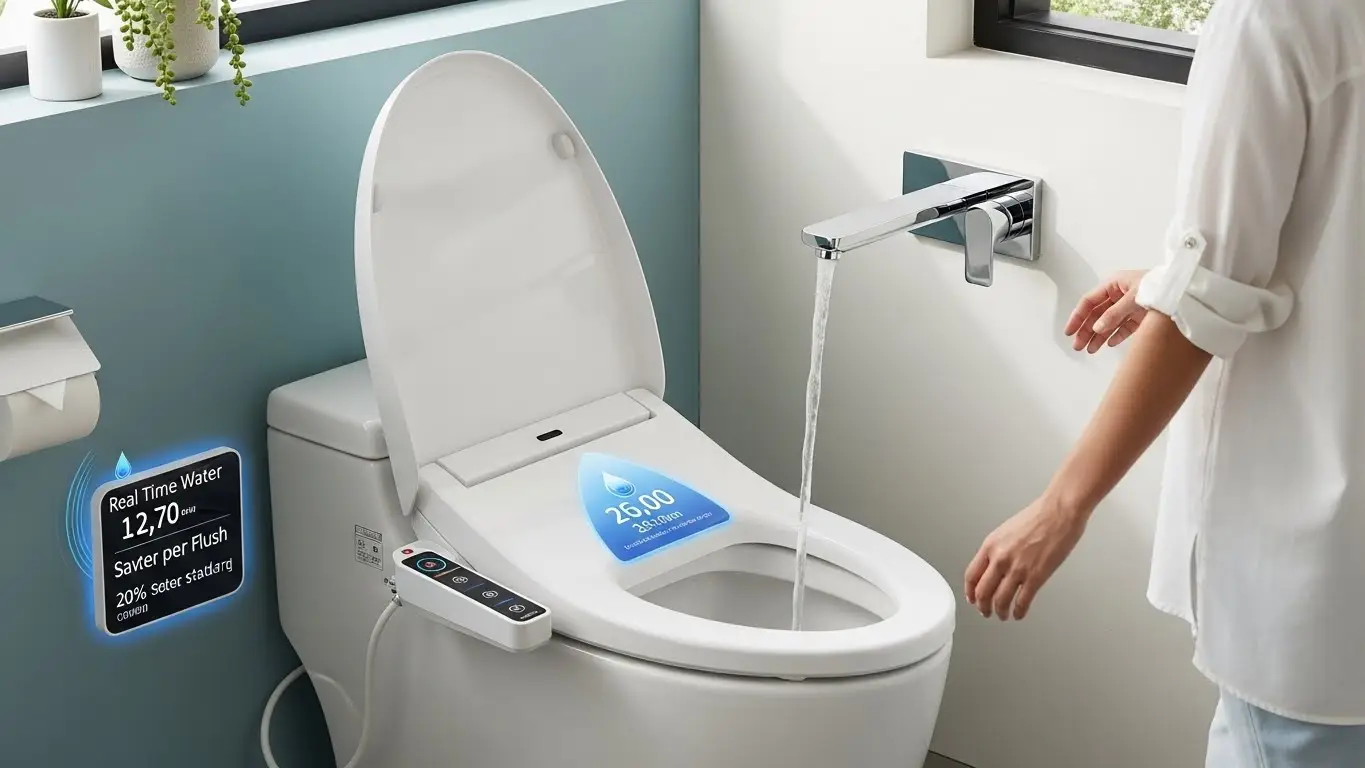
Smart toilet systems are based on intelligent flushing systems. These mechanisms also control the volume of water used based on the waste type by employing technology that consumes less water in the toilets without compromising performance. There are also dual-flush systems or adaptive flush controls on some of the units, which are able to save up to half the water.
The IoT-Enhanced Monitoring and Control
There are Internet of Things devices and smart water-saving toilet devices in modern devices. These systems can enable the monitoring of water usage, maintenance programs, and efficiency, almost at a distance. Facility managers will be able to get real-time notifications, maximize the utilization, and anticipate any problems before they overrun.
Applications:
- Hotel water-saving smart toilets are advantageous to hotels and resorts.
- Building smart toilet devices can be established in commercial buildings.
- Intelligent toilets in public restrooms are also available to monitor them.
Water-Efficient Design
Intelligent toilet designs are water-saving intelligent devices based on the principles of high water conservation:
- The consumption of low water use toilets decreases the total consumption.
- Vacuum flush systems enhance waste cleaning and use little water.
- Eco-friendly bathrooms use greywater to recycle it into secondary applications.
These characteristics are critical to the urban sustainable restroom devices, green toilet devices, and smart toilet systems.
Applications
Intelligent toilet systems that conserve water have numerous applications in various settings, and they entail efficiency, cleanliness, and sustainability.
Hotels and Resorts
Hotel smart toilets are starting to be more and more popular in luxury hotels and resorts as a way of providing their guests with a luxurious experience without compromising on sustainability and eco-friendliness. Visitors will have a chance to experience the luxury of high-tech water-saving toilets that have sensor-based flushing and automatic sanitation without increasing the water bill and environmental footprint.
Commercial Buildings
The Smart toilet device is applicable in office buildings and commercial spaces, and also in commercial buildings that have automated intelligent restroom systems. Such systems permit centralized supervision and control of several restrooms, which ensures uniform hygiene and conserves water in large-scale restrooms.
Public Restrooms
Populated spaces are in need of long-lasting and cleanable solutions. Public restroom intelligent toilets have automatic cleaning, touchless operation, and IoT smart toilet-solutions, which estimate usage patterns and water consumption. This increases sanitation, costs of maintenance are minimized, and user experience is improved.
Residential Complexes
In the case of high-end residential projects, water-efficient and eco-smart residential toilets are comfortable and efficient. These units provide sensor-powered toilet and waterless intelligent toilet systems and help residents save on water without compromising on comfort.
Urban Infrastructure
Planners in the city are resorting to water-conservative restroom facilities and city sustainable restroom units as a way of addressing the increasing sanitation demands. Smart systems enable effective control within parks, transit stations, and any other social area and enhance environmental safety and sustainability.
Technical Benefits of Smart Water-Saving Toilet Devices
The intelligent toilet devices in the modern market that save water include numerous technical innovations:
Flush Control Automated Devices
These smart flushing systems vary dynamically, and they consume less water and still offer optimum hygiene. They can be coded to work with high traffic zones to support numerous flushes.
Sensor-Activated Toilets
Depending on the sensor presence, sensor-activated toilets are automatic flushes that activate when the user is present. This will decrease wastage of water and make sure that the automated water-saving toilet systems work properly.
Touchless Smart Toilet Units
Smart toilet units are touchless, which means that the user does not have to touch high-contact surfaces, increasing hygiene and safety. Moreover, these units assist in promoting smart water management toilets and automated intelligent restroom systems to have full control of the operations.
Waterless Toilet Technology
It has advanced designs, such as vacuum-assisted flushing and dual-flush designs that maximize the use of water without reducing the level of cleanliness. The technology can be imperative in realizing sustainable sanitation technology objectives and the use of eco-friendly toilet devices.
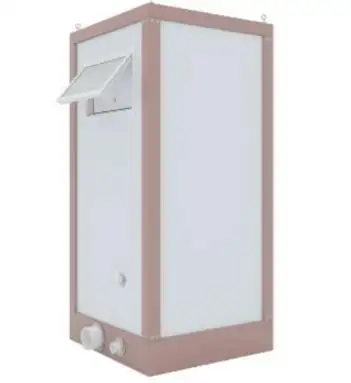
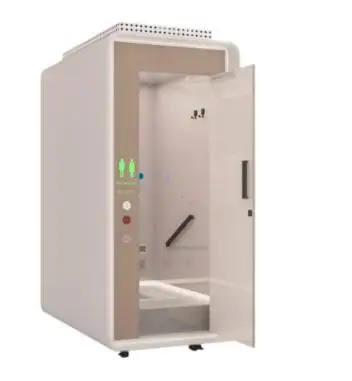
Self-Contained Mobile Toilet TBOX GS-W1
Self-Contained Mobile Toilet TBOX GS-W1 is an innovation of the water-saving smart toilet-based equipment. The solution is innovative in terms of integrating a small-sized form factor, sustainable operation, and modern technology to be used in a versatile manner.
Key Features
- Works without any external water and sewage connections with an inbuilt clean water tank and waste tank.
- Installs anywhere because of its self-contained nature.
- This has a washbasin, a mirror, and other convenient mechanisms.
- Operates a vacuum sewage system that has water-saving capabilities.
- Small and portable, and hence usable in urban activities, isolated areas, and construction works.
The TBOX GS-W1 is an example of the usefulness of smart toilets in practice. Its eco-friendly bathrooms and digital water-saving toilet systems guarantee that both its operators and its users have an optimized, hygienic, and sustainable experience. Get to know more about this model at Junhan.
Smart, efficient, and environmentally-responsible sanitation is the way ahead. IoT-toilet systems, Smart toilets, and automatic water-saving toilet systems are becoming the norm in residential, commercial, and consumer facilities.
With the Growth of Technology, We Shall Have:
- Additional smart toilets are connected to the cloud.
- Intelligent predictive maintenance.
- Greater use in both urban and remote settings.
- Increased capabilities of touchless, environmentally friendly, and water-saving processes.
- Intelligent toilet technologies that conserve water are no longer luxuries but tools needed to have sustainable, modern, and hygienic infrastructure.
Conclusion
The water-saving intelligent toilet devices that are water-saving are transforming how we handle sanitation. The combination of smart water-saving toilet technology, smart toilets with sensors, and intelligent toilet devices that are environmentally friendly, these solutions can improve hygiene, help in resource conservation, and make the process of managing restrooms more efficient in a very broad scope of implementation.
To get innovative water-conservation sanitation solutions, refer to Junhan Technology, your reliable and intelligent companion in smart restroom infrastructure.