

Updated 2 months ago
SBC 701 Compliant Smart Toilet Guide 2026: What It Really Means
contact
Eco-Friendly Modular Toilet
SBC 701 compliant smart toilet is more than a label—it signals that a product and its installation approach align with Saudi plumbing-code expectations for safety, hygiene, and long-term reliability. In 2026, this matters because buyers are no longer choosing "smart" features alone. They also need predictable inspections, stable water performance, and clear documentation for projects in homes, hotels, and public venues.
As Junhan Technology, we work on smart hygiene and multi-functional urban space products designed for real-world deployment, where compliance and uptime are as important as comfort. Our goal in this guide is simple: help buyers understand what SBC 701 compliance really means, what to check before purchase, and how to reduce project risk during installation.
What "SBC 701 Compliant" Covers (For a Smart Toilet)
SBC 701 = Saudi Plumbing Code. For a smart toilet/bidet toilet, compliance is mainly about:
1) The toilet fixture itself (materials + performance + marking)
The toilet (water closet) must be an approved plumbing fixture and meet the performance / construction / marking requirements that SBC 701 adopts through referenced standards.
A very common referenced fixture performance standard for water closets is:
ASME A112.19.2 / CSA B45.1 (Ceramic Plumbing Fixtures) — covers materials, construction, performance, testing, and markings for fixtures including water closets/urinals that discharge into gravity drainage systems.
2) Flush performance + flushing devices (if it uses a flush valve / tank system)
SBC 701 has a dedicated section for flushing devices for water closets and urinals (this matters if your "smart toilet" uses a flushometer/valve design, or special flushing device requirements).
3) Bidet / washing function requirements (smart-seat spray, integrated bidet, handheld spray)
SBC 701 includes a dedicated bidet section (and related fixture-fitting requirements). In practice, the bidet function triggers extra scrutiny around backflow/cross-connection protection (next item).
4) Potable water safety: backflow / cross-connection control (critical for smart toilets)
Smart toilets with washing nozzles (or any hose/spray) often require the potable water connection to be protected so contaminated water can't be siphoned back into the drinking-water system. SBC 701 includes a full section on Protection of Potable Water Supply.
The exact device/standard depends on the design (air gap, vacuum breaker, backflow preventer, etc.). Many plumbing codes rely on ASSE / ASME / CSA backflow-related standards for the relevant device categories; you'll see those families referenced in SBC-related plumbing materials and excerpts.
5) Faucets / fittings / connectors used by the toilet
If the product includes valves, fittings, flexible connectors, etc., a commonly cited requirement set is:
ASME A112.18.1 / CSA B125 (for faucets and fixture fittings)
If it supplies drinking water: NSF 61 (health effects for drinking-water system components)
(For smart toilets, this often shows up in the spec sheet as compliance for the inlet valve, shutoff, connectors, or integrated mixing controls.)
Why 2026 Buyers in the Arab Market Care More Than Ever
In the Arab region, restroom infrastructure is increasingly evaluated by uptime, cleanliness, and operating efficiency, not only by appearance. Public venues, tourist attractions, stadiums, and industrial parks often face peak traffic and demanding environments. That makes compliance and stable operation a direct business requirement.
At Junhan Technology, our Middle East strategy follows "localized R&D + global technology." We established an R&D center in Riyadh, Saudi Arabia, focused on optimization for Gulf climate conditions and regional deployment needs. This lets us design smarter solutions for local projects while applying IoT and AI technologies that scale from a single site to a city-level network.

Climate-Adaptable and Culturally Fitted Design Principles
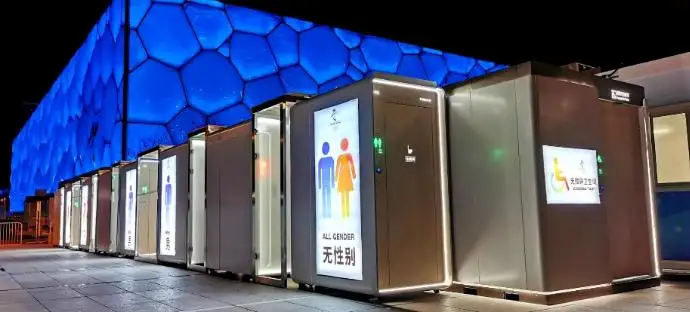
A key part of building an SBC 701 compliant smart toilet solution for the region is ensuring the unit and its materials can perform under local environmental stress. Junhan's modular mobile sanitation units are created with climate-fit performance and cultural usability at the core.
We follow three tenets in localizing our designs:
•Climate-adapted design: Heat- and sand-resistant materials plus an energy-efficient system enable steady operation in severe environments.
•Culturally attuned: Space planning and fixtures reflect local practices and privacy needs, driving adoption and long-term approval.
•Functional aesthetics: With prefabricated builds, we realize "one toilet, one view," helping each unit enhance contemporary streetscapes instead of being an afterthought.
These principles do not replace compliance—they support it. A compliant system that fails in heat, dust, or high traffic still becomes a problem. In 2026, buyers increasingly expect both: compliance and durability.
Core Products That Support Compliance-First Deployment
Junhan Technology provides full-chain smart public health solutions, designed for faster rollout and clearer management. In many projects, the "smart toilet" decision is also a decision about how quickly you can deploy and how well you can operate later.
Our key offerings include:
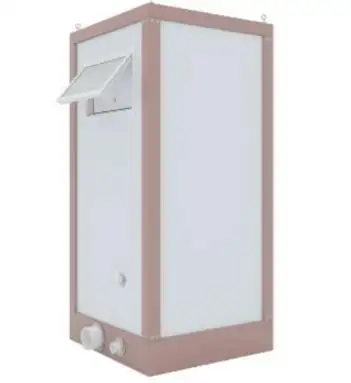
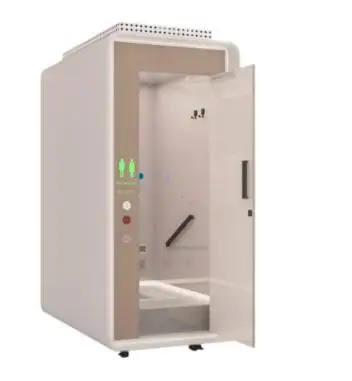
•Plug-And-Play Mobile Toilets: Rapid deployment with high efficiency and energy saving, suitable for urban public areas and large event venues.
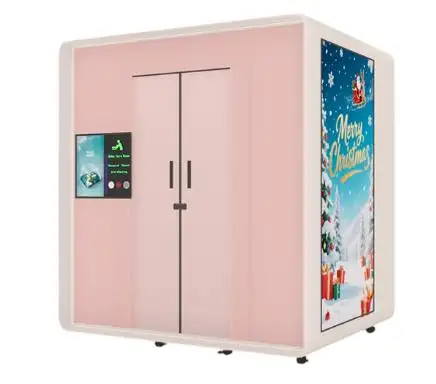
•Commercial Integrated Restroom Systems: A complete system approach with intelligent management functions to improve service quality in commercial and public spaces.
•Consumables And O&M Services: Long-term support that helps facilities stay stable and reduces operating cost through planned maintenance.
•Smart Public Toilet Management Platform: Digital monitoring that can include intelligent toilet management, environmental monitoring, automated cleaning, and energy-saving control.
For an SBC 701 compliant smart toilet project, this "system bundle" matters. Compliance is easier to sustain when operation is standardized, monitoring is visible, and maintenance is planned rather than reactive.
How IoT and AI Turn Toilets Into Managed Public Health Assets
Traditional toilets are maintained by schedules and manual checks. Smart public toilets can be managed by data and alerts, reducing guesswork and improving response speed. Junhan leverages IoT and AI to help customers move from isolated devices to connected networks.
In practice, digital management supports:
•Faster issue detection (odor, abnormal usage, environment changes)
•Automated or guided cleaning workflows
•Energy-saving control strategies for long operating hours
•Centralized oversight for multiple sites, which is especially valuable for municipalities and venue operators
This is also where compliance becomes easier to maintain. When performance and hygiene indicators are monitored continuously, it is simpler to prove consistent operation, manage service records, and reduce preventable failures.
Practical Next Steps and a Clear CTA for 2026 Projects
If you are evaluating a rollout in Saudi Arabia or the wider Gulf region, start with a simple process: define the site type, traffic pattern, climate exposure, and management capability. Then match the solution to the project's compliance and operating needs—not only to feature preferences.
Call-to-Action: If you are planning an SBC 701 compliant smart toilet deployment for a city project, stadium, tourist attraction, industrial park, or large public venue, contact Junhan Technology to request a project-oriented solution package. We can present an implementation roadmap that aligns modular systems, local expectations, and smart operations—helping you launch quickly and maintain steady performance on the ground.
In 2026, high-impact projects approach smart toilets as infrastructure: regulation-compliant, climate-ready, culturally appropriate, and digitally supervised for sustained public health value.