

Updated 6 days ago
2026 Modular Portable Toilet Design : Custom Layouts, Styles, Energy-saving and Green
contact
Modular Portable Toilet Design
Modular Portable Toilet Design is no longer a “temporary fix” in 2026. It has become a practical, scalable way to deliver clean sanitation where people actually need it—without long construction cycles, noisy on-site work, or the high maintenance burden that often follows traditional public restroom builds.
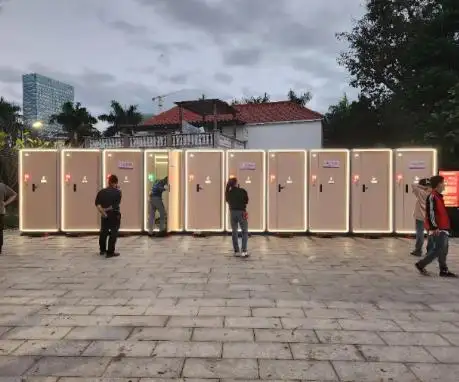
Why Cities Are Shifting to Modular Portable Toilet Design in 2026
Urban projects are being judged by two standards at the same time: speed and experience. Citizens want restrooms that feel safe, fresh, and easy to use. City teams and venue operators, however, have to deliver that experience under tight timelines and limited staffing. That mismatch is exactly why Modular Portable Toilet Design is gaining adoption in parks, transport centers, tourist areas, construction zones, and temporary events.
Instead of building from the ground up, modular units arrive as finished cabins or integrated modules. That changes the project logic. You reduce on-site variables, shorten the delivery chain, and make outcomes more consistent across locations. In many cases, a modular restroom is easier to budget, easier to standardize, and easier to replicate—especially when a city wants the same look and service level in multiple districts.
At Junhan Technology, we treat modular restrooms as “service infrastructure,” not single products. A good Modular Portable Toilet Design is built around repeatable performance: stable structure, reliable waterproofing, user comfort, and daily cleaning efficiency. When usage is heavy, small details matter—airflow paths, touch-free fixtures, and a layout that avoids bottlenecks. Those design decisions do not just improve user satisfaction. They also protect operating teams from constant complaint handling and emergency maintenance calls.
Custom Layouts That Fit Real Sites and Real Users
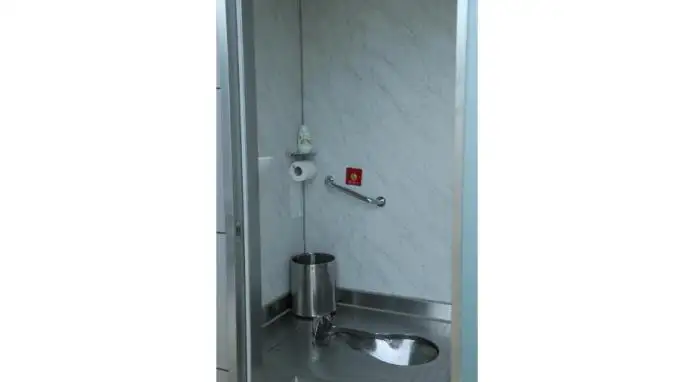
The most common reason public restrooms fail is not technology. It is mismatch. A unit that works for a park entrance may fail in a busy transport hub because traffic patterns are different. That is why layout comes first. Modular Portable Toilet Design works best when the cabin is planned around movement, queue behavior, and cleaning routines.
A scenic destination may require a calmer, more comfortable interior experience. A construction site may need faster turnaround, stronger surfaces, and fewer fragile parts. The smart approach is to design around the environment rather than forcing one “standard cabin” into every scenario.
Junhan Technology supports practical customization that helps clients control flow, reduce congestion, and keep hygiene results stable:
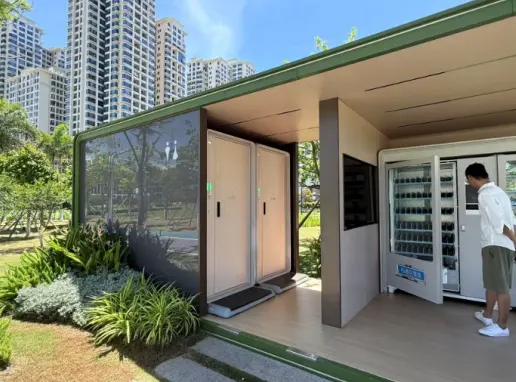
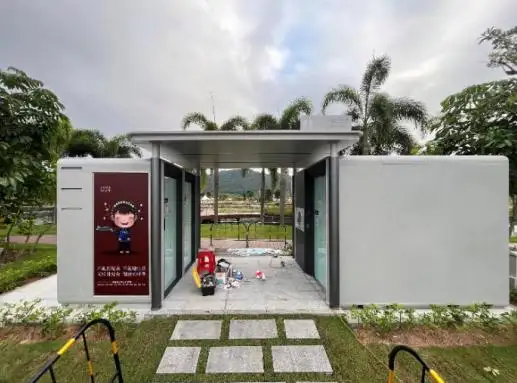
• Size & Layout Options: single cabins, multi-cabin sets, or integrated modules for higher capacity demand
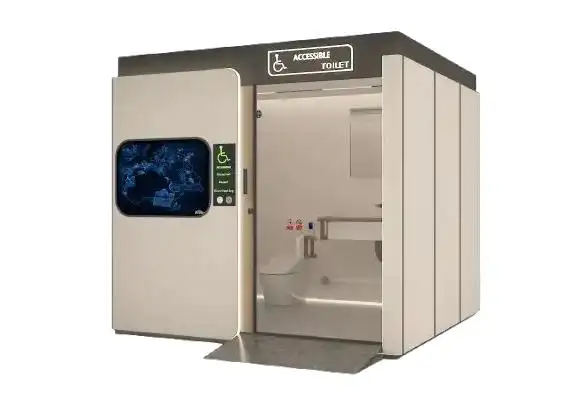
• Add-On Service Modules: nursing rooms, accessible facilities, and emergency support points for people-centered service
• Functional Zoning: storage for supplies, a small staff corner, or a cleaning tool area to simplify daily operations
These choices turn “customization” into operational value. When the layout reduces bottlenecks, people move faster, the restroom feels less stressful at peak times, and cleaning teams can maintain standards without fighting constant overflow.
Style and Exterior Design That Works With the Environment
Public restrooms are part of public space identity. In 2026, cities and venues increasingly ask for restrooms that look deliberate—matching the design language of a district, a park theme, or a tourism brand. A well-executed Modular Portable Toilet Design should not look like a temporary container. It should look like an intentional piece of urban furniture.
Exterior design is also about durability. Units placed in high-traffic areas are exposed to weather, dust, frequent cleaning, and sometimes vandalism. The finish has to withstand daily reality while staying visually clean over time.
We provide exterior customization that supports both aesthetics and long-term resilience:
• Material, Coating, And Color: finishes selected for outdoor exposure and frequent maintenance routines
• Local Style Matching: design options that better align with regional preferences and site identity
• Anti-Vandal Protection: structures designed for dependable long-term use in public environments
For clients operating under special regulatory or cultural requirements—such as in parts of the Middle East—we also support documentation, certification assistance, and layout adjustments. The goal is to help projects move forward with fewer redesign cycles and fewer approval delays.
Smart Functions That Make Daily Operations Easier
Technology should reduce workload, not add complexity. The real advantage of Modular Portable Toilet Design in 2026 is that it can connect to IoT systems to support real-time monitoring, remote control, and more intelligent maintenance planning.
For a city managing multiple sites, the biggest problem is often visibility. Operators cannot be everywhere. With connected systems, teams can track usage conditions, identify issues earlier, and plan cleaning based on reality—not only on fixed schedules.
This is not “smart features for show.” It is a way to reduce wasted trips, shorten response time, and keep user experience consistent across different locations. When a restroom stays stable and predictable, complaints drop—and so does operational stress.
Practical smart features that support comfort and lower daily workload include:
• Touch-Free Access And Fixtures: fewer contact points, better hygiene confidence, easier upkeep
• Ventilation And Airflow Design: more stable odor control under high-frequency usage
• Auto Deodorization Logic: supports a fresher interior experience during peak traffic
When these systems work together, the restroom feels cleaner to users, even before cleaning happens. That “perception of cleanliness” is not a marketing trick. It is one of the strongest drivers of public acceptance and repeat usage.
Energy-Saving and Green Design That Supports Low-Carbon Goals
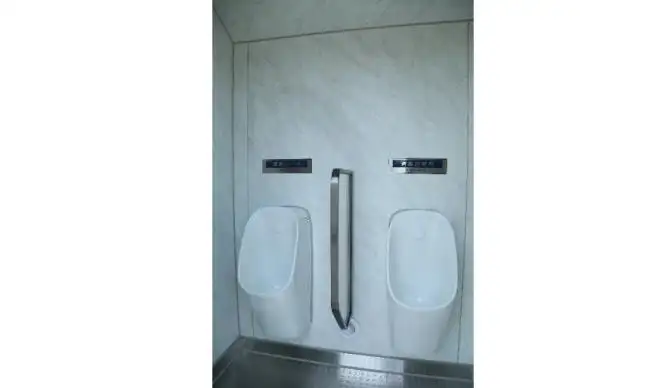
Sustainability targets are becoming standard in public procurement. A modern Modular Portable Toilet Design should reduce resource waste while staying reliable in day-to-day operation. Junhan Technology integrates energy-saving logic so lighting and water use respond to demand rather than running at full output all day.
That approach benefits both climate goals and operating budgets. When resource use is linked to actual occupancy, consumption becomes more predictable and easier to manage across multiple sites.
We also support renewable power and off-grid readiness where extending utilities is costly or slow:
• Solar / Grid / Hybrid Power Choices: flexible, site-driven energy strategies
• Water-Conserving Systems: cut consumption while maintaining user comfort
• Recycling-Ready Configurations: options for locations with limited or changing access to utilities
For remote sites, seasonal facilities, or fast-growing districts, off-grid solutions reduce reliance on fixed connections. That flexibility can be the difference between “planned but delayed” and “installed and serving users now.”
Fast Setup, Easy Relocation, and a Clear Next Step
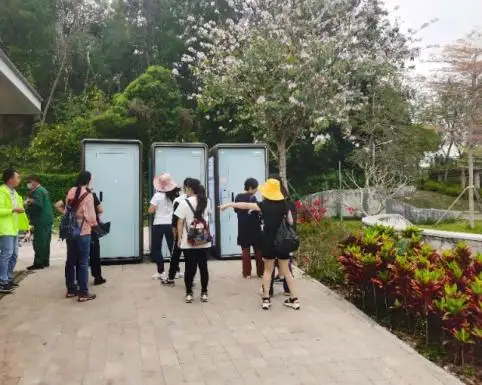
Speed remains one of the strongest reasons cities choose modular. Depending on the model, many units can be installed within 1–2 days, with minimal site preparation. That makes it easier to respond to temporary demand spikes, tourism seasons, event schedules, or infrastructure gaps while larger construction projects are still in progress.
Relocation is another strategic benefit. Urban traffic changes. Construction phases end. Event venues move. With Modular Portable Toilet Design, the unit does not have to become a stranded asset. It can be relocated, redeployed, or expanded in phases—so investment follows real demand rather than static forecasts.
CTA: If you are planning a park upgrade, a transport hub improvement, a tourism site expansion, or a temporary sanitation rollout, Junhan Technology can help you define the right Modular Portable Toilet Design—from layout planning and exterior styling to energy strategy and compliance support. Share your site type, estimated daily users, and whether you need off-grid power. We will recommend a configuration and provide a clear delivery and installation plan that fits your timeline.