

Updated 2 months ago
Modular and Convenient Sanitation Facilities
sidrahafeez
modular and convenient sanitation facilities
Portable and Convenient Bathrooms: The Hygienic Future
In a busy modern-day society, there is no greater need to have portable and easy-to-use sanitation amenities than now. It can be a public area, a business, or a construction site, an event, but in any case, modern sanitation solutions are supposed to not only be efficient and hygienic but also flexible, sustainable, and technologically advanced. Cities, businesses, and communities can now have access to smart, environmentally friendly, and scalable sanitation solutions that can satisfy a wide range of requirements without reducing on quality or design with the modular and convenient sanitation facilities.
Modular and Convenient Sanitation Facilities: What are These?
Modular sanitation facilities are pre-engineered and ready to install, and they are designed to offer high-quality hygiene solutions, but the time taken to install them is minimal. These systems are prefabricated, frequently containerized or transportable, and can be deployed rapidly in an urban environment, remote, or emergency environment. By definition, they are space-efficient, scalable, and can be easily maintained, and are appropriate in varied applications.
The present-day modular hygienic units extend beyond the traditional toilets. They apply intelligent technologies, greener materials, and automation to provide intelligent, user-friendly sanitation experiences. This could be either a portable toilet system to be deployed on a building site or an easily transportable shower system to be used in a city park, but these systems are flexible and convenient without sacrificing safety and hygiene.
Characteristics of the Modern Modular Sanitation Facilities
The transition to easy and convenient sanitation solutions is predetermined by the necessity of efficiency, comfort, and sustainability. The facilities today are fitted with efficient features that cater to functional and environmental issues.
Durable Construction
Contemporary modular sanitation devices are made of superior materials that include aluminum panels, stone slab floors, and tempered laminated glass. These elements make them very durable and resistant to weathering as well as easily maintainable, which is why they are used both indoors and outdoors.
Smart and Automated Systems
Hygiene management is changing with the introduction of smart sanitation. Features include:
- Touchless operation sensor units.
- Water flow and flushing hygiene facilities are automated.
- Real-time sanitation monitoring based on IoTs.
- Access-controlled and emergency notification sanitation facilities were obtained digitally.
This can be achieved through smart sanitation systems that ensure good use of resources as well as low operational expenses and overall user experience.
Green and Environmentally Conscious Solutions
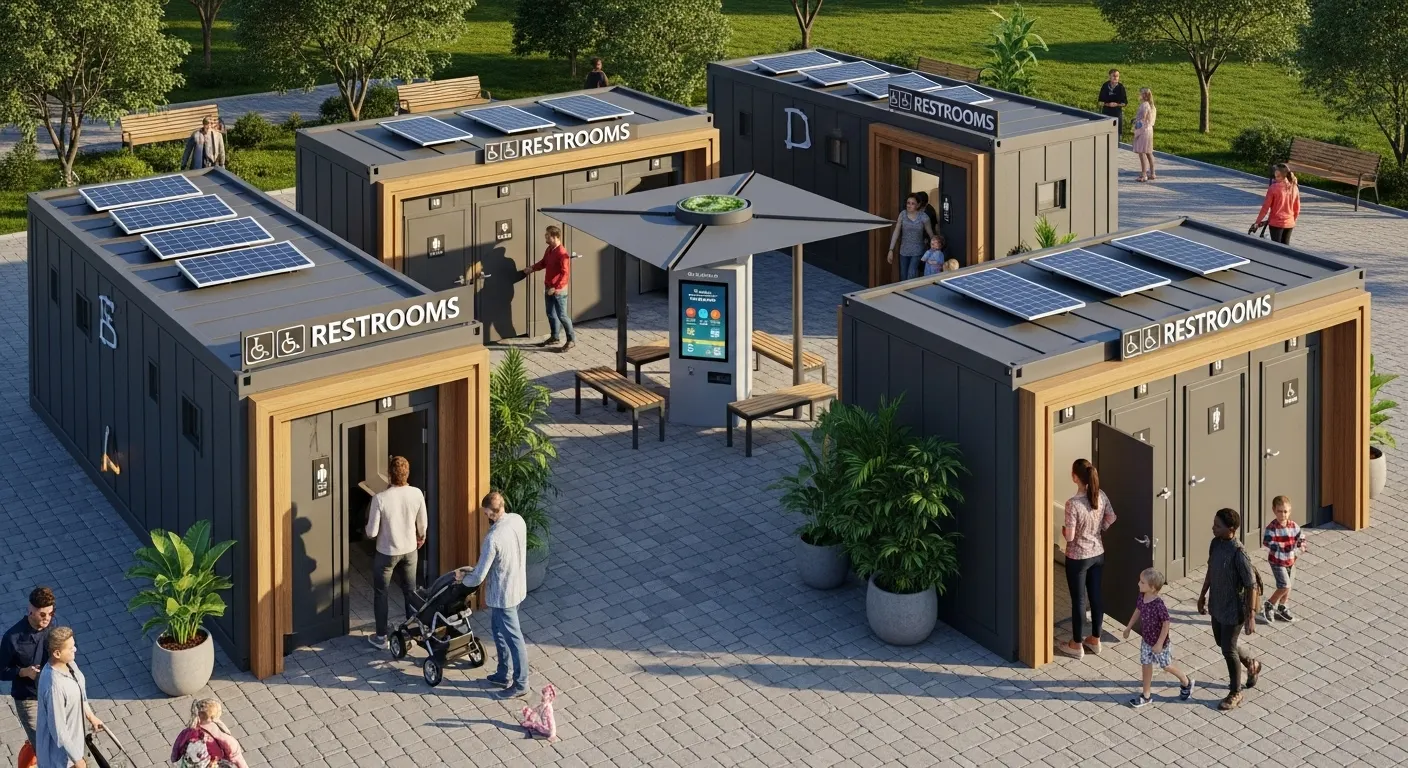
Modern sanitation revolves around sustainability. The reduction of environmental impact is through water-efficient hygiene systems, low-water sanitation facilities, and energy-efficient sanitation infrastructure. A significant number of modular units are also optional solar-powered and sewage treatment units, making them off-grid and still meeting the hygienic requirements.
Flexibility and Scalability
Modular sanitation infrastructure is flexible, and this is one of the most appealing features of a modular system. Depending on the requirements on site, units can be customized, scaled, or moved. This makes them ideal for:
- Sanitation systems at construction sites.
- Infrastructure development projects on urban sanitation.
- Sanitation facilities in case of disaster.
- Pop-up event/festival installations.
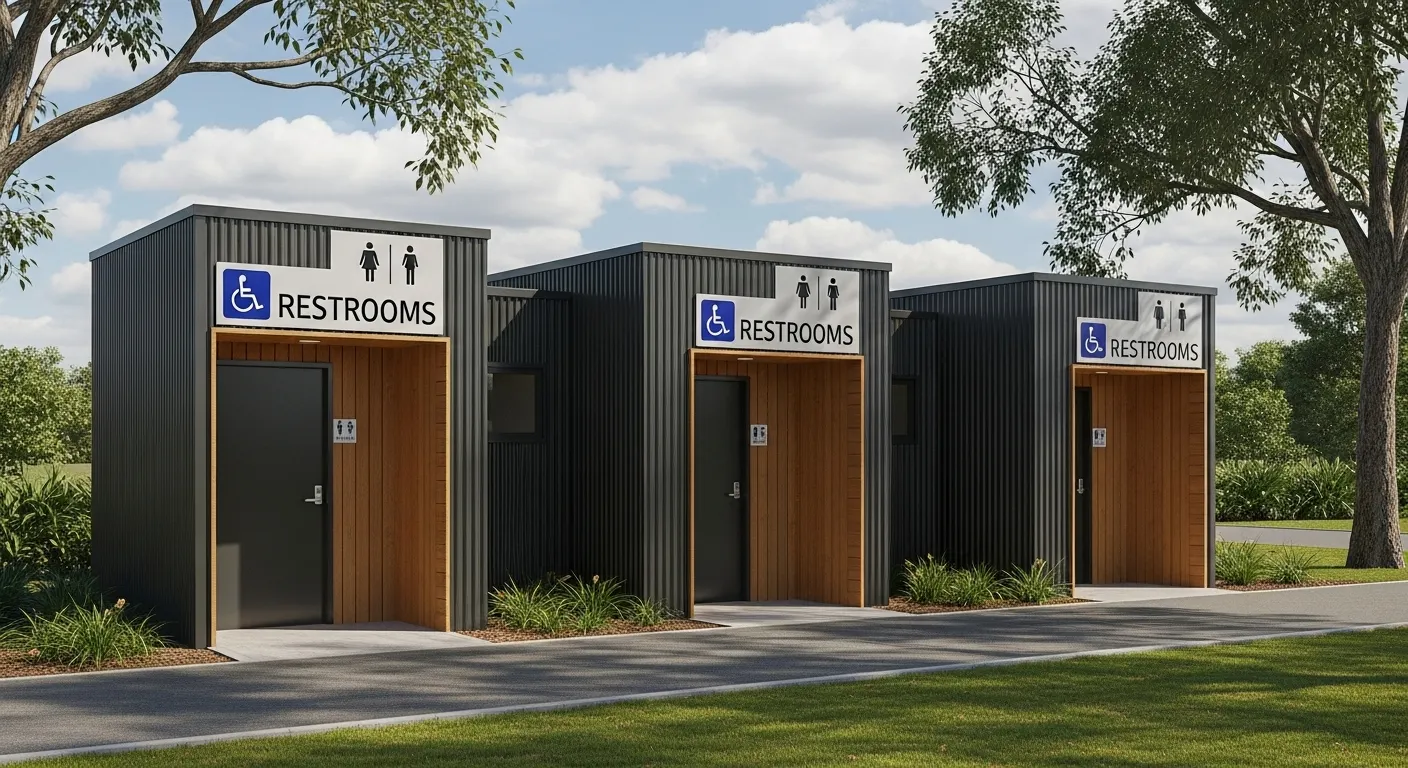
Modular Sanitation Facilities Applications
Modular and convenient sanitation structures can be used for a diverse variety of commercial, public, and industrial purposes.
Public Sewerage System
In urban centers, there are ready-to-fit sanitation units that are easy to use and consume less space. They are hygienic public sanitation systems that do not need permanent buildings, hence they suit parks, streets, and transportation centers.
Commercial and Industrial Usage
Companies and factory locations usually require massive sanitation implementation to serve workers and guests. Industrial-grade sanitation and commercial hygiene facility solutions provided by suppliers such as Junhan Technology are durable, have designs that comply with certain standards, and have modules that can be adjusted according to specific needs.
Emergency and Disaster Relief
Sanitation facilities are very important in times of natural calamities or humanitarian disasters. Ready-made and mobile units can be quickly deployed, which is important to provide hygienic conditions and reduce the possibility of infectious diseases in the affected populations.
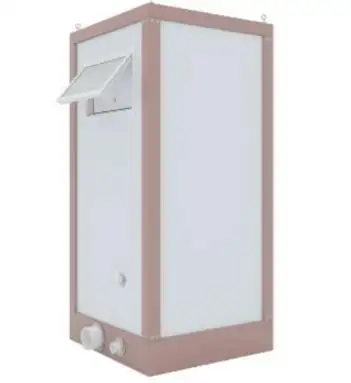
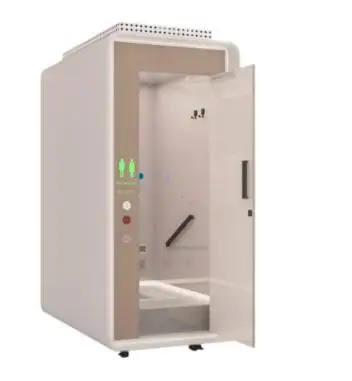
Indoor Modular Single Toilet - TBOX GI-W1
One of the brightest examples of convenience as a module and innovation is the Indoor Modular Single Toilet -TBOX GI-W1 that is a component of the D Series Smart Mobile Restroom.
Key Features:
Strong and Environmentally Friendly: Built to suit area and event bathrooms with long-lasting materials such as stone slab flooring, aluminum exterior panels, and tempered laminated glass.
Smart and Functional: It will also have intelligent toilet systems, ceramic wash basins, ventilation, soft lighting, intelligent access control, and an emergency call.
Modular, Versatile: Can be used in a range of applications, and can be customized with optional solar power and sewage treatment.
The TBOX GI-W1 smart mobile restroom is an innovative modular sanitation solution that is intended to learn more about.
Advantages of Modular and Convenient Sanitation Facilities
Implementation of modular infrastructure sanitation offers numerous advantages to the providers and the consumers.
Cost-Effectiveness
Ready-to-use and plug-and-play units cut down on the costs of constructing and the labour force. The infrastructure is scalable and can be expanded gradually without necessarily having to construct it permanently.
Speed and Convenience
The fast-assembly applications make sure that it has ready-to-use sanitation units that are ready in the shortest time possible. Deployment is cost-effective and painless, whether it is a one-time event or a permanent urban endeavor.
User-Centric Design
Contemporary prefabricated toilets are comfortable, safe, and easily accessible. The touchless system, soft lighting, and hygienic materials will give a user an enjoyable experience and ensure high hygiene standards are met.
Sustainability
The designs that are eco-friendly have built-in water-saving sanitation systems, energy-efficient lights, and low use of resources, which are in line with the sustainability policies of the world.
Flexibility
The customizable modules enable the clients to choose features that suit their needs. They can move units and expand them when needed, making them adaptable to changes like construction sites, events, and urban development.
Technical Requirements in Modular Sanitation Facilities
In selecting a modular sanitation system, it is important to take into account:
Quality of the Materials: Aluminum panels, tempered glass, and stone flooring are to be strong and need minimum maintenance.
Waste Management: Non-obligatory sewage treatment and water-efficient establishment of sustainable functioning.
Energy Source: Solar power alternatives are used off-grid.
Technology Implementation: IoT-based monitoring, automatic flushing, contactless, and access control.
Compliance: Structures that are to be built to comply with the public health and safety regulations.
Adventures Ahead in Modular Sanitation
The future of sanitation in the form of modular alternatives is a shift towards smart, connected, and sustainable solutions. Emerging trends include:
- Sanitary-based predictive maintenance, IoT-based sanitation, and monitoring.
- Sustainable operation in terms of energy and water consumption.
- Flexible layouts of urban adaptability, Modular designs.
- Combining the data about the population health to streamline hygiene management.
- High-level automation of complete touchless restrooms.
These innovations are indicative of the growing need to have smarter sanitation systems that are efficient, scalable, and environmentally conscious.
Conclusion
The reason behind having a smaller and convenient sanitation structure, which is no longer an option to the classical restrooms, is now a necessity in the modern urban, commercial, and industrial setting.
Portable and drop-in sanitation modules to smart mobile restrooms, such as TBOX GI-W1, are a combination of innovativeness, comfort, and practicality. Firms such as Junhan Technology are setting the pace in setting up environmentally friendly, hi-tech, and user-oriented sanitation solutions in a wide variety of applications.