

Updated 2 months ago
Mobile Sanitation Units | Professional Guide to Self-Contained Smart Toilets
contact
Mobile Sanitation Units
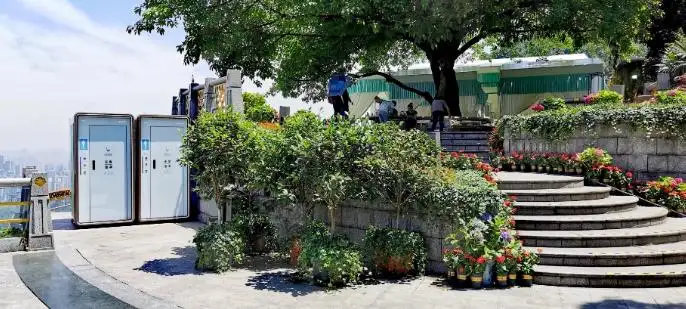
Mobile Sanitation Units make hygiene mobile and dependable. With integrated fresh-water supply and waste storage, vacuum-assisted plumbing, intelligent automation, and optional PV, they arrive ready to serve at festivals, construction projects, remote operations, and emergency relief sites. The value proposition is speed, durability, and low resource consumption, all wrapped in a user experience that protects privacy, comfort, and accessibility while keeping environmental impact in check.
Introduction and Context
In busy city districts, pop-up worksites, music festivals, and hard-to-reach communities, the longest line is often for the simplest need: a clean, safe restroom. Mobile Sanitation Units meet that need head-on. Unlike entry-level portable toilets, these units are enclosed and ventilated, lit with quality, glare-avoiding illumination, and equipped with intuitive interfaces that simplify use and service. For municipalities, site managers, and relief organizations, MSUs provide a flexible, code-aware option wherever permanent infrastructure is thin or unreliable, maintaining hygiene standards under changing conditions and timelines.
System Typologies
To match diverse conditions, the category spans several configurations:
• Autonomous MSUs with integral water and wastewater tanks enabling independent service anywhere.
• Semi-connected options that accept provisional water or power feeds and sewer tie-ins when available.
• Hybrid designs with compact processing modules to improve sustainability and meet stringent limits.
• Modular pod clusters and multi-cubicle arrays that scale throughput for crowd-intensive venues.
- Design Principles in Practice
These units prioritize quick commissioning and low water-and-energy demand.
• Plug-and-play siting avoids trenching and accelerates go-live.
• Vacuum-flush systems plus low-flow fixtures drive down water per visit without performance loss.
• Low-draw ventilation and soft LED lighting maintain comfort with minimal energy.
• Surfaces and structures are selected for durability, easy sanitation, and weather-hardiness.
Just as critical, a dignity-centered approach - intuitive interfaces, genuine privacy, and inclusive access - keeps users comfortable and simplifies operator checks and maintenance.

What's Inside a Self-Contained Toilet
A robust frame sets hygiene expectations and protects lifespan.
• Abrasion-tough floors (sintered stone as an example) handle crowds and harsh cleaning cycles.
• Exterior aluminum with fluorocarbon coating stands up to UV and corrosion; compact laminate interiors resist knocks and clean easily.
• Where glazing is included, laminated tempered double panes improve safety, sound, and thermal comfort.
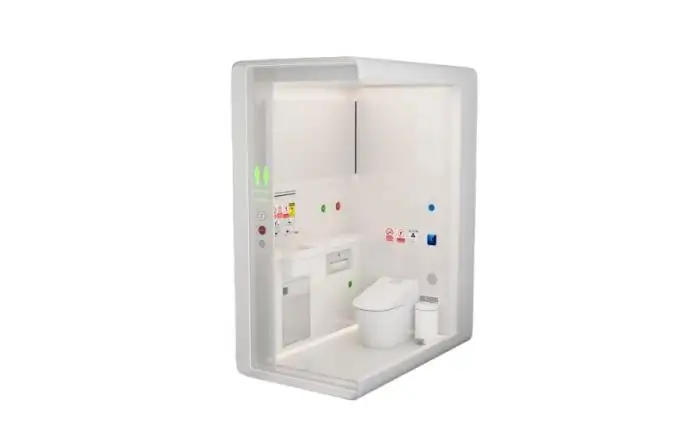
• Roofs can be standard or fitted with PV to support Mobile Sanitation Units' lighting, fans, and controls.
Vacuum-based plumbing keeps water use low and conveyance reliable.
• Integrated clean and waste tanks are built for quick swap to reduce downtime.
• Choose vacuum extraction or direct discharge, adding compact treatment modules when tighter effluent limits apply.
• A ceramic washbasin and mirror complete the hygiene program, while low-level fresh air circulation manages odor and humidity to keep indoor air consistently acceptable.
Controls and Energy Management
Smart controls tie the components together and make the unit intuitive.
• Occupied/free signals reduce queuing friction; a dedicated emergency button improves user safety.
• Glare-minimizing LEDs keep the field of view clear and limit fatigue, while an integrated speaker delivers voice guidance, accessibility audio, and messages in several languages.
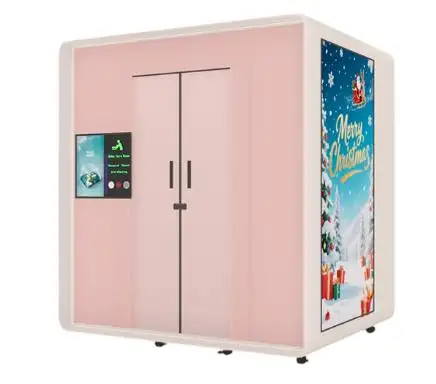
• Exterior screens can host public service information, sponsorships, or monetized content.
• With PV-equipped roofs, a tuned energy budget matches solar output to operational loads for steady lighting, ventilation, and control electronics across seasons and usage cycles.
As a result, Mobile Sanitation Units suit a wide range of sites - from summer fairs to winter construction corridors.
Performance metrics and evaluation
Water per visit and cumulative savings attributable to vacuum-flush performance.
• Energy by subsystem, noting PV input and battery/storage status.
• Material robustness and lifecycle footprint, with service intervals factored into emissions.
• Ventilation rates, odor mitigation performance, and per-cycle cleaning time.
• User throughput and tank change-out cadence at peak demand.
- Materials and construction considerations
• Floors should withstand abrasion and seal out moisture; exterior cladding must resist corrosion and hold thermal stability under temperature swings and UV.
• Interiors need smooth, seamless finishes that minimize microbial harborage and clean quickly.
• Glazing should be tempered and laminated to improve safety and deter vandalism.
Attentive detailing - from sealant selection to edge protection - helps Mobile Sanitation Units endure real-world use while remaining straightforward to clean.
User Experience and Accessibility
User experience determines whether people will use and trust the facility.
• Entrances should feel secure and intuitive, with clear signage and responsive status indicators.
• Align control heights, turning radii, and grab bar locations with recognized accessibility requirements and universal design.
• Provide audio guidance to help newcomers, support visually impaired users, and relay cleaning timelines and safety alerts.
• Emphasize lighting quality: low-glare, well-distributed LEDs limit eye strain and disorientation.
Thoughtful layout, acoustic control, and straightforward emergency features strengthen privacy and a sense of safety - subtle upgrades that bring users back.
Deployment, Operations, and Maintenance
Consistent outcomes come from careful planning and standardized routines.
- Select sites offering firm, level placement, clear door/service swing, and uncomplicated tanker logistics.
- Place units on level ground with sufficient clearance for doors and service access, plus a clear, efficient route for tanker service.
- Startup and Care
- Commission all systems - water and waste lines, lighting, ventilation, and controls - before the first user session.
- Schedule servicing based on usage forecasts and live data from tanks, pumps, and sensors.
- Apply uniform cleaning procedures with approved agents and checklist verification for consistency.
- Remote monitoring detects anomalies early and improves dispatch efficiency, while seasonal measures - insulation, line heat tracing, and auxiliary cooling - keep Mobile Sanitation Units stable in harsh conditions.
Regulatory Compliance and Standards
• Health/sanitation permits for waste handling, transport, and discharge pathways.
• Electrical codes governing wiring, grounding, and PV system safety.
• Structural and fire safety guidance tailored to temporary or mobile units.
• Accessibility requirements to ensure equal access in public settings.
• Data privacy and security controls for smart features and telemetry logging.
With rules differing across cities, states, and countries, operators must ensure alignment with relevant standards and reflect them in MSU setup - labeling, emergency signage, and documentation included.
- Economic Analysis
A strong business case blends tight operational costs with strategic revenue levers. CapEx typically includes unit acquisition, optional PV, transport logistics, cranage, and commissioning. Vacuum systems reduce water use, cutting utility bills and extending service intervals. Advertising-enabled screens open sponsorship and community messaging income streams. Total Cost of Ownership
Use a TCO model grounded in real-world utilization, measured downtime, and service efficiency to forecast payback and steer capital planning for Mobile Sanitation Unit fleets.
- Risk Management
Robust risk controls keep MSUs reliable:
• Controlled odors and pathogen reduction through validated airflow and surface disinfection routines.
• Overflow, blockages, and pump failures managed by alerting, component redundancy, and documented SOPs.
• Physical security strengthened with anti-tamper fittings, durable locks, and impact-resistant glazing.
• Emergency response plans with thorough incident capture and post-incident analysis.
• Climate resilience strategies for high winds, heavy precipitation, extreme heat, and freeze events.
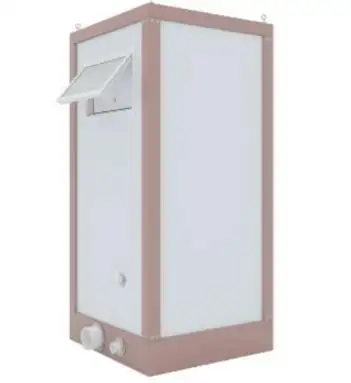
Case Example: Self-Contained Mobile Toilet (G1 Toilet)
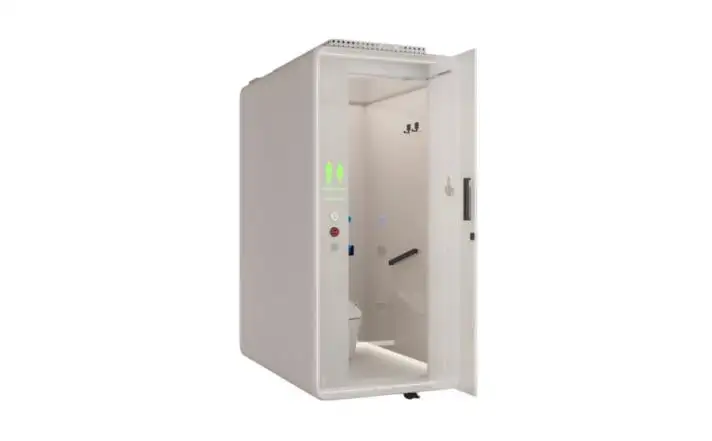
G1 demonstrates compact, self-contained performance that balances autonomy with comfort.
• Integrated clean-water and waste tanks allow placement without external networks.
• Vacuum sewage significantly reduces water per flush, while dimensions of roughly 1.72 m length, 1.11 m width, and 2.33 m height simplify siting on tight urban parcels or event grounds.
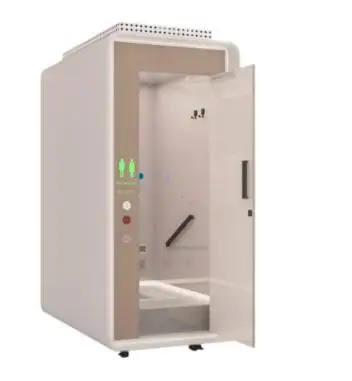
• Features comprise a smart WC, ceramic sink, mirror, and fresh air delivery at low level.
• Gentle, anti-glare illumination enhances visibility; an indicator shows occupied/vacant and includes an emergency call function; integrated speaker provides audio guidance.
An external ad display supports public notices or sponsorship; optional rooftop photovoltaic modules supplement the electrical system. At approximately 1,000 kg, the unit balances transportability with structural stability.
Materials are selected for resilience and hygiene:
• sintered stone floors for durability and easy cleaning;
• fluorocarbon-painted aluminum exterior panels for corrosion resistance;
• compact laminate interior wall and ceiling panels for impact resilience;
• Double-layer laminated tempered glass where glazing is specified.
• Operators can choose vacuum suction or direct discharge and add compact treatment equipment to meet regulatory requirements or sustainability targets.
- Future Directions and Innovations
MSUs are advancing with deeper sensing and smarter resource recovery loops. IoT telematics enable predictive maintenance, user flow analytics, and remote diagnostics, cutting downtime and improving route efficiency. Groups of units can operate as networked hygiene hubs for stadiums, transit nodes, and festivals. Onsite technologies - graywater polishing and nutrient recovery - strengthen sustainability. New composites and protective coatings aim to reduce mass and embodied carbon while prolonging service life. Inclusive design continues to expand through clearer wayfinding, assistive audio, and ergonomics that fit diverse needs.
Final Words
Mobile Sanitation Units occupy a vital niche in resilient infrastructure, delivering fast, sustainable restroom access wherever required. Self-contained configurations streamline setup, lower water and energy use, and honor user dignity. With advances in materials, controls, and treatment, MSUs will deliver greater efficiency and wider access. The G1 example shows how integrated tanks, vacuum plumbing, tough finishes, and smart interfaces produce dependable performance in a compact, mobile format - confirming that portable sanitation can be both effective and genuinely user-centered.