

intelligent public toilet system
Intelligent public toilet system are also required, and conventional ones are often not clean, effective, and convenient. This situation is being transformed by the smart public toilet that uses smart toilet technology, IoT-enabled restroom systems, and sensor-sensitive toilet units to come up with modern, hygienic, and user-friendly products.
These systems are automated public toilets with real-time monitoring and modular designs to offer an efficient and sustainable solution to the delivery of public sanitation. Cities are redefining the notion of public hygiene, wherein innovation is the vanguard, be it in the self-cleaning of the public toilets and the digital control of the public toilets.
What is the Smartness of an intelligent Public Toilet System?
An intelligent public toilet system is founded on the fact that it will monitor, control, and maintain hygiene at an automatic level. Key components include:
- Toilet occupancy and maintenance notifications: toilet monitoring using IoT.
- Hygienic tools such as automatic soap dispensers, sensor-controlled hand dryers, and touchless faucets.
- Automated cleaning schedules that can guarantee high hygienic standards without the presence of a human being.
- Electronic bathroom surveillance systems that check traffic and maintenance needs.
They are not only efficient, but are also user-friendly with comfortable, convenient, environmentally friendly toilets for the people.
The benefits of Smart Public Restrooms
The connected public toilet system has numerous benefits to the municipalities, businesses, and also the citizens:
Enhanced Hygiene and Safety
The restroom systems are AI-based and enable real-time sanitation control. These features as sensor-based toilet units and self-cleaning toilets, reduce the possibility of contamination and offer a safe environment.
Efficiency in Resource Management
Intelligent toilets with IoT can be used by facilities to monitor water consumption, electricity consumption, and service intervals to minimize operational costs and conserve resources.
Improved User Experience
Modern facilities include touchless toilets, real-time occupancy, and convenience (shared charging points, smart garbage bins, facial recognition tissue dispensers, etc.).
Scalability and Modular Design
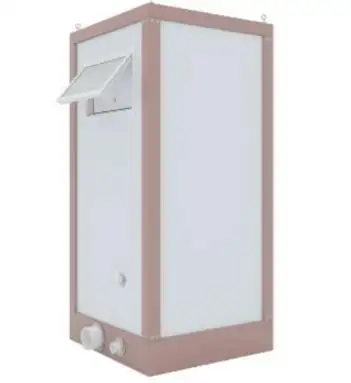
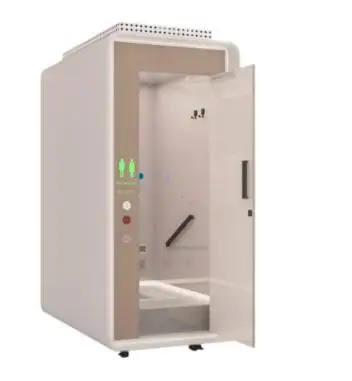
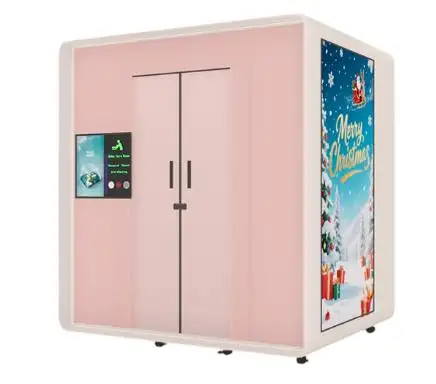
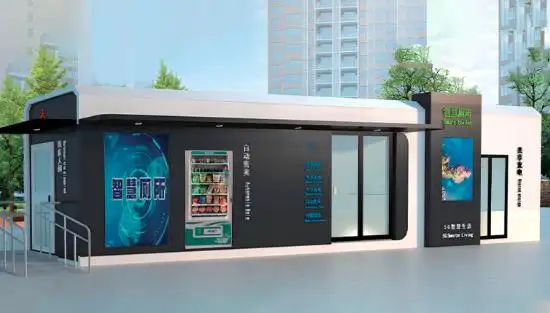
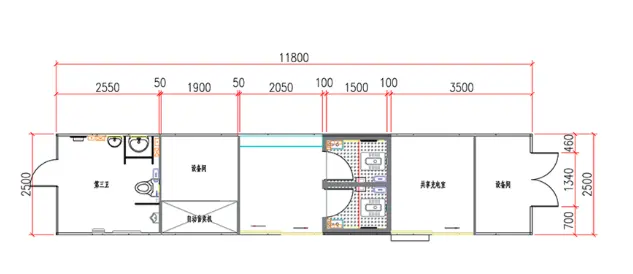
Modular designs, such as JUNHAN Modular Service Stations, are a unit that has WCs, wash basins, and common showers. The units are made of tough materials like stone flooring and melamine roofing, which are durable and comfortable.
Technical features of Smart Public Toilet Systems
The hi-tech communal toilets of the modern era are a combination of hi-tech technology to perform and manage better:
- Intelligent toilet units are centrally monitored and connected to the cloud.
- Real-time monitoring of toilets in order to guarantee the efficiency of maintenance.
- Automation of toilets to maximize cleaning and supply.
- Predictive maintenance AI-based Restroom hygiene management.
- Green and energy-efficient designs, reducing environmental footprint.
All this makes a high-efficiency smart restroom that can offer the maximum level of hygiene, comfort, and convenience.
On-the-go Smart Toilet Technology
A typical smart toilet with occupancy sensors has:
- Automated doors and lights that are use-based.
- Contactless facial recognition dispensers.
- Audible alarms in case of emergency or maintenance.
- Real-time data integration in urban facility management solutions.
IoT public infrastructure and monitoring of digital facilities can guarantee high hygiene standards and do not overload employees in municipalities.
Smart Toilet Solutions to Smart Cities
The world is moving towards smart public toilets, which are currently being introduced in cities as a means of modernizing sanitation in urban settings. These systems are used for different purposes:
- Contact-free smart public bathroom experience.
- Accessibility of smart restrooms for the disabled.
- Sanitary and hygienic toilets that will be used by daily commuters.
- Integration of city-wide urban sanitation technology.
Such solutions are especially essential in areas with a large number of pedestrians and events or tourism, and the hygiene solutions of the public toilets are in accordance with the existing expectations.
Flexible and durable design
The intelligent modular toilets are designed to be both extendable and long-lasting:
- Stone flooring and decorative wall panels are strong and attractive.
- The roofs are made of melamine, which is long-lasting in terms of weather and wear.
- Flexible designs include WCs, sinks, shared showers, and even lounges.
- The intelligent features, such as sensor soap dispensers, luxurious hand dryers, and drinking water dispensers, enhance user experience.
They are interlinked public toilets and can be deployed in the cities, parks, transportation, and temporary sites where events are taking place.
Green and Sustainable Public Toilets
The modern bathrooms must be eco-friendly:
- Smart sanitation systems do not use a lot of water and energy.
- Environmentally friendly toilets that are smart minimize the use of chemicals.
- The wastes and leakage of chemicals are reduced through robotic cleaning programs.
- Toilets that are touchless and self-cleaning minimise contamination and maintenance rates.
Cities will be in a position to provide clean solutions to the public toilets with sustainability considerations, meet the environmental standards, and reduce the cost of operation.
Enhancing User Convenience
The smart toilets are user-oriented:
- Real-time monitoring of toilet availability to schedule.
- No-contact visit to the toilet to prevent the infection of the disease.
- Comfortable seats, clean restrooms, which are highly efficient, enhance satisfaction.
- Smart toilet control systems give seamless control to the maintenance personnel.
This kind of comfort and technology makes the public restrooms more appealing and approachable.
Industry Applications
Smart public toilets are universal and may be applied in different situations:
City centers and smart cities: Improve sanitation in the crowded areas.
Meeting rooms and arenas: Cater to huge crowds.
Transport centers: Clean and convenient to the passengers.
Parks and recreational areas are equipped with environmentally friendly, modular facilities.
Commercial-integrated bathrooms: Offer shared facilities and retailing services, along with charging areas.
Smart Public Toilet Future
The emergence of shared toilets implies total hygiene control through AI and IoT-based management of facilities:
- Predictive maintenance reduces downtimes.
- The smart toilet units are smart and have enhanced features that enable them to be centrally monitored.
- Urban growth can be adapted to small units like JUNHAN Modular Service Stations.
- Greater sustainability and user experience in sensor-based public toilets, constant innovation is applied to increase sustainability and user experience.
Smart toilets will also be a part of a city since they will be an important element of the health of the city.
Conclusion:
The smart toilet system is no longer a dream but a helpful and efficient solution for modern cities. The systems are convenient, sustainable, and hygienic through the combination of IoT monitoring, hygiene management with AI, and modular designs.
The Modular Service Stations by JUNHAN will modernize your urban infrastructure and change the experiences of visiting the restrooms in your city by making them comfortable, innovative, and efficient.