

Updated 2 months ago
Intelligent Management of Portable Public Toilets | Smart Solutions
sidrahafeez
intelligent management of portable public toilets
The Smartest Portable Toilet Solutions
Sanitation is no longer a backdrop consideration in fast-developing cities where there is congestion in social places, building projects, and transportation centers, as well as in areas hosting events; sanitation is becoming a conspicuous indicator of development, honor, and well-being. Engineer portable toilets are normally faced with low hygiene standards, ineffective maintenance, water wastage, and real-time observation is not provided. It is here that smart management of the portable public toilets comes in, and the definition of sanitation is transformed by technology, automation, and a data-driven control of the portable public toilets.
What is Intelligent Management of Portable Public Toilets?
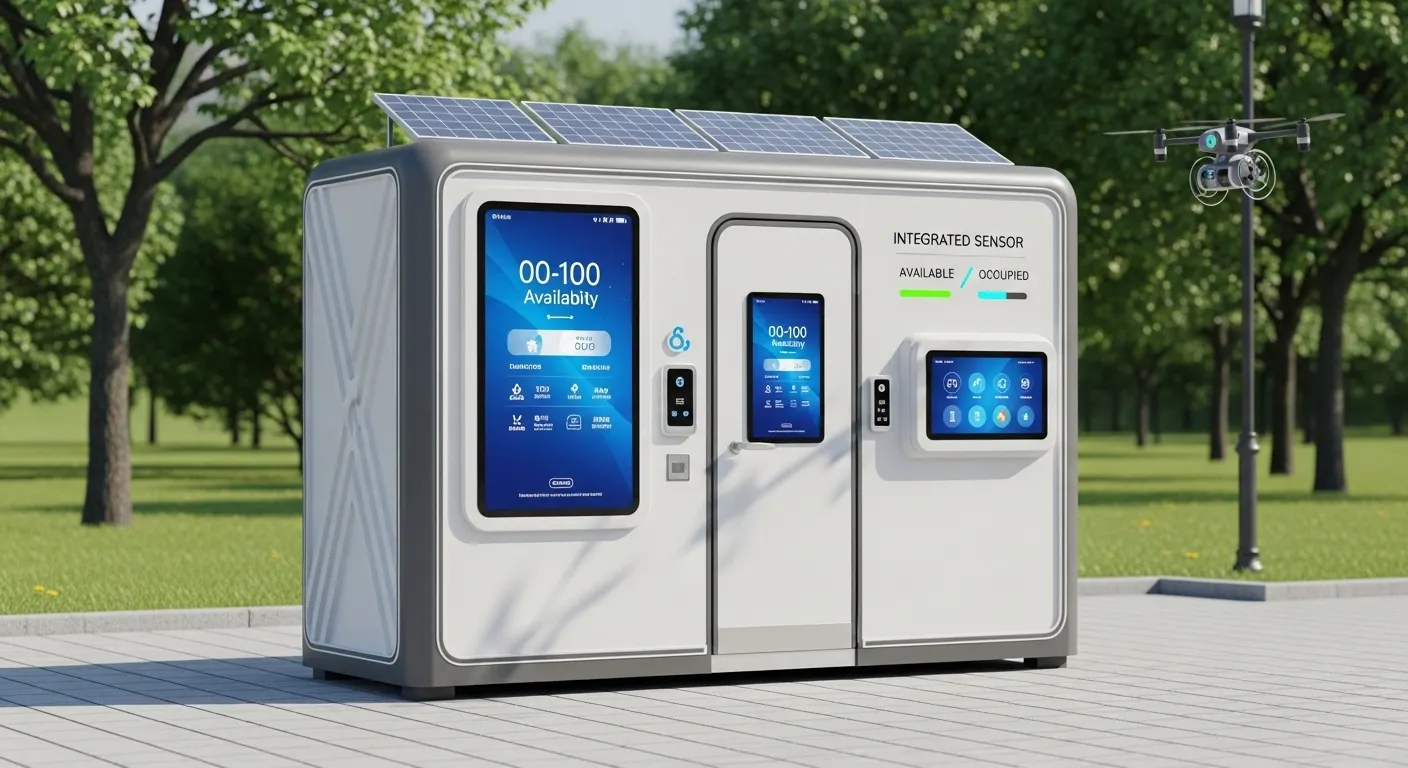
Intelligent management of portable public toilets means the application of digital devices, sensors, automation, and analysis to monitor, control, and optimize portable sanitary units in real-time. As opposed to the traditional toilets that rely on timetables and manual reviews, smart toilets employ data analytics to manage sanitation in real-time to provide optimal results at any given time.
The fundamental components of an intelligent management system of a portable toilet include smart sensors, cloud dashboards, automated notifications, and AI-based decision-making applications. All these elements combine to make a connected portable toilet management system that will increase hygiene, minimize operational expenses, and increase user satisfaction.
The Relevance of Smart Portable Public Toilet Management
Public toilets are high-contact places where hygiene has a direct influence on the health of the population. Bad sanitation facilities cause bad smells, waste tanks that exceed their capacity, wastage of water, and a bad perception. Precision, visibility, and automation of smart public toilet management solutions solve these issues.
With digital management of portable public toilets in place, the operators will have complete control over the quality of sanitation, efficiency of their services, and consumption of resources. This is particularly vital in the case of smart cities, where the sustainability goals, energy efficiency, and citizen well-being must be implemented in terms of sanitation.
Besides, smart technology allows data-driven toilet control so that each cleaning operation, refill, and maintenance procedure is premeditated, not estimated.
The Intelligent Portable Sanitation Management Technologies
IoT-Based Portable Toilet Systems
The portable toilet IoT management system is the backbone of modern sanitation. Sensors are used to gather constant data on the usage, occupancy, waste levels, water use, and environmental conditions of the toilets with an Internet connection. These portable toilets, which are IoT-enabled, are sending the information to the centralized platforms, enabling the monitoring of hundreds or even thousands of units at a time.
Portable Toilet Monitoring Using Sensors
Toilet monitoring: Advanced sensor-based devices consist of:
- Portable toilet occupancy sensors to monitor real-time use.
- Sensors at the fill level in waste tanks to avoid overflow.
- Temperature, humidity, and odor sensors.
This technology helps track the status of portable toilets in real-time; therefore, the toilet is serviced at the time it is required.
Toilet Management System on the cloud
A sensor-based toilet management system gathers all sensor data into one interface, which is cloud-based. A remote toilet management dashboard is available to operators and shows the performance of sanitation, maintenance notifications, and past usage patterns. This enables the remote control of portable toilets easily, even in a large geographical area.
The AI-Based Public Sanitation Management
Artificial intelligence goes a notch higher with sanitation management. Sanitation management based on AI will examine the usage trends and forecast the demands. By predicting when portable toilets should be serviced, cleaned, or have their parts changed, AI can help minimize idle time and emergency treatment, predicting when a unit will need it.
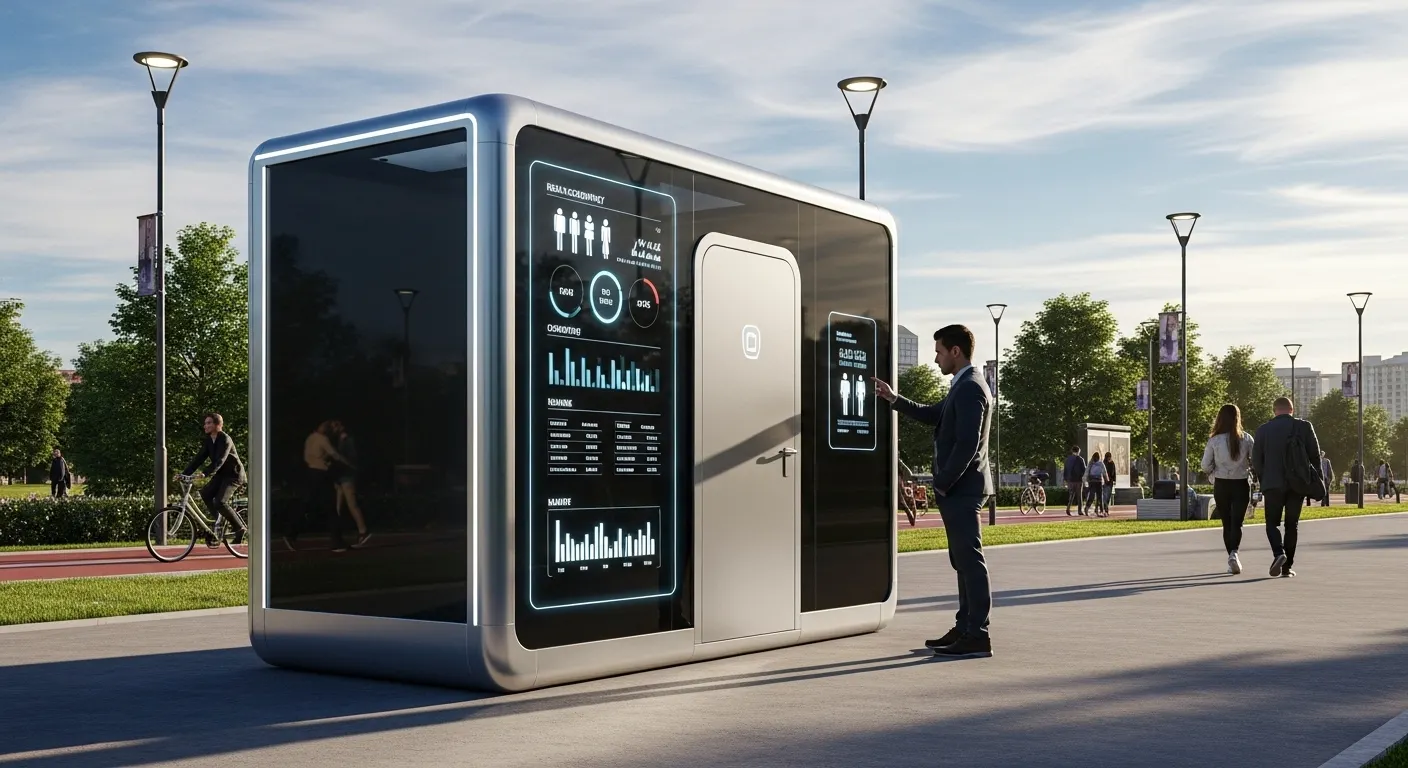
Smart Public Toilet TBOX GE-S1: A Breakthrough in Smart Toilet
The Smart Public Toilet TBOX GE-S1 is one of the most developed products in the market and a fully integrated, intelligent, and eco-friendly public toilet that can be used in different environments.
T-BOX-A1 Model
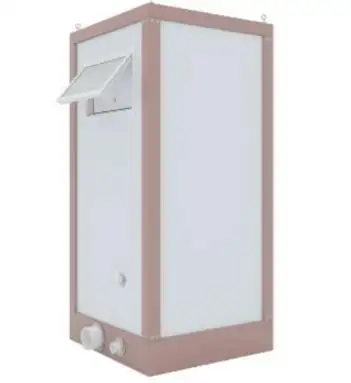
T-BOX-A1 needs external water and sewage connections, which is why it can be installed in areas where the municipal infrastructure is established. It can also easily complement municipal water supply and drainage systems and is thus guaranteed to perform well in urban environments.
T-BOX-A2 Model
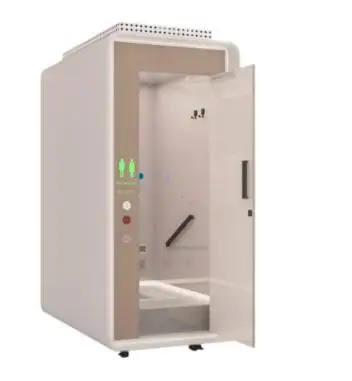
T-BOX-A2 is a plug-and-play model that has optional water and sewage attachments. It has an external operation and maintenance module and is therefore flexible to install, and is not wholly reliant on municipal infrastructure. This is why it can be deployed in semi-urban and temporary deployments.
T-BOX-A3 Model
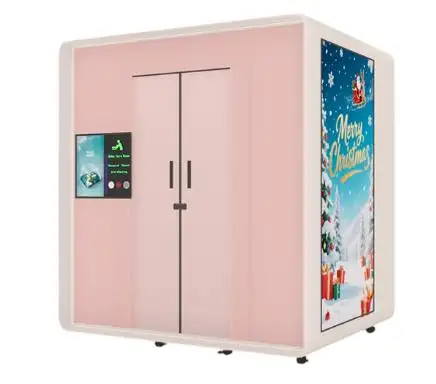
The most generalized is the T-BOX-A3. Being a fully independent plug-and-play model, it can be placed literally anywhere, even in places with no water and sewage facilities. This model is perfect in remote locations, building sites, disaster relief centers, and large outdoor events.
Architecture, Comfort, and Sustainability
The Smart Public Toilet TBOX GE-S1 utilizes low water consumption sanitary ware, high-end air conditioning, fresh air provision, and deodorization. Its interior is welcoming, clean, and practical; its exterior is sturdy and tough. It weighs about 350 kg, which is both powerful and can fit in any place, such as parks, transport hubs, tourist locations, and smart city sanitation facilities.
Uses in Areas of Public and Commerce
Intelligent Sewage Systems in Cities and Municipalities
The smart portable toilets are gaining popularity among cities to fulfill the hygiene needs of the population. Smart toilet management services to municipalities are offered by intelligent systems, which are consistent with the objectives of wider smart city sanitation.
Smart Event Sanitation Systems
The big crowds need high-quality sanitation. Smart sanitation systems serve the purpose of the event, therefore providing constant cleanliness due to automated cleaning and servicing control, even at the busiest spots.
Smart Toilet Construction Site Management
The intelligent toilet management is useful in building construction sites, in which there is a need for durability, hygiene, and monitoring features.
Sustainability and Environment-Friendly Advantages
It is no longer a choice to manage public toilets in an eco-friendly manner. Smart systems save water, chemicals, energy, and promote green initiatives in public sanitation.
Organizations can minimize their environmental footprint by implementing energy-efficient portable toilets and energy-efficient smart sanitation units in order to enhance their quality of service.
Business Value and Buyer Goods
Intelligent management provides smart organizations with quantifiable ROI in case they want to purchase intelligent portable public toilets. These systems are very appealing due to low maintenance costs and high user satisfaction, coupled with hygiene standards.
Firms have the opportunity to collaborate with smart toilet management companies that sell portable toilet management software, hardware, and long-term maintenance. Such systems can be used by government agencies through government smart sanitation projects to upgrade the infrastructure among the populace.
Why Intelligent Management is the Future of Public Sanitation?
The technological, sustainability, and increasing user demands have contributed to a change towards intelligent management of public sanitation. With the increasing smartening of cities, the system of sanitation should also be developed in parallel with transportation, energy, and digital forms of governance.
Intelligent toilets are the next generation in which cleanliness is a proactive, not a reactive system, by integrating automated portable toilet control devices, artificial intelligence service optimization, and remote operation management.
Conclusion
It is not a luxury anymore but a necessity for modern societies to have Intelligent management of portable public toilets. Junhan Technology provides dignity, hygiene, and efficiency anywhere people come together with smart monitoring, real-time analytics, and sustainable design.
With more and more innovation, smart sanitation will always take the center stage in healthier, smarter, and more sustainable cities.